Liveaboard.com

Clarion Liveaboard Diving

Our guests rated liveaboard diving in Clarion as 9.3

  • 100% Best Price Guarantee

Liveaboard Diving in Clarion

What To Expect On A Clarion Island Liveaboard

Liveaboards to Clarion Island usually visit here as part of a Socorro Islands itinerary. Officially known as the Revillagigedo Archipelago, it is a group of four volcanic islands located in the Pacific Ocean about 400km (250 mi) off the coast of the southern tip of Baja California, a southwestern state of Mexico. This archipelago is a popular dive area and is most famous for the different pelagic species, which you will have a chance to see and dive with. The other three islands are Socorro Island, San Benedicto, and Roca Partida, all incredible dive sites in their ways. Clarion is located further away from the rest of the islands, around 200km, and therefore the least visited, resulting in the most untouched islands. Due to this remoteness, a liveaboard dive tour is the best way to see Clarion.

Clarion is a year-round dive area for Mexico liveaboards, but each season brings gems. The calmest seas are from November to May, with the waters being around 28 degrees Celsius (82 degrees Fahrenheit) in November, 21 degrees Celsius (69 degrees Fahrenheit) in February, and back up to 25 degrees Celsius (68 degrees Fahrenheit) in May. The visibility here depends solely on the plankton in the water, which depends on the moon, but in general, the visibility varies from 15 - 50m (49 - 164ft).

Clarion is a more advanced diving area as it is an open water dive, and therefore, sometimes there are strong currents and big waves, and most dive spots are pretty deep; however, each liveaboard has its minimum dive experience level, most expect to have your Advanced Open water with at least 50 logged dives, but there are a few which only need you to have your Open Water and no minimum logged dives. Please keep this in mind.

What You Can See

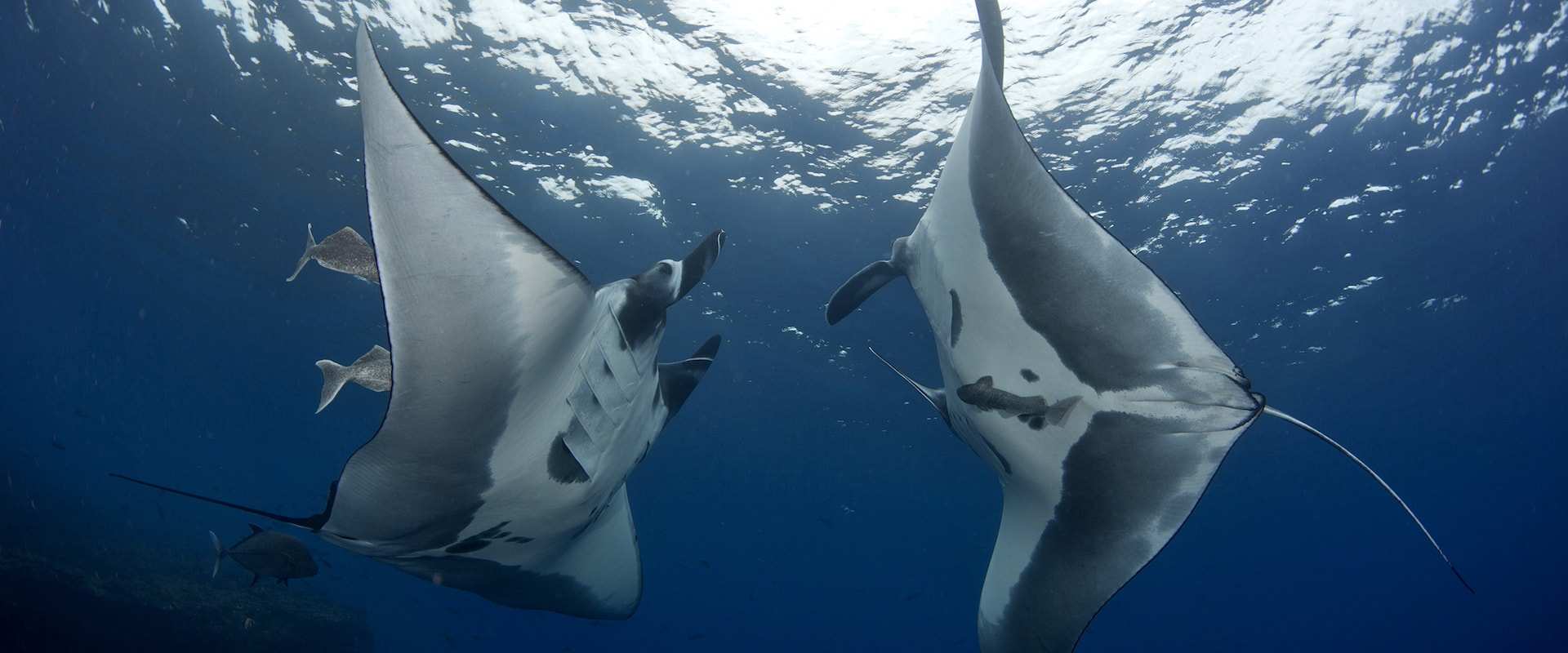
Numerous liveaboards offer dive trips to Clarion, a volcanic island with three volcanic peaks. The fact that there are these nutritious volcanic soils and it is almost entirely untouched results in crystal clear turquoise waters, a diverse group of marine life, and therefore ideal for unwater photography. When you first descend, you will be met by the resident pod of Bottlenose dolphins, who will spend their time with you and are incredibly playful and curious. While exploring the dive sites, you will come across schools of jacks, Wahoos, and silvertip sharks, and you might also bump into a Hawksbill turtle. From January till April, you will see the Humpback whales swim past here, and on an auspicious day, you might see some Orcas.

Everywhere you look, you will see the Clarion butterflyfish, named after the island; they are the lo cleaner fish and are incredibly colorful, unique to this area.

This archipelago of islands is part of a protected biosphere reserve, and many conservation organizations are working around here to preserve the unique wildlife that inhabits and passes here. The Socorro diving area is not a coral reef, so do not expect bright colors everywhere. Still, once you spot the spectacular marine wildlife after diving from your liveaboard, you won't be able to focus on much else anyway!

Getting To Clarion Island

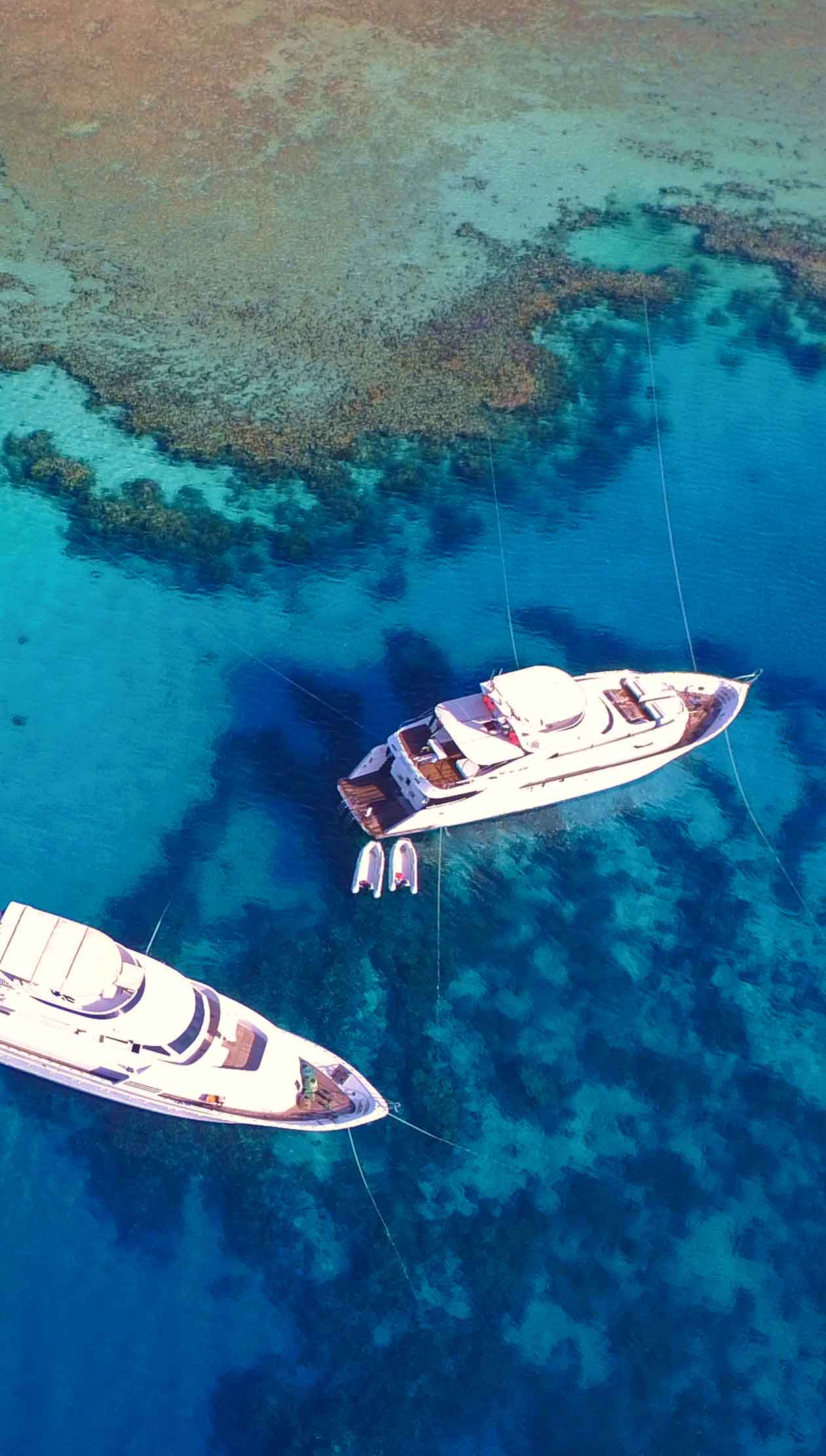
This island is only accessible via liveaboard. Because this island is mostly uninhabited, this is the perfect way to get away from the busy cities and get a good quality experience with some of the best the oceans offer. Liveaboard.com currently provides six different liveaboards that visit these sites, all different to suit anyone's desires.

There are two ports from which the Mexico liveaboards have to offer to depart: Cabo San Lucas and San Jose del Cabo. These are both cities in Baja California and located in the Southern municipality of Los Cabos, in Mexico. The closest international airport to these two cities is Los Cabos International Airport, which has flights arriving from the United States, Canada, and other Mexican Cities.


Clarion Diving Reviews

  • Rating 9.3 out of 10
  • 9.3 Superb
  • Rating 10.0 out of 10
  • 10.0 Exceptional
  • john L
  • Flag of United StatesUnited States

White tips a few hammerheads

Diving Clarion in February on the Nautilus Belle Amie
  • Rating 8.4 out of 10
  • 8.4 Very good
  • Brooke M
  • Flag of United StatesUnited States

It was a great place to start.

Diving Clarion in January on the Nautilus Explorer
  • Rating 9.6 out of 10
  • 9.6 Exceptional
  • Janice S
  • Flag of CanadaCanada

Visibility a bit poor but lots of sightings of manta rays and sharks.

Diving Clarion in January on the Rocio del Mar
  • Rating 8.0 out of 10
  • 8.0 Very good
  • Jose Manuel U
  • Flag of MexicoMexico

Challenging, strong currents but incredible!! Lots of giant mantas

Diving Clarion in February on the Nautilus Belle Amie


What to know about diving in Clarion

What is Clarion Island?

Clarion Island is the most remote of the four islands in Mexico's Revillagigedo Archipelago, sitting roughly 150 miles (241 km) west of Socorro Island. It's a volcanic island with three peaks and rugged cliffs, uninhabited except for a small Mexican naval garrison, and it gives its name to the Clarion angelfish found throughout the region's cleaning stations. Very few liveaboards make the extra crossing to reach it.

Where is Clarion Island located?

Clarion Island lies in the Pacific Ocean roughly 150 miles (241 km) west of Socorro Island and about 400 miles (644 km) off the southern tip of Baja California, making it the farthest-flung island in the Revillagigedo Archipelago. The extra distance means reaching it typically adds several days of sailing to a standard Socorro liveaboard itinerary. As of 2026, only a small number of specialized trips include it.

Who lives on Clarion Island?

No civilians live on Clarion Island — it's inhabited only by a small detachment of the Mexican Navy, similar to the larger naval station on Socorro Island. The garrison monitors the island and supports Mexico's territorial claim over this remote outpost. Visitors are generally not permitted ashore, so all activity centers on the surrounding water.

What is diving like at Clarion Island?

Diving at Clarion is similar in style to the rest of the Revillagigedo Archipelago — open-ocean, advanced diving with strong currents and long stretches in blue water. Expect schools of jacks, wahoo, and silvertip sharks, along with the namesake Clarion angelfish at cleaning stations, and occasional hawksbill turtle sightings. Because of its remoteness, many divers consider its dive sites among the least-explored in the region.

Why do so few liveaboards visit Clarion Island?

Clarion's extra distance — roughly 150 miles (241 km) beyond Socorro — adds multiple days of sailing to an already long Revillagigedo itinerary, which most standard 8–10 day trips can't accommodate. Only specialized, longer expeditions built specifically around reaching Clarion typically include it. This relative inaccessibility is also why its dive sites remain comparatively unexplored.

What marine life can you see at Clarion Island?

Clarion Island hosts much of the same big-animal lineup as the rest of the Revillagigedo Archipelago — manta rays, dolphins, sharks, and whale sharks — along with the endemic Clarion angelfish at cleaning stations throughout the region. Humpback whales pass through from roughly January through April, and there's an outside chance of spotting orcas. Because of its remoteness, encounters here are considered less predictable but often less crowded.

When is the best time to dive Clarion Island?

Clarion follows the same broad Revillagigedo season, November through June, though trips reaching it specifically are far less frequent and tend to concentrate around the calmer months from January through April. Humpback whale sightings are most likely in this window. Given how few operators run trips here, exact timing depends heavily on the specific itinerary booked.

Is Clarion Island included on Revillagigedo liveaboard itineraries?

Rarely — most standard Revillagigedo liveaboards visit only Socorro, San Benedicto, and Roca Partida, and skip Clarion entirely due to the extra sailing time required. Only a small number of longer or specialized expedition itineraries include the crossing. Divers specifically wanting to dive Clarion should confirm with the operator that it's on the itinerary before booking.

We’re here to help, 24/7.

Connect with our expert travel consultants to plan your next trip.

  • Nicole Laughlin
  • Josue Zarco
  • Ester Canali
  • Nina Kapp
  • Farah Celada-Benito
  • Mylene Issartial
  • Juliane Ball