Budapest: The Pearl of the Danube
Gliding into Budapest by river cruise feels like sailing onto an illuminated stage set: the Gothic Parliament crowned in lights, Buda’s castle‑topped hills mirrored in the water, and steamy Art Nouveau bathhouses steps from the quay. Because Danube ships dock right in the city center, you can wander from your cabin to a riverside café for chimney‑cake, soak in century‑old thermal pools, and be back on deck in time to toast a sunset that ignites every bridge in gold. Nowhere else blends imperial grandeur, café culture, and effortless sightseeing quite as seamlessly, making Budapest the Danube’s undisputed showstopper.
Highlights include the neo-Gothic Parliament Building, Castle Hill, and the Szechenyi or Gellért thermal baths.
Other Top River Cruise Location Along the Danube
Esztergom: Basilica Crowning the Bend
The river coils dramatically in Esztergom, north of the capital, revealing Esztergom Basilica, Hungary’s largest church, whose green‑copper dome commands the skyline. Inside, an opulent altarpiece and crypt echo centuries of ecclesiastical power, while outside, café-lined squares invite a sip of kávé with views of the Danube.
Szentendre: Artists’ Haven of Baroque Charm
Just thirty minutes downstream lies candy‑colored Szentendre, a Serbian merchant town turned open‑air gallery. Cobbled streets bustle with folk‑art workshops, boutique museums, and riverside wine bars serving aromatic Irsai Olivér whites. On most cruises, you can bike ashore then re‑board in time for a paprika‑spiced lunch.
Visegrád: Royal Castles and Panoramic Peaks
The river’s most photogenic S‑curve wraps around Visegrád, where 13th‑century citadels crown volcanic hills. Hike up for a hawk‑eye view of the Apex Bend, or watch a colorful medieval joust organized exclusively for cruise guests—complete with mead tasting!
Mohács: Gateway to Southern Traditions
Near the Serbian border, Mohács greets ships with its iconic Busójárás carnival masks and proximity to the paprika capital of Kalocsa. Optional shore tours venture to Villány wine cellars for robust Kékfrankos reds or to Pécs to admire Roman mosaics and Ottoman cupolas.
Why visit Budapest on a Danube River Cruise
Flexibility, immersion, and comfort define a Danube voyage. Unlike ocean liners that anchor far from city centers, river vessels moor steps from marquee sights, meaning you stroll off the gangway directly into a warren of Art Nouveau cafés or farmers’ markets. Scenic daytime sailing reveals:
- Seasonal drama: Spring’s cherry‑blossom riverbanks, summer fireworks during the August 20th St. Stephen’s Day celebrations, russet vineyards in autumn, and candlelit Advent markets in winter.
- Architectural evolution: Roman castra stones in Óbuda morph into Ottoman bath domes, then Neo‑Baroque palaces—all within a single panoramic hour.
- Wildlife encounters: White‑tailed eagles circling the Danube‑Ipoly National Park and migratory storks perched on riverside bell towers.
Kalocsa: Spicy Soul of the Paprika Plains
Crimson strings of sun‑dried peppers adorn every balcony in Kalocsa, Hungary’s paprika capital. Guided tours lead you through the Paprika Museum, where you can grind your fiery powder before sampling smoky sausage aboard. Nearby, the floodplain’s wetlands offer bird‑watching safaris in traditional reed boats.
Pécs: Open‑Air Treasury of Cultures
Though technically an excursion by motor‑coach from Mohács, Pécs is worth every kilometer. UNESCO‑listed early Christian tombs hide beneath the streets, while above ground, a polished copper cupola crowns the former mosque of Pasha Qasim. Café terraces spill across Széchenyi Square, where Zsolnay porcelain artisans continue a 160-year legacy.
Itineraries Tailored to Every Traveler
Short Getaways (3–5 Days)
Pressed for time? A Budapest round‑trip mini‑cruise threads the Danube Bend, calling at Esztergom, Visegrád, and Szentendre. Expect:
- Twilight sailing past illuminated Parliament.
- A private organ recital inside Esztergom Basilica.
- Guided tastings of Tokaji Aszú dessert wine on board.
Medium Journeys (6–9 Days)
The classic “Imperial Capitals” itinerary links Budapest, Bratislava, and Vienna, often with the addition of Melk Abbey in Austria. Cultural cross‑pollination is the theme:
- Vienna’s coffeehouse culture paired with Pest’s ruin‑bar nightlife.
- Excursions to Baroque palaces and UNESCO vineyards.
- Onboard lectures by historians who animate Habsburg politics.
Extended Voyages (10+ Days)
For slow‑travel purists, cruise from Regensburg to the Black Sea on a 15‑night odyssey through eight countries. Hungarian highlights include:
- Dawn arrival in Budapest, bells echoing across the water.
- Southern detours to Mohács and the Puszta horse fields.
- A chef‑led market tour followed by an onboard goulash masterclass.
Special‑Interest Cruises
- Wine & Gastronomy: Sample Somló whites, Bull’s Blood reds, and artisan cheese during cellar visits curated by onboard sommeliers.
- Art & History: Studio walks in Szentendre, private after‑hours entry to the Hungarian National Museum.
- Christmas Markets: Sail in December and inhale cinnamon‑laced chimney‑cakes beneath Buda Castle’s festive lights.
- Cycling Adventures: Hybrid bikes and dedicated bike guides accompany you along the EuroVelo 6 path between Visegrád and Vienna.
The Onboard Experience
Intimate Ship Sizes & Inviting Ambiance
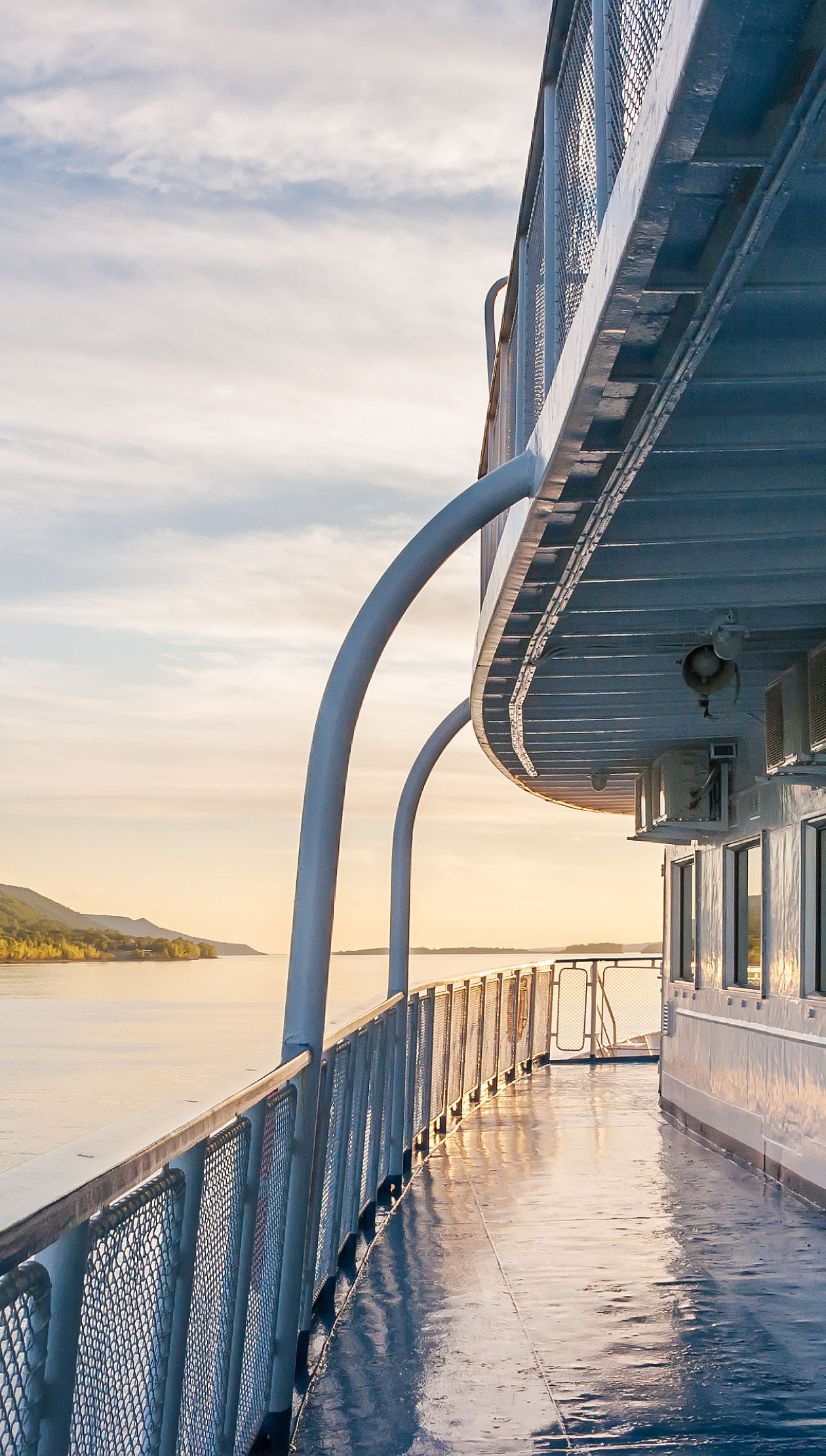
Danube ships typically accommodate fewer than 190 passengers, fostering a club-like camaraderie and allowing docking in the heart of Budapest, steps from St. Stephen’s Basilica. Expect floor‑to‑ceiling windows, al‑fresco terraces, and serene spa pools—perfect for watching Parliament drift past.
Cuisine & Wine: From Market to Table
Menus spotlight regional produce: creamy Hortobágy pancakes, herb‑infused halászlé (fisherman’s soup), and DOBOS torte layered in velvety chocolate. Wine lists champion Hungary’s 22 districts, from crisp Balaton Rieslings to the noble sweet essences of Tokaj.
Excursions & Cultural Enrichment
Every port pairs a complimentary walking tour with optional deep dives: thermal-bath rituals, paprika-smoked cooking workshops, or helicopter flyovers of the Danube Bend. Evenings onboard feature folk‑dance troupes, classical quartets, or guest lectures by archaeologists.
Who Loves a Danube Cruise
- Couples: Sunset toasts on the Sky Deck and candlelit tasting menus.
- Families: Interactive scavenger hunts in Buda Castle and kid‑friendly science shows explaining river locks.
- Solo Travelers: Hosted dining tables and curated small‑group excursions make mingling effortless.
- Luxury Seekers: Butler‑served suites, Michelin‑inspired cuisine, and curated private tours of Parliament’s Dome Hall.
Sustainable & All‑Season Sailing
Modern operators equip their fleets with hybrid-propulsion engines, shore-power hookups, and advanced wastewater treatment systems to keep Hungary’s waterways pristine. Low‑wake hulls minimize shoreline erosion, and many lines offset carbon through rewilding projects along the Upper Danube. Year‑round departures mean you can tailor your trip:
- Spring: Lilac‑scented promenades and fewer crowds.
- Summer: Open‑air concerts on Margaret Island.
- Autumn: Grape‑harvest festivals and truffle markets.
- Winter: Ice‑skating under Buda Castle, followed by mulled wine tastings on board.
Wellness & Relaxation
After climbing Castle Hill’s steps, treat yourself to a Hungarian‑inspired mud wrap in the ship’s spa, followed by an al‑fresco whirlpool soak as the lights of Budapest twinkle. Sunrise yoga classes on deck synchronize breath with the river’s gentle pulse, while onboard libraries curate Central‑European literature for quiet reflection.
Planning Tips & Practicalities
Booking a Budapest‑centric Danube cruise is delightfully simple, yet a few insider strategies will elevate the journey:
- Cabin Selection: Opt for a mid‑level French‑balcony stateroom for unobstructed Chain‑Bridge selfies, or splurge on an upper‑deck suite with drop‑down panoramic windows for 180‑degree cityscapes.
- Shoulder-Season Savings: April and late-October sailings often offer soft light, thinner crowds, and fares up to 20% lower than peak summer departures.
- Visa & Currency: Hungary and its northern neighbors belong to the Schengen Zone, but it's a good idea to keep some Hungarian forints on hand for market snacks—many kiosks remain cash-only.
- Multi‑Generational Configurations: Newer vessels feature adjoining cabins and family suites; inquire early as these sell out swiftly during school holidays.
- Active Explorations: Bring flexible‑sole walking shoes and a light waterproof jacket—Budapest’s micro‑climate can switch from sunshine to river mist within an hour.
Finally, consider pairing your cruise with a pre‑ or post‑stay in Budapest. Even two nights grant time for a sunset funicular ride, a craft‑beer crawl through District VII, and soul‑stirring organ music inside St. Stephen’s Basilica.
“Between the ancient stones of Buda and the café buzz of Pest flows the Danube—ever‑changing, ever‑inviting. When you trace its blue ribbon by ship, you do more than witness history; you become a verse in its endless song.”
Budapest awaits with open arms, a symphony of lights, flavors, and legends—best experienced from the elegant perspective of the river itself.