Liveaboard.com

Rocky Liveaboard Diving

Our customers rated liveaboard diving in Rocky as 8.9.

  • 100% Best Price Guarantee

Liveaboard Diving in Rocky

What To Expect On A Rocky Island Liveaboard

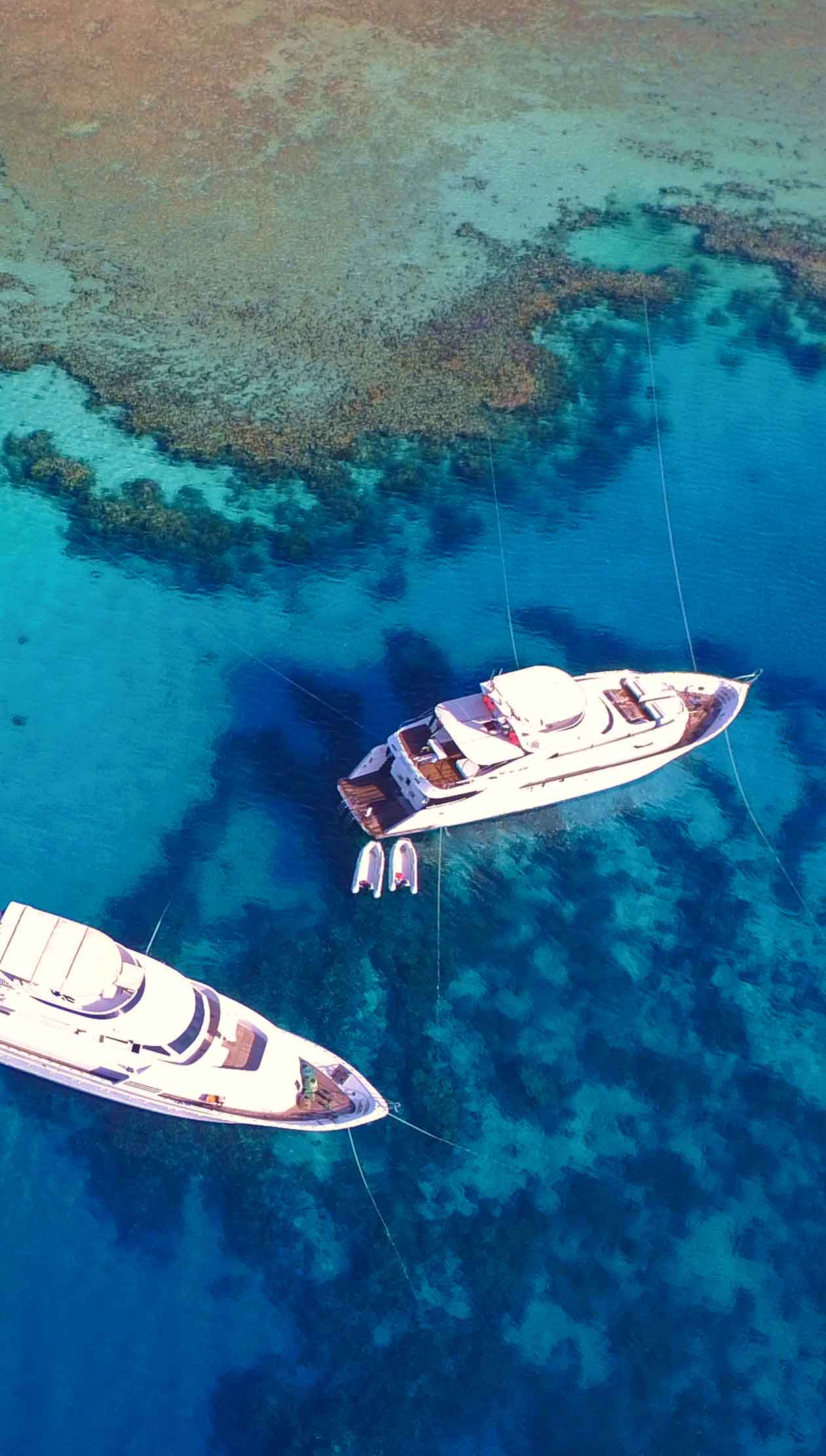
Liveaboards to Rocky Island usually visit here as part of a Southern Red Sea itinerary. Lying in Foul Bay just 5 kilometres to the southeast of Zabargad, Rocky Island squeezes almost all of the reasons to visit the Egyptian Red Sea as a diving destination into one tiny island. Surrounding the entire island is a convenient plateau that delivers excellent views during the safety stop. It should be noted that currents here can swing from the prevailing northeast, and shift to originate from the south. Current direction must always be checked while planning the dive. The shores of Rocky Island are split into 3 main diving zones: the south, the east and the north shore. A good selection of Egyptian liveaboards are available which include dive safaris to Rocky Island.

What you can see

Whilst on your liveaboard cruise to Rocky Island you will explore the 3 main areas located in this dive area;

The South

Perhaps the only site on Rocky Island suitable for newer and less experienced divers, this is by far the most sheltered site. Prevailing winds are blocked by the landmass of the island, and average depth is around 60 feet (18 m). The shelter also helps to protect the incredibly delicate and intricate corals, which in turn support an abundance of reef fish. Visibility is fairly typical for the Red Sea at around 65 feet (20 m), and remains roughly the same over all the sites. The south shore has particularly inviting topography with many overhanging features and swim-throughs, making for exhilarating exploration with a good underwater torch.

Broad purple branches of acroporas, and hugely elaborate brain corals make for an outstanding display of stony coral species, while wisps of pink and brown cabbage corals form considerable structures on the reef, being a semi-aggressive species. Several types of nephtheidae can also be seen, a soft coral that resembles branches of broccoli, and exhibit a wide range of colours from reds, to oranges, whites and purples. At night, these delightful corals extend their tentacles to catch passing food, and share a greater resemblance to a tree in full bloom.

The East

The eastern shore, although quite exposed to the current (especially on the shallow plateau), offers a huge variety of features from shallow coral gardens to sheer-faced walls. Undertaken as a drift dive, the more turbulent and deeper water (average depth of 85 feet, or 25 m, and a maximum of 160 feet or 50 m) attracts larger fish species, including scalloped hammerhead, and oceanic whitetip sharks. Barracuda also patrol the reef, keeping their menacing, black eyes on the lookout for easy prey. Shoals of spectacularly striped grunts, bright blue surgeonfish and faded-red snappers leisurely swim between substantial coral structures, presenting excellent photo opportunities.

Blazing orange fire corals with white-hot tips are found in shallower depths, along with most of the hard and stony corals. With depth, the coral generally shifts to a greater proliferation of soft species, like the mushrooming plumes of xenia and the beautiful nephtheidae. Spiny, tree-like black corals are also found in deeper water here.

The North

The northern shore receives the full brunt of any prevailing weather, and is suitable only for the more experienced diver. The landscape is very different with rocky outcrops, encrusted with soft and stony corals, and a sheer wall. The dive is usually a fast drift dive, and one should dive fairly deep to avoid surges of current nearer the surface. Average depth is around 65 feet (20 m), with a maximum depth of 160 feet (50 m).

Strikingly marked rabbitfish, and the strange looking unicorn fish like to move in small groups over the reef here. Most species found are schooling species, but larger Napoleon wrasse and groupers are a common sight.

Getting there

Situated just south of Zabargad Island, Rocky Island can only be visited by liveaboard due to the distance from the nearest ports. Egyptian liveaboards navigating to Rocky Island usually make a stop at Zabargad first, before heading over. Departures tend to be from either Marsa Ghalib or Marsa Alam. The nearest airport is Marsa Alam International Airport, which is actually closer to the seaport of Marsa Ghalib, than that of Marsa Alam.


Rocky Diving Reviews

  • Rating 8.9 out of 10
  • 8.9 Fabulous
  • Rating 10.0 out of 10
  • 10.0 Exceptional
  • Janusz L
  • Flag of United StatesUnited States

Beautiful reef and fish. Visibility was not the best but it was June.

Diving Rocky in June on the Red Sea Aggressor IV
  • Rating 9.2 out of 10
  • 9.2 Superb
  • Christopher E
  • Flag of United StatesUnited States

Some beautiful light in the caverns and caves

Diving Rocky in May on the JP Marine
  • Rating 10.0 out of 10
  • 10.0 Exceptional
  • Taj H
  • Flag of United StatesUnited States

I would recommend, but if you want sharks, end of February is not the right time of year.

Diving Rocky in February on the Blue Seas
  • Rating 10.0 out of 10
  • 10.0 Exceptional
  • Marcin S
  • Flag of PolandPoland

A small, lonely island in the middle of the sea with steep walls and beautiful, healthy soft corals and gorgonians.

Diving Rocky in March on the Red Sea Aggressor V


What to know about diving in Rocky

What is Rocky Island known for?

Rocky Island is famous for dramatic wall diving and reliable big-fish action — grey reef, silvertip, and oceanic whitetip sharks patrol the drop-offs, with hammerheads and passing manta rays adding to the draw. It's a tiny, uninhabited fossil-coral islet near the far southern tip of Egypt's Red Sea coast and one of the signature stops on "Deep South" liveaboard routes alongside neighboring Zabargad Island and St. John's Reef.

How deep is Rocky Island, and what's a typical dive profile?

Most dives work the shallow reef plateau and upper wall in the 33-100 ft (10-30 m) range, though the island's flanks plunge to over 3,280 ft (1,000 m) just offshore. A typical dive is a drift along the wall, starting shallower and working deeper as air allows, with a mid-water safety stop out in the blue rather than back on the reef.

What's the current like at Rocky Island?

Current is usually the main event here — strong, north-south flows that shift with the tide and are exactly what pulls in the schooling fish and sharks. Guides typically brief a negative or drift entry, and divers should be comfortable with an open-water pickup if the current sweeps them off the reef.

What certification level do I need to dive Rocky Island?

Because of the current and remoteness, most operators require Advanced Open Water certification plus roughly 50 logged dives before booking a Deep South itinerary that includes Rocky Island (specific minimums are set by the individual operator, as of 2026). Comfort with drift diving and blue-water safety stops matters more here than at the Red Sea's more sheltered northern sites.

What marine life will I likely see?

Expect grey reef, silvertip, and oceanic whitetip sharks cruising the walls, with scalloped hammerheads a realistic possibility in the cooler months, plus manta rays, sailfish, and dolphins passing through on the current. The reef itself is thick with soft corals and large gorgonian fans swaying in the flow.

When is the best time of year to dive Rocky Island?

The general window runs April through November, with many operators favoring March-May and September-November for calmer seas and the best shark sightings. Winter crossings (December-February) are less common, mainly because the long open-water passage south can get rough.

Can I dive Rocky Island on a day boat, or is it liveaboard-only?

Liveaboard-only — Rocky Island sits roughly 37-43 miles (60-70 km) off the mainland, well beyond the range of any day boat. The only way to dive it is aboard a multi-night liveaboard running a Deep South itinerary.

What's the water temperature like?

Water temperature ranges from around 73°F (23°C) in winter up to roughly 84°F (29°C) at the height of summer. A 5mm wetsuit is the usual recommendation, with a hood or thicker exposure protection worth packing for cooler-season trips given how long you'll spend in the current.

How do I get to Rocky Island — what's the nearest airport?

The nearest airport is Marsa Alam International, with Port Ghalib the most common departure marina for Deep South liveaboards (a few operators run from Hurghada instead). From there, it's roughly a full day and night of cruising south before reaching Rocky Island, so the site is built into a multi-day itinerary rather than a standalone trip.

How long does a liveaboard itinerary typically spend around Rocky Island?

A typical Deep South itinerary runs about 7 nights round-trip, with a day or so allotted to Rocky Island and neighboring Zabargad before continuing on to St. John's Reef. Some extended trips run 10 nights or more and add Daedalus Reef on the return leg (specific routings vary by operator, as of 2026).

Are there specific hazards or safety notes for diving Rocky Island?

The main hazards are strong, sometimes unpredictable currents and sheer remoteness — the nearest recompression chamber and medical facilities are many hours away, so conservative dive profiles matter more here than almost anywhere else in the Red Sea. Divers should also be mentally prepared for open-water pickups if the current carries them off the reef.

What does the underwater landscape at Rocky Island actually look like?

Rocky Island is a small, elliptical fossil-coral islet ringed by a shallow reef plateau in about 16-66 ft (5-20 m) that gives way almost immediately to sheer vertical walls. Those walls are the real draw — they plunge past 3,280 ft (1,000 m) just offshore, giving the site an open-ocean, big-blue feel rather than a typical fringing-reef dive.

We’re here to help, 24/7.

Connect with our expert travel consultants to plan your next trip.

  • Farah Celada-Benito
  • Josue Zarco
  • Juliane Ball
  • Oksana Kovaleva
  • Mylene Issartial
  • Andrea Martinez
  • Ester Canali