Liveaboard Diving in Nilandhe Atoll
What To Expect On A Nilandhe Atoll Liveaboard
Liveaboards in Nilandhe Atoll, on the western border of the Maldives' Southern Atolls, have a huge variety of dive sites to choose from. Nilandhe is actually two atolls- the northern Faafu and the southern Dhaalu. Dhaalu has been open for diving longer than its northern neighbor, but Faafu is now becoming well-established on the Maldives diving radar. With a total of about 23 islands, but only 5 of them inhabited, and few beach resorts, Nilandhe retains a good degree of Southern Atolls peace and seclusion. The underwater scene in Nilandhe also offers a quintessential Southern Atolls experience: rushing kandus filled with marine life and some gorgeous coral formations.
Nilandhe Atoll Underwater
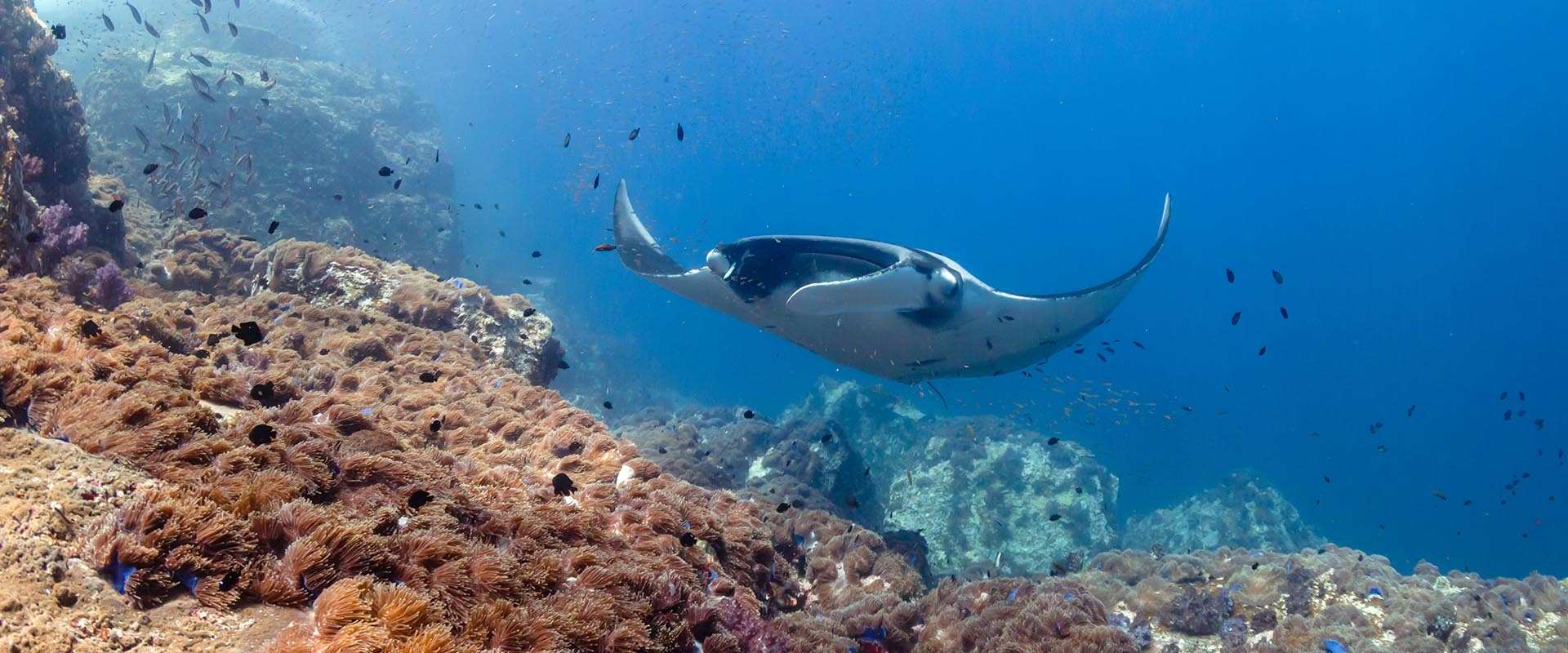
When frequenting the northern (Faafu) atolls, liveaboard diving in Nilandhe offers famous channels which bring in big schools of fish, as well as sharks, Napoleon wrasse, and eagle rays. Luckily, an abundance of protected areas in the atoll ensures the longevity of its incredible fish populations. Grey reef sharks, schools of fusiliers, snappers and sweetlips are other significant members of the fish families encountered by Nilandhe dive cruises. When scuba diving in Nilandheís Dhaalu atoll, be prepared to see tuna, turtles, and even mantas. Dhaalu has been beckoning Maldives liveaboard boats in Nilandhe for years, and its underwater sights remain top Southern Atolls attractions.
Dive Sites of Nilandhe Atoll
Within Faafu atoll, the dive sites around Filtheyo Kandu are some of the most renowned for Nilandhe liveaboard diving. This 2 kilometer-wide kandu sports 3 dive sites. Filtheyo Thila is an underwater pinnacle formed by a U-shaped reef, which sits in the kanduís center and is surrounded by big schools of fish. Sharks, Napoleon wrasse, and eagle rays are all attracted to the strong currents swirling around the thila, while stingrays sit on the sandy bottom. Filtheyo Outsideís coral patches adorn a ridge frequented by sweetlips, while Dolphin Corner presents gorgeous coral formations enlivened by grey reef sharks, eagle rays, and big schools of reef fish.
Liveaboard diving in Nilandhe Atoll's Jumping Jack involves an incredible channel crossing. This siteís underwater traverse has divers cross from one island to another by ìthila-hopping,î- swimming from one thila to the next in a line of about seven thilas. Each thila maintains its own reef life population, supporting predators like sharks and tuna. In the stretches of blue water between thilas, sharks and schools of eagle rays can be seen.
Among the many sites for liveaboard diving in Nilandheís Dhaalu Atoll Velavaru Kandu stands out for its three pinnacles filled with reef life. Sharks are frequent visitors of the pinnacles, and large gorgonian fans decorate the sides of the slopes. Turtles are also common in Dhaalu atoll dive sites.
Top Tips for Divers
In the Maldives, a Green Tax of 6 USD per person per night now applies for every tourist in the country. The official language is Dhivehi.
Gear to bring includes your own mask, booties, fins, and dive computer. An ill-fitting mask or pair of fins can make diving virtually impossible, and a dive computer is your most-important piece of safety equipment.
Getting to Nilandhe Atoll
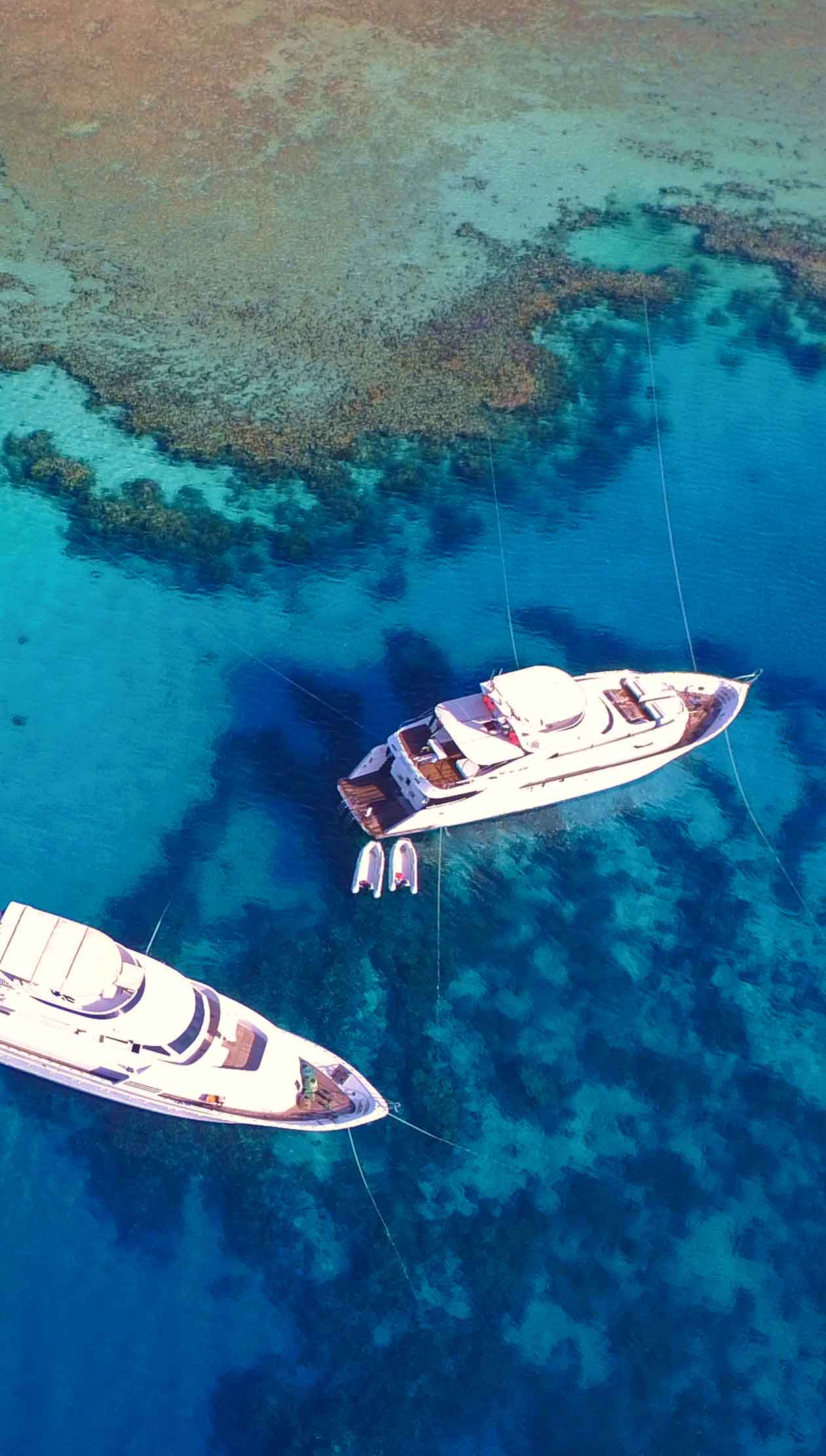
Like anywhere in the Maldives, Nilandhe Atoll is best dived by liveaboard; in no other way can you access so many dive sites, often near uninhabited islands or far from land. The length of liveaboard itineraries which visit Nilandhe Atoll usually ranges from 7 to 10 nights, with a budget from 200 to a bit over 300 euros per night. Liveaboard boats in Nilandhe Atoll often include its Southern Atolls neighbors, and the Central Atolls as well.
The Maldives capital Male is one liveaboard departure location for Nilandhe Atoll liveaboards, accessible by direct flights from Dubai, Singapore, and Colombo. To get to other Southern Atolls departure ports, like Kadhoo, Koodoo, and Medhufushi visitors should take a domestic seaplane from Male; trips are usually an hour.
Maldives liveaboard diving in Nilandhe Atoll is possible all year round. During the northeast monsoon from December through May, the seas are consistently calm, with little chance of rain. However, it's worth asking your potential liveaboard diving operator what the wildlife schedules are within the atoll, to make sure you get the chance to see whatever marine creature matter most to you. The water temperature usually stays between 27 and 30 C, and visibility between 20 and 30 meters.