Liveaboard.com

Forgotten Islands Liveaboard Diving

Our customers rated liveaboard diving in Forgotten Islands as 8.9.

  • 100% Best Price Guarantee

Liveaboard Diving in Forgotten Islands

What to Expect On a Forgotten Islands Liveaboard

A Forgotten Islands liveaboard will take you to a very remote and isolated chain of islands, roughly 1000 km long. The archipelagos stretch from Timor, in the southwest, through the Banda sea and all the way to West Papua in the northeast. These islands are only accessible by Indonesian liveaboard and are therefore rarely visited, perfect for an adventurous dive trip.

The chain of islands forms an inner and an outer arc. The inner arch has been formed by volcanic activity, while the Outer Banda consists of coralline limestone (in other words, fossilized corals) that have been thrust upwards by colliding tectonic plates. This results in a layered or terraced appearance to the rock structures.

The dry season lasts from June until November and is definitely the best time to visit on a dive cruise. Because these islands are so rarely visited, and in some cases, not at all, the environment is absolutely unspoiled. There is a lifetime worth of dives to be had in these islands, with so many different types of dives and hundreds of species of coral and fish. A special treat is whale sharks who visit the islands to feed on the plankton that is pushed from depths by strong currents. Great, big saltwater crocodiles are also spotted sometimes, patrolling the coastlines of several of the islands.

Forgotten Islands Underwater

Many of the islands in this region were formed by volcanic activity, resulting in very little soil erosion and an incredibly featured seascape. Therefore waters are often clear here, and there are many attractive rock formations to find, such as swim-throughs, pinnacles, and overhangs (most of which are now completely covered by prolific coral growths).

Dive Sites of Forgotten Islands

There are so many possible dive sites to choose from, and many more are yet to even be discovered!

Wetar is famed for its beautifully rugged terrain with coral-encrusted walls and very big fish.

Palu Island has black sands all-around stunning patch corals, with shoals of fusiliers and pyramid butterflyfish hovering above. Batfish and eagle rays stay close to the sand while oceanic whitetip reef sharks patrol the spaces in between.

Manawoka is where to visit for the pelagic species. Some of the largest shoals of barracuda can be seen here, all alongside manta rays and giant groupers. The strong currents attract blacktip reef sharks, while hammerhead sharks have also been spotted lurking in the area.

The coral gardens at Nusa Laut are some of the prettiest, with lush greens and turquoise vases. It is absolutely worth bringing along a torch to shine out all the vibrant colors and inspect tucked-away corners. Shoals of anthias are joined by surgeonfish and the occasional pipefish. Scorpionfish like to find somewhere slightly sheltered, while barracuda patrol the skirts of the reef. This is another very healthy site that attracts hammerheads.

Top Tips for Divers

Many sites around the Forgotten Islands are exposed to very strong currents. Dive sites with these conditions are generally more suited to experienced divers, although there are many alternative dive sites that are very easy and relaxing to visit. In case you ascend somewhere slightly unexpected, itís a good idea to bring along an SMB and a finger spool to help ensure your location is marked.

Getting to Forgotten Islands

Liveaboard voyages will normally depart from Timor or Flores, an island just to the west. The nearest airport, Maumere, is on Flores and can be reached via Bali or Jakarta. Long-haul flights, normally connecting via Singapore or Kuala Lumpur, can be made to Bali and Jakarta.


The Forgotten Islands offer some of the best diving in Indonesia. Crystal clear waters, coral bommies, spectacular walls, and impressive drop-offs harbor rare and unusual marine life.

Forgotten Islands Diving Reviews

  • Rating 8.9 out of 10
  • 8.9 Fabulous
  • Rating 10.0 out of 10
  • 10.0 Exceptional
  • James B
  • Flag of United StatesUnited States

remote reefs, several hammerhead sightings

Diving Forgotten Islands in October on the Tiare Cruise
  • Rating 8.8 out of 10
  • 8.8 Fabulous
  • Diego C
  • Flag of SpainSpain

Una gran sorpresa los arrecifes de coral blando y duro. Inmersiones super entretenidas. Visibilidad de 50 metros

Diving Forgotten Islands in November on the Damai I


What to know about diving in Forgotten Islands

What are the Forgotten Islands?

The Forgotten Islands is a traveler's nickname for the remote Alor, Solor, Lembata, and Pantar archipelago in eastern Indonesia's East Nusa Tenggara province. The name reflects how rarely visited the region is compared to Bali or Komodo, despite offering strong-current diving and largely untouched reefs.

Where are the Forgotten Islands in Indonesia?

The Forgotten Islands lie east of Flores and Komodo, between the Flores and Banda Seas, and encompass Alor, Pantar, Lembata, and Solor. They're reached almost exclusively by liveaboard given the lack of airports and tourism infrastructure across the group.

What is liveaboard diving like in the Forgotten Islands?

Liveaboard diving in the Forgotten Islands combines strong currents, cold-water upwellings, and rich macro life with the chance to visit remote traditional villages between dives. Trips typically run as one-way routes connecting Flores or Komodo with Alor or the Banda Sea (as of 2026).

Which islands make up the Forgotten Islands archipelago?

The nickname covers a chain of remote islands in East Nusa Tenggara — Alor, Solor, Lembata, and Pantar — strung along Indonesia's southeastern arc. Divers rarely visit these islands independently; the name exists mainly as a liveaboard-itinerary label for the whole stretch. Each island contributes its own current-swept sites and largely untouched reef.

When is the best time to dive the Forgotten Islands?

Diving here follows Indonesia's broader dry season, roughly April through October, when seas are calmer for the long liveaboard hops between islands (as of 2026). Outside that window, swells and wind can make some crossings uncomfortable. Because the region lies near a cooler upwelling zone, conditions can shift quickly, even during the dry season.

What is the water temperature like in the Forgotten Islands?

Expect noticeably cooler water than the Indonesian average, since the archipelago sits near the same upwelling zone that chills Alor — figure roughly 68–79°F (20–26°C) depending on site and season. A 5mm wetsuit, or even a 7mm in the coldest months, is the norm rather than the exception. Thermoclines can appear suddenly mid-dive.

What marine life will divers see in the Forgotten Islands?

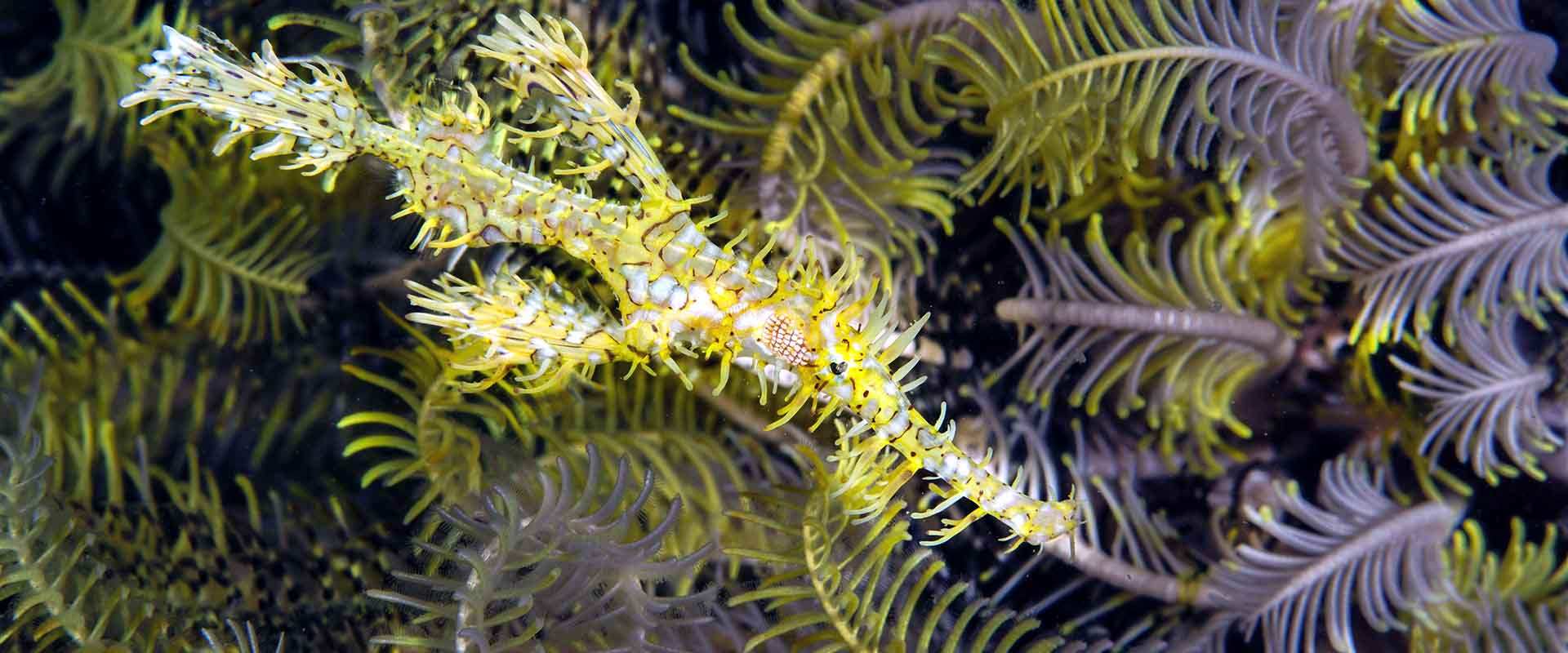
The reefs are known for big pelagic action — schooling trevally, tuna, and reef sharks cruising the current lines — alongside healthy, rarely visited coral. Because so few boats dive here compared to Komodo or Raja Ampat, fish life tends to be noticeably abundant and less skittish. Macro life is present too, though the region's reputation rests more on open-water encounters.

Is Forgotten Islands diving suitable for beginners?

Not really — the currents that make this region so rich in marine life also make it a better fit for divers with solid drift-diving experience. Sites can shift from a gentle drift to a genuine ripping current within minutes. Most itineraries recommend an advanced certification and comfort with negative entries and current hooks.

Where do liveaboards depart from for Forgotten Islands trips?

Most itineraries begin or end in Kupang on West Timor, since it's the nearest airport hub with regular connections to the region's outer islands. Maumere, on Flores, is sometimes used as an alternate embarkation point on longer routes. Either way, reaching the boat typically means a domestic flight followed by a transfer.

What is visibility like in the Forgotten Islands?

Visibility swings widely with the currents that define the region, from a hazy 30 ft (9 m) during heavy upwelling to a clear 80 ft (24 m) or more on calmer days. Sites facing open channels tend to run clearer than those tucked into bays. Divers should expect variability rather than one reliable number.

Are the Forgotten Islands good for underwater photography?

Wide-angle shooters do well here, thanks to the schooling pelagics and dramatic current-swept topography. Macro subjects exist too, but strong currents at many sites make it hard to hold still for close-focus work. Photographers often plan for both setups but prioritize the wide-angle.

What makes the Forgotten Islands different from Komodo or Raja Ampat?

Unlike those better-known regions, the Forgotten Islands see very little dive traffic, so reefs feel genuinely untouched and encounters with big fish feel less staged. There's also no day-boat infrastructure — it's liveaboard-only, which keeps visitor numbers naturally low. The trade-off is a longer, more remote journey with fewer comforts along the way.

Can you experience local village culture in the Forgotten Islands?

Yes — many itineraries build in stops at traditional villages on islands like Lembata and Pantar, where longstanding customs and subsistence fishing traditions persist relatively undisturbed by tourism. These visits are typically brief, guided shore excursions between dives rather than full cultural immersion. It's one of the region's draws for travelers who want more than just underwater time.

Is snorkeling possible in the Forgotten Islands?

Snorkeling is possible at some of the calmer, shallower sites, but the region's signature current-driven dive sites are generally too strong for snorkelers to enjoy safely. Crew typically identify which stops suit snorkelers on a given itinerary. It's best treated as an occasional add-on rather than the main activity.

What should divers know before booking a Forgotten Islands trip?

This is a serious, remote itinerary best suited to experienced divers comfortable with strong, unpredictable currents and cooler water than most of Indonesia offers. There's no land-based alternative — it's liveaboard-only, so trip length and route are fixed once you commit. Packing a thicker wetsuit and a current hook is standard advice for this region.

We’re here to help, 24/7.

Connect with our expert travel consultants to plan your next trip.

  • Nicole Laughlin
  • Andrea Martinez
  • Farah Celada-Benito
  • Mylene Issartial
  • Juliane Ball
  • Ester Canali
  • Nina Kapp