Phnom Penh: Cambodia’s Cultural Crossroads on the Mekong River
Phnom Penh is a premier destination for Mekong River cruises, offering travelers an unparalleled mix of history, culture, and natural beauty. The city serves as a gateway to Southeast Asia's most famous waterways—the Tonle Sap and Mekong rivers, which converge to form an aquatic crossroads rich in life and tradition.
Cruises often begin or end here, allowing passengers to explore the city’s vibrant culture while venturing into the tranquil countryside. From Phnom Penh, cruise itineraries might include stops at charming villages, bustling local markets, and historic temples, showcasing Cambodia’s multifaceted appeal. Popular activities onboard include sampling local Khmer cuisine and learning about the region's history from expert guides. For many, these cruises encapsulate the beauty and complexity of life in Southeast Asia.
The Mekong River: Lifeblood of Cambodia
The Mekong River is often described as the lifeblood of Cambodia, sustaining both the land and its people. Flowing through the heart of the country, it nourishes fertile plains, supports thriving fishing communities, and connects remote villages to bustling cities. Beyond its physical presence, the Mekong shapes Cambodia’s cultural identity—its rhythms echoed in daily life, spiritual traditions, and the vibrant floating markets that drift along its banks.
Other Highlights Along the Mekong
Angkor Ban
Angkor Ban invites travelers to step back in time through its remarkably preserved village, where traditional wooden houses and ancient temples line dusty paths and smiling locals warmly greet visitors. This authentic slice of rural Cambodia offers a rare glimpse into a world untouched by modernity.
Kampong Cham
Further along the Mekong, Kampong Cham enchants with its colonial-era charm, serene monasteries, and the fascinating bamboo bridge that seasonally links the mainland to Koh Paen Island. Here, vibrant markets and peaceful river scenes paint a portrait of everyday Cambodian life.
Kampong Chhnang
In Kampong Chhnang, the river transforms into a bustling floating city, where colorful homes, lively markets, and entire communities drift atop the water. Nearby, the region’s renowned pottery villages reveal centuries-old artisanal traditions, offering a hands-on cultural experience.
Kampong Laeang
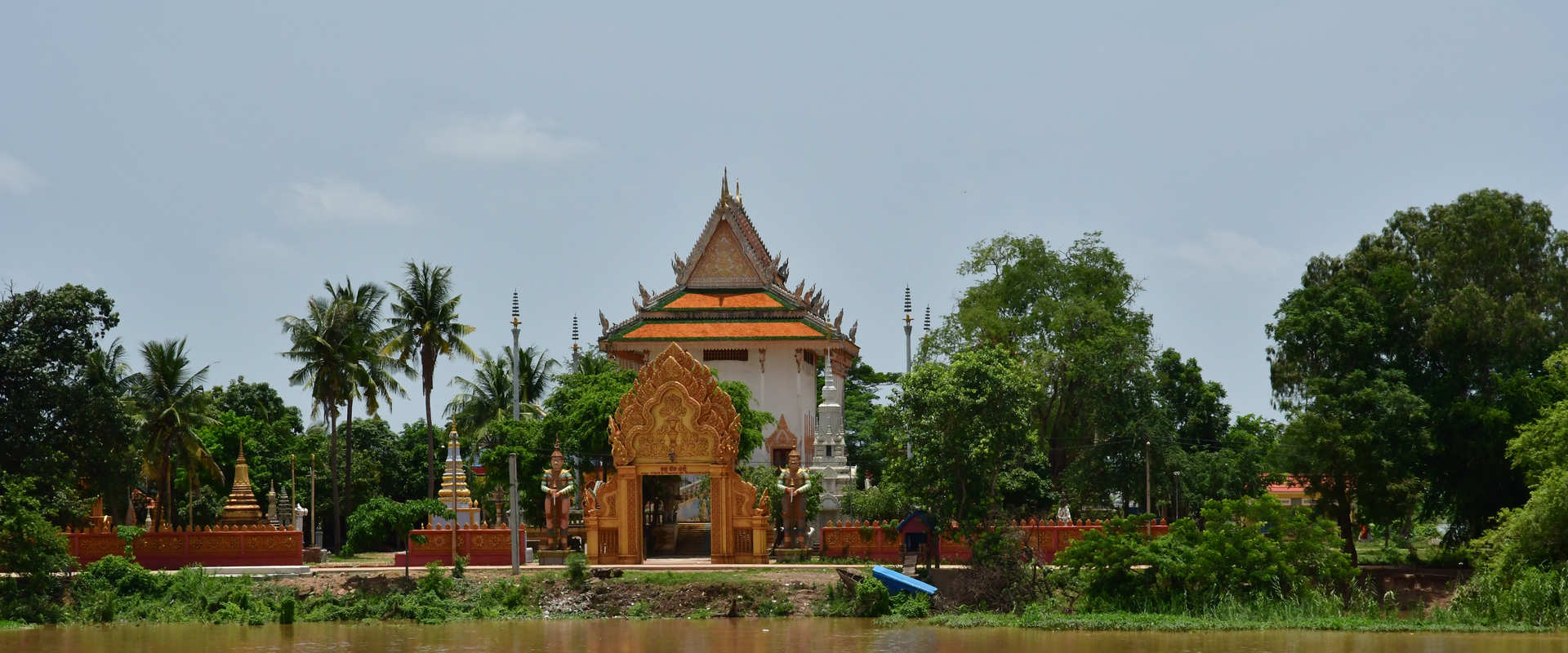
Kampong Laeang offers a peaceful retreat near the Tonlé Sap, where golden pagodas shimmer against a backdrop of lush greenery and the tranquil river. Spiritual serenity and rural beauty merge here, inviting travelers to slow down and savor Cambodia’s contemplative side.
Prek Bangkong
Just beyond the capital, Prek Bangkong reveals a lush countryside dotted with traditional silk weaving communities. Visitors are welcomed into family-run workshops where vibrant textiles come to life, weaving together Cambodia's rich cultural heritage.
Koh Chen
Located within easy reach of Phnom Penh by river, Koh Chen is a quiet village where time-honored silver and copper craftsmanship thrives. A visit here contrasts the capital’s buzz with intimate encounters—watching artisans at work and experiencing life in a traditional riverside community.
Unique Aspects of Cruising the Mekong
Each bend of the Mekong unveils striking contrasts: vibrant cities bursting with life, serene stretches of untouched nature, and sacred relics whispering tales of centuries past. Culinary delights await at every stop, from fragrant amok curries to fresh river prawns. Immersive cultural excursions, from Buddhist blessings to bustling market strolls, enrich every moment of your journey.
Themed and Length-Based Itineraries
Short Cruises (3–5 Days)
Short cruises are ideal for travelers seeking a concentrated taste of Cambodia’s river life. Sail from Phnom Penh to Kampong Cham, stopping at silk villages, floating markets, and ancient temples. These itineraries pack vibrant culture, local flavors, and stunning vistas into just a few unforgettable days.
Medium Cruises (6–9 Days)
Medium-length journeys offer a more immersive experience. Explore Phnom Penh’s Royal Palace and Silver Pagoda, meander through Kampong Chhnang’s floating villages, and venture north to Siem Reap. Days are filled with cultural excursions, while evenings bring serene sunsets over the riverbanks.
Long Cruises (10+ Days)
For the true explorer, longer itineraries unfold the full majesty of the Mekong. Sail from Phnom Penh deep into the heart of Cambodia and onward to Vietnam, tracing the river’s ancient rhythms. Discover Stung Treng’s untouched wilderness, cross into Laos, and experience the mighty Tonlé Sap Lake. Each day brings new wonders and deeper connections.
Special Interest Cruises
- Culinary Cruises: Join local chefs for market visits and hands-on cooking classes that reveal the secrets of Cambodian cuisine.
- Art and History Cruises: Dive deep into Cambodia’s artistic heritage with visits to traditional craft villages, Khmer architectural marvels, and poignant historical sites.
- Festival Cruises: Time your cruise with the Cambodian New Year or the Bon Om Touk Water Festival for dazzling celebrations on and off the water.
Life Onboard: A Floating Sanctuary
Ship Sizes and Ambiance
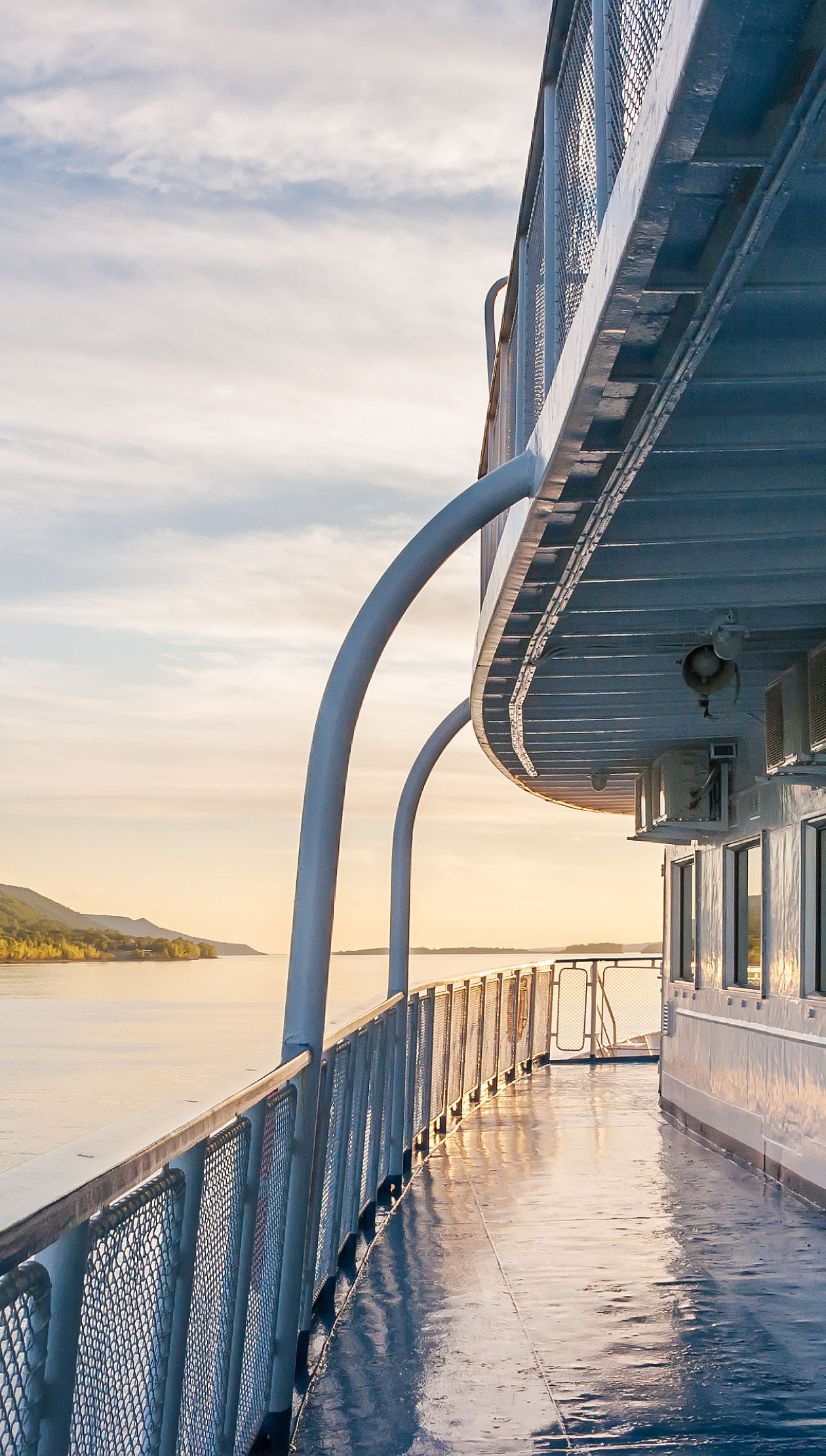
Phnom Penh river cruises typically feature intimate ships designed for 30–60 passengers, offering a boutique, personalized atmosphere. Whether aboard a traditionally styled wooden vessel or a sleek, modern river yacht, every detail reflects comfort and local character.
Cuisine and Wine
Meals aboard your ship are an exquisite journey through Cambodian and international flavors. Expect multi-course dinners featuring fresh Mekong fish, lemongrass-scented dishes, and tropical fruits, paired with fine wines or refreshing cocktails crafted from local ingredients.
Excursions and Enrichment
Daily excursions bring the region’s culture and nature to life. Visit ancient temples, join Buddhist ceremonies, explore artisan markets, and glide through mangrove forests by local sampan. Enrichment lectures and cultural performances onboard deepen your understanding and appreciation of Cambodia’s rich heritage.
Who Will Love These Cruises?
- Couples: Romantic sunsets and private excursions make this an unforgettable escape.
- Families: Educational adventures and welcoming communities create lasting memories.
- Solo Travelers: Intimate ships foster connections and authentic cultural interactions.
- Luxury Seekers: Pampering suites, fine dining, and exclusive experiences cater to refined tastes.
Phnom Penh: Gateway to Timeless Journeys
"Cruising through Phnom Penh and the heart of Cambodia is a journey not just across rivers, but through time, memory, and the vibrant soul of a people. Each sunrise over the Mekong, each smile along the riverbanks, invites you to be part of a story written in the flowing waters of Southeast Asia."
From the golden spires of Phnom Penh to the tranquil reaches of Kampong Tralach, a Mekong river cruise promises an immersive tapestry of discovery, culture, and serene beauty. Book a Phnom Penh River Cruise and set sail on a journey of a lifetime.