Liveaboard.com

Gorontalo Liveaboard Diving

Our customers rated liveaboard diving in Gorontalo as 8.0.

  • 100% Best Price Guarantee

Liveaboard Diving in Gorontalo

What to Expect On a Gorontalo Liveaboard

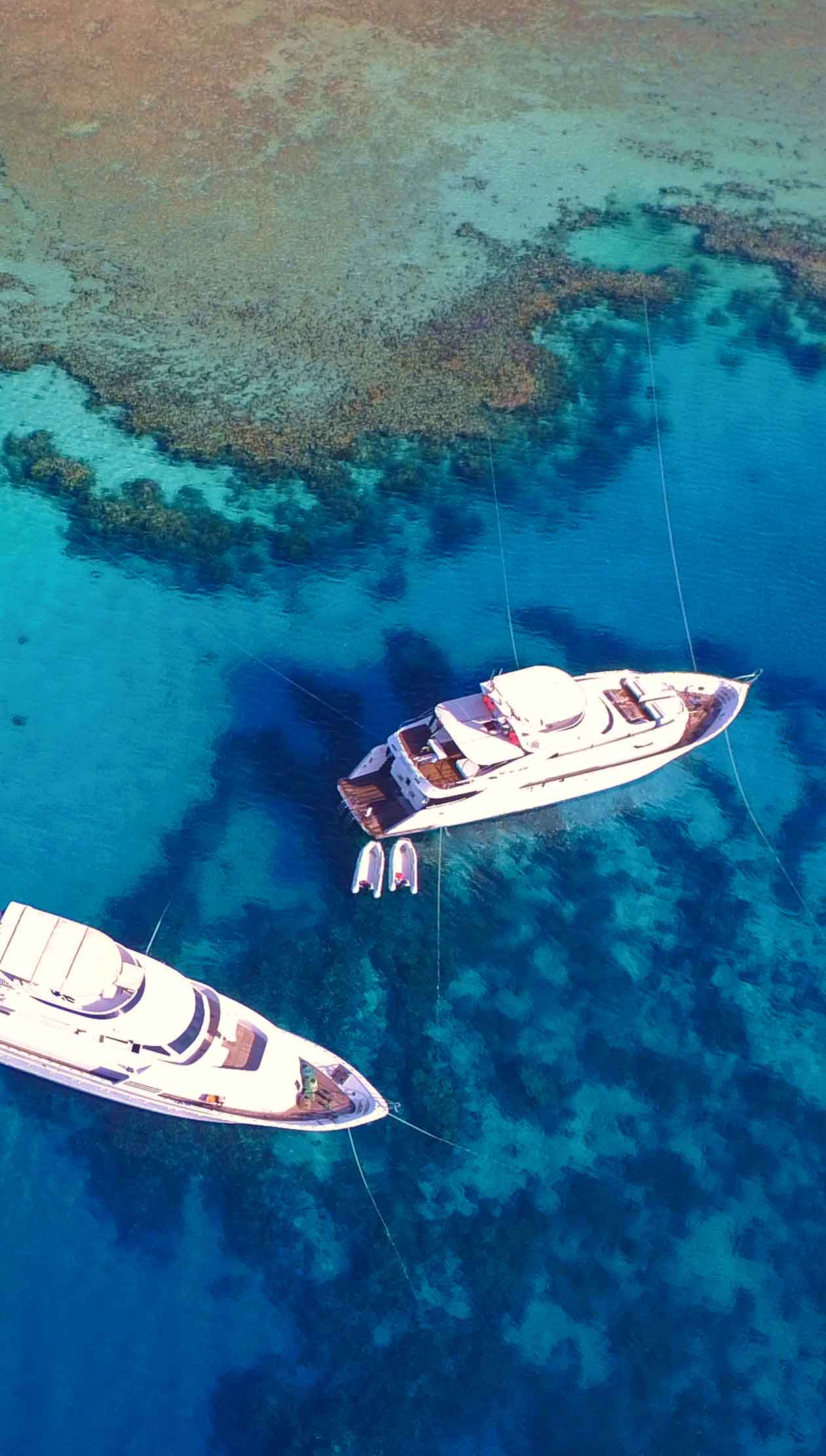
Liveaboards to Gorontalo are able to reach a great many number of sites that are totally inaccessible by day boat. Located on the Northern Sulawesi arm, known as the Minahasa Peninsula, your Gorontalo liveaboard will deliver some spectacular Indonesia diving.

The region was originally formed by volcanic activity, with some volcanoes in Minahasa still active to this day. Thousands of surrounding hectares have been given the status of a Marine National Park, resulting in absolutely pristine conditions in an area that has one of the highest recorded species count on the planet. While sailing on your Gorontalo liveaboard, it is not uncommon to be surrounded by the incredibly elegant bottlenose dolphin, which follows the vessel seemingly effortlessly. They can sometimes even join you during safety stops.

As well as liveaboard diving, Gorontalo is able to offer many historical sites of interest. The Old Town, Taruna Remaja Square, is very popular with locals, displaying various ancient buildings with beautifully preserved carvings. Scattered throughout the region are forts, built by Portuguese sailors, including Otanaha Fortress in Gorontalo that was built in 1522.

Liveaboard diving from Gorontalo

The sheltered nature of the waters that surround this area is very conducive to a high diversity of species and makes liveaboard diving in Gorontalo ideal. The general calmness allows what would normally be considered a deep water species, to be present even on shallow dive sites. Many species are in fact endemic to the region, such as the orange-backed wrasse, sling-jaw wrasse, and Colemanís shrimp (which was only recently discovered and identified as a new species). This provides a fantastic opportunity for divers seeking to cross off certain species from their bucket list, as they might only be found here!

Naturally, there are many sites to choose from on your Gonotalo cruise, and it is normal for several dives to be exploratory dives. However, some of the known sites include Honeycomb, a spectacular wall dive with colourful sponges and pink hydroids. The difficult to spot sailfin goby can also be found here, as well as an impressive 4 of the 7 species of sea turtle.

There are several wrecks here, and certainly a great deal of wrecks have yet to be discovered. One particular wreck, a 165 foot (50 m) Japanese cargo ship crashed into a reef following a fire breakout in the engine compartment. An attempt was made to run the ship aground to save the cargo, but the shallow reef scuppered the ship and all her cargo was lost. Despite this, the hull remains in fairly good condition, albeit upside down, lying at a depth between 85 and 154 feet (26 to 47 m). The wreck is now home to many crustaceans, dotted in between the sea fans and whips that cover the hull. Very big starfish are common here, as are large shoals of bright blue and orange anthias.

Getting To Gorontalo

Reaching Gorontalo is relatively straightforward compared to other liveaboard destinations in Indonesia. The most common way to reach Gorontalo is to catch a flight that connects via Singapore. Singapore offers many flights every day to many of Indonesiaís most isolated regions. From here, a flight to Sam Ratulangi Manado International Airport should be caught, and finally a one hour flight to Jalaluddin Airport in Gorontalo.



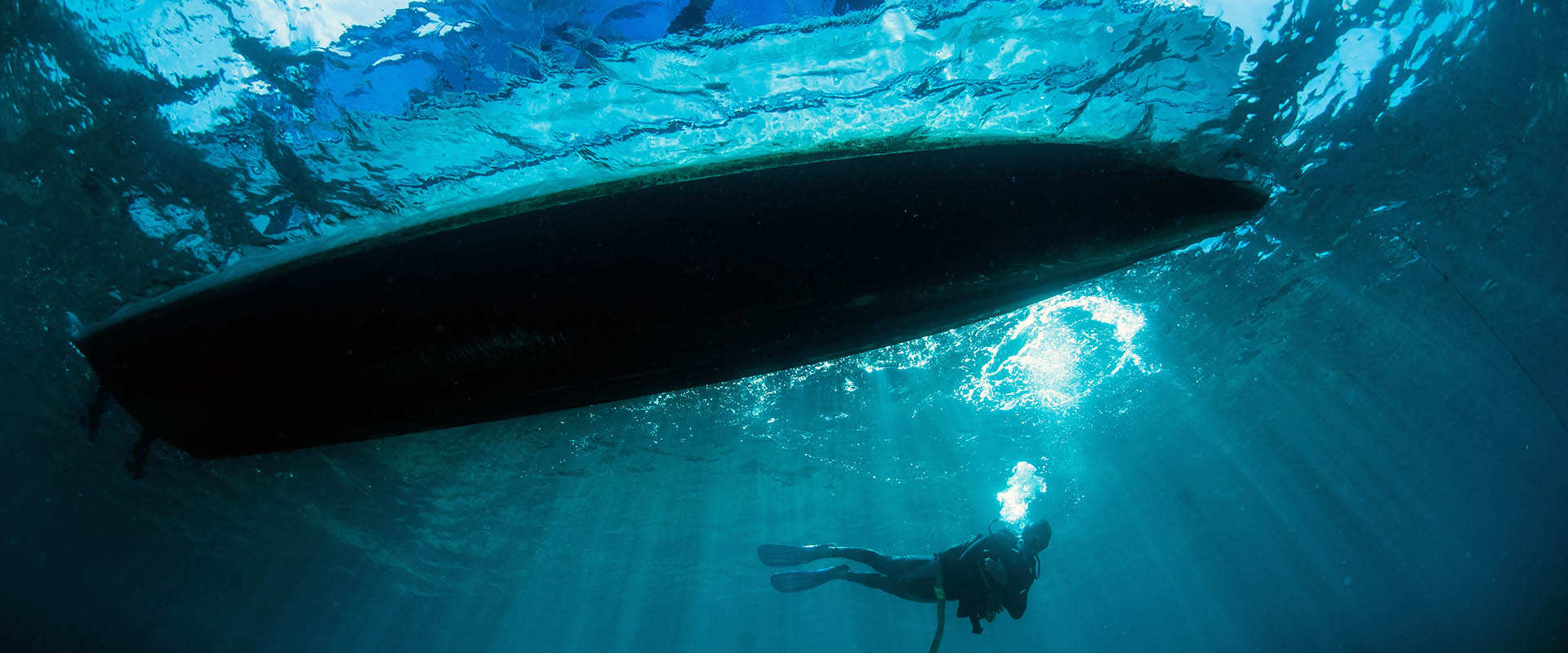
The plunging walls of Gorontalo are home to an astonishing array of rare and unique marine life.


What to know about diving in Gorontalo

Where is Gorontalo?

Gorontalo is a province and city on the northern peninsula of Sulawesi, Indonesia, positioned between the popular dive hubs of Manado/Bunaken and the Togian Islands. It's less visited than its neighbors but offers muck diving and seasonal whale shark sightings at nearby Bolihutuo.

Can you see whale sharks in Gorontalo?

Yes — whale sharks are seasonally sighted off Gorontalo's coast, particularly near Bolihutuo, drawn by baitfish activity similar to other Indonesian whale shark sites. Sightings aren't guaranteed on any given trip, so checking recent local reports before planning a visit is worthwhile (as of 2026).

Are there flights to Gorontalo?

Yes — Gorontalo has its own airport (Djalaluddin Airport) with domestic connections to Jakarta, Makassar, and other Indonesian hubs, making it a reasonably accessible, though lesser-visited, dive destination. Flight frequency is lower than to Manado, so schedules should be checked in advance (as of 2026).

What kind of diving is Gorontalo known for besides whale sharks?

Beyond its seasonal whale shark encounters, Gorontalo is increasingly known for muck diving on its dark sandy slopes, where patient divers turn up unusual small critters rather than dramatic reefscapes. It sits on Sulawesi's northern peninsula, giving it a similar volcanic-sand habitat to better-known muck sites elsewhere in the region. The overall profile is quieter and far less crowded than Sulawesi's headline destinations.

What is muck diving like in Gorontalo?

Muck diving here means slow, methodical searches across sandy or silty bottoms rather than colorful reef swims, rewarding divers who move carefully and look closely. It's the kind of diving that favors a sharp-eyed guide and a macro lens over wide-angle ambitions. Because Gorontalo sees relatively few visiting divers, muck sites tend to feel undisturbed.

What is Bolihutuo known for?

Bolihutuo is the specific stretch of Gorontalo's coast most associated with seasonal whale shark sightings, where the big fish gather in numbers that draw dedicated dive trips. It's a smaller, more local-feeling scene than famous whale shark sites elsewhere in Indonesia. Timing a visit around the season is essential to actually see them (as of 2026).

What other marine life can you see while diving in Gorontalo?

Alongside whale sharks and muck-diving critters, divers can expect healthy reef fish populations, macro life like nudibranchs and shrimp, and occasional pelagic passes along the current-exposed points. The mix leans toward variety rather than a single headline species. It rewards divers willing to look at both the big picture and the fine details.

What is the best time of year to dive in Gorontalo?

Indonesia's broader dry season, roughly April through October, generally offers the calmest conditions for diving around Gorontalo (as of 2026). Whale shark sightings follow their own seasonal pattern tied to local fishing activity rather than the dry-season calendar, so it's worth checking the current timing separately. Overall, trip planning benefits from combining both factors.

What is the water temperature like in Gorontalo?

Water temperature runs warm year-round, generally in the 79–86°F (26–30°C) range typical of northern Sulawesi. A 3mm wetsuit is usually plenty for most divers. Conditions stay fairly consistent compared to the more current-affected upwelling zones further south and east in Indonesia.

Is Gorontalo diving suitable for beginners?

Much of Gorontalo's muck diving is gentle and beginner-friendly, since it takes place on sheltered sandy slopes rather than strong-current reefs. Whale shark encounters, when conditions allow, are typically done from the surface with snorkel gear rather than requiring advanced diving skills. It's a relatively approachable destination compared to Indonesia's more current-driven dive regions.

How does Gorontalo compare to Lembeh Strait or Bunaken for diving?

Gorontalo shares Lembeh's muck-diving style but on a much smaller, less-developed scale, and it lacks Bunaken's dramatic wall dives entirely. What sets it apart is the added draw of seasonal whale sharks, a species neither of those better-known North Sulawesi destinations reliably offers. It's a quieter alternative for divers who've already done the region's bigger names.

What non-diving activities are there in Gorontalo?

Gorontalo offers a mellow, small-city pace with local markets and a coastline that's still relatively undiscovered by mass tourism. It serves primarily as a base for diving and whale shark trips rather than as a major sightseeing hub in its own right. Travelers typically treat time on land here as downtime between water activities.

Can you dive Gorontalo as a day trip or do you need a liveaboard?

Gorontalo's dive sites, including the whale shark grounds at Bolihutuo, are generally accessible as day trips from town rather than requiring a liveaboard. This makes it a more flexible, land-based option compared to remote liveaboard-only destinations elsewhere in Indonesia. It suits travelers who prefer a home base over a moving boat.

Is snorkeling possible in Gorontalo?

Snorkeling is not only possible but often the preferred way to encounter Gorontalo's whale sharks, since the animals are typically found near the surface around fishing platforms. Reef snorkeling is more limited given the area's muck-diving emphasis, but it's a worthwhile add-on. It's an accessible option for non-divers traveling with a dive group.

We’re here to help, 24/7.

Connect with our expert travel consultants to plan your next trip.

  • Oksana Kovaleva
  • Nina Kapp
  • Nicole Laughlin
  • Josue Zarco
  • Juliane Ball
  • Andrea Martinez
  • Farah Celada-Benito