Liveaboard.com

Kaimana Liveaboard Diving

Our customers rated liveaboard diving in Kaimana as 9.5.

  • 100% Best Price Guarantee

Liveaboard Diving in Kaimana

What to Expect On a Kaimana Liveaboard

Liveaboard diving in Kaimana allows divers to dive into unspoiled waters in Indonesia. Kaimana is a small port town in West Papua, Indonesia, and is the capital of the Kaimana Regency. This remote area of Indonesia is surrounded by 6000 km2 of pristine Marine National Park, offering Kaimana liveaboard cruises the opportunity to discover and explore new sites and species that have yet to be identified.

This ocean area is close to the famously prolific Raja Ampat diving region. From the few dives undertaken here, Kaimana seems just as diverse and productive regarding species count and outstanding natural beauty.

Liveaboard diving from Kaimana

Dive cruises that venture to the Kaimana regions are, for the most part, venturing into uncharted waters. Many possible liveaboard itineraries, including visits to the Moluccas or even the Forgotten Islands, can be dived. Triton Bay will almost certainly be on the itinerary of any Kaimana liveaboard vessel that sails here.

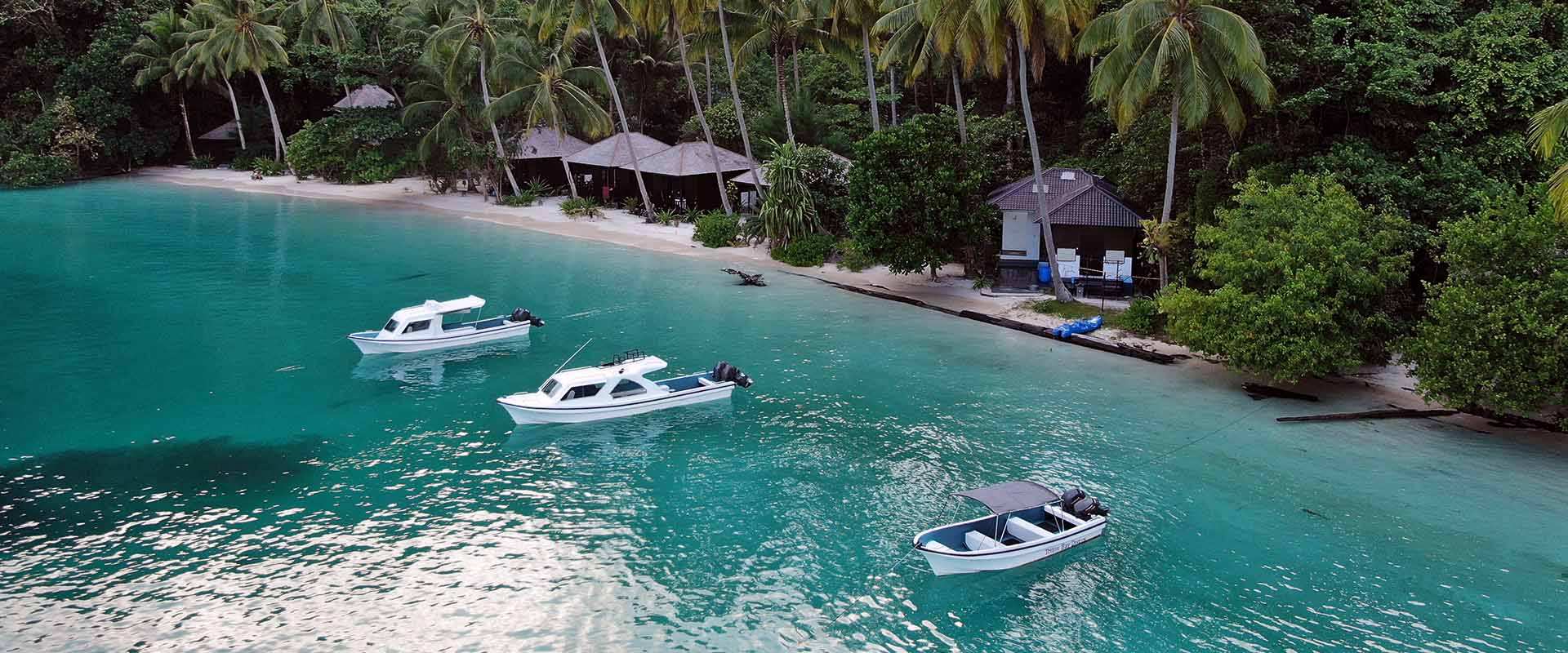
Triton Bay is a small harbor town in the eastern Kaimana region. This area is growing in reputation for the exceptionally healthy diving on offer here. The underwater terrain is rocky, with plenty of seamounts that attract large shoals of fish. The rocks are encrusted with soft coral gardens that attract an incredible variety of species. Macro species are quite abundant in Triton Bay, which has attracted larger pelagic fish.

SCUBA diving in the Kai Islands of Indonesia, situated in the southeastern part of the Moluccas, is also possible. These islands are located on the edge of the Coral Triangle, where species diversity has been recorded to be higher than anywhere else in the world. Different reef systems include barrier reefs, patch reefs, and fringing reefs. Many liveaboard dives to this area are wall dives, assisted by currents of varying strength. For some, the conditions are ideal for an adrenaline-filled drift dive in the stronger currents.

Large pelagic species are drawn to these areas by the nutrients carried by the currents. Several whale species have been spotted in these waters, including Brydeís whales. These whales are rorquals, and it is not yet known exactly how many species there are. They form the largest species of the Baleen family, alongside blue whales and humpback whales. Of the known species, you can find the common Brydeís whale and the slightly smaller Edenís whale. They can measure from 40 to 50 feet (12 to 15 m) and weigh up to 25 metric tons.

Getting To Kaimana

Reaching your Kaimana liveaboard usually entails a few short-haul flights from several locations in Indonesia. It is one of the few places on Earth where we can feel like pioneers and explore. Kaimana has its own airport, Utarum, that can be reached from Ambon Airport. To reach Ambon, first head to Jakarta via Soekarno Hatta International Airport. It is more common to see direct flights from international destinations, although most long-haul flights will connect via Singapore. From Jakarta, it is possible to fly directly to Ambon, and flights to this destination are available daily. Garuda Airlines operates many routes in the area and is rated internationally as the safest airline.


Kaimana Diving Reviews

  • Rating 9.5 out of 10
  • 9.5 Exceptional
  • Rating 9.6 out of 10
  • 9.6 Exceptional
  • Neal R
  • Flag of United StatesUnited States

Entrance to Triton Bay and the starting point for this cruise, but otherwise there's nothing there and no reason to visit.

Diving Kaimana in November on the Damai I
  • Rating 10.0 out of 10
  • 10.0 Exceptional
  • sun min L
  • Flag of United StatesUnited States

The whale shark diving here was epic. The only other contact was for the departure flight. The town seems very clean and full of colorfully painted houses. Not overcrowded. Road in good condition. I was impressed.

Diving Kaimana in October on the Mari
  • Rating 8.8 out of 10
  • 8.8 Fabulous
  • Alexander H
  • Flag of GermanyGermany

Riesiges Glück mit gleich zwei Walhaien und einmal mit vielen Delfinen (die Delfine werden neugieriger).

Diving Kaimana in October on the Aurora


What to know about diving in Kaimana

Where is Kaimana located in Indonesia?

Kaimana is a regency in West Papua province, on the southwestern coast of the Bird's Head Peninsula. It serves as the main gateway to Triton Bay, one of the region's standout dive destinations. Reaching it typically involves a flight into a regional hub followed by a boat transfer.

What is Kaimana best known for among divers?

Kaimana is best known as the access point for Triton Bay, whose reefs were found to hold exceptional biodiversity in a landmark Conservation International survey. It offers a calmer, less current-driven alternative to the diving found further north in Raja Ampat. The region remains far less visited than Indonesia's better-known dive destinations.

What is Triton Bay and how is it connected to Kaimana?

Triton Bay is the body of water within the Kaimana Regency where the area's most celebrated diving takes place, encompassing coral-rich reefs surveyed by Conservation International in 2006. Kaimana functions as the logistical gateway — flights and boat transfers into the region typically route through it. The bay itself is the destination; Kaimana is the doorway.

How do you get to Kaimana?

Getting to Kaimana generally means flying into a regional airport in West Papua, then continuing by boat into Triton Bay itself. It's a multi-leg journey due to the region's remoteness, with limited direct connections from major Indonesian cities. Most dive trips build in buffer time for these transfers.

What makes Kaimana's reefs so biodiverse?

A 2006 Conservation International survey recorded exceptional coral and fish biodiversity in Triton Bay, placing it among the standout sites within Papua's already biodiverse waters. Its position within the broader Bird's Head Seascape, at the convergence of major currents, helps explain the concentration of species found there. The result is reef life that rivals or exceeds that of many more famous Indonesian destinations.

How does diving in Kaimana compare to Raja Ampat?

Kaimana's Triton Bay generally offers calmer water than Raja Ampat's often current-swept channels, making it a somewhat gentler diving experience despite similarly high biodiversity. It also sees far fewer visitors, so reefs and encounters can feel less crowded. Divers looking for Raja Ampat-level richness with less current intensity often gravitate toward Kaimana.

What marine life can you see while diving in Kaimana?

Triton Bay's reefs support a dense mix of coral and reef fish species, alongside more unusual sightings like walking (epaulet) sharks that move across the seafloor using their fins. The area's biodiversity surveys documented species counts among the highest recorded in the region. It's a destination that rewards divers who enjoy spotting both abundant reef life and unusual specialists.

Can you see walking sharks near Kaimana?

Yes — walking, or epaulet, sharks are one of Triton Bay's signature sightings, known for using their fins to "walk" across the reef and shallows rather than swim in open water. They're most often spotted at night or during shallow reef dives. It's one of the more distinctive marine behaviors that divers travel to this region specifically to see.

What is the best time of year to dive Kaimana?

Indonesia's dry season, roughly April through October, generally offers the calmest conditions for diving in the Kaimana region (as of 2026). Because Triton Bay is already calmer than more current-exposed destinations, the seasonal window matters somewhat less here than elsewhere in Papua. Trip planning still benefits from targeting the drier months when possible.

What is the water temperature like around Kaimana?

Water temperature in the Kaimana area generally falls within Indonesia's typical range of 79–86°F (26–30°C). A 3mm wetsuit is usually sufficient for most divers. Conditions stay comparatively stable given the bay's calmer, more sheltered nature.

Is Kaimana suitable for beginner divers?

Kaimana's generally calmer water makes it more approachable than current-heavy destinations like Raja Ampat's channels, though its remoteness still means divers should be self-sufficient and comfortable in open water. It's not marketed as a beginner destination so much as a less physically demanding option within Papua. Most visitors arrive with some prior diving experience regardless.

What accommodation options are there in Kaimana?

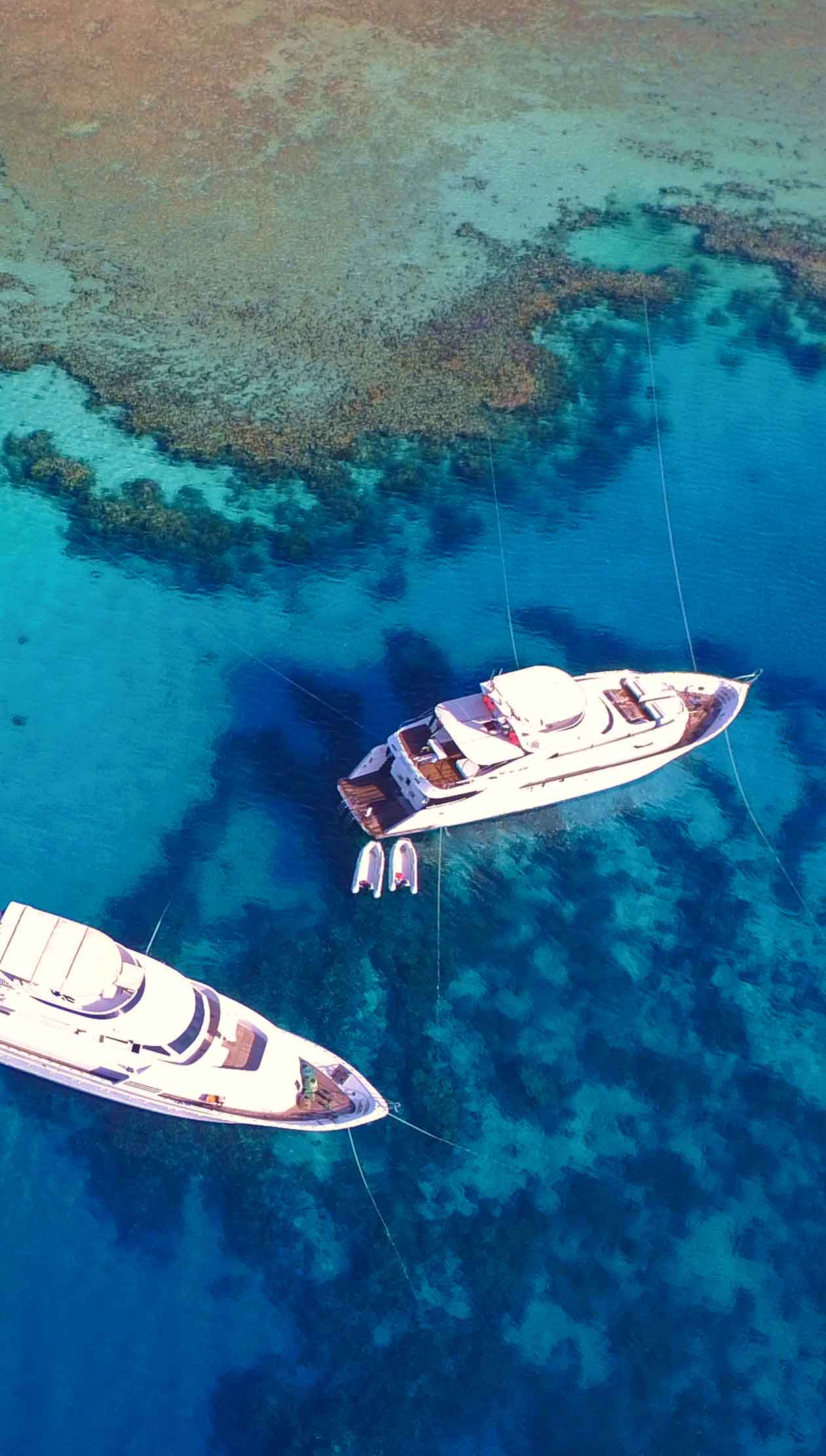
Accommodation around Kaimana is limited compared to Indonesia's more developed dive hubs, with most divers experiencing the region via liveaboard rather than land-based resorts. This reflects the area's overall remoteness and lower visitor numbers. Travelers should expect a more expedition-style trip than a resort-based one.
What non-diving activities are there in Kaimana?

Kaimana's main draw is its underwater world, but its coastal scenery and limestone karst formations offer worthwhile above-water views for those with time between dives. The region's remoteness means organized land-based tourism is minimal compared to Raja Ampat or Bali. Most visitors treat surface intervals as downtime rather than a chance for extensive sightseeing.

Is Kaimana a good stop on a liveaboard itinerary?

Yes — Kaimana and Triton Bay are commonly included on longer liveaboard routes through Papua, often combined with Raja Ampat for divers who want to experience both of the region's biodiversity hotspots. Its calmer conditions make for a nice contrast to Raja Ampat's stronger currents on the same trip. It's typically one leg of a broader Papua expedition rather than a standalone destination.

What should divers know before visiting Kaimana for the first time?

Expect a remote, expedition-style trip with limited infrastructure, calmer diving conditions than in much of Papua, and exceptional reef biodiversity as the payoff. Most access runs through liveaboards rather than land-based resorts, so trip planning should follow that model. It rewards divers seeking something quieter and less crowded than Indonesia's headline dive destinations.

We’re here to help, 24/7.

Connect with our expert travel consultants to plan your next trip.

  • Farah Celada-Benito
  • Nicole Laughlin
  • Juliane Ball
  • Andrea Martinez
  • Oksana Kovaleva
  • Josue Zarco
  • Nina Kapp