Liveaboard.com

Gordon Reef Liveaboard Diving

Our customers rated liveaboard diving in Gordon Reef as 9.2.

  • 100% Best Price Guarantee

Liveaboard Diving in Gordon Reef

What To Expect On A Gordon Reef Liveaboard

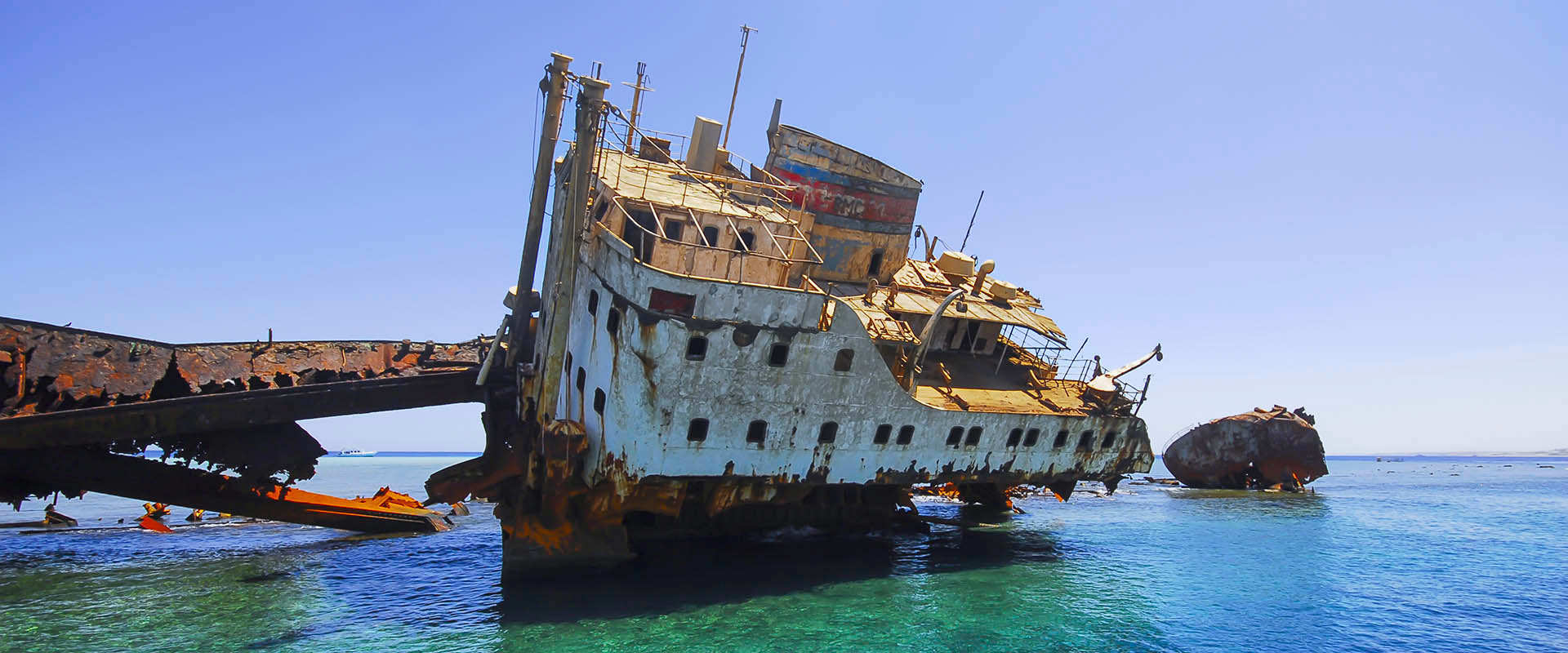
Liveaboards to Gordon Reef, in the Straits Of Tiran, Egypt, will usually incorporate diving here on a Northern Red Sea itinerary. Much like Jackson Reef to the north, Gordon Reef can be located by a large wreck, this time the Louilla, a Panamanian cargo ship who ran aground in September 1981. Gordon Reef is situated squarely in the middle of the Straits of Tiran, the channel of sea that separates the Gulf of Aqaba from the famed Red Sea.

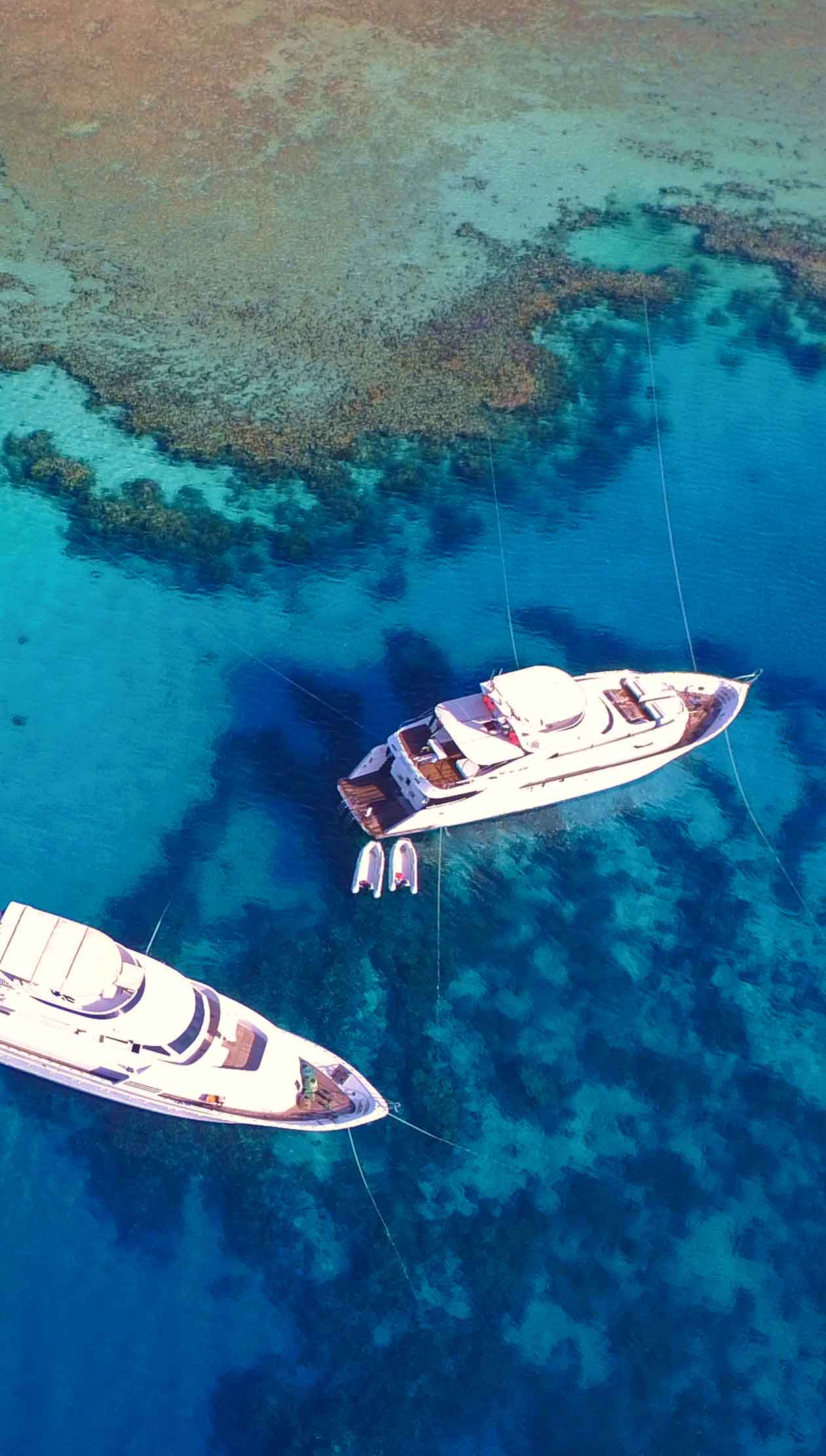
Similarly to Jackson Reef, a permanent mooring for liveaboard vessels can be found near a light beacon to the south, sheltered from prevailing winds and therefore the waves. This provides a very safe point from which to descend, and is also a suitable site for snorkelling. To the west of Gordon Reef lies an extremely deep channel, aiding navigation for the handful of large ships that use the Straits of Tiran.

What you can see

Liveaboard diving at Gordon Reef is perfect for those seeking a wide variety of species from great, big hammerhead sharks to tiny, brilliantly coloured nudibranchs. The very same feature also lends itself as an ideal reef for someone looking to refine their photography skills. There will be ample opportunity to take anything from high detailed macro shots, to landscape shots of fantastically vibrant coral gardens, with the occasional shark wondering into view! All this is made possible by having great visibility, upwards of 65 feet (20 m).

Upon descent, you will land close to The Amphitheatre at around 75 feet (23 m); a sandy depression thatís very often occupied by sharks who use the sheltered spot as a place to rest. Oceanic whitetip sharks, hammerhead sharks and even spotted eagle rays can be seen here.

Drifting to the west at a maximum depth of 115 feet (35 m), youíll swim along the Drop-off, beyond which is a sheer-vertical wall that descends to around 623 feet (190 m). As far as the eye can see, the wall is covered with huge, purple sea fans, complex branching fire corals, and shrub-like black corals, attracting an assortment of pelagic species, enticed by the prolific numbers of smaller reef fish.

Drifting northwards, further around the island, the depth begins to shallow over an area known as Barrels. Large metal drums have created an artificial reef in depths ranging from 65 feet (20 m) just beyond the Drop-off zone, to 33 feet (10 m) towards the northern Sandy Plateau. This reef attracts many other exciting species such as octopus and several varieties of moray eel, including giant moray eels, the beautiful, white snowflake eel and gold edged eels. Large schools of bannerfish, triggerfish, surgeon fish, and crown butterfly fish can also be seen, along with well-hidden scorpionfish and pairs of Red Sea clownfish defending their associated anemone. The incredibly large humphead wrasse, one of the largest reef fish in the world, can also be found swimming among several kinds of angelfish, parrotfish and sabre squirrelfish, the largest of the squirrelfish species.

The dive is often turned before reaching the eastern point to avoid any danger with strong currents, which brings you over the Sandy Plateau at 33 feet (10 m). This often gives people a truly satisfying end to a dive, with slightly warmer water, and a fantastic light show created by the rippling sea. Inquisitive green sea turtles can sometimes be found here, feeding on sea grass and algae brought by the currents, who sometimes follow the group all the way to the boat.

Getting there

Getting to Gordon Reef is possible by Egyptian liveaboard which deliver a more leisurely voyage to The Straits of Tiran; the bigger liveaboards providing a smoother journey on what can be choppy water. Boats tend to set off from either Sharm el Sheikh or Hurghada. Conveniently, both ports are located within a stoneís throw from Sharm el Sheikh International Airport and Hurghada International Airport respectively.


With a host of large and small marine life, a Gordon Reef liveaboard has it all. The wreck of the Louilla, critters such as nudibranchs, shrimp, octopuses, a variety of eels and large schools of fish can be seen when diving on the reefs and, occasionally, oceanic whitetips and hammerheads sharks.


Gordon Reef Diving Reviews

  • Rating 9.2 out of 10
  • 9.2 Superb
  • Rating 9.6 out of 10
  • 9.6 Exceptional
  • James N
  • Flag of United StatesUnited States

Dives off of Sharm al sheik: you sidle the boat up next to the reefs and jump off the back. You can even snorkel between dives because of the clear shallow water. Beautiful to see - coral and sandy bottom with typical marine life that is abundant. Made for a nice night dive.

Diving Gordon Reef in July on the Sea Serpent Contessa
  • Rating 8.4 out of 10
  • 8.4 Very good
  • Corey B
  • Flag of United StatesUnited States

Great day and night reef dives full of marine life

Diving Gordon Reef in August on the Snefro Love
  • Rating 9.2 out of 10
  • 9.2 Superb
  • david R
  • Flag of United StatesUnited States

Life was abundant. Saw a huge turtle.

Diving Gordon Reef in June on the Sea Serpent Excellence
  • Rating 9.6 out of 10
  • 9.6 Exceptional
  • JOSIP-SLAVEN D
  • Flag of CroatiaCroatia

A very scenic and accessible reef with plenty of fish life and beautiful light conditions. An excellent final dive area that combines relaxed diving with classic Red Sea reef scenery.

Diving Gordon Reef in April on the Ocean Lovers


What to know about diving in Gordon Reef

What is Gordon Reef known for?

Gordon Reef is one of four reefs strung across the Straits of Tiran and is best known for two things: a shallow, current-swept coral garden on its plateau, and the wreck of the Loullia, a cargo ship that ran aground on the reef's northern flat in 1981 and is still visible breaking the surface. It's often described as the most approachable of the Tiran reefs, making it a good introduction to strait diving.

How deep is Gordon Reef and what's a typical dive profile?

The reef centers on a shallow plateau running roughly 33-82 ft (10-25 m) wide, with drop-offs fanning out from the middle to depths past 98 ft (30 m) along the outer edges. Dives usually work the plateau and its edges, with a more sheltered lagoon-like area around 33-40 ft (10-12 m) often used for the safety stop or a calmer second half of the dive.

What's the current like at Gordon Reef - is it a drift dive?

The Straits of Tiran funnel a strong tidal exchange between the Gulf of Aqaba and the open Red Sea, so current is a fact of life here, and dives are typically planned as drifts. Gordon Reef sits at the southern end of the strait and is generally considered the calmest of the four reefs, but the current can still sweep across the plateau on a big tide, so it's not to be underestimated.

What certification level or experience do you need?

Gordon Reef is usually rated the easiest of the Tiran reefs and is a reasonable option for divers with modest drift experience, but the strait's currents mean it still isn't a true beginner site - most guides want divers comfortable with drift diving and reasonable buoyancy control. A shallower, more sheltered plan is typically briefed if conditions or the group's experience call for it.

What marine life will I likely see?

The plateau is home to garden eels swaying in colonies over the sand, plus octopus, peppered and yellow-edged moray eels, and Napoleon wrasse cruising the coral heads. Eagle rays and whitetip reef sharks are regular sightings, and the deeper edges pull in passing barracuda, jackfish, and tuna, with hammerheads occasionally moving through the strait as well.

Tell me about the Loullia wreck - what is it and how did it get there?

The Loullia was a Panamanian-flagged cargo ship that ran aground on the northern edge of Gordon Reef's flat in 1981 and was never salvaged. Decades of sun, waves, and salt have broken the hull down considerably, so it's less an intact wreck dive than a rusting landmark; part of it still sits above the waterline as a navigational warning, and the underwater debris and cables around it host their own small ecosystem worth a slow look.

When is the best time of year to dive Gordon Reef?

Summer generally brings calmer sea conditions and warmer water, and it's also the more reliable window for hammerhead sightings in the strait, roughly July through September. Because the Straits of Tiran are more exposed than the sheltered bays near Sharm El Sheik, sea state and wind matter as much as season, and some days simply get called off regardless of time of year.

Is Gordon Reef accessible by day boat or liveaboard only?

Both, and it's actually the closest of the Tiran reefs to Sharm El Sheik, only around 9 miles (14 km) away, so it's a regular day-boat destination as well as a common liveaboard stop, often paired with one of the other three Tiran reefs on the same day.

What's the water temperature like?

Water temperature in the Straits of Tiran runs from around 72°F (22°C) in February up to about 82°F (28°C) in August, similar to the rest of the northern Red Sea. A wetsuit in the 3-5 mm range covers most of the year comfortably, leaning toward the thicker end for winter trips.

Is Gordon Reef suitable for beginners, or is it advanced-only?

It's the most forgiving of the four Tiran reefs and can work for less experienced divers on a calm day, but it's still open water exposed to real tidal current, so it suits divers who've already got a handful of dives and some drift experience rather than an absolute first-timer.

Are there any specific hazards or safety notes for Gordon Reef?

Currently, sweeping across the shallow plateau is the main thing to watch, since it can pick up quickly and push divers toward open water or the reef's edges. The Loullia wreck's rusted metal and cable debris are best observed rather than touched, and because the strait is a shipping channel, surface awareness and staying close to the boat's marker matter more here than on a sheltered inshore reef.

Is there an entrance or diving fee for Gordon Reef?

Yes - diving the Straits of Tiran carries a marine park and island access fee, separate from the standalone Ras Mohammed park fee, generally in the range of roughly $15-20 per diver as of 2026. As with Ras Mohammed, this is almost always included in the price quoted for your day boat or liveaboard, rather than being paid separately on the day.

We’re here to help, 24/7.

Connect with our expert travel consultants to plan your next trip.

  • Juliane Ball
  • Farah Celada-Benito
  • Oksana Kovaleva
  • Andrea Martinez
  • Nina Kapp
  • Mylene Issartial
  • Josue Zarco