Liveaboard.com

Papua Liveaboard Diving

Our customers rated liveaboard diving in Papua as 9.4.

  • 100% Best Price Guarantee

Liveaboard Diving in Papua

What to expect On a Papua Liveaboard

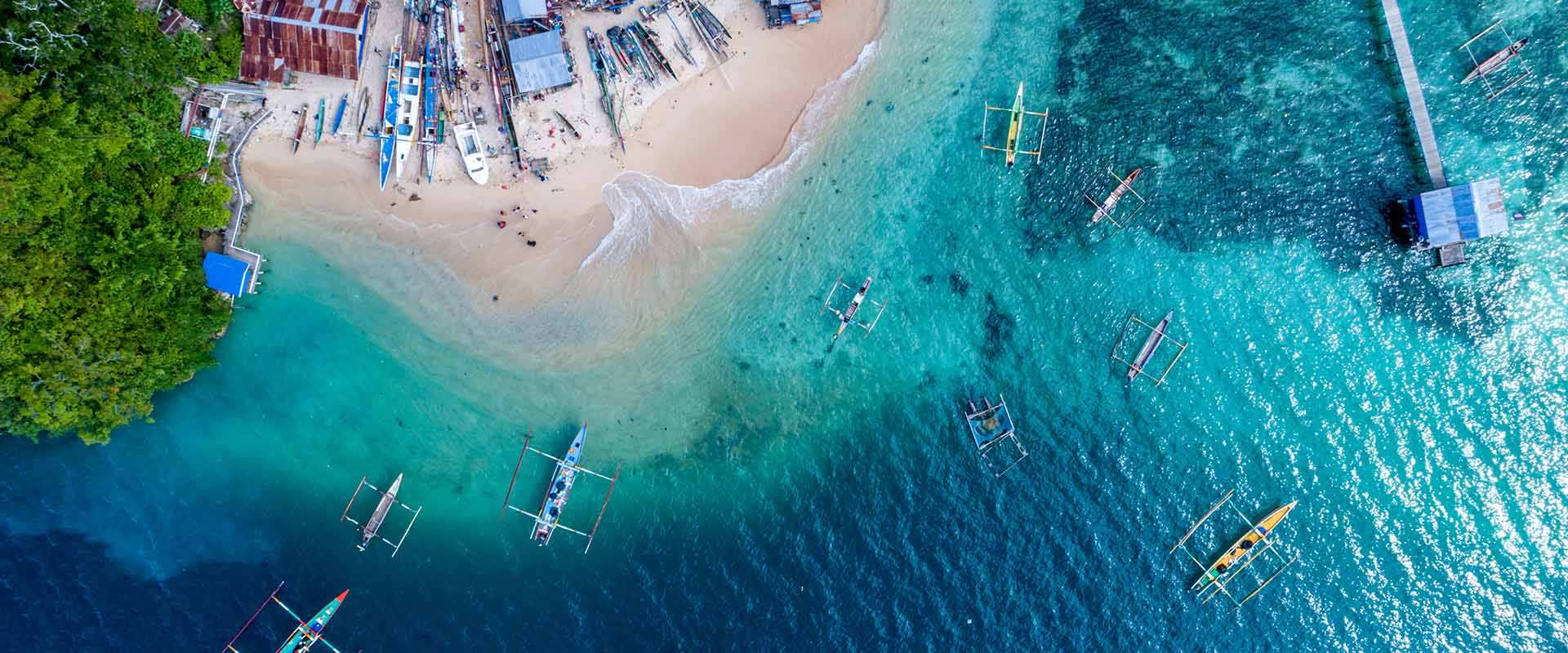
Liveaboard diving in Papua is the best and most popular way to dive in this remote region. Papua is still a frontier destination for diving tourism, with hundreds of dive sites spread across inhabited and uninhabited peninsula areas. Sitting on the deck of an Indonesian liveaboard in Papua, especially in the Raja Ampat islands, you will feel at the world's edge.

The Bird’s Head peninsula in Papua is well known for its fascinating traditional indigenous villages and spectacular wildlife. The rainforests in Papua are home to numerous protected areas with rare bird life and flora. Due to the lack of human interference, several very rare animals live here.

The waters around Papua are as wild and tranquil as the rest of the place. They are home to reefs of spectacularly raw beauty and huge marine mammals in surprising quantity. The isolated nature and the sheer number of dive sites also mean that you will often find few other divers around, to be expected when you are so far off the beaten track. What to expect from a liveaboard in Papua? Something a bit special and a little bit ‘out there.’

Papua Underwater

For those in the know, diving in Papua immediately brings the Raja Ampat islands to mind. The area in the coral triangle is the most marine diverse place in the world, with more than a thousand species of fish living there. There are also stunning reefs, home to more than five hundred types of soft and hard corals. If that isn’t enough, there are plenty of pelagics to dive with, mantas being the premier attraction.

Liveaboard diving in Papua isn’t all Raja Ampat, though; West Papua and the huge Cenderawasih Bay hold a lot of attractions for divers too. Fishing activity and its associated superstitions have led to an interesting relationship between the locals and marine life. In Cenderawasih, it is not unusual to see locals offering up a free lunch to whale sharks which they believe to be a sign of good fortune.

Dive sites of West Papua

Nicknamed the Four Kings, the Raja Ampat islands are the jewel in the crown of Papua’s dive sites. The diving around this beautiful archipelago is spectacular. Dive sites at Misool and Batanta offer fantastic reefs and great muck diving. At Misool, there are numerous types of sharks too, everything from white-tipped reef sharks to the ‘walking shark,’ the epaulet shark, and wobbegongs. The sites with high currents, such as Waigeo and the Dampier Strait, are also home to manta rays which enjoy feeding on plankton-rich waters brought by deep currents.

On the main peninsula, the Bay of Cenderawasih has some spectacular sights. Here the fishing platforms scattered around the bay act as a diner for larger marine animals. Whale sharks can be seen in groups feeding on the baitfish thrown to them. Dolphins and turtles are also ‘bought off’ with baitfish to keep them away from the main catch. Diving liveaboards in this area tend to drop divers beside the fishing platforms right in the heart of the action.

Top Tips for Divers

  • Papua has the main city Sorong but facilities are limited, so bring spares of anything necessary.
  • Bring extra thermal protection; the currents in Raja Ampat can be strong and colder than in other areas.
  • Raja Ampat is now a marine reserve, so a pass must be bought in Sorong before you can visit them.

Getting to Papua

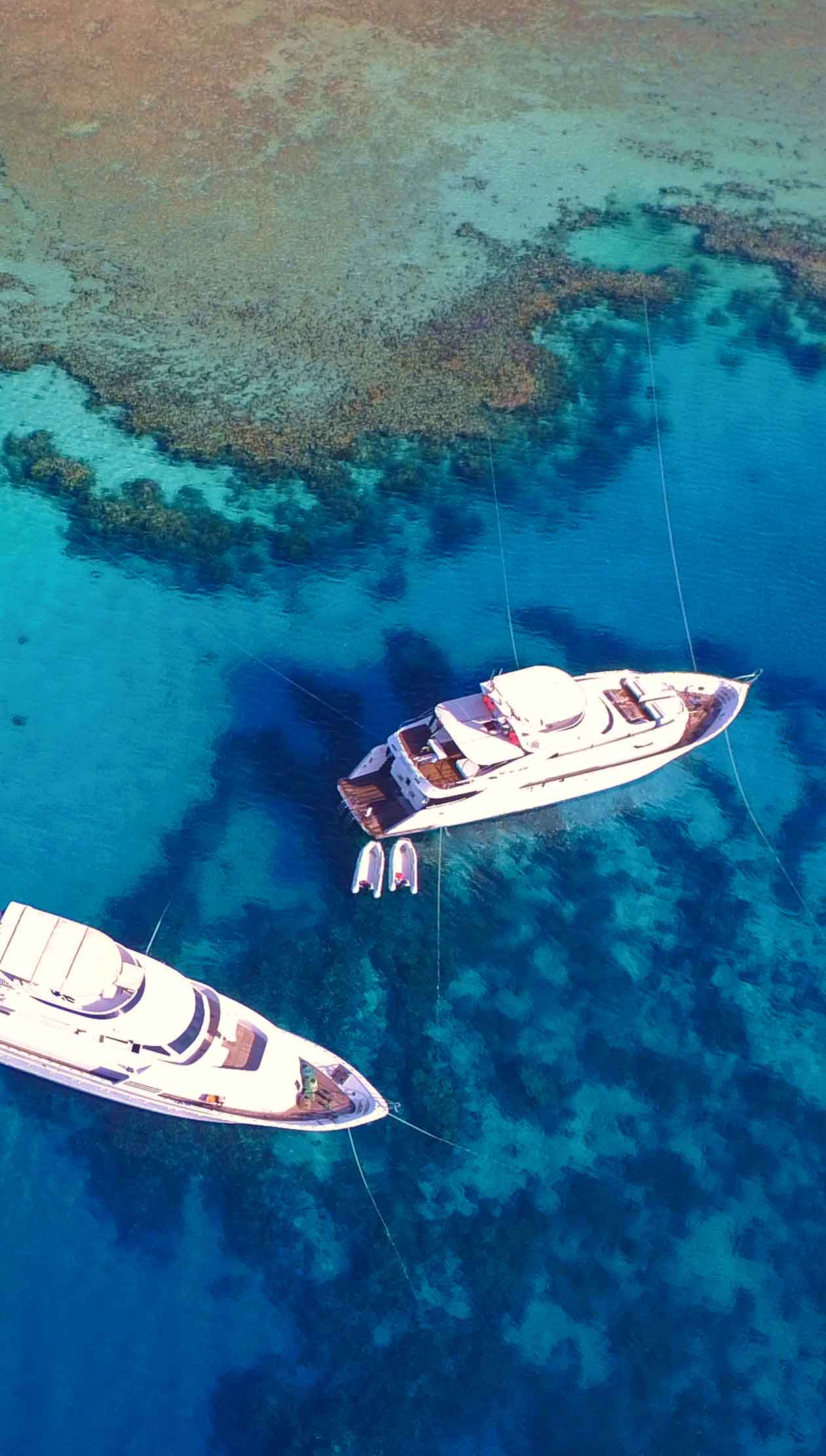
A diving liveaboard is the best and often the only way to get to most of the main dive sites in Papua. A few resorts are on land, but the facilities are usually pretty basic. Most liveaboard diving starts in Sorong, the main city in Papua. There are a few different kinds of diving liveaboard boats, including motor vessels and traditional Indonesian sailing boats.

The motorized dive cruises offer luxury accommodations and custom-built dive facilities. However, Indonesian Phinisi, the beautiful tall sailing boats, are often even more popular. These lovely wooden boats offer a peaceful and traditional experience, perfect for such a frontier destination.

Getting to the peninsula and your Indonesian diving liveaboard is fairly easy, but it does require a few connections and a fair amount of time. You can fly to Sorong from Jakarta and Singapore via Mando, but there are no international flights directly there.


Thanks to its natural beauty and its biodiversity, a great deal of Papua is protected. Rare birds and fauna decorate the landscape above the water. Diving below, the coral triangle flourishes with walking sharks, wobbegongs, dolphins, turtles, manta rays, and even whale sharks are common.


Papua Diving Reviews

  • Rating 9.4 out of 10
  • 9.4 Superb
  • Rating 9.6 out of 10
  • 9.6 Exceptional
  • Neal R
  • Flag of United StatesUnited States

About as remote as it gets. A place for adventure, not vacationing.

Diving Papua in November on the Damai I
  • Rating 10.0 out of 10
  • 10.0 Exceptional
  • sun min L
  • Flag of United StatesUnited States

Definitely central to the coral triangle. I have been here the last three dive vacations (Raja Amat) and am planning to retire here. It's the Mecca of diving.

Diving Papua in October on the Mari
  • Rating 10.0 out of 10
  • 10.0 Exceptional
  • Soyeon K
  • Flag of South KoreaSouth Korea

Diving in Papua feels like traveling back to a time when the oceans were wild and pure. The raw beauty of the landscapes and the warmth of the local people add a unique cultural depth to the trip. The waters are rich with nutrients, supporting a vast array of endemic species. It’s a destination for the adventurous soul who seeks authenticity and wants to experience the true frontier of the Coral Triangle.

Diving Papua in February on the Lady Denok
  • Rating 10.0 out of 10
  • 10.0 Exceptional
  • Jeanne P
  • Flag of FranceFrance

La nature florissante sous l’eau comme dessus avec des nuances de couleurs formidables et des papous très accueillants.

Diving Papua in May on the Pearl of Papua


What to know about diving in Papua

What is Papua?

Papua is the westernmost of Indonesia's provinces, occupying the Indonesian half of the island of New Guinea — not to be confused with the separate country of Papua New Guinea to the east. It's home to Raja Ampat, Cenderawasih Bay, and Triton Bay, three of the world's most biodiverse marine destinations.

What is West Papua?

West Papua is an Indonesian province occupying the Bird's Head Peninsula on the western tip of New Guinea, home to Raja Ampat and much of the Bird's Head Seascape's exceptional marine biodiversity. It was renamed from Irian Jaya in 2002 as part of a broader reorganization of Indonesia's Papua provinces.

Is Papua part of Indonesia?

Yes — Papua is the Indonesian half of the island of New Guinea, split into several provinces including Papua and West Papua, distinct from the separate, independent country of Papua New Guinea on the island's eastern half. Indonesia has administered the region since the 1960s.

Are the Raja Ampat Islands in West Papua?

Yes — the Raja Ampat archipelago sits off the Bird's Head Peninsula in Indonesia's West Papua province, reached via the port city of Sorong. It's considered the global epicenter of marine biodiversity within the Coral Triangle.

What tour options are available in West Papua?

West Papua tour options generally center on Raja Ampat diving and island-hopping, Cenderawasih Bay whale shark encounters, and birdwatching expeditions for species like the red bird-of-paradise. Most are arranged as multi-day liveaboard trips or guided land-based itineraries out of Sorong or Manokwari (as of 2026).

What indigenous tribes live in West Papua?

West Papua is home to a large number of distinct indigenous groups, each with its own language and customs, making the wider Papua region one of the most linguistically diverse places on Earth. Many communities in remote highland and interior areas maintain traditional ways of life alongside a growing coastal tourism economy.

Who are the Korowai people of Papua?

The Korowai are an indigenous group from the swampy lowland forests of southeastern Papua, historically known for building elevated treehouses. Visiting Korowai communities typically requires a specialized, multi-day expedition rather than a standard tourist itinerary.

What is Puncak Jaya in Papua?

Puncak Jaya is a mountain in Papua's central highlands and the highest peak in Oceania, at roughly 16,024 ft (4,884 m). It's also notable for hosting one of the few equatorial glaciers in the world, though these ice fields have shrunk dramatically in recent decades.

Where is Papua located on a map of Indonesia?

Papua occupies the far eastern end of Indonesia, covering the western half of the island of New Guinea, bordered by Papua New Guinea to the east. It's split into multiple provinces, including Papua and West Papua, with Raja Ampat located off the northwestern coast.

What is Jayapura in Papua?

Jayapura is the capital of Papua province, located on Indonesia's northeastern coast near the border with Papua New Guinea. It's the region's largest city and a transport hub, though most divers and travelers head instead to Raja Ampat, Cenderawasih Bay, or Triton Bay further west.

Is West Papua good for birding tours?

Yes — West Papua is a major destination for birdwatchers, home to numerous birds-of-paradise species found nowhere else, including on Waigeo and Batanta in Raja Ampat. Specialized birding tours typically combine early-morning forest treks with time on the water for diving or snorkeling.

Is Manokwari in West Papua?

Yes — Manokwari is a city in Indonesia's West Papua province, situated at the base of the Bird's Head Peninsula. It functions mainly as a regional transit and administrative hub.

Are there flights to West Papua?

Yes — Sorong and Manokwari are West Papua's main air gateways, with domestic connections from Jakarta, Makassar, and other Indonesian hubs, and Sorong serving as the primary entry point for Raja Ampat. Flight frequency is lower than to more established tourist regions like Bali (as of 2026).

What are the Cyclops Mountains in Papua?

The Cyclops Mountains are a rugged, forested mountain range near Jayapura in Papua Province, protected as a nature reserve and known for high levels of biodiversity, including several endemic species. They're more of an ecological landmark than a mainstream tourist destination.

We’re here to help, 24/7.

Connect with our expert travel consultants to plan your next trip.

  • Nicole Laughlin
  • Andrea Martinez
  • Nina Kapp
  • Josue Zarco
  • Juliane Ball
  • Ester Canali
  • Mylene Issartial