Liveaboard.com

Nusa Penida Liveaboard Diving

Our customers rated liveaboard diving in Nusa Penida as 9.3.

  • 100% Best Price Guarantee

Liveaboard Diving in Nusa Penida

What To Expect On A Nusa Penida Liveaboard

Liveaboards to Nusa Penida offer some amazing diving and are a great choice for an Indonesia liveaboard cruise. Nusa Penida lies approximately 15 km southeast of Bali, along with 2 other islands, Nusa Lembongan and Nusa Ceningan. Nusa Penida is the largest of the 3 islands and is still relatively unexplored by tourists, with considerably less developed infrastructure than the neighboring islands. Escape the hustle and bustle of Bali and enjoy peace and quiet on a Nusa Penida liveaboard.

Nusa Penida liveaboards are a great way to explore the area and to be at the best dive spots before the day boats make their way out from the mainland, giving a wider choice of dive sites.

Nusa Penida Underwater

Liveaboards at Nusa Penida will have the choice of over 20 dive sites, each with its distinct character and attraction, and make for an excellent dive cruise. The creation of a marine park in 2010 prohibited many destructive activities, preserving and enhancing the health of the reef and the prolific number of species it supports. 247 species of coral and 562 species of fish have been recorded around this magnificent island.

Dive Sites Of Nusa Penida

Crystal Bay is reputed to be the best site in Nusa Penida, and many dive safaris visit here. This site is relatively sheltered from currents, making it ideal for certified divers of all experience levels and a great place for your dive liveaboard to moor up. The mouth-wateringly good visibility gives this site its name, exceeding 150 feet (45 m) on a good day. This is the site for observing oceanic sunfish, known locally as Mola mola. This epically big fish, the heaviest bony fish in the world, weighing up to 1000 kg, can span over 10 feet (3 m). They can be seen any time throughout the year, although the best times are from July to October.

Manta Point is a very special site because this is where the manta rays come to be cleaned. A mutualistic relationship exists between the bluestreak cleaner wrasse and the manta rays, who eat parasites off the mantas. This site, ideal for all certified divers, also attracts sharks, including bamboo, wobbegong, and nurse sharks, and does not want to be missed as part of your Nuda Penida dive trip.

One of the best wall dives in Nusa Penida is Toyapakeh. This dive is almost always a drift dive, as strong currents run along the wall, sometimes switching direction. The current carries lots of nutrients supporting an abundance of species. Sunfish, giant trevallies, barracuda, moray and ribbon eels, and shoal fish to your heart's content can all be found here.

Top Tips For Divers

Most sites on Nusa Penida are subject to fairly strong currents that can sometimes be unpredictable and shift direction. These dive sites are generally best suited for a more experienced diver. As with any dive, it's a good idea to bring along an SMB and a finger spool to help ensure your location is marked for if you ascend somewhere slightly unexpected.

An underwater torch is also a great item to take, not just for night dives! At depth, you'll be able to bring the true magic of the reef's colors to life and thoroughly investigate every crack and crevice for those elusive species.

Getting To Nusa Penida

Ngurah Rai International Airport is located in Denpasar, the capital city of Bali. Direct flights to Bali are becoming more established as operators seek to improve access to the island.

However, there are currently no direct flights from Europe. Connecting flights are usually made in Kuala Lumpur or Bangkok, but depending on where you begin your journey, you may connect through Dubai, Singapore, or Hong Kong.

From Bali, one of the many ferry services can take you to the island of Nusa Penida. Most Nusa Penida liveaboards depart from Benoa or Sanur and take approximately 2 hours to reach the island. For a hassle-free voyage, Indonesian Liveaboards offer all the comforts of a luxurious hotel on the water and depart from Benoa, just across the bay from the airport.


The largest of the 3 islands the relatively unexplored Nusa Penida is best experienced from a liveaboard. With over 20 very distinctive dive sites, this protected marine park has everything from manta ray cleaning stations to 1-ton oceanic sunfish (Mola Mola) to bamboo and wobbegong sharks.


Nusa Penida Diving Reviews

  • Rating 9.3 out of 10
  • 9.3 Superb
  • Rating 10.0 out of 10
  • 10.0 Exceptional
  • Marta S
  • Flag of PolandPoland

Very good, especially Manta Point

Diving Nusa Penida in October on the Moana
  • Rating 9.6 out of 10
  • 9.6 Exceptional
  • Rula A
  • Flag of United KingdomUnited Kingdom

Absolute magic. It is God's own garden!

Diving Nusa Penida in June on the Mermaid I


What to know about diving in Nusa Penida

What is Nusa Penida known for?

Nusa Penida is a larger island near Bali, known for dramatic clifftop viewpoints like Kelingking Beach and Broken Beach, as well as Crystal Bay for snorkeling and its own Manta Point dive site. It's also one of the best places in the world to see mola mola (ocean sunfish) during the cooler months.

Where is Nusa Penida Island?

Nusa Penida sits about 12 mi (19 km) southeast of Bali, across the Badung Strait, and is reached by fast boat from Sanur in roughly 30–45 minutes. It's the largest of the three Nusa islands, alongside Nusa Lembongan and Nusa Ceningan.

What is Kelingking Beach on Nusa Penida?

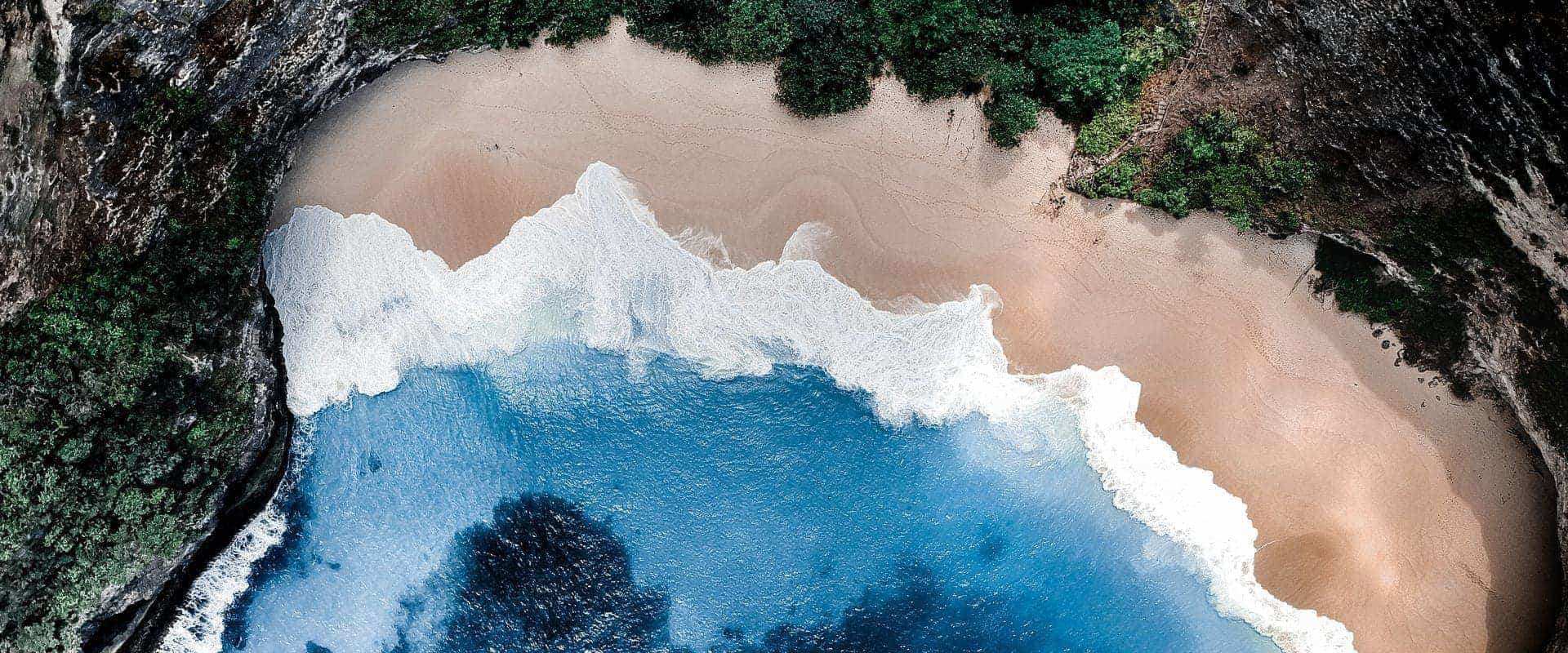
Kelingking Beach is Nusa Penida's most iconic viewpoint, overlooking a T-Rex-shaped limestone cliff and a hidden white-sand cove far below. Reaching the beach itself involves a steep, strenuous trail, so many visitors admire it from the clifftop viewpoint instead.

What is Diamond Beach on Nusa Penida?

Diamond Beach is a secluded white-sand beach on Nusa Penida's southeast coast, framed by tall limestone cliffs and reached via a steep staircase carved into the rock. It's less crowded than Kelingking Beach and offers a similarly dramatic setting.

What are the cliffs like on Nusa Penida?

Nusa Penida's coastline is dominated by tall limestone cliffs, especially along its southern and western edges near Kelingking, Diamond Beach, and Atuh Beach. These dramatic formations have made the island one of Indonesia's most photographed destinations.

What is Crystal Bay on Nusa Penida?

Crystal Bay is a sheltered beach and dive/snorkel site on Nusa Penida's west coast, known for calm, clear water and a chance to spot mola mola in the cooler months (roughly July–October). It's one of the more accessible and beginner-friendly spots on the island.

What is Broken Beach on Nusa Penida?

Broken Beach is a dramatic natural rock formation on Nusa Penida where the sea has carved a large archway into the cliffside, enclosing a hidden lagoon. It's primarily a viewpoint rather than a swimming spot, as the archway makes direct beach access difficult.
What does a Nusa Penida tour typically include?

A typical Nusa Penida day tour combines several clifftop viewpoints — often Kelingking Beach, Broken Beach, and Angel's Billabong — with a stop at Crystal Bay for swimming or snorkeling, usually run as a full-day trip by car and boat from Bali. Diving-focused tours instead prioritize sites like Crystal Bay and Manta Point.

Where is Manta Point in Nusa Penida?

Nusa Penida's Manta Point sits off the island's southwest coast and is one of the most reliable places in Indonesia to see manta rays, with sightings possible almost year-round. Conditions can include surge and murkier water, since the mantas favor a shallow, current-swept cleaning station.

What is diving like at Nusa Penida?

Diving at Nusa Penida ranges from calm, shallow sites like Crystal Bay to the more current-swept Manta Point, with the added draw of mola mola sightings in cooler water during roughly July–October. Water temperatures can dip into the low 70s°F (low 20s°C) during mola mola season, colder than most of Indonesia.

What are the best things to do on Nusa Penida?

Highlights include the clifftop viewpoints at Kelingking Beach, Broken Beach, and Diamond Beach, snorkeling or diving at Crystal Bay and Manta Point, and — in cooler months — a chance to see mola mola. Most of the island's attractions are spread out, so a scooter or hired driver is the most practical way to get around.

How do you get from Sanur to Nusa Penida?

Fast boats run regularly between Sanur, on Bali's southeast coast, and Nusa Penida, with the crossing typically taking about 30–45 minutes. Several operators offer combined boat-and-tour packages that include onward transport around the island (as of 2026).

What is Atuh Beach on Nusa Penida?

Atuh Beach is a beach on Nusa Penida's eastern coast, framed by tall cliffs and jagged rock formations, reached via a steep staircase down from the clifftop parking area. It's typically less crowded than the island's more famous western viewpoints.

We’re here to help, 24/7.

Connect with our expert travel consultants to plan your next trip.

  • Juliane Ball
  • Farah Celada-Benito
  • Oksana Kovaleva
  • Andrea Martinez
  • Nina Kapp
  • Mylene Issartial
  • Josue Zarco