Liveaboard.com

Alor Liveaboard Diving

Our customers rated liveaboard diving in Alor as 8.8.

  • 100% Best Price Guarantee

Liveaboard Diving in Alor

What to expect On an Alor liveaboard

Liveaboards in Alor in the Lesser Sunda Islands are the ideal get away from it all dive trip. If you dream of perfect isolation, crystal clear waters, and eye-popping corals then liveaboard diving in Alor is definitely for you. Now a lot of Indonesian liveaboard diving offers tranquil waters and corals but Alor liveaboards have the added bonus that the dive tours often happen to double as a whale and dolphin watching tour. There are a substantial number of cetaceans in this part of the Banda Sea and there is a good chance of seeing them from your dive cruise.

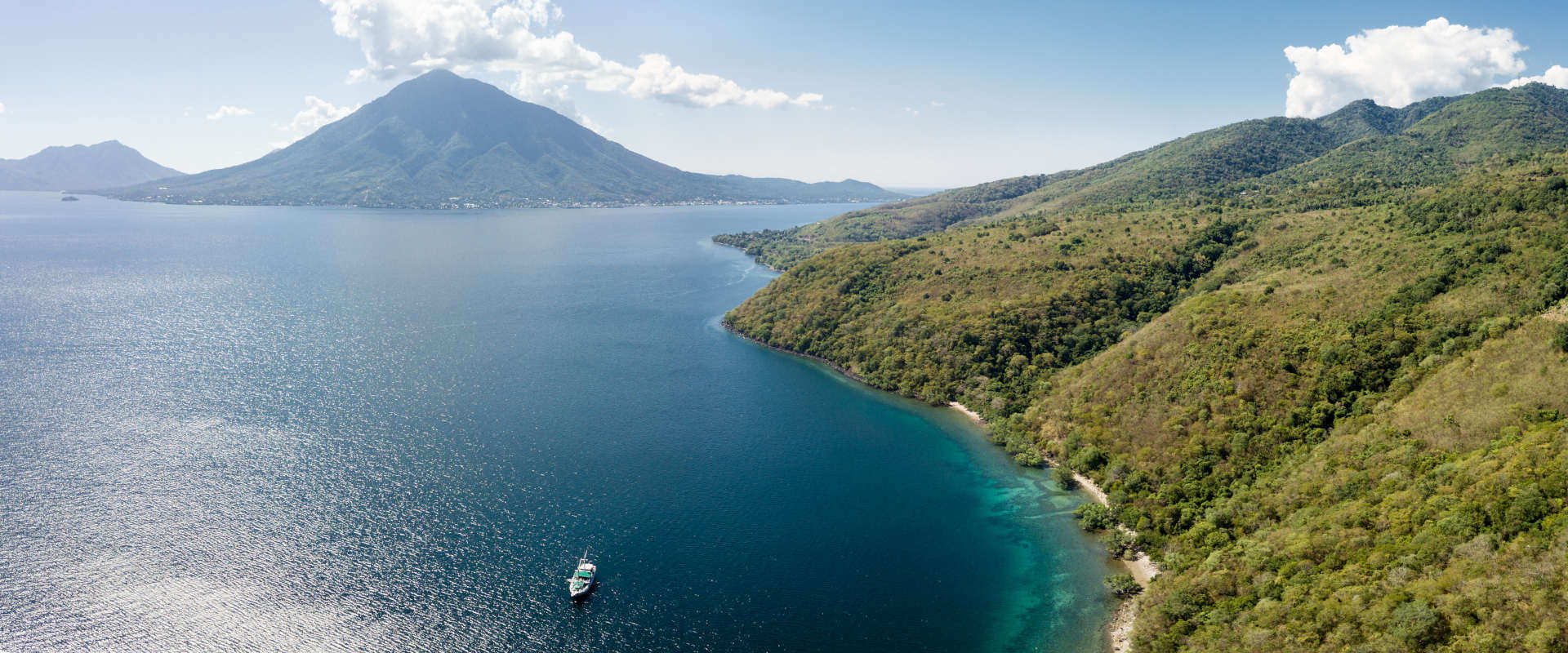
The island is volcanic like many of the other Lesser Sunda Islands and there is some fantastic underwater topography including lava flows and black sandbanks. The lava flows are caked in corals and the black sand is full of critters for muck diving. The scenery is, of course, beautiful and sparsely inhabited which means that sailing in Alor is a serene experience by itself. There are a few settlements on land but for the most part, the island is very peaceful.

Alor Underwater

Like most Banda Sea diving, the conditions for scuba diving in Alor are fairly good in the season, which is March to December. The currents in this area are however a little stronger than other parts of the Banda Sea but luckily that means the chance to see bigger animals as well as the usual host of critters associated with this part of the world.

When you first dive down in Alor the color of the corals on the reefs first hits you. The area is full of coral reefs and there are huge numbers of reef fish to go along with it. You can also see frogfish, snappers, and barracuda there too. Not only that, but there are white-tipped and grey reef sharks patrolling around the reefs or sleeping with their tails sticking out from under table corals.

Dive Sites of Alor

A liveaboard tour in Alor will take in a number of excellent sites but Sharks Galore is a must on any Alor dive cruise itinerary. This is the place to see grey reefs sharks, these big guys can be seen swimming over the reef along with white-tipped reef sharks and tuna. There are many fantastic macro sites in Alor but this is the place for the bigger beasts.

The twilight zone, or Biangabang beach, on the other hand, is critter heaven. The area is full of hot springs and volcanic sand perfect for muck diving. There are sea moths and mantis shrimp to delight photographers and it makes for a wonderful night dive too.

Top Tips for Divers

  • Bring extra thermal protection as deep upwelling currents can leave the water pretty chilly.
  • This really is a remote destination so make sure to bring spares of anything you can’t live without.

Getting to Alor

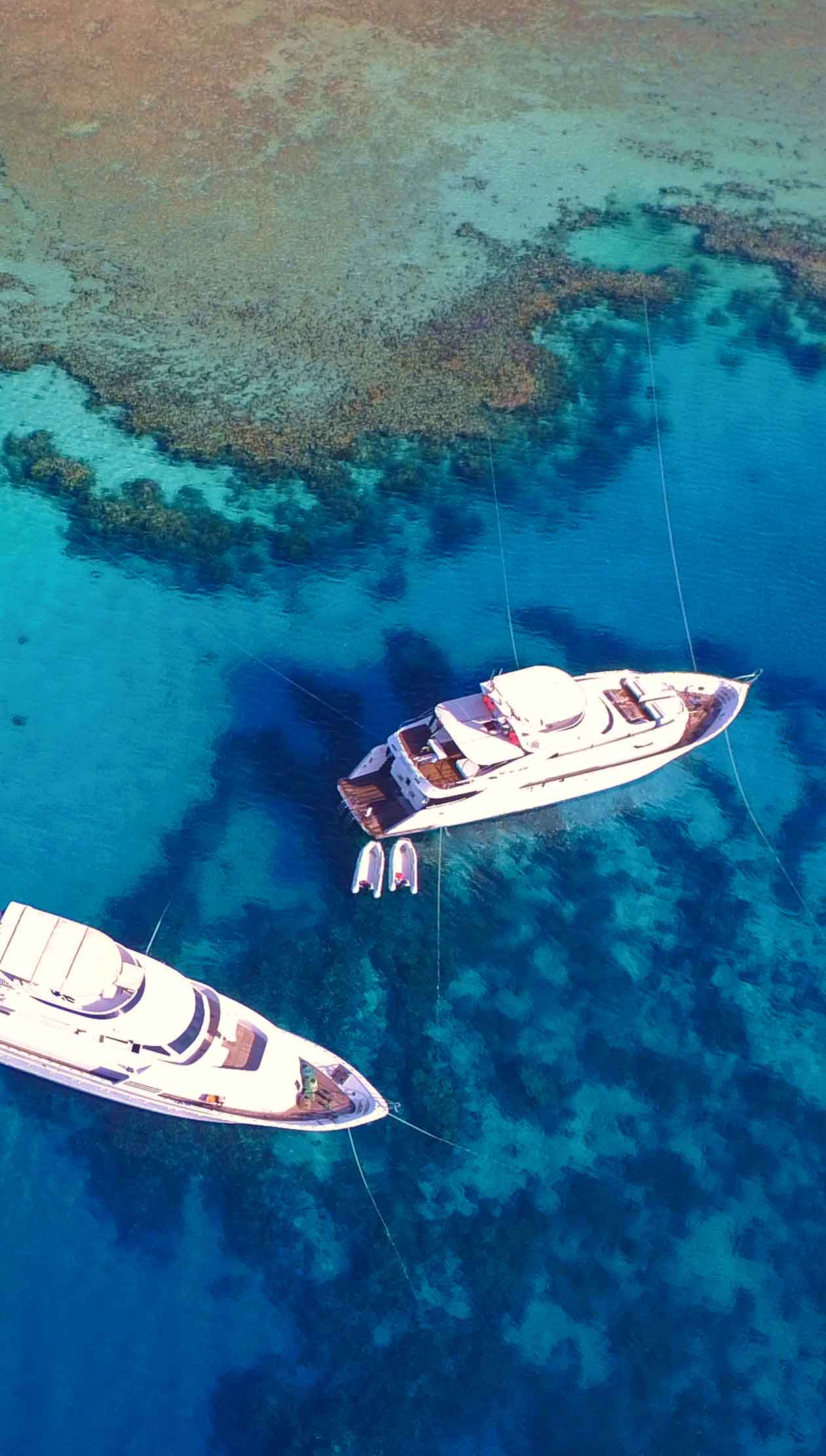
The remote location of Alor means that liveaboard diving is the best way to see as much as possible, with most dive tours offering three or four dives per day. There are a few options when choosing liveaboard boats in Alor. Luxury liveaboard motor vessels offer comfort and excellent facilities. If you would like to try sailing in Alor the traditional Indonesian sailboats are the most tranquil and authentic way to do a liveaboard tour in Alor.

Most liveaboard diving in the Alor area departs from Maumere port or occasionally Labuan Bajo. The easiest way to get there is to fly to Labuan Bajo from Bali International Airport. If you are staying elsewhere in Indonesia there are some domestic flights to the small airport at Maumere.


The remote Alor Island is packed with marine life and often absent of scuba divers.


Alor Diving Reviews

  • Rating 8.8 out of 10
  • 8.8 Fabulous
  • Rating 10.0 out of 10
  • 10.0 Exceptional
  • Robert R
  • Flag of United StatesUnited States

Great, with opportunities for a bit of muck diving

Diving Alor in September on the Seahorse
  • Rating 9.2 out of 10
  • 9.2 Superb
  • Michael W
  • Flag of United StatesUnited States

Excellent. I wish more of Indonesian Seas were protected from overfishing by locals.

Diving Alor in April on the Blue Manta
  • Rating 9.6 out of 10
  • 9.6 Exceptional
  • Sook Ling W
  • Flag of MalaysiaMalaysia

2nd time to Alor and great place to dives. I think we did not go to some of the best sites but I am happy with the dives.

Diving Alor in May on the Blue Manta
  • Rating 8.8 out of 10
  • 8.8 Fabulous
  • Yike Y
  • Flag of ChinaChina

Night diving was so marvelous here.

Diving Alor in November on the Mermaid II


What to know about diving in Alor

Where is Alor Island?

Alor Island sits at the eastern end of Indonesia's Alor Archipelago in East Nusa Tenggara province, about a 45-minute flight from Kupang on West Timor. It's best known among divers for cold-water upwellings that can drop temperatures to 68–75°F (20–24°C) — unusually cool for Indonesia — which draw in rich macro life and the occasional mola mola. Most visitors combine diving with village-hopping to see the archipelago's distinct tribal cultures.

What is diving like in Alor?

Diving around Alor is defined by strong currents and cold upwellings that can drive water temperatures down to 68°F (20°C) in places, rewarding divers with unusually rich macro life and healthy coral gardens rather than the warm, calm conditions found elsewhere in Indonesia. The Pantar Strait and Kalabahi Bay are the region's signature muck- and current-diving areas, best explored by liveaboard (as of 2026).

What is the best time of year to dive in Alor?

Alor is best dived during the dry season, roughly April through October, when seas are calmer and visibility tends to be more consistent (as of 2026). Currents remain a factor even then, since Alor's cold upwellings can occur at any time of year. Outside this window, rougher weather can limit boat access to the more remote sites.

How do you get to Alor?

Most divers reach Alor by flying into Kupang, the capital of East Nusa Tenggara, and then connecting onward by air or on a liveaboard. Because Alor sits in a remote corner of the archipelago, liveaboards are the more common way to reach its full spread of dive sites. Land-based stays are possible but far less extensive than the boat-based options.

Why is the water in Alor colder than in other parts of Indonesia?

Alor sits at the edge of strong cold-water upwellings that push deep, nutrient-rich water toward the surface, dropping temperatures to as low as 68–75°F (20–24°C). That's noticeably cooler than the 79–86°F (26–30°C) typical of most Indonesian dive destinations. The same upwellings are also what feed Alor's rich macro life and dense fish schools.

Is Alor suitable for beginner divers?

No — Alor is generally considered a destination for more experienced divers, thanks to its strong, often unpredictable currents. Some sheltered sites exist for less experienced divers, but the region's signature dive sites reward strong buoyancy control and comfort in moving water. Divers new to the sport are usually better served starting elsewhere in Indonesia.

Is Alor good for underwater photography?

Yes — Alor is a favorite among macro photographers, thanks to the abundance of small critters drawn to its nutrient-rich, current-swept reefs. Wide-angle shooters are rewarded too, since the same currents attract large schools of fish. The cooler water and occasional surge do call for careful buoyancy to avoid stirring up sediment.

What is village life like on Alor for visitors?

Alor is known for its traditional, remote village culture, and many dive itineraries build in stops to visit local communities along the coast. These villages offer a glimpse of daily life largely untouched by mass tourism, from traditional weaving to fishing customs. It's one of the reasons Alor appeals to travelers looking for more than just diving.

What does "Forgotten Islands" mean, and is Alor part of it?

"Forgotten Islands" is the nickname travelers use for the remote Alor–Solor–Lembata–Pantar archipelago in East Nusa Tenggara. Alor is one of its core islands, and the group is known collectively for liveaboard-only diving, strong currents, and encounters with large pelagics. The name reflects how little-visited this stretch of Indonesia remains compared with Bali or Komodo.

What other destinations are Alor dive trips often combined with?

Alor is frequently paired with the rest of the Forgotten Islands — Solor, Lembata, and Pantar — on longer liveaboard itineraries departing from or returning to Kupang. Some routes also connect Alor with Komodo National Park further west for divers with more time. Because Alor is remote, most visits are built around multi-day boat trips rather than a single stop.

What is the weather like in Alor throughout the year?

Like most of Indonesia, Alor follows a dry season from roughly April through October and a wetter season from November through March. The dry months bring calmer seas and generally better dive conditions, while the wet season can bring rougher crossings between islands. Air and water temperatures stay warm year-round, even as sea conditions shift.

Is Alor part of the Coral Triangle?

Yes — Alor lies within the Coral Triangle, the global center of marine biodiversity that spans much of Indonesia's eastern waters. This region is home to more than 3,000 fish species, and Alor's nutrient-rich upwellings make it one of the Triangle's more productive corners. It's a big part of why the island punches above its weight for such a small, remote destination.

Can snorkelers enjoy Alor, or is it mainly for divers?

Alor does have snorkel-friendly shallows, particularly around some of its reef flats, but its reputation rests on dive sites shaped by strong currents best suited to certified divers. Snorkelers visiting Alor should expect a more limited selection of sites than divers do. Most itineraries treat Alor primarily as a diving destination.

What should divers know about currents before diving in Alor?

Currents in Alor can be strong, sometimes shifting quickly and running colder than divers expect due to the region's upwelling. Guides typically plan dives around slack tide or use drift-diving techniques to work with the current rather than against it. Divers should be comfortable with negative entries, quick descents, and holding a stable position in moving water.

We’re here to help, 24/7.

Connect with our expert travel consultants to plan your next trip.

  • Farah Celada-Benito
  • Josue Zarco
  • Juliane Ball
  • Oksana Kovaleva
  • Mylene Issartial
  • Andrea Martinez
  • Ester Canali