Liveaboard.com

Golden Passage Liveaboard Diving

Our customers rated liveaboard diving in Golden Passage as 9.5.

  • 100% Best Price Guarantee

Liveaboard Diving in Golden Passage

What To Expect On A Golden Passage Liveaboard

Golden Passage liveaboards will usually visit this site as part of a Komodo Islands cruise. The dive site is situated in the channel between the small islet of Gili Lawa Darat and the main island of Komodo. The entire island, including Gili Lawa Darat, is protected by the Komodo National Park, which conserves flora and fauna both on land and underwater. Lawa Darat is one of the smaller of the islets and is famed for its excellent marine life and strong currents. The islet is volcanic with sloping green hills and beautiful sweeping bays, although there is limited flora and fauna on land. A good choice is available for Komodo liveaboards that will visit this dive site.

The reefs beneath the surface are also made up of volcanic rock, but they are teaming with life. In the shallower water there has been some damage from cyanide and dynamite fishing and bleaching of corals. In deeper water though, the reef is still mostly intact and caked in hard and soft coral.

The channel between the islands where Golden Passage is, has some of the strongest currents in the region. The change in depth and shape of the sea-bed in the area, means that cold deeper currents pass through. These currents can reach several knots, so most dives at Golden Passage are drift dives. There are some small bays close to the islands though, and these make a good easy entry point before you are taken by the current out into the channel which is around 20 meters deep.

What You Can See

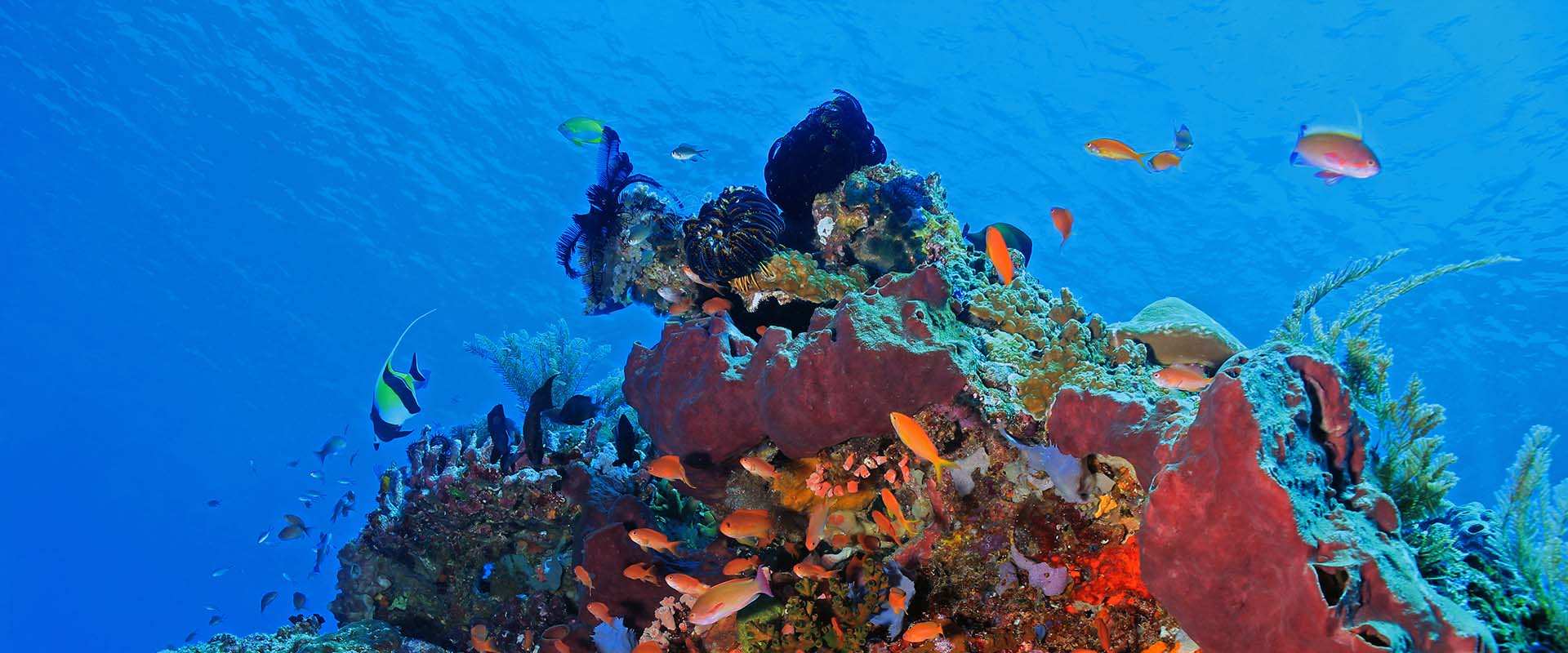
Liveaboards to Golden Passage take divers to a stunning coral reef, growing on the volcanic rocks along the side of the passage. There are a huge variety of bright coloured hard and soft corals, with a host of interesting critters hiding in amongst them. Hundreds of different kinds of reef fish and even white and black tip reef sharks can be seen on hunting over the corals. Due to the damage caused by dynamite fishing in the area, the deeper down you go the richer the life becomes. The reef also attracts hawksbill turtles and trevallies which love to feed smaller fish.

The currents run very fast through the passage as well, which brings nutrient rich waters that attracts the bigger life too. Mantas can be seen swimming through the passage above and below divers, with their mouths wide open to filter plankton. There is also a chance, that divers will be surprised by pods of dolphins which come to the reef to feed as well.

Getting To Golden Passage

The Golden Passage is to the very north of Komodo, in the heart of the Komodo National Park. The area is around an hour by boat from Labuan Bajo on Flores, a popular departure point for dive tours and cruises. There are some day boat trips leaving from Flores to Golden Passage if you only have time for one or two dives. The most popular way to visit this area though, is by diving liveaboard.

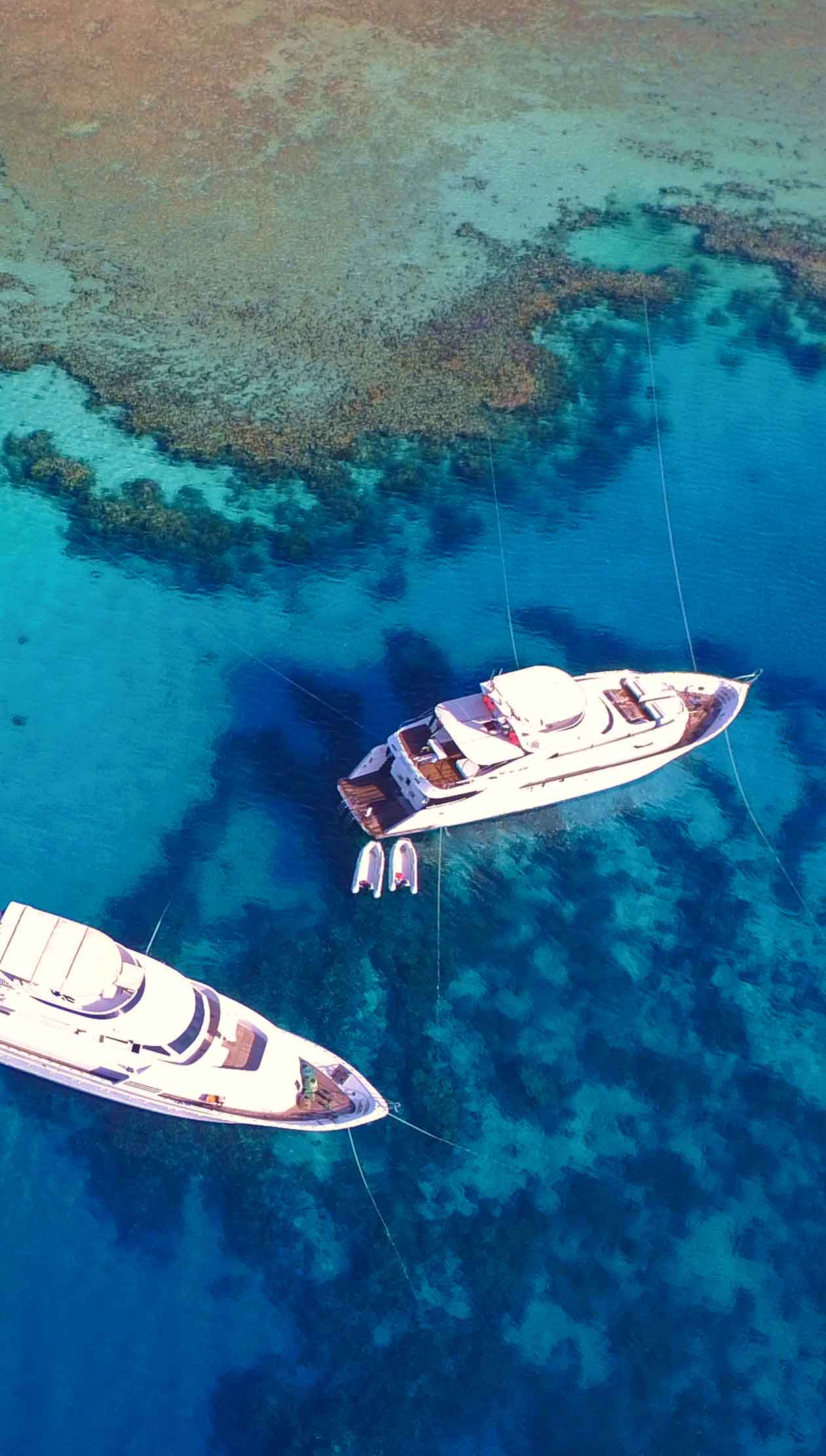
There are a few different kinds of Komodo liveaboard boats to choose from, depending on your taste and budget. The usual motor vessels converted into custom dive cruising ships offer a comfortable and sleek cruise. The most popular choice in Komodo however is a week or two weeks aboard a traditional Phinisi Indonesian sailing boat. These beautiful ships offer a combination of peaceful sailing and custom built diving facilities.

Most Indonesian liveaboards depart from either Labuan Bajo on Flores island or from Bali. A number of them start in one and finish in the other, giving you the maximum time diving. Flights to Bali International airport are available from many international destinations and from there, connecting flights go on to Labuan Bajo.


Golden Passage Diving Reviews

  • Rating 9.5 out of 10
  • 9.5 Exceptional
  • Rating 9.6 out of 10
  • 9.6 Exceptional
  • john C
  • Flag of United StatesUnited States

The diving in the Golden Passage was beyond words.

Diving Golden Passage in July on the Samambaia
  • Rating 9.6 out of 10
  • 9.6 Exceptional
  • David M
  • Flag of AustraliaAustralia

Fun, but not as fast as it could have been as the currents weren't super strong when we were there. You want fast currents for this one.

Diving Golden Passage in July on the Queenesia
  • Rating 10.0 out of 10
  • 10.0 Exceptional
  • Stephanie P
  • Flag of MalaysiaMalaysia

Sharks, trevallies and big fishes. Amazing visibility with so many soft and hard corals. Anthias everywhere. So colorful.

Diving Golden Passage in June on the Naga Biru
  • Rating 10.0 out of 10
  • 10.0 Exceptional
  • David O
  • Flag of BelgiumBelgium

Nice divesite with plenty of shark and triggerfish

Diving Golden Passage in October on the Moana


What to know about diving in Golden Passage

What is Golden Passage in Komodo National Park?

Golden Passage is a narrow, current-driven channel dive site within Komodo National Park, prized for the sheer volume of fish it funnels through on a moving tide. It's a drift dive by nature — divers ride the current rather than swim against it. The site is a regular stop on Komodo liveaboard itineraries rather than a day-trip destination.

Where exactly is Golden Passage located in Komodo National Park?

The site sits within one of the park's narrower interisland channels, where converging currents accelerate through a constricted passage. Its exact position varies slightly depending on which operator's chart you're reading, but it's grouped with the park's other strong-current sites, such as Batu Bolong and Castle Rock. It's typically reached as part of a broader Komodo itinerary rather than as a standalone stop.

Why is Golden Passage called a "washing machine" dive site?

The nickname comes from the churning, multidirectional current that can develop as tidal water squeezes through the narrow channel, sometimes creating up- and down-wellings alongside the horizontal push. Divers can feel like they're being tumbled rather than simply drifting. It's part of what makes the site exciting for experienced current divers and intimidating for newer ones.

What is the typical depth range at Golden Passage?

Diving here generally ranges from about 20 ft (6 m) near the surface down to 66 ft (20 m) or so along the channel floor. Most of the action — the schooling fish riding the current — happens in the mid-water column rather than right on the bottom. Depth can feel secondary to current management on this particular dive.

How strong are the currents at Golden Passage?

Currents at Golden Passage are among the strongest in Komodo National Park, capable of shifting from a brisk drift to a genuinely powerful ripping current within a single dive. Timing the dive to the tide is essential, and guides typically plan entries around slack or building current rather than peak flow. It's not a site where current is optional to deal with.

What certification or experience level do you need to dive Golden Passage?

An Advanced Open Water certification and real drift-diving experience are effectively required here, given how quickly conditions can turn. Comfort with a current hook, negative entries, and quick buoyancy adjustments makes a big difference. Most operators won't take inexperienced divers to this particular site, regardless of certification card.

What marine life can you see at Golden Passage?

The channel currently draws in dense schools of fusiliers, trevally, and other baitfish, which in turn attract larger predators looking to feed. Reef sharks are a regular sight, cruising the edges of the schools. It's a site built around big-fish spectacle more than slow-paced reef browsing.

Can you see manta rays at Golden Passage?

Manta rays turn up here occasionally, drawn in by the same nutrient-rich current that fuels the site's fish schools, though sightings aren't as reliable as at a dedicated cleaning station like Manta Alley. When they do appear, it's usually a fleeting pass through the channel rather than a lingering visit. It's a welcome bonus rather than the main reason to dive into the site.

When is the best time to dive Golden Passage?

Dry season months, roughly April through October, tend to bring calmer surface conditions, making it easier to time the current at this site (as of 2026). Because the dive is so tide-dependent, the time of day matters as much as the season — guides schedule around the day's tide charts. Outside the dry season, stronger winds can complicate an already current-heavy dive.

How do divers usually reach Golden Passage?

Golden Passage is a liveaboard and multi-day charter site, reached as part of a broader Komodo National Park itinerary departing from Labuan Bajo rather than a standalone day trip. Its position within the park and tide-dependent timing make it impractical for casual day-boat schedules. Most divers encounter it a few days into a longer Komodo route.

What is visibility like at Golden Passage?

Visibility is generally good, often 50–80 ft (15–24 m), since the strong current keeps sediment from settling on the reef. On days with unusually turbulent "washing machine" conditions, visibility can temporarily drop as churned water reduces clarity. Overall, it's a clearer site than many of Komodo's bay-sheltered spots.

Is Golden Passage good for underwater photography?

Wide-angle photography suits Golden Passage well, capturing the schooling fish and dramatic current lines that define the site. Macro photography is much harder here, since the current rarely allows divers to hold still long enough for close-focus shots. Most photographers come prepared with a wide-angle setup and low expectations for anything smaller.

Is snorkeling possible at Golden Passage?

Snorkeling isn't practical at Golden Passage — the currents that make it a thrilling dive are simply too strong and unpredictable for surface swimmers to manage safely. It's considered a scuba-only site within Komodo National Park. Snorkelers on the same itinerary are usually taken to a calmer alternative nearby instead.

What is the water temperature at Golden Passage?

Water temperature typically ranges from 79–84°F (26–29°C), consistent with the broader Komodo National Park area, though localized upwelling from the strong current can bring brief cooler patches. A 3mm to 5mm wetsuit covers most conditions here. Divers sometimes notice a distinct temperature shift when the current picks up mid-dive.

What should divers know before diving Golden Passage for the first time?

Go in expecting genuine current, not just a gentle drift — briefings here tend to be detailed about entry timing, exit points, and what to do if separated from the group. A current hook, a surface marker buoy, and confident buoyancy control all make a real difference. It's widely regarded as one of Komodo's more advanced, adrenaline-driven sites rather than a relaxed reef dive.

We’re here to help, 24/7.

Connect with our expert travel consultants to plan your next trip.

  • Nicole Laughlin
  • Juliane Ball
  • Josue Zarco
  • Mylene Issartial
  • Farah Celada-Benito
  • Nina Kapp
  • Oksana Kovaleva