Liveaboard.com

Manta Point Liveaboard Diving

Our customers rated liveaboard diving in Manta Point as 9.4.

  • 100% Best Price Guarantee

Liveaboard Diving in Manta Point

What To Expect On A Manta Point Liveaboard

Liveaboards to Manta Point and the tiny island of Kurang Makassar, which sits close to the coast on the east side of Komodo Island in the heart of the Komodo National Park, are visiting one of the famous reefs in the area. Lying beneath the water is a chance to dive with many Manta Rays. Although protected by the National Park, some damage has been done to the reef and fish life in this area despite this protection. The fish life on the reef was adversely affected by illegal cyanide fishing. This method of poisoning the water to stun and capture live aquarium fish means that there is damage not only to the fish but also to sponges, sea fans, and coral.

However, despite the reef being perhaps less rich with life than other areas, Manta Point is known as one of the best dive sites in Komodo. The bottom topography of the shallow reef funnels strong currents through the dive site, acting as a highway for pelagic fish. These currents bring cold, nutrient-rich waters with them, which means the main attraction, no surprise, is mantas.

What You Can See at Manta Point

Numerous Komodo liveaboards will visit Manta Point as part of their dive schedule in this area.

The currents at Manta Point mean that most dives here are drift dives, like much of the diving in the Komodo Islands. The area can be huge, with the reef covering almost 2 square kilometers. The water is shallow, around 15 meters in most places, and home to many manta rays. These huge, strange creatures come here to feed on the nutritious waters the currents bring up from the deep. It is not unusual for divers to be able to swim along with a small group of mantas here. It is also possible to see them gliding above you closer to the surface as the visibility is excellent, sometimes over 30 meters.

Although the poaching of aquarium fish from the Manta Point has left the reef a little sparse, some other creatures can be seen here. Whitetip and Blacktip reef sharks are often spotted patrolling around during the dive, and the occasional turtle searches for food. The volcanic rocks and the corals make the perfect home for mantis shrimp, which seem to be all over the reef. Macro photographers will never lack opportunities to snap them hiding in little alcoves in the rocks.

Getting To Manta Point

On the east side of Komodo Island, Manta Point is just under an hour’s journey from Flores Island. There are some short day trips to Manta Point from there, but the most popular and enjoyable way to visit Manta Point is by diving liveaboard. Indonesia’s diving liveaboards come in all shapes and sizes, and there is something to suit a range of tastes and budgets.

Motor vessels customized for liveaboard diving are available for a comfortable and enjoyable diving cruise with purpose-built dive decks and luxurious cabins. However, traditional Indonesian sailing boats that have been redesigned for diving are Indonesia's most popular liveaboard type. These beautiful ships offer a peaceful and authentic cruising experience. Luxurious with a touch of tradition, phinisi, as they are known locally, is an amazing and unique experience.

Most Indonesian liveaboards depart from either Labuan Bajo in Flores or Bali; some depart from one and disembark at the other, giving you the maximum number of diving days. Bali International Airport offers flights from numerous major cities in Asia and further afield and connecting flights to Labuan Bajo. If you feel brave, taking the three-day ferry ride from Bali to Labuan Bajo is possible.


Manta Point Diving Reviews

  • Rating 9.4 out of 10
  • 9.4 Superb
  • Rating 10.0 out of 10
  • 10.0 Exceptional
  • Louis Charles R
  • Flag of United StatesUnited States

Komodo was unexpectedly great. I wasn’t sure I was going to enjoy it. Plenty of variety for every type of diver.

Diving Manta Point in July on the Adelaar
  • Rating 10.0 out of 10
  • 10.0 Exceptional
  • Paul B
  • Flag of United StatesUnited States

Hit or miss site with generally strong current. Can be overcrowded with divers and snorklers. Otherwise sloping sandy reef at end and plateau reef at the start. Large area of broken coral where dynamite fishing had occurred. Sometimes blessed with many manta rays, turtles, sharks.

Diving Manta Point in July on the Cajoma IV
  • Rating 8.4 out of 10
  • 8.4 Very good
  • Savanna K
  • Flag of United StatesUnited States

Mantas were flowing and playing together. Our last dive of the trip and the mantas put on a great show. Also saw sea turtles and plenty of other marine life.

Diving Manta Point in July on the Bajak
  • Rating 10.0 out of 10
  • 10.0 Exceptional
  • Zachary B
  • Flag of United StatesUnited States

We didn’t happen to see mantas on this particular dive, although we were lucky enough to see them at other dive sites earlier in the trip. Even without the mantas, this was still a beautiful dive site with plenty to enjoy underwater.
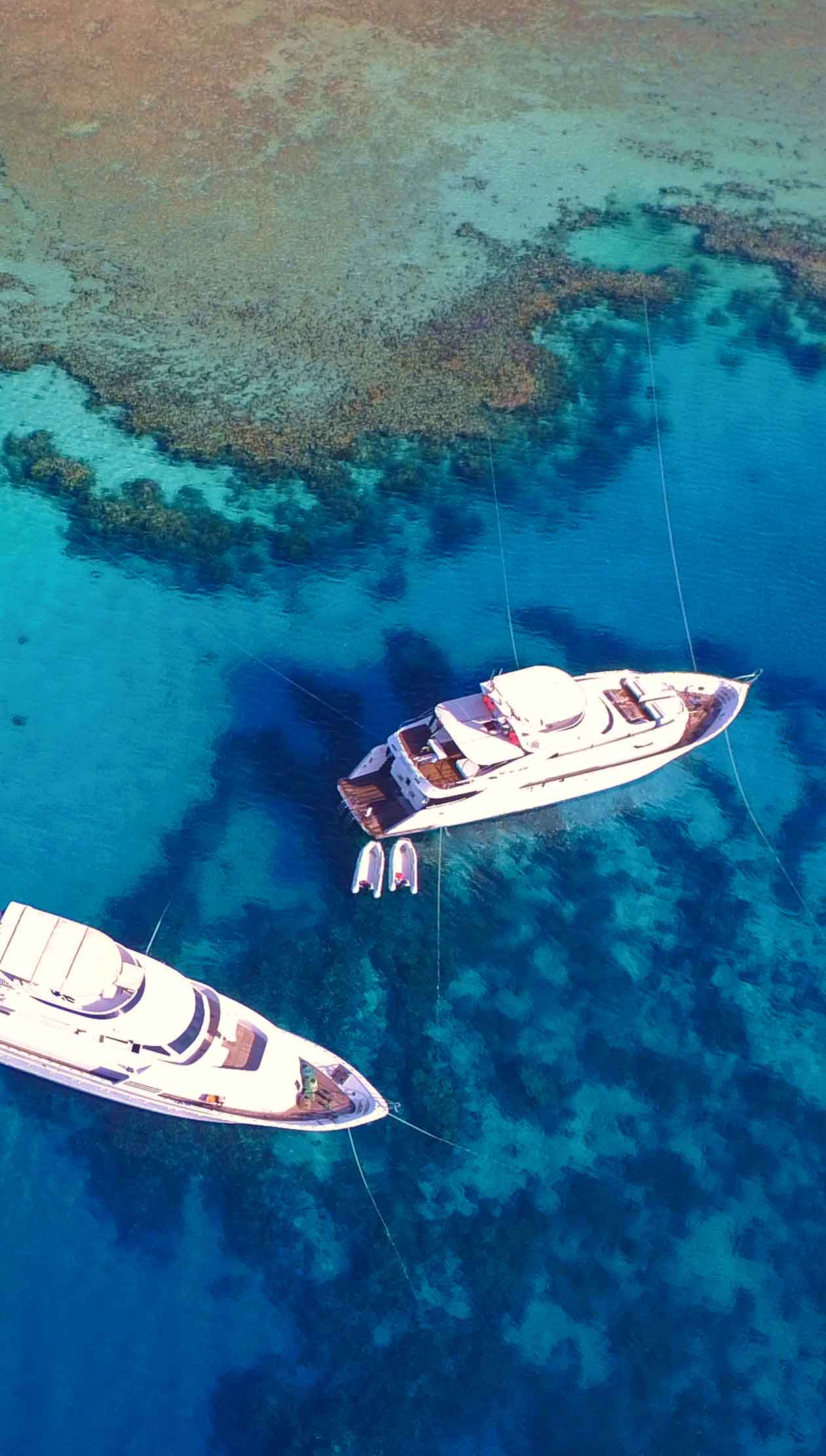
Diving Manta Point in May on the Situju7


What to know about diving in Manta Point

What is Manta Point?

In Komodo National Park, Manta Point is a cleaning station on the park's southern reefs where reef mantas gather to be tended by small fish, drawing both certified divers and snorkelers. It's calmer and shallower than Komodo's famous current-swept pinnacles, such as Castle Rock and Crystal Rock, making it one of the more relaxed stops on a typical park itinerary.

Where exactly is Manta Point in Komodo National Park?

Manta Point lies in the park's southern waters, not far from Manta Alley but on its own patch of shallower, more sheltered reef. Most boats visit it as one stop on a multi-site day trip or liveaboard route through southern Komodo, often paired with a Komodo dragon trek on the same day.

Can you snorkel with mantas at Komodo's Manta Point?

Yes — the cleaning station sits shallow enough for snorkelers to watch reef mantas circling from the surface without any diving gear. Guides typically brief snorkelers beforehand on keeping a safe distance, since crowding the site can push the mantas away from their cleaning station.

Do you need to be a certified diver to visit Manta Point?

No — Manta Point is one of the few Komodo sites where non-divers get a real shot at seeing mantas, since the cleaning station is shallow enough to snorkel. Most operators sell it as a combined snorkel-and-dive stop, so divers and snorkelers typically visit the same spot on the same boat trip.

Is Manta Point inside Komodo National Park?

Yes — Manta Point sits within Komodo National Park's protected waters, alongside other well-known sites like Manta Alley, Batu Bolong, and Castle Rock. Visiting requires a park entry/conservation fee, which has changed more than once in recent years, so it's worth checking the current rate (as of 2026).

Is Komodo's Manta Point one of Indonesia's best manta ray sites?

It's one of the country's most consistently visited manta sites, largely because it sits inside Komodo National Park's well-established dive circuit alongside dragon treks, Padar's viewpoint, and Pink Beach rather than requiring a special trip of its own. Reliable sightings and easy add-on logistics are what keep it on so many Indonesian dive itineraries.

Can you visit Manta Point from Labuan Bajo?

Yes — Manta Point is a common stop on day trips and liveaboard itineraries departing from Labuan Bajo, Flores, the main gateway to Komodo National Park. Boat time to the site varies depending on which other park stops are on the day's route, but it's rarely a dedicated trip.

How deep is Manta Point in Komodo?

The cleaning station itself sits shallow, generally within the top 33 ft (10 m), which is exactly what makes it snorkel-friendly. The surrounding reef slopes off further for divers who want to explore beyond the mantas, but most of the action stays well within recreational depth limits.

How strong are the currents at Manta Point?

Manta Point is noticeably calmer than Komodo's famous drift sites like Castle Rock or Crystal Rock, with mild to moderate current on most days rather than the ripping flows those pinnacles are known for. That relative calm is part of why it suits beginners and snorkelers as well as experienced divers.

What's the difference between Manta Point and Manta Alley in Komodo?

Both are manta cleaning stations in southern Komodo National Park, but Manta Alley sits in deeper, more current-driven water and is generally considered the more advanced dive of the two. Manta Point's shallower, calmer reef makes it the easier, more snorkel-accessible option when operators choose between the two on a given day.

How warm is the water at Manta Point?

Water temperatures around Komodo, including at Manta Point, generally run 79–86°F (26–30°C), similar to the rest of Indonesia's dive regions. Southern Komodo can run a few degrees cooler than that range when seasonal upwellings bring in nutrient-rich water, which also draws the mantas.

When is the best time of year to dive Manta Point?

Manta rays are resident at Komodo's cleaning stations year-round rather than seasonal visitors, so Manta Point can be dived any time the park is open. The dry season, roughly April through October, tends to bring calmer seas and better visibility across Komodo generally, though conditions are worth checking closer to a trip (as of 2026).

What other marine life can you see at Manta Point besides manta rays?

Beyond the resident mantas, the reef around Manta Point typically hosts reef fish, occasional reef sharks, and healthy coral cover typical of southern Komodo's cooler, nutrient-rich water. It's a quieter, more relaxed reef scene compared to the big schooling fish and current action at nearby pinnacle sites.

What's visibility like at Manta Point?

Visibility at Manta Point tends to run a bit lower than at Komodo's clearer northern sites, since the same nutrient-rich water that attracts mantas also carries more particulate matter. It's usually still workable for good manta encounters, just less crystal-clear than what divers might expect from Komodo's reputation elsewhere in the park.

Is Manta Point good for underwater photography?

Wide-angle lenses work best given the size of reef mantas and the open water around the cleaning station, with shots taken from below looking up toward the surface often producing the most dramatic results. Patience pays off more than chasing the animals, since mantas tend to return to the same cleaning spot if divers stay calm and keep their distance.

We’re here to help, 24/7.

Connect with our expert travel consultants to plan your next trip.

  • Nicole Laughlin
  • Andrea Martinez
  • Nina Kapp
  • Josue Zarco
  • Juliane Ball
  • Ester Canali
  • Mylene Issartial