Liveaboard.com

Gili Lawa Laut Liveaboard Diving

Our customers rated liveaboard diving in Gili Lawa Laut as 9.4.

  • 100% Best Price Guarantee

Liveaboard Diving in Gili Lawa Laut

What To Expect On A Gili Lawa Laut Liveaboard

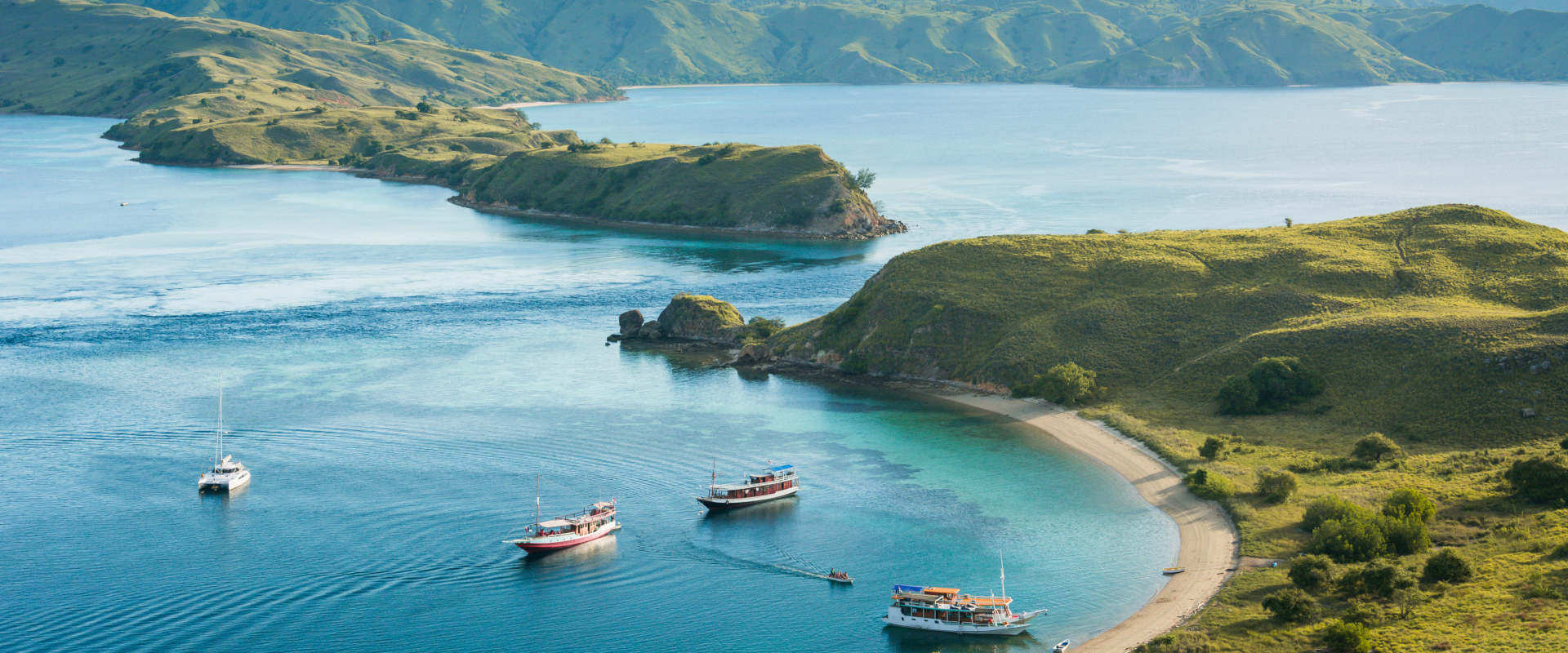
Liveaboard diving to Gili Lawa Laut in the Komodo National Park, Indonesia will delight divers with it's sheer numbers and diversity of marine life. Renowned for its beauty with stunning bays, crystal clear waters and gentle green slopes, Gili Lawa Laut is understandably a magnet for visitors on land and sea. The island is in the Lesser Sunda Islands and sits to the North of Komodo Island and the other small islet of Gili Lawa Daret and as such is protected as part of the Komodo National Park. Geologically the islets are volcanic like much of the region and they have beautiful hills popular with hikers who come for the stunning views and secluded beaches.

The island is uninhabited but has numerous trails for walking up the hills to see the surrounding area. The wildlife above water is slightly less of a draw than the sea life on this island as there is less vegetation than in other areas. The hills are grassy though, and the landscape is very beautiful and a popular photography spot for visitors to the national park. A wide selection of Indonesian liveaboards offer dive itineraries that visit Gili Lawa Laut.

Gili Lawa Laut Underwater

The area between the islands of Laut and Daret is very popular for diving, although the currents can be quite extreme making most sites drift dives. The conditions and potential for dangerous currents in this passageway mean that occasionally diving here is not possible.

The visibility in most of the sites can be 30 meters plus and the depth of most sites is fairly shallow, around 20 m/65 ft. Divers will notice that the currents caused by this shallow space between the islands can make the water feel colder than in other areas. The currents also bring plankton from the deep and so draw some bigger fish such as turtles, mantas and even the occasional dolphin pod.

One of the most impressive things divers will notice when visiting Gili Lawa Laut is the sheer number of fish and the size of the shoals. Trevally, snappers and silverside are here in great numbers which attracts in turn black and white tipped reef sharks, mobula rays and the dolphin pods.

Dive Sites Of Gili Lawa Laut

The area between Gili Lawa Laut and Gili Lawa Darat islands is an excellent dive site, albeit one with severe currents. Named The Passage, this dive site is a current highway with plankton rich water which means mantas can be seen feeding here along with mobula rays as well as tuna and jacks. The currents here mean this site can only be dived at certain times and normally at slack water. Even when it is possible divers should stick firmly to the walls to prevent from getting caught in what can be several knots of current. It is well worth it for the chance to see several mantas and rays passing by.

Crystal Rock and Castle Rock dive sites sit to the north of Gili Lawa Laut and are around a kilometre apart. They are not very deep but both are quite exposed which means strong currents and fantastic fish life with groupers, reef sharks and at Castle rock, sometimes even pods of dolphins. If you are lucky at Crystal Rock, you can see turtles and octopus as well. The Lighthouse dive site sits to the east of the island and offers areas that are more sheltered from the currents and a wall for shelter. There are fantastic corals here along with oriental sweetlips and batfish.

Top Tips for Divers

  • Some liveaboards offer the chance to go ashore and walk up the hills to see the stunning views so bringing sensible walking shoes and clothes is a good idea.
  • Stick close to your guide as the currents here can be some of the most unpredictable in the Komodo National Park.
  • Some of the dives offer a mix of macro and bigger fish so photographers should remember to be prepared for both.

Getting to Gili Lawa Laut

Gili Lawa Laut can be reached from both Labuan Bajo and Bali by dive liveaboard. There are a number of different kind of Indonesian liveaboards available both motor vessels and traditional Indonesian phinisi, two-masted sailboats that have been converted for diving. These sailing vessels make for a peaceful and relaxing stay with everything you need for a smooth diving experience too.

Bali International Airport (Ngurah Rai) offers regular flights to Asia and connections further afield making access easy to get to liveaboards departing from the Bali area. There are connecting flights to Labuan Bajo also from Bali or a several day long ferry ride if you are feeling adventurous.


Gili Lawa Laut Diving Reviews

  • Rating 9.4 out of 10
  • 9.4 Superb
  • Rating 10.0 out of 10
  • 10.0 Exceptional
  • Louis Charles R
  • Flag of United StatesUnited States

Komodo was unexpectedly great. I wasn’t sure I was going to enjoy it. Plenty of variety for every type of diver.

Diving Gili Lawa Laut in July on the Adelaar
  • Rating 10.0 out of 10
  • 10.0 Exceptional
  • Jessica S
  • Flag of United StatesUnited States

Great dives and gentle current at the time.

Diving Gili Lawa Laut in July on the Blue Manta
  • Rating 10.0 out of 10
  • 10.0 Exceptional
  • Karl G
  • Flag of United StatesUnited States

Dives here were great, especially the reef in some of the shallower areas.
Diving Gili Lawa Laut in July on the Tiare Cruise
  • Rating 10.0 out of 10
  • 10.0 Exceptional
  • Diane W
  • Flag of United StatesUnited States

Alligator fish, Double spined urchin, huge cuttlefish

Diving Gili Lawa Laut in September on the La Galigo


What to know about diving in Gili Lawa Laut

What is Gili Lawa in Komodo National Park?

Gili Lawa (often split into Gili Lawa Laut and Gili Lawa Darat) is an island in northern Komodo National Park, famous for a steep hiking trail leading to a sweeping viewpoint over the surrounding bays. Its surrounding waters are also a popular current-swept dive and snorkel stop on Komodo liveaboard itineraries.

Where exactly is Gili Lawa Laut located within Komodo National Park?

Gili Lawa Laut sits at the northern edge of Komodo National Park, one of a pair of islands — along with its southern neighbor Gili Lawa Darat — that mark the park's northern gateway. It's typically one of the first or last stops on a Komodo liveaboard route out of Labuan Bajo. The island itself is uninhabited, kept mainly for its hiking trail and surrounding reefs.

What is the famous hiking viewpoint on Gili Lawa Laut like?

A short, steep trail climbs to a ridge overlooking a scalloped bay and the surrounding islands, making it one of the most photographed viewpoints in Komodo National Park. Most visitors do the hike at sunrise or sunset to avoid the heat and catch the best light. It's typically paired with a dive or two on the same stop.

What is the typical depth range for diving at Gili Lawa Laut?

Dive sites around the island generally run from a shallow 16 ft (5 m) reef flat down to about 98 ft (30 m) along the current-swept slopes. Most reef diving happens in the 33–66 ft (10–20 m) band, with deeper drop-offs available for more experienced divers. Depth varies noticeably from site to site around the island.

How strong are the currents at Gili Lawa Laut?

How strong are the currents at Gili Lawa Laut? Currents here can run strong and change direction quickly, a hallmark of Komodo's northern sites where converging channels funnel water between islands. Some dives are relaxed drifts, while others call for a current hook to hold position. Dive guides typically brief the current pattern carefully before each entry.

What certification level do you need to dive Gili Lawa Laut?

An Advanced Open Water certification, or at least solid drift-diving experience, is generally recommended given the site's current strength. Newer divers can still join on calmer days at more sheltered spots nearby. Most operators assess the day's conditions before deciding which sites suit a group's experience level.

What marine life can you see around Gili Lawa Laut?

Expect schooling reef fish, reef sharks, and the occasional passing manta or eagle ray riding the currents that sweep past the island. The healthy hard coral cover here also supports a good range of smaller reef life for those who slow down to look. It's a solid mix of big-fish action and reef biodiversity typical of northern Komodo.

When is the best time to dive Gili Lawa Laut?

Indonesia's dry season, roughly April through October, generally brings calmer seas and better visibility to this part of Komodo National Park (as of 2026). The hiking trail is also more comfortable in drier conditions. Currents remain a factor at the dive sites year-round.

How does Gili Lawa Laut compare to nearby Gili Lawa Darat?

The two islands sit right next to each other, but Gili Lawa Darat's viewpoint and dive sites tend to be a touch more sheltered than Gili Lawa Laut's more current-exposed spots. Many itineraries visit both on the same day, using one for a relaxed sunset hike and the other for more adrenaline-driven diving. They're often treated as a matched pair rather than competing destinations.

How do divers typically reach Gili Lawa Laut — liveaboard or day boat?

Most divers reach it via multi-day liveaboard itineraries out of Labuan Bajo, since it sits at the far northern end of the park, well beyond comfortable day-boat range. A handful of longer day-trip charters do reach it on very full days, but it's the exception rather than the rule. Liveaboard access allows for both the sunrise hike and unhurried diving.

What is visibility like around Gili Lawa Laut?

Visibility typically runs 33–66 ft (10–20 m), improving toward the clearer end during the dry season and dropping when currents stir up sediment. It's rarely as gin-clear as some of Komodo's southern sites, but it's more than adequate for spotting the passing pelagics the area is known for. Conditions can vary between dives on the same day.

Is Gili Lawa Laut good for underwater photography?

Wide-angle photography suits the site well, with its schooling fish and dramatic underwater topography making for strong reef-scape shots. Current can make it tricky to compose slow macro shots, so photographers usually prioritize wide-angle gear here. Above water, the viewpoint hike is just as popular with landscape photographers.

Can you snorkel at Gili Lawa Laut?

Snorkeling is possible along the island's shallower fringing reef, particularly on calmer days when the current eases off. It won't match the deeper dive sites for big-fish sightings, but it's a worthwhile add-on for non-divers on a liveaboard itinerary. Guides typically pick the most sheltered spot for a given day's conditions.

What is the water temperature around Gili Lawa Laut?

Water temperature generally sits around 79–84°F (26–29°C), slightly cooler than tropical Indonesia's warmest spots due to Komodo's mix of currents. A 3mm wetsuit is standard, with some divers opting for a 5mm on longer or deeper dives. Thermoclines are occasionally noticeable near the current-swept drop-offs.

What should first-time divers know before diving Gili Lawa Laut?

Be ready for current — this isn't a lazy, drift-along reef, and dive briefings here tend to be detailed about entry points and exit strategies. Bringing a surface marker buoy and knowing how to use a current hook will make the experience far more comfortable. Pairing the dive with the island's hiking trail makes for one of the more memorable stops on a Komodo itinerary.

We’re here to help, 24/7.

Connect with our expert travel consultants to plan your next trip.

  • Oksana Kovaleva
  • Nina Kapp
  • Nicole Laughlin
  • Josue Zarco
  • Juliane Ball
  • Andrea Martinez
  • Farah Celada-Benito