Kom Ombo — Temple of Sobek and Horus the Elder
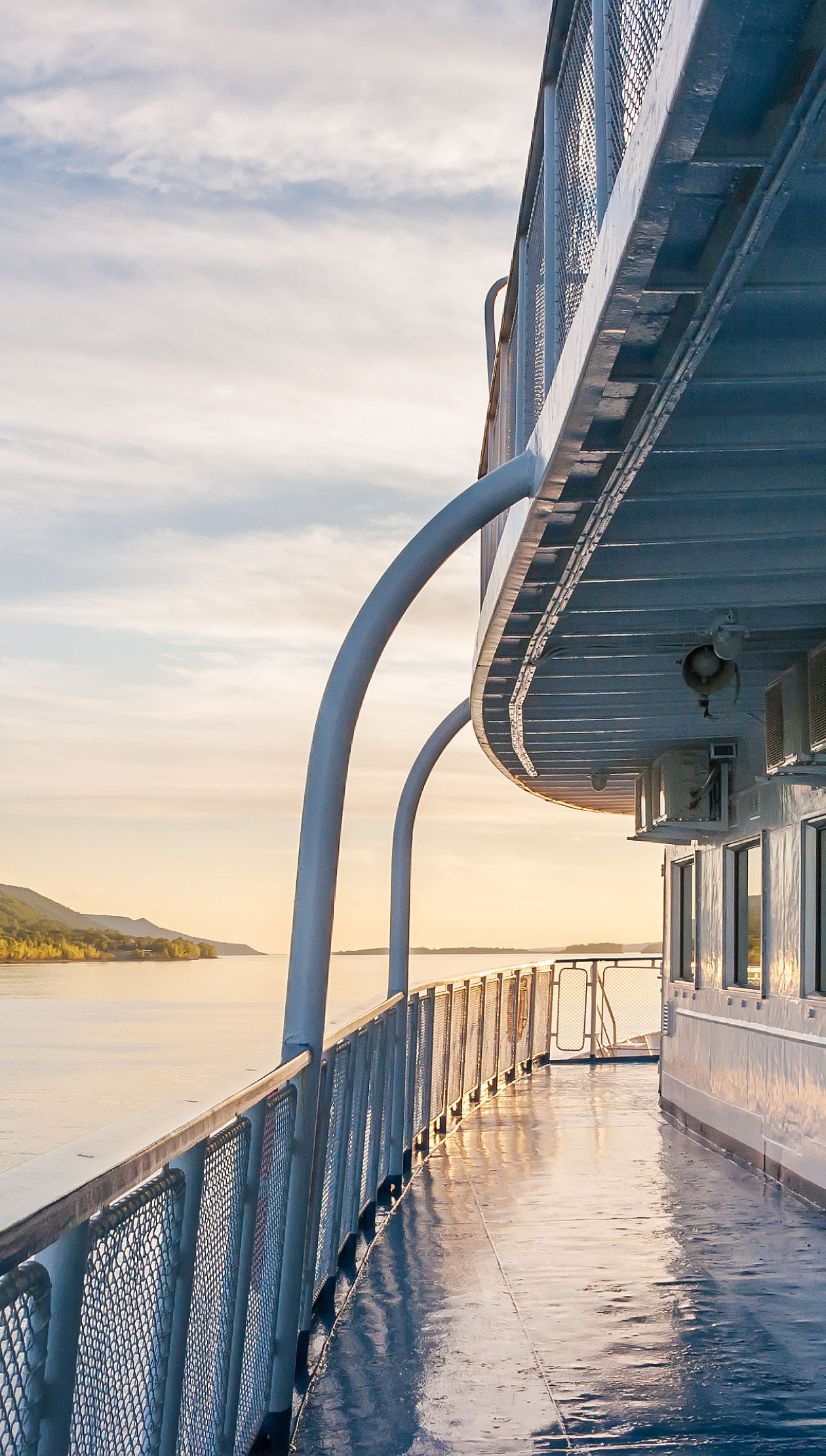
Nestled on the banks of the Nile between Edfu and Aswan, Kom Ombo is a fascinating stop on any Egypt river cruise, renowned for its unique double temple dedicated to both Sobek, the crocodile god, and Horus, the falcon-headed god. Cruising into Kom Ombo offers a dramatic approach, with the temple perched right at the water’s edge, bathed in golden light at sunrise or sunset. The site exudes an aura of ancient mystery, with beautifully preserved reliefs, columns, and a nearby Crocodile Museum displaying mummified reptiles that once roamed the Nile. The destination seamlessly blends myth, architecture, and river scenery into a truly memorable experience.
Anchoring at Kom Ombo, you’ll step onto a riverside promenade framed by lantern-lit cafés and curious camels. The unique double sanctuary—one half dedicated to the crocodile god Sobek, the other to the falcon-headed Horus—features symmetrical halls adorned with celestial calendars and depictions of surgical instruments. Explore the Crocodile Mummification Museum, where preserved reptiles underscore Sobek’s dominion.
Landmarks & Towns That Shape an Epic Itinerary
Aswan — Gateway to Nubia
Granite quarries, the UNESCO-listed Philae Temple, and the modern spectacle of the High Dam converge in Aswan. Sail a felucca around Elephantine Island, barter for hand-dyed scarves at the souk, and sip hibiscus tea in a Nubian village painted in blues and ochres.
Luxor — The World’s Greatest Open-Air Museum
Luxor holds one-third of the world's antiquities, from Luxor Temple’s sphinx-lined avenue to the Valley of the Kings across the river. Marvel at Karnak’s hypostyle hall, witness sunrise from a hot-air balloon, or venture to Nefertari’s tomb aglow with jewel-tone pigments.
Edfu — House of the Sky God
Guarded by black-granite falcons, the Temple of Horus in Edfu is Egypt’s most intact Ptolemaic monument. Horse-drawn calèches whisk you from dock to temple, passing date markets fragrant with cardamom.
Esna — Locks, Looms & Local Life
While ships queue at Esna Lock, stroll to the submerged Temple of Khnum, where Roman frescos peek above street level. Nearby workshops clatter with hand-thrown shuttles weaving colorful cotton.
Qena & Dendera — Hathor’s Celestial Realm
Cruise north to Qena and drive along sugar-cane fields to Dendera Temple. Its zodiac ceiling, music-dedicated chapels, and rooftop views capture ancient astronomy and artistry in vivid relief.
Cairo — Capital of Contrasts
Many long itineraries book-end in Cairo, pairing river serenity with Giza’s pyramids, bustling Khan el-Khalili bazaar, and Coptic churches. Browse River Cruises in Cairo
El Bashier Island — Bird-Watcher’s Haven
Hidden between lush papyrus beds, El Bashier Island entices nature lovers with kingfishers, cattle egrets, and migratory storks—Trek its sandy trails or kayak through mangroves.
What Makes a Nile Cruise Unforgettable
Culture at Every Turn
Local storytellers share fables of god-kings, while onboard Egyptologists decode hieroglyphics. Nubian dance troupes add drumbeats to desert nights, and village visits reveal how Nile silt still nourishes golden-green crops.
Cuisine Infused with History
Expect fragrant molokhia stews, grilled kofta, and honey-drenched basbousa, paired with citrusy Karkadeh tea or crisp Egyptian chenin blanc. Many ships source produce directly from riverside farms, delivering true farm-to-table freshness.
Cinematic Scenery
The panorama shifts from rugged sandstone bluffs to palm groves dotted with domed mud-brick villages. Dawn mist hovers above the water, while dusk ignites the sky in pink and amber streaks mirrored on the river’s glassy surface.
Choose Your Perfect Nile Itinerary
Short Breaks (3–5 Days)
- Kom Ombo & Soothing Sands: A round-trip Aswan voyage that spotlights Kom Ombo at golden hour, sails to El Bashier Island for bird-watching, and ends with a Nubian cooking class.
- Luxor Snapshot: A compact cruise between Luxor and Esna, offering private access to Karnak before crowds arrive.
Medium Escapes (6–9 Days)
- Nubia to Thebes Explorer: Trace Egypt’s southern treasures—Aswan, Kom Ombo, Edfu, Luxor—with an optional Abu Simbel flight.
- Festival of Horus: Timed with Wafaa Al-Nil celebrations, this itinerary includes nighttime temple illuminations and a traditional felucca regatta.
Grand Voyages (10+ Days)
- Cairo to Aswan Odyssey: Combine Lower and Upper Egypt, gliding beneath the shadow of Giza’s pyramids, through Esna Lock, and onward to Nubia’s colorful villages.
- Lake Nasser Extension: After disembarking in Aswan, board a second vessel across Lake Nasser to explore remote temples like Amada and Kasr Ibrim.
Special-Interest Cruises
- Wine & Gastronomy: Led by a sommelier, these sailings pair Egyptian terroir wines with regional dishes and include vineyard visits near El Quseir.
- Archaeology Immersion: Extra lectures, behind-the-scenes restoration sites, and exclusive Valley of the Queens chambers typically closed to the public.
- Photography Masterclass: Sunrise shoots at Kom Ombo, drone workshops over desert escarpments (where permitted), and nightly editing tutorials.
- Festive Season on the Nile: Swap snow for sunshine on Christmas or New Year's voyages, featuring onboard galas and a Coptic midnight Mass in Luxor.
Life Aboard a Nile River Vessel
Ship Sizes & Ambiance
Vessels range from boutique dahabiyas with 12 cabins—their billowing lateen sails evoking the 19th-century explorers—to contemporary river ships accommodating 120 guests, featuring sundeck pools and glass-walled lounges. Most cruises operate during daylight hours, docking overnight so passengers can wander under floodlit monuments.
Cuisine & Wine
Menus splice Egyptian flavors with continental favorites: think spiced lentil soup, seafood tagines, roast quail with pomegranate glaze. Sommeliers pour Upper Egyptian reds and French vintages, while afternoon tea arrives with hibiscus-tinged scones.
Excursions & Enrichment
Daily tours, led by licensed guides, include skip-the-line temple access, camel treks, Nubian home visits, and stargazing talks under unpolluted skies. On non-sailing days, hot-air balloon rides and desert quad-biking add adrenaline.
Traveler Types
- Couples: Romantic rooftop dinners at Kom Ombo with live oud music.
- Families: Kid-friendly hieroglyph workshops and treasure hunts through temple complexes.
- Solo Explorers: Hosted tables, small-group excursions, and no single supplements on select dates.
- Luxury Seekers: Butler-served suites, private guides, and curated after-hours temple tours lit by torchlight.
“To cruise the Nile to Kom Ombo is to float through a living scroll of human ingenuity. With each bend, the river whispers legends of gods and queens, farmers and scholars. Step aboard, feel the desert wind merge with the river’s eternal pulse, and let Egypt’s sacred waters carry you into a story that began long before written time—and will inspire long after you return home.”