Liveaboard.com

Irian Jaya Liveaboard Diving

Compare and book your trip online.

  • 100% Best Price Guarantee

Liveaboard Diving in Irian Jaya

What To Expect On A Irian Jaya Liveaboard

Irian Jaya liveaboards visit the province more recently known as the West Papua province was held under Dutch control until 1969 when it became part of Indonesia. The province includes the Bird’s head and Bomberai peninsulas and the Raja Ampat islands to the West. The capital of Irian Jaya is Sorong situated on the Western coast of Bird’s head peninsula, most Indonesian liveaboards visiting Irian Jaya depart from Sorong’s port.

Liveaboard dive cruises departing from Sorong are the very best way to visit the dive sites in this otherwise isolated region. Visitors should remember that this is an adventurous, frontier destination and facilities are limited. Thankfully this means that the dive sites still possess their raw beauty and untouched feel. The feeling in Irian Jaya is amazing, diving off tiny uninhabited islands in crystal clear water bursting with life, it’s a dream come true for liveaboard diving.

Irian Jaya Underwater

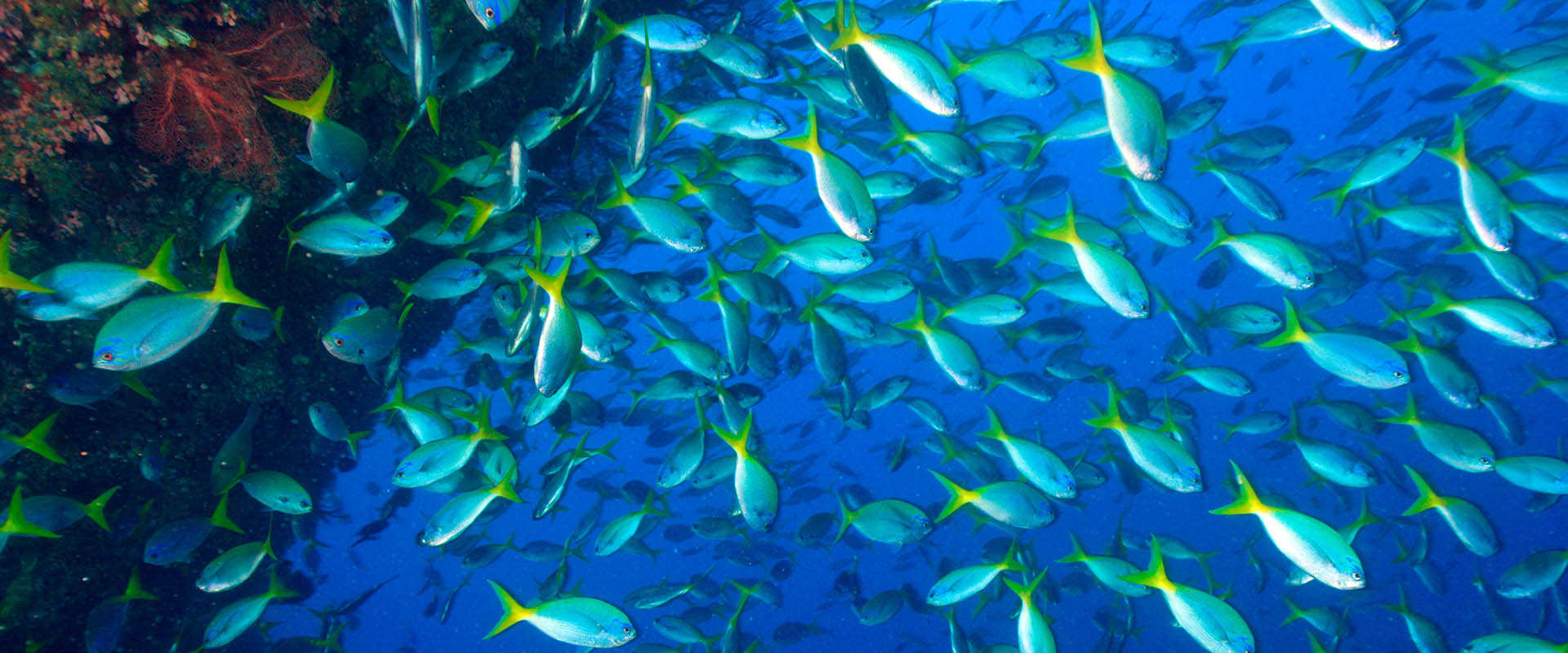
Irian Jaya region is incredibly fortunate to be situated in the coral triangle which means that most of the sites you will be scuba diving from a liveaboard in this region, will have a stunning reef as standard. The Raja Ampat islands in particular have some of the finest reefs for diving in Indonesia so it’s no surprise that dive tours here are so popular. These islands are home to more than 600 species of coral and 1,200 species of fish, making this one of the most marine diverse places in the world.

The currents you will experience when diving in Irian Jaya can be quite strong and there is a frequent upwelling of plankton rich water, which means there are ample opportunities to dive with mantas, turtles and even dolphins in Raja Ampat. To the North the huge expanse of Cenderawasih bay also offers a golden opportunity to dive with whalesharks in numbers rarely seen anywhere else in the world. Diving liveaboards in Cenderawasih bay offer dives close to the fishing platforms where whalesharks, turtles and dolphins gather hoping for a free lunch.

Dive Sites of Irian Jaya

There are spectacular diving sites in many parts of Irian Jaya, starting in the South with Triton Bay. This bay is one of the most famous dives sites on the South side of West Papua, not surprising since this dive site alone has more than 900 types of reef fish and more than 400 species of coral. The visibility can be up to 30 meters and there are also bigger fish like barracuda and trevallies. Not that anyone diving in Triton bay should let that distract them from the turtles and mantas that often breeze by, or even the occasional whaleshark.

Whalesharks are also the main attraction for diving liveaboards in Cenderawasih bay. The fishing platforms in this bay have a special attraction for these gentle giants. Believing whalesharks to be good luck the men working on the platforms feed baitfish to them for good fortune. The result being that it is possible to see a concentration of whalesharks that will bowl over even the most experienced divers. Add to that, diving in crystal clear waters, turtles and even dolphins and this site is the cream of the liveaboard diving crop.

Top Tips for Divers

  • Irian Jaya has become more developed in recent years but facilities are still basic so bring spares of anything you can’t manage without.
  • Reaching Irian Jaya is time consuming so it would be wise to spend a night in Sorong before you diving liveaboard starts to be well rested and make the most of your liveaboard diving.

Getting to Irian Jaya

The isolated nature of Irian Jaya means that as in many areas of Indonesia, liveaboard diving is the only way to reach the best dive sites. Cenderawasih bay in particular is only accessible by scuba. There are many different kinds of liveaboard boats in Irian Jaya, depending on your budget and tastes.

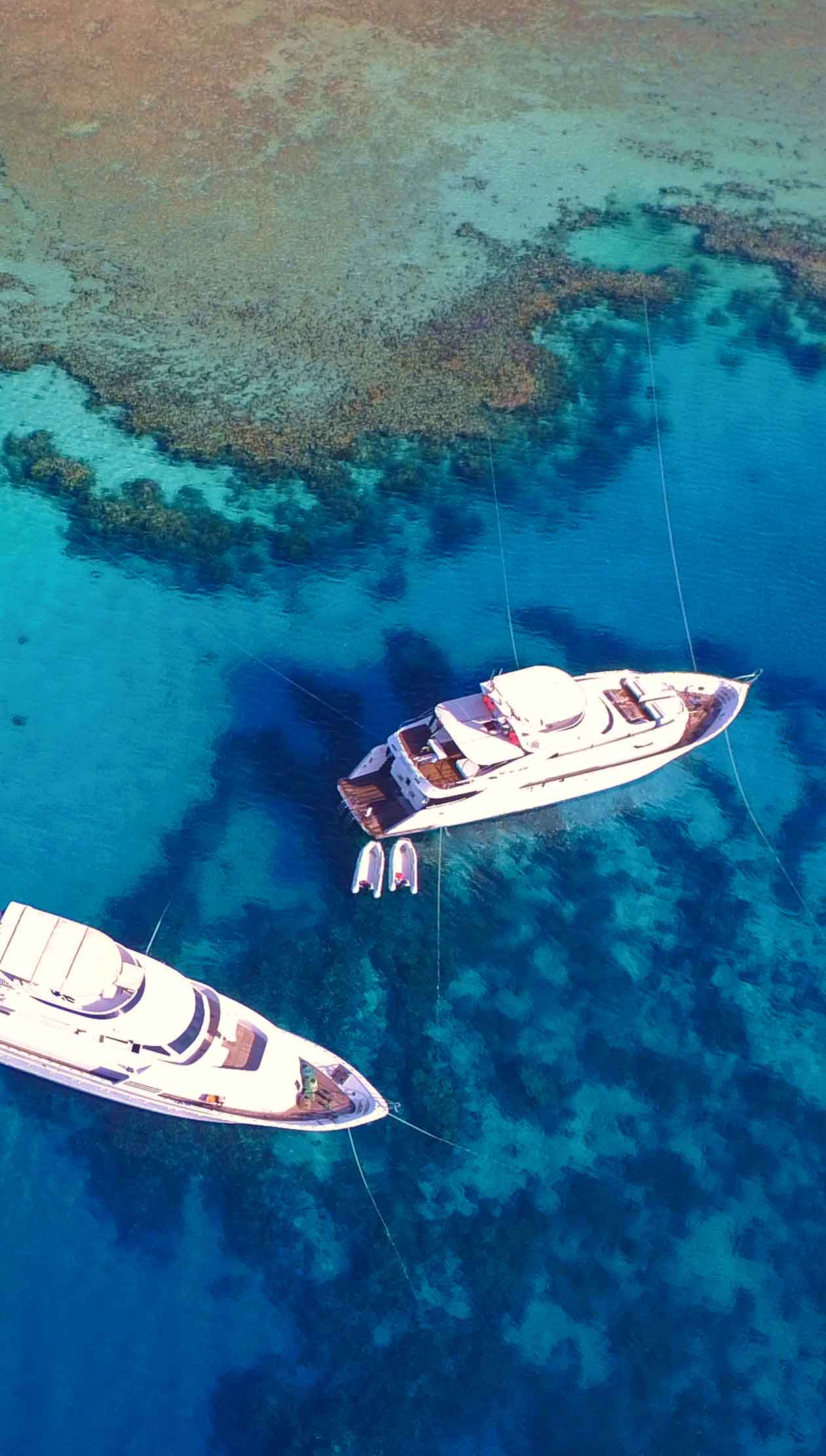
There are several beautifully equipped Indonesian liveaboard motor vessels which offer luxurious accommodation and top of the line diving facilities. One of the most popular options however is to travel on a traditional Indonesian sailing boat. These beautiful liveaboard boats offer a peaceful and authentic journey and custom built dive facilities. Sufficed to say, liveaboard diving in Irian Jaya is like staying on your own luxurious diving hotel in perfect isolation.

In recent years reaching Irian Jaya has become much easier, especially because the expansion of Sorong airport has allowed larger aircraft to land in this area. There are however no international flights into Irian Jaya at the time of writing. Those wanting to board dive cruises in Sorong should fly from Singapore or Jakarta to Manado and then take a domestic flight to Sorong.




What to know about diving in Irian Jaya

What is Irian Jaya?

Irian Jaya was the official name for the Indonesian half of the island of New Guinea from 1973 until 2002, when it was renamed Papua (and later split into multiple provinces). The name still appears in older travel and dive literature referring to what is now Papua and West Papua, including Raja Ampat.

Is Papua the same as Irian Jaya?

Yes — Papua is the current name for the region formerly called Irian Jaya, Indonesia's western half of the island of New Guinea. The renaming took effect in 2002, though 'Irian Jaya' still appears on some older maps, in books, and on websites.

Who are the people of Irian Jaya (Papua)?

The region now called Papua, formerly Irian Jaya, is home to hundreds of distinct indigenous groups and languages, among the most linguistically diverse areas on Earth. Many communities maintain traditional customs alongside a growing tourism economy centered on Raja Ampat's diving and birdwatching.

Why was Irian Jaya renamed to Papua?

The Indonesian province officially changed its name from Irian Jaya to Papua in 2002, aligning it with the name used for the broader island and its indigenous identity. The older name still surfaces in dive guides, maps, and travel literature printed before the change. Today, "Papua" is the name used in current maps and travel planning.

What is Papua known for today?

Modern Papua is best known among divers for Raja Ampat, Cenderawasih Bay, and Triton Bay — three destinations that place it at the heart of the Coral Triangle's most biodiverse waters. It's part of Indonesia's far eastern reaches, bordering the independent country of Papua New Guinea. The region attracts serious dive travelers rather than casual tourists, given its remoteness.

What diving destinations are found in what was once called Irian Jaya?

The area once known as Irian Jaya now encompasses Raja Ampat's reefs, the whale shark encounters of Cenderawasih Bay, and the biodiverse waters of Triton Bay in the Kaimana regency. Each offers a distinct diving style, from Raja Ampat's dramatic biodiversity to Cenderawasih's in-water whale shark interactions. Together, they represent some of the least-crowded, highest-biodiversity diving anywhere in Indonesia.

Is Raja Ampat part of the region formerly known as Irian Jaya?

Yes — Raja Ampat sits off the Bird's Head Peninsula in what is now Papua province, the same territory that was called Irian Jaya until 2002. It's the most famous destination in this broader region. Most travelers today simply refer to it by name rather than by the province's former designation.

What is the Bird's Head Seascape?

The Bird's Head Seascape is the name given to the marine region covering the western tip of Papua's peninsula, including Raja Ampat, Cenderawasih Bay, and Triton Bay. It's considered part of the most biodiverse marine environment on Earth, sitting at the heart of the Coral Triangle. The name reflects the peninsula's shape on a map, resembling a bird's head.

Can you dive with whale sharks in Cenderawasih Bay?

Yes — Cenderawasih Bay, Indonesia's largest marine national park, is known for in-water encounters with whale sharks that gather around traditional fishing platforms called bagans. Unlike many whale shark destinations tied to a narrow seasonal window, sightings here happen largely year-round. It's considered one of the more reliable places in the world to snorkel or dive alongside them.

What is Triton Bay known for?

Triton Bay, in West Papua's Kaimana Regency, gained attention after a 2006 Conservation International survey recorded exceptional coral and fish biodiversity there. It's also known for sightings of walking (epaulet) sharks, which use their fins to move across the reef. Conditions tend to be calmer than the more current-driven diving found in Raja Ampat.

How do you get to Papua's dive destinations?

Access typically starts with a flight to a regional hub such as Sorong for Raja Ampat or Manokwari for Cenderawasih Bay, followed by a boat transfer or liveaboard connection. Given the province's remoteness, multi-leg travel is the norm rather than the exception. Trip planning usually allows extra buffer days for these connections.

What makes Papua's waters so biodiverse?

Papua lies at the core of the Coral Triangle, the global center of marine biodiversity, and its position at the convergence of major ocean currents helps explain the exceptional fish and coral counts recorded in Raja Ampat, Triton Bay, and neighboring waters. Surveys in the region have repeatedly documented some of the highest reef biodiversity figures found anywhere on the planet. It's this concentration of species, more than any single site, that defines the region's reputation.

Is old travel literature referring to "Irian Jaya" still relevant today?

Largely yes, in terms of geography — older guides and maps labeled "Irian Jaya" describe the same physical destinations known today as Papua, including Raja Ampat and Cenderawasih Bay. The name itself is outdated, but the underlying dive sites and logistics have simply been rebranded under the current provincial name. Travelers occasionally still see the old name pop up in dated resources.

What is the difference between Papua (Indonesia) and Papua New Guinea?

Papua is an Indonesian province occupying the western half of the island of New Guinea, while Papua New Guinea is a separate, independent country occupying the eastern half. The two share the same island but have different governments, currencies, and travel requirements. Divers researching the region should double-check which side of the border a given destination falls on.

What is the best time of year to dive in Papua?

Indonesia's general dry season, roughly April through October, tends to bring the calmest conditions for most of Papua's dive regions (as of 2026). Cenderawasih Bay's whale shark encounters are more of a year-round exception, tied to fishing activity rather than seasonal weather. Specific destinations within the province can have their own local variations worth checking before booking.

We’re here to help, 24/7.

Connect with our expert travel consultants to plan your next trip.

  • Mylene Issartial
  • Farah Celada-Benito
  • Nicole Laughlin
  • Ester Canali
  • Nina Kapp
  • Oksana Kovaleva
  • Juliane Ball