Liveaboard.com

Australia Liveaboard Diving

Compare and book 6 liveaboards with 1,563 verified reviews online

  • 100% Best Price Guarantee

Liveaboard Diving in Australia

Diving in Australia is literally immersing yourself in an underwater paradise.

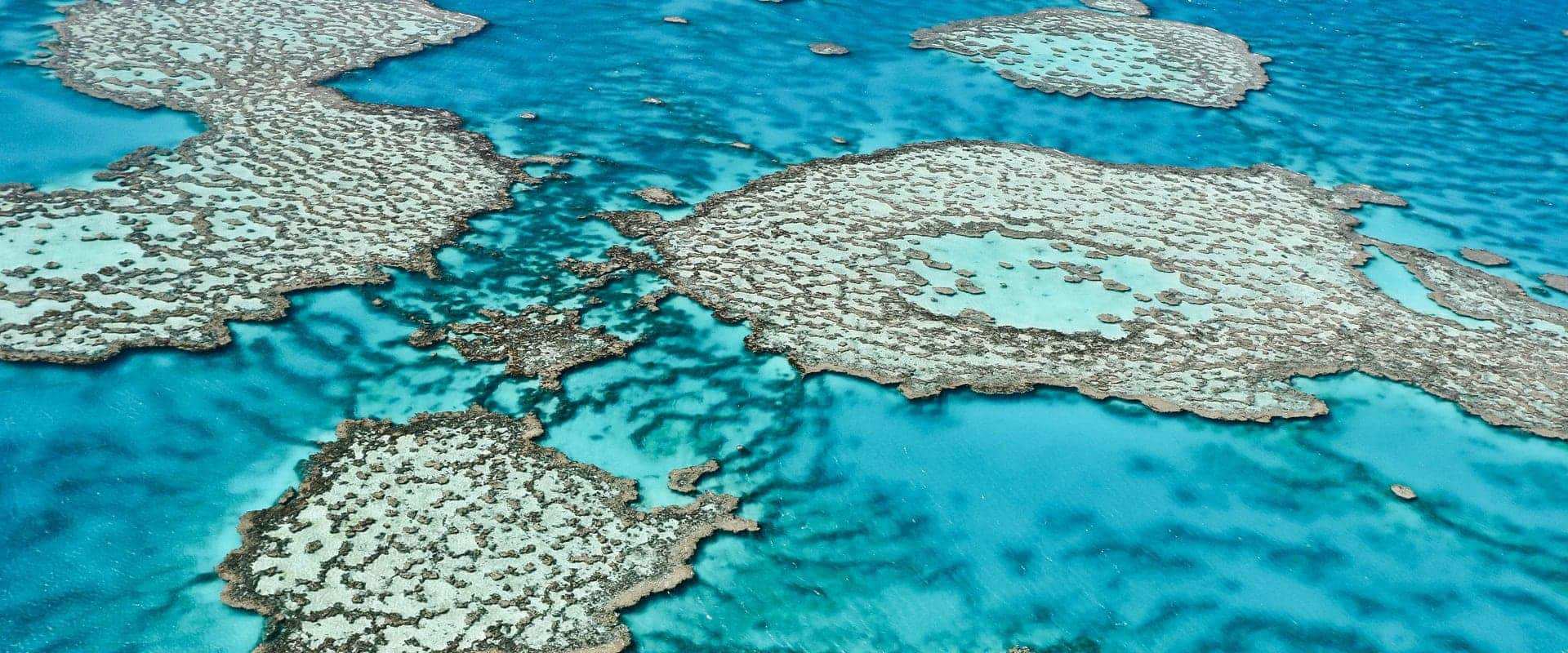
Liveaboard diving in Australia is a must for many divers', and when anyone considers Australia as their next holiday destination, it's impossible to overlook what is on offer underwater. With a coastline of over 25 000 kilometres, much of it in tropical and sub tropical waters, the 'lucky country' is blessed with outstanding diving, guaranteed to please all levels from a novice up to the most experienced. Diving in the Great Barrier Reef (GBR) in Queensland is deservedly on many people's bucket list, with countless stunning reefs to explore from the many dive tours available from Cairns and the surrounding area.

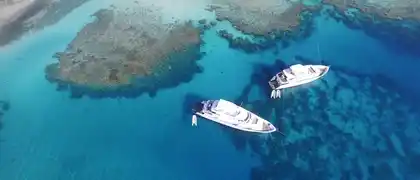
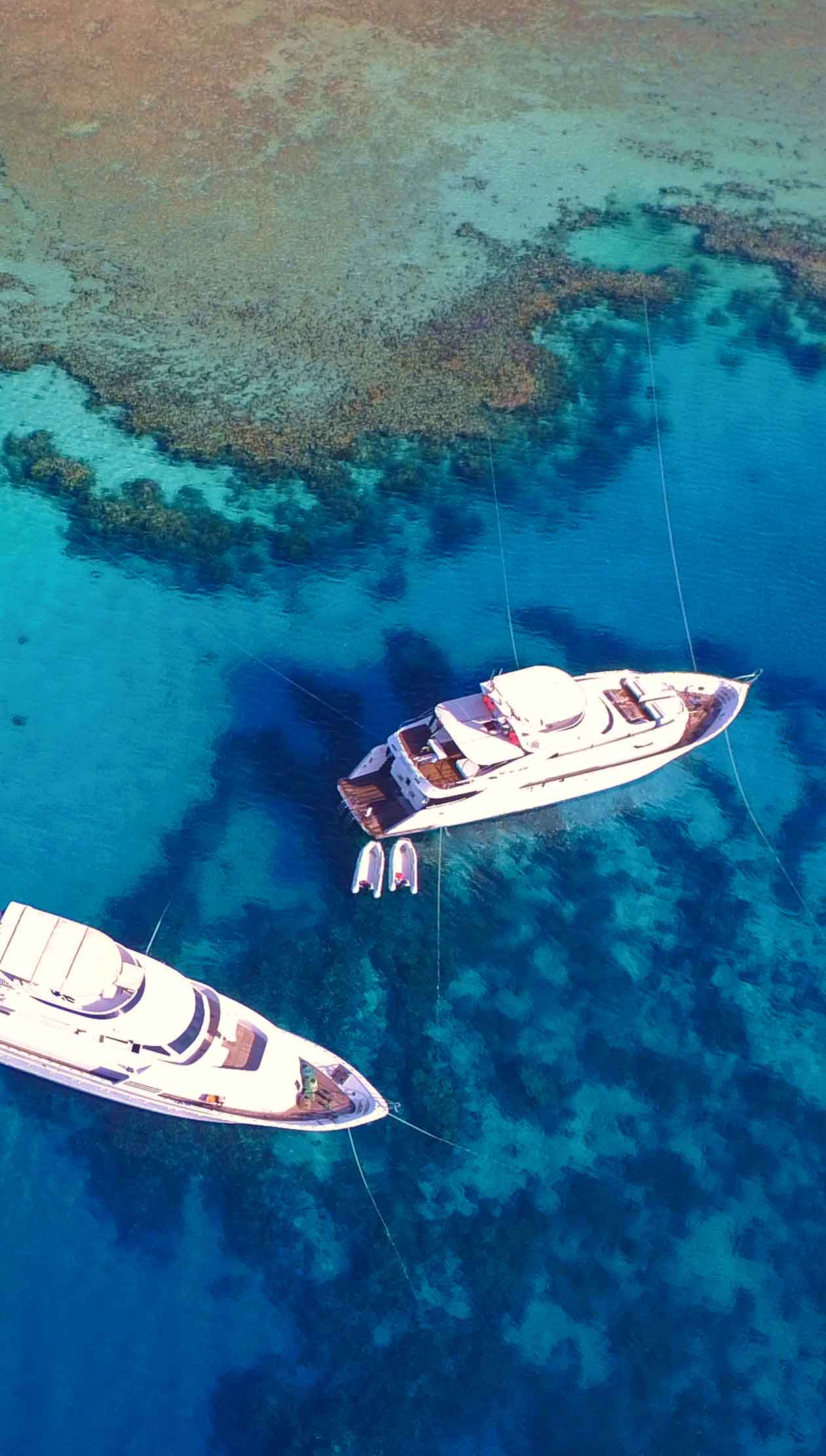
The best way to truly appreciate the World's largest reef system, is to set sail on one of many Cairns based liveaboards, which will propel you to areas of the outer reef, allowing you to avoid the sometimes crowded inner reef, and view beautiful unspoilt coral and a wide variety of stunning marine life. Dive cruises from Cairns will also take you to parts of the GBR situated in the aptly named Coral Sea, where the visibility (on average well over 40 metres) and diversity is simply breathtaking. Then there is the wreck of the SS Yongala, widely recognised as one of the World's best dive sites, combining history with marine life to an unparalleled level.


The main draw is, of course, the GBR. However, Australian diving and liveaboard diving are not limited to this corner of the country. Many divers head to the opposite coast in Western Australia, where the diving opportunities are again almost endless. Liveaboards here make it possible to dive into the lesser-known and remote areas of Mermaid and Clerke Reefs in the Rowley Shoals, providing access to some of the country's most pristine and thrilling marine parks.

Liveaboard Diving Trips in Australia

Liveaboard.com offers a range of vessels in Australia, from modern, purpose-built dive boats to sleek, fast catamarans. Each boat has its own unique feel, ranging from 24m to 37m, and can host 20-48 guests. They all include A/C. and electricity, and several of our boats feature free internet, but please check this before booking.

Itineraries range from 3 day/2 night trips to the Outer Great Barrier Reef to the all-encompassing 8 day/7 night tours, which will sail you through much of what Queensland has to offer. Some itineraries even include a return scenic flight, allowing you to witness the route you have taken from the air.

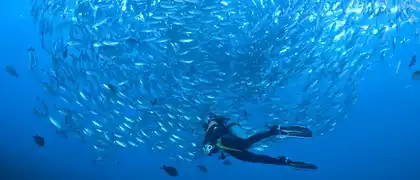
Tours start in the early morning of the first day, and most operators offer a complimentary pick-up from your accommodation. To ensure maximum safety and comfort, the first dive is often a 'check' dive, enabling the crew to establish the group's and individual diving levels and, from there, tailor the trip to everyone's needs. Don't worry; even this first dive will be on a beautiful and unspoiled reef, giving you a taste of what to expect in the following few days! Diving from an Australian liveaboard will introduce you to the vast biodiversity not found near shore, and regularly includes sightings of families of Potato Cod, Grey and Silver Tip Whaler Sharks, Hammerheads, Manta Rays, Humpback Whales, and Maori Wrasse, along with a stunning array of hard and soft corals. Depending on your choice of dive cruise, you may even be able to partake in Minke Whale monitoring!

Every effort is made to accommodate individual requests, and itineraries can often be adapted to include extra sites, although, as always, the crew will adhere to strict safety standards, so each trip will depend on weather conditions and diver experience.

Dive Sites And Areas of Australia

The Great Barrier Reef is the World's largest coral reef system and the largest living organism, stretching for 2300km along the coast of Queensland. It consists of over 2900 reefs and 900 islands, including the stunning sites of the Osprey Reef, Ribbon Reef, Milln Reef, Flynn Reef, Cod Hole, Lizard Island, Bougainville Reef, North Horn, and the SS Yongala wreck. Most of these locations are only accessible via a liveaboard tour departing from Cairns.

Osprey Reef is in the Coral Sea section of the GBR and accessible via liveaboard from Cairns. Famous for its 40m+ visibility, the reef features many small caverns, swim-throughs, and almost guaranteed sightings of several shark species at North Horn.

Ribbon Reef is a 175km line of 10 individual reefs lying to the north of Cairns, which are quite isolated and only reachable via a few liveaboards. Due to their remoteness, these reefs offer sheltered, warm waters and are in pristine condition.

Milln Reef is located about 60km offshore from Cairns and includes 3 large coral pillars known as the Three Sisters. The area is great for snorkeling and diving; your crew may arrange a night dive for you, where you'll likely see sleeping turtles and crabs.

Flynn Reef offers diving for all levels and is best known for its coral garden, one of Australia's finest, featuring a stunning array of hard and soft corals.

Clerke Reef offers an opportunity to explore the underwater world of the Rowley Shoals Marine Park, where crystal-clear waters and abundant marine life create a diver's paradise. This remote reef system, accessible only by liveaboard, promises dive sites featuring pristine coral gardens, wall dives, and encounters with diverse marine species.

Cod Hole lets you get close to the huge but friendly and docile Potato Cod, which has a habit of posing for the camera! Other attractions here include Maori Wrasse and Moray Eels. This dive site is located north of the Ribbon Reefs and will often form part of a Ribbon Reef liveaboard.

Lizard Island is an island in the unspoiled national park and the most northerly resort on the GBR. Our liveaboards often involve a scenic reef flight either from Cairns at the start or back to Cairns from Lizard Island.

Diving in Western Australia is arguably as spectacular as that on the East Coast and may appeal to divers seeking a less-visited area of the planet. Liveaboards leave Broome in the state's northwest to access the truly unspoiled Clerke Reef and Mermaid Reef in the Rowley Shoals.

Rowley Shoals are a series of three coral shelf atolls 250km west of Broome that attract divers from all over due to their uniqueness. Along with their stunning coral gardens, there are over 650 species of fish, many of which are not found near the shore, so they can only be viewed from the luxury of a liveaboard boat.

When To Go

Diving on the GBR is great all year round, with water temperatures ranging from 24c in the winter (July/August) to 30c in the summer (December/January). Minke and Humpback whales can be seen between June and November, with summer offering the best visibility and warmest waters to take advantage of the array of life on the reef.

The best time to visit the Rowley Shoals in Western Australia is September to December. Early booking is advised, as diving on a liveaboard is the only way to explore these pristine reefs.

Tips For Travelers

  • English is the native language of Australia, although many liveaboard operators have crews who can communicate in many common languages.
  • The local currency is the Australian Dollar, and most major international credit cards are widely accepted. ATMs are readily available (although not on board!)
  • Electricity is supplied via 3-pronged sockets of 230 volts (50Hz) - make sure you acquire the correct adaptor!
  • Most liveaboards offer full equipment rental, but you must bring your certification and logbook as part of the safety protocol.

How To Get There And Ports Of Departure

Most liveaboards to the GBR and the Coral Sea depart from and return to Cairns. Conveniently, Cairns has an international airport served by many carriers, offering direct flights to a wide range of international destinations. In the unlikely event you are unable to fly directly to Cairns, there are regular daily domestic flights from the well-known hubs of Brisbane, Sydney, or Melbourne.

On the West Coast, Broome is the main port for liveaboard trips to the Rowley Shoals and associated reefs. Due to its remoteness, direct international flights are less common. It does have an international airport serving a handful of destinations, but it is more likely that you will fly into the state capital of Perth, where you can easily catch a connecting flight to Broome.

Cairns and Broome are holiday destinations in their own right, each offering world-class hotels and resorts. From Cairns, you can easily access the stunning tropical Daintree rainforest and waterfalls in the Atherton Tablelands (Peter Andre filmed his famous 'Mysterious Girl' video here!).

Broome is on the edge of the world-famous Kimberley region, one of the most remote and spectacular areas.

Considerations

Australian diving liveaboards cater to all types of travelers, from budget-conscious to luxury, with prices ranging from around US$150 to US$ 300 per person per day/night. Please check with your chosen operator for any extra charges, as some areas of Australia require marine park fees, reef taxes, port fees, a fuel levy, and an environmental management charge.

Australia requires most international visitors to have a passport valid for 6 months and a valid visa. Please visit https://www.abf.gov.au/ to find out how to obtain the correct visa.

As always, appropriate travel insurance should be purchased before traveling.


Australia Diving Reviews

  • Rating 9.2 out of 10
  • 9.2 Superb
  • Rating 8.8 out of 10
  • 8.8 Fabulous
  • Kimiko K
  • Flag of United StatesUnited States

We snorkeled. Could be better about informing the boundaries as definitely had both experienced and non-experienced snorkelers and my husband kept getting called back. One of the safety said if he had gone in another direction then he wouldn’t have been called back. One of the members of our group had a lot of trouble with mask fitting properly- most likely because of his size and beard. Frustrating to him and turned him off from snorkeling beyond the 2 out of 8 options. But overall - the majority of our group had a great experience snorkeling.

Diving Australia in May on the Ocean Quest
  • Rating 10.0 out of 10
  • 10.0 Exceptional
  • Inge D
  • Flag of United StatesUnited States

Very good equipment and guides for dives and snorkeling. We saw a lot of fish, turtles, sharks, rays, and coral, but the reefs are damaged from recent typhoon and a lot of the coral has died.

Diving Australia in April on the Ocean Quest
  • Rating 8.4 out of 10
  • 8.4 Very good
  • Steven S
  • Flag of United StatesUnited States

Visibility was bad in April, but water was warm with a good variety of sea life and MANY sharks on night dives.

Diving Australia in April on the Ocean Quest
  • Rating 9.2 out of 10
  • 9.2 Superb
  • Oscar Z
  • Flag of United StatesUnited States

It was ok. Not as lively as I expected it to be.

Diving Australia in February on the Pro Dive Cairns


What to know about diving in Australia

Is the Great Barrier Reef safe to visit?

The reef is considered safe for the vast majority of visitors when basic precautions are followed — shark encounters are rare, and reef sharks are generally non-aggressive, while the main hazard is seasonal marine stingers (box jellyfish and Irukandji) present roughly from October to May. Wearing a stinger suit and diving or snorkeling with a licensed operator, who monitors conditions daily, addresses nearly all of the risk. As of 2026, fatal incidents remain extremely rare relative to the millions of visitors the reef receives each year.

What animals live in the Great Barrier Reef?

The reef supports more than 1,500 fish species and around 400 types of hard and soft coral, plus six of the world's seven marine turtle species, dolphins, and dugongs. Liveaboard divers also regularly encounter over a dozen shark species — whitetip, blacktip, and grey reef sharks are the most common — along with manta rays on outer reef and Coral Sea sites.

How deep is the Great Barrier Reef?

Reef depths typically range from about 15-100 ft (5-30 m), with the reef structure dropping away sharply into deeper channels and walls in places like the Coral Sea's outer atolls. Most recreational dives sit in the 30-60 ft (9-18 m) range, while open-water certified divers can go deeper on wall and drift dives offered by liveaboard operators.

Can you snorkel the Great Barrier Reef?

Yes — snorkeling is one of the most popular ways to experience the reef, and most liveaboard diving itineraries build in dedicated snorkel time at shallow bommies and lagoons alongside the scheduled dives. No certification is required, just basic swimming ability and, during stinger season (roughly October-May), a lycra stinger suit.

When is the best time to dive the Great Barrier Reef?

May through August offers the driest weather and the best underwater visibility, plus the chance to swim with dwarf minke whales in June and July on far-north itineraries. September through December brings warmer water and coral spawning in October-November, so the "best" window really depends on whether divers prioritize visibility, whale encounters, or spawning events.

Are there sharks in the Great Barrier Reef?

Yes, the reef is home to more than a dozen shark species, most commonly whitetip, blacktip, and grey reef sharks that divers see resting on sandy bottoms or cruising outer reef slopes. These species are shy around people and pose minimal risk — shark attacks on the reef remain extremely rare, as of 2026.

How do you get to the Great Barrier Reef?

Most liveaboard trips depart from Cairns, Port Douglas, Airlie Beach, or Townsville, all of which are served by domestic flights from Brisbane and Sydney, with Cairns serving as the main international gateway for the northern reef and Coral Sea. From port, liveaboard vessels typically cruise 2-10 hours to reach outer reef and Coral Sea dive sites, depending on the itinerary.

How do you get to Ningaloo Reef?

Ningaloo Reef sits off Western Australia's North West Cape, on the opposite side of the continent from the Great Barrier Reef, with Exmouth as the main gateway — most visitors fly in via Perth, about 780 mi (1,250 km) to the south. Unlike the Great Barrier Reef's boat-out-to-the-reef model, Ningaloo is a true fringing reef, so many sites are reachable by a short boat ride or even a swim straight from the beach.

Where is Ningaloo Reef located?

Ningaloo Reef runs for roughly 162 mi (260 km) along Western Australia's remote North West Cape, from Exmouth south to Coral Bay. It's one of the few large reef systems in the world that fringes the coast directly rather than sitting offshore, which is what makes its marine life — including whale sharks — so accessible.

Where can you swim with whale sharks in Australia?

Ningaloo Reef, off Exmouth in Western Australia, is Australia's premier whale shark destination and one of the few places on Earth with a reliable, near-daily encounter season. Boats use spotter planes to locate the sharks, then guide small snorkel groups into the water for a supervised swim alongside these filter-feeding giants, which can reach 40 ft (12 m) or more in length.

When is whale shark season at Ningaloo Reef?

Peak season runs from March through July, when whale sharks gather to feed on plankton blooms triggered by coral spawning, with sightings reported on most days during that window. Manta rays overlap heavily from May through September, and humpback whales migrate past from roughly June through October, so a trip timed for May-July can realistically combine all three species.

What is the SS Yongala, and why is it considered one of the world's best wreck dives?

The SS Yongala was a 350 ft (107 m) passenger steamer that sank in a cyclone off Queensland on the night of March 23-24, 1911, with the loss of everyone aboard — at least 122 people. The intact wreck now lies in open water about 48 nautical miles (89 km) southeast of Townsville, its hull spanning roughly 52-100 ft (16-30 m), and over a century of growth has turned it into one of the most biodiverse artificial reefs on the planet, regularly rated among the world's top wreck dives for the sheer density and variety of marine life.

Where are the Neptune Islands, and what are they known for?

The Neptune Islands sit about 40 nautical miles (74 km) south of Port Lincoln in South Australia, and their large resident fur seal colony makes them one of the most reliable great white shark aggregation sites in the world. Cage diving trips run from Port Lincoln, with the strongest shark activity typically from April through August, as of 2026 operating seasons, when adult females arrive to feed on newly independent seal pups.

What is Osprey Reef, and how is Coral Sea diving different from the Great Barrier Reef?

Osprey Reef is a remote atoll roughly 210 mi (340 km) off the Queensland coast in the Coral Sea, reached only by an 18-20 hour liveaboard crossing from Cairns with no day-boat access at all. Its walls plunge to over 6,560 ft (2,000 m) with visibility often exceeding 130-200 ft (40-60 m), and signature sites like North Horn can show 20-30 sharks — grey reef, silvertip, and hammerhead — on a single dive, a different order of marine density than most Great Barrier Reef sites offer.

What are the Rowley Shoals, and how do you get there?

The Rowley Shoals are three isolated coral atolls about 162 mi (260 km) west of Broome in Western Australia, reachable only by liveaboard and diveable only in a brief window from late September to early November each year when sea conditions allow the crossing. Visitor numbers are capped at only a few hundred divers annually, so operators recommend booking at least a year ahead, as of 2026 availability.

What certification level do you need for Australia's more remote liveaboard dive sites?

Sites like Osprey Reef in the Coral Sea and the Rowley Shoals see strong tidal currents and open-ocean exposure, so most operators require Advanced Open Water certification plus a meaningful number of logged dives before booking a trip. The Great Barrier Reef and Ningaloo Reef, by contrast, offer plenty of sheltered sites suited to Open Water divers and even snorkelers, so the certification bar really depends on which region of Australia the itinerary covers.

What is the water temperature in the Great Barrier Reef?

Water temperatures range from around 75°F (24°C) in winter (December-February) to about 86°F (30°C) in summer (June-August). A 3mm wetsuit is generally comfortable in the cooler months, while many divers get by with just a rash guard or a 1-2mm suit in summer.


Similar destinations

Micronesia

Micronesia

  • Rating 9.3 out of 10
  • 7 liveaboards
  • 136 reviews
Thailand

Thailand

  • Rating 9.1 out of 10
  • 34 liveaboards
  • 783 reviews
Papua New Guinea

Papua New Guinea

  • Rating 9.5 out of 10
  • 2 liveaboards
  • 6 reviews
Egypt

Egypt

  • Rating 9.1 out of 10
  • 79 liveaboards
  • 1,192 reviews
Maldives

Maldives

  • Rating 9.2 out of 10
  • 42 liveaboards
  • 1,147 reviews
Solomon islands

Solomon islands

  • Rating 7.7 out of 10
  • 2 liveaboards
  • 10 reviews

We’re here to help, 24/7.

Connect with our expert travel consultants to plan your next trip.

  • Ester Canali
  • Juliane Ball
  • Mylene Issartial
  • Farah Celada-Benito
  • Oksana Kovaleva
  • Josue Zarco
  • Nicole Laughlin