Liveaboard.com

Bima Liveaboard Diving

Our customers rated liveaboard diving in Bima as 10.0.

  • 100% Best Price Guarantee

Liveaboard Diving in Bima

What To Expect On A Bima Liveaboard

Liveaboards to Bima usually visit this area as part of a Komodo Islands itinerary. The city and surrounding area of Bima, are found on the East coast of Sumbawa island which is in the centre of the Lesser Sunda Islands. Bima city is one of the most populous areas in the region and is home to several landmarks and museums. It also has its own ‘Bima language’, which is spoken by the majority of people on the eastern half of Sumbawa.

As well as liveaboard diving the area is also very popular for hiking with the stunning green caldera of Mount Tambora and the lake of angels attracting many visitors. The area also boasts fantastic beaches with perfect surfing conditions such as Hu’u and Maluk. Bima also provides some limited accommodation on land for visitors however it is normally quite basic.

Bima Underwater

Bima liveaboards take divers to where the best diving is, and is nothing less than a muck diving paradise. It is well known as the place to see several fish, such as rare gobies, that are rarely seen elsewhere in the region. The conditions are also very mild compared to other areas around Bali and Komodo offering a reprieve from the tougher seas elsewhere in Komodo. The currents in Bima can be quite mild in places and the visibility is still good even reaching 30 meters in some places.

The array of critters that can be found here and good conditions also make it ideal for night diving as well. After sunset the reefs come alive with fascinating creatures, positively teaming with life. It is not only rarer animals and critters like harlequin shrimp that can be seen here though, there are some bigger creatures too. If you venture a little further along the coast from Bima Strait, there are deeper drop-offs where you might spot white tips and eagle rays over the side. It is worth noting though that there are much stronger currents along the coast than in the strait.

Dive Sites Of Bima

The premier dive sites of Bima are in the Bima Strait, an area famous for its muck diving. Bethlehem dive site is a frequent stop off for diving liveaboards in the area of Komodo and Labuan Bajo. This makes a brilliant night dive with hordes of critters all over the reef there is always something new and fascinating to look at. The dive is also very shallow, around 14 meters/45 ft. and relatively easy for new divers.

Also inside the Bima Strait, The Unusual Suspects is a dive full of weird and wonderful creatures to enjoy. Macros photographers might never want to leave this dive site with seahorses and ghost pipe fish nestled all over the huge reef. There is also a number of different kinds of squid and octopi including the fascinating blue ringed and mimic octopi putting on a show.

Top Tips for Divers

  • Photographers visiting this area should be sure to bring the right equipment for macro photography as this area is prime muck diving territory.
  • Diving inside of the strait is usually quite easy but further along the coast don’t be caught off guard by strong currents and deep drop-offs.
  • There are stone fish and sea urchins in this area so divers should be careful and consider covering their skin.

Getting To Bima

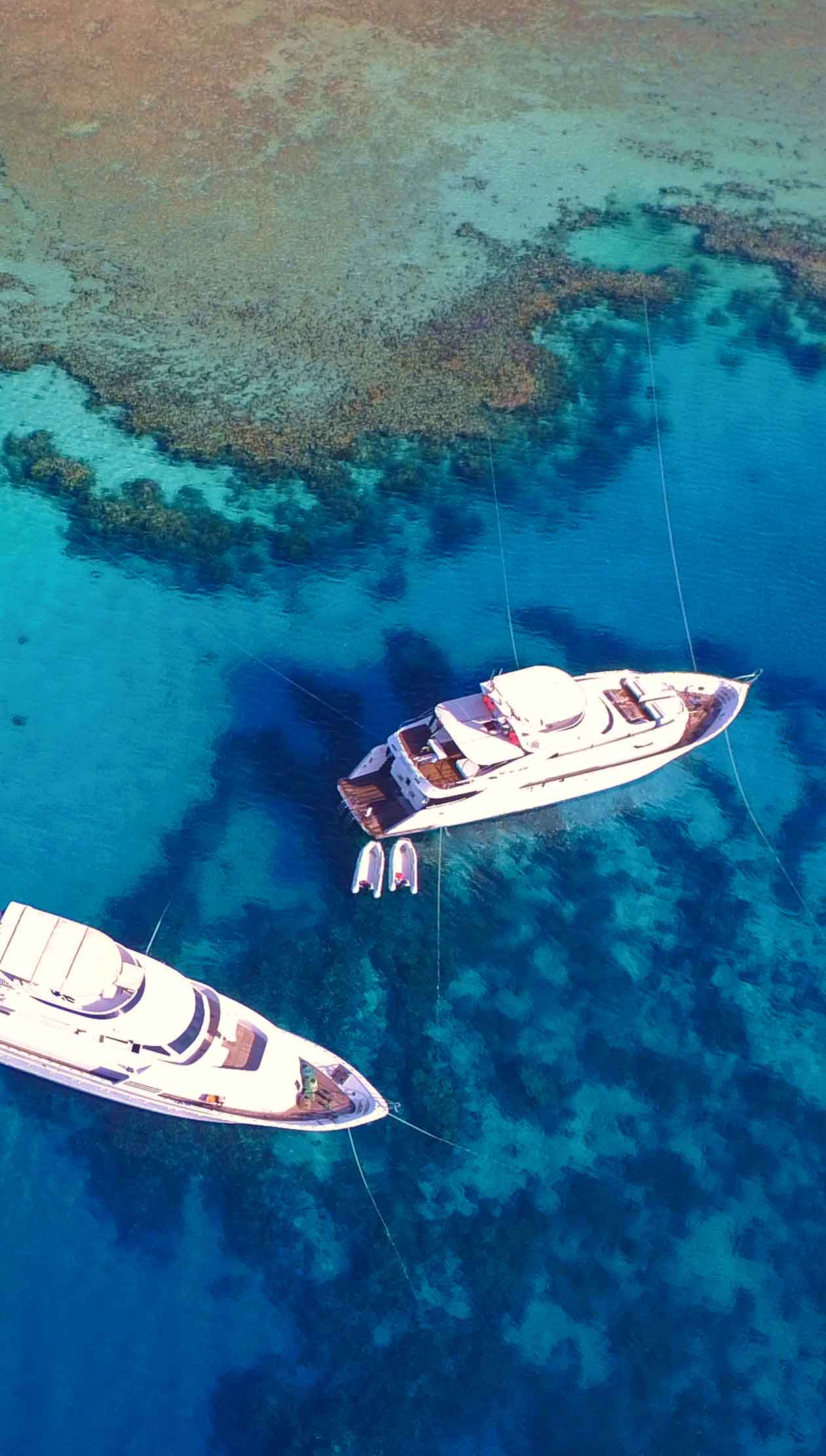
Bima is an area quite popular with tourists and so has fairly good access and facilities for visitors. Most divers visiting Bima, find a diving liveaboard to be the best option as it offers the chance to be first on site in these popular areas. Also the accommodation in Bima city can be fairly basic for those looking for a more luxurious experience. There are a number of different kinds of liveaboards available in the area from motor vessels to beautiful traditional Indonesian Phinisi. Phinisi are twin-masted sailing vessel, many of these elegant ships have been converted into luxury liveaboard diving vessels.

There are a number of departure options for Indonesian liveaboards in Bima, some depart from Labuan Bajo and disembark in Bima and others go in the opposite direction. This means you can visit both Labuan Bajo and Bima and when you are on board you spend as much time diving as possible.

Reaching the Bima area is fairly easy, it has its own small airport for domestic flights with connections to Labuan Bajo. International travellers can fly to Bali International Airport and travel onwards to Bima from there.



Bima Diving Reviews

  • Rating 10.0 out of 10
  • 10.0 Exceptional
  • Rating 10.0 out of 10
  • 10.0 Exceptional
  • Victor B
  • Flag of United StatesUnited States

Good. Nice combination of big and small things. VERY healthy and lush reef.

Diving Bima in August on the Solitude Adventurer


What to know about diving in Bima

Where is Bima, Indonesia?

Bima is a coastal town on the eastern end of Sumbawa Island in West Nusa Tenggara Province, most often used by travelers as a transit point for ferries and flights heading toward Komodo National Park or the volcanic island of Satonda. It isn't a dive destination in its own right, but its airport and harbor make it a practical gateway for the wider region.

Is Bima a dive destination, or mainly a transit point?

Bima functions primarily as a transit and gateway town on Sumbawa Island rather than a dive destination in its own right. Travelers typically pass through on their way to Komodo National Park or Satonda Island rather than diving directly off Bima.

How do you get to Bima?

Bima is accessible by domestic flight or ferry, as it is one of Sumbawa's main transport hubs. It's commonly used as a stepping stone for travelers heading toward Komodo National Park or nearby Satonda Island.

What island is Bima located on?

Bima is a town on Sumbawa, an island in the Lesser Sunda chain that sits between Lombok and Flores. Its position makes it a useful staging point for onward travel further east toward Komodo.

What destinations can you reach from Bima?

From Bima, travelers commonly continue on to Komodo National Park to the east or to Satonda Island, known for its saltwater crater lake, just off the coast of Sumbawa. Both connections rely on onward boat or ferry travel from Bima's port.

What is Satonda Island, and how is it reached from Bima?

Satonda is a small volcanic island off Sumbawa with a distinctive saltwater crater lake, often visited as a stop on Komodo–Lombok liveaboard routes. Bima serves as one of the mainland access points for reaching it, along with nearby Moyo Island.

Can you travel from Bima to Komodo National Park?

Yes — Bima is one of the transit points travelers use en route to Komodo National Park, typically by connecting onward via boat or ferry rather than diving directly from Bima itself. Labuan Bajo on Flores remains the more common and better-equipped gateway for most Komodo trips.

Is there an airport in Bima?

Bima has its own airport with domestic flight connections, primarily linking to Bali and other hubs in Nusa Tenggara (as of 2026). It's one of the main reasons Bima functions as a transit town rather than a final destination.

Are there ferries connecting Bima to other islands?

Yes — Bima has a ferry port connecting it to other parts of Sumbawa and neighboring islands, making it a practical link in overland and inter-island routes through the Lesser Sundas. Ferry schedules and routes can shift, so it's worth checking current timetables before planning around one (as of 2026).

What is the best time of year to pass through Bima?

Bima follows Indonesia's typical dry season from roughly April through October and wet season from November through March, with the dry months generally making for smoother onward ferry and boat travel (as of 2026). Since Bima is mostly a stopover, timing usually depends more on the destination beyond it than on Bima itself.

Is there anything worth seeing in Bima itself?

Bima is a working town rather than a tourist destination, so most travelers pass through quickly on their way to Komodo or Satonda rather than stopping to sightsee. Its main appeal is practical — flight and ferry connections — rather than its own attractions.

How does Bima compare to Labuan Bajo as a gateway to Komodo?

Labuan Bajo is the more developed and commonly used gateway to Komodo National Park, with far more dive operators, accommodation, and direct boat access to the park. Bima serves more as a secondary transit option, useful for travelers coming from elsewhere on Sumbawa rather than as a primary entry point.

What is Sumbawa Island known for?

Sumbawa is known for its volcanic landscapes, including the nearby active volcano Sangeang, and for destinations like Satonda and Moyo Island off its coast. It's less developed for tourism than neighboring Lombok or Flores, making towns like Bima more functional than scenic.

Is Bima a common overnight stop on a Komodo itinerary?

Bima can serve as an overnight stop for travelers making their way overland or by ferry to Komodo National Park, though many itineraries bypass it entirely, flying directly into Labuan Bajo instead. Its role depends largely on the specific route a traveler is taking through Sumbawa.

What is the climate like in Bima?

Bima follows the same tropical dry-and-wet season pattern as the rest of Nusa Tenggara, with a drier stretch from roughly April through October and wetter conditions from November through March. Temperatures stay warm year-round, consistent with the rest of the region.

We’re here to help, 24/7.

Connect with our expert travel consultants to plan your next trip.

  • Nicole Laughlin
  • Juliane Ball
  • Josue Zarco
  • Mylene Issartial
  • Farah Celada-Benito
  • Nina Kapp
  • Oksana Kovaleva