Liveaboard Diving in Nusa Lembongan
What To Expect on a Nusa Lembongan Liveaboard
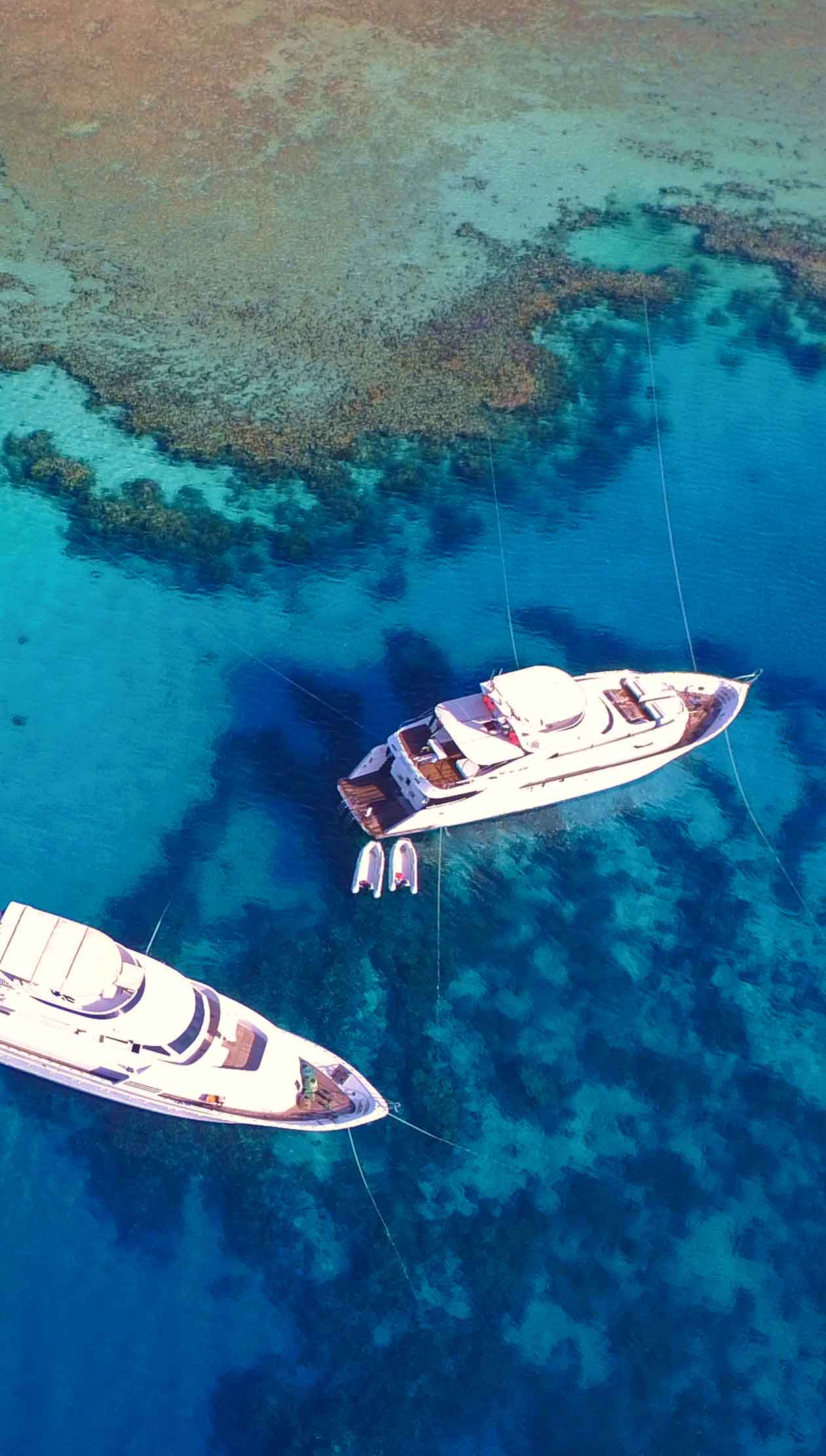
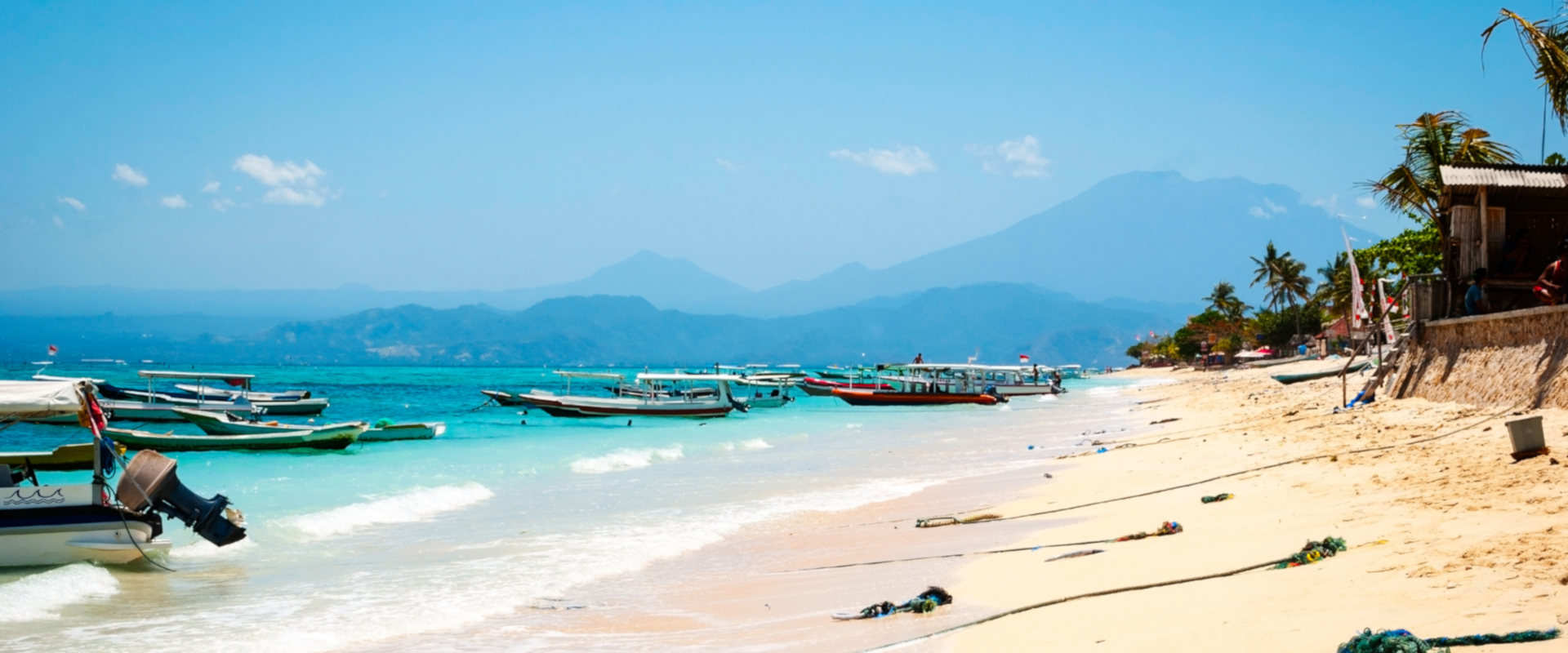
Liveaboard diving to Nusa Lembongan provides a more relaxing and quiet experience. The small island lies to the southeast of Bali, and has over 15 dive sites to offer, giving the diver a superb range of experiences.
Nusa Lembongan Liveaboards generally stop off at the small island either on their way out to or way back from the Komodo National Park. This is a great chance for guests to experience more liveaboard diving in Indonesia and this diverse area.
Nusa Lembongan Underwater
The island of Nusa Lembongan is slightly more sheltered than many surrounding sites. This makes it an ideal location for less experienced divers, who can safely sample the incredible richness of Indonesian waters. A Nusa Lembongan dive cruise will typically involve exploring several dives sites around the island, depending on what the currents and tides are up to. Liveaboard diving in Nusa Lembongan is a great way to avoid the crowds that come out from the mainland by having more time to dive the best sites when the currents and tides are right.
Dive Sites Of Nusa Lembongan
Blue Corner is said to be the most exhilarating dive on Nusa Lembongan. This site has an interesting characteristic that also makes it unsuitable for the less experienced diver. At a depth of 60 - 65 feet (18 - 20 m), a strong current rushes past. The nutrient rich current attracts many numbers of smaller fish and invertebrates, enticing the pelagic species. Mantas, sunfish, oceanic whitetips, wobbegong sharks (known for being both ugly and beautiful at the same time), big tuna and even the occasional hammerhead shark are seen here. Not only that, but it has been recorded that 4 out of the 7 species of sea turtle also visit Blue Corner.
The dive site favoured by local divers is Mangrove, so named for the mangrove ecosystem that lines the coast here. Many species are attracted by the protective characteristics offered by the roots of the mangrove trees. This dive site presents a flourishing garden of both hard and soft corals, home to many species of smaller fish. In turn, the bigger species often visit. Puffer and porcupine fish, eagle rays, oceanic whitetips, and the mesmerising banded sea snake use this relatively sheltered site as a hunting ground. Even whale sharks have been spotted here! Mangrove tends to be a drift dive, although, being more sheltered this dive site is suitable for Open Water (or equivalent) certified divers.
Crystal Bay is located along the west coast of Nusa Penida, a mere minutes away by boat from Nusa Lembongan. This fabled dive site gives divers some of the best that Bali has to offer. To start, visibility is often in excess of 150 feet (45 m), giving perfect conditions to feast your eyes on the huge sunfish that patrol the edge of the reef all year around (although the best time to go is from July to October). From the very big, to the very small, fantastically intricate hinge-back shrimps and fluttering, fuchsia nudibranchs can also be found by the keen eye.
Top Tips For Divers
Strong currents are present at many dive sites around Bali. They can sometimes be unpredictable and shift direction, even mid-dive. Dive sites that experience these conditions are usually better suited for more experienced divers. An SMB and a finger spool, to mark your location if you ascend somewhere slightly unexpected, are 2 very useful items to take with you (if you don’t already carry these).
If you can, make sure you bring a good quality divers torch. Having one allows you reveal the true colours of the reef and its inhabitants. Be aware, however, that depending on the type of torch and especially the batteries, they may be difficult to take on flights.
Getting To Nusa Lembongan
Nusa Lembongan is usually reached by first flying to Bali. Ngurah Rai International Airport is located in the capital city of Bali, Denpasar, on the south coast. Direct flights to Bali are becoming commonplace as more tourists strive to visit.
If you are travelling from Europe though, there are currently no direct flights. Connecting flights are normally caught at Kuala Lumpur, or Bangkok. Depending from where you begin your journey, you may instead connect via Dubai, Singapore or Hong Kong.
Reaching the island of Nusa Lembongan from Bali is a fairly straightforward process, typically catching a ferry from Benoa or Sanur. Most crossings take around 30 minutes. Indonesia Liveaboards also frequent the island, picking the best times and conditions to maximise your enjoyment, while proving a comfortable cruise.