Liveaboard.com

Cabo San Lucas Liveaboard Diving

Our guests rated liveaboard diving in Cabo San Lucas as 8.6

  • 100% Best Price Guarantee

Liveaboard Diving in Cabo San Lucas

What to Expect on a Cabo San Lucas Liveaboard

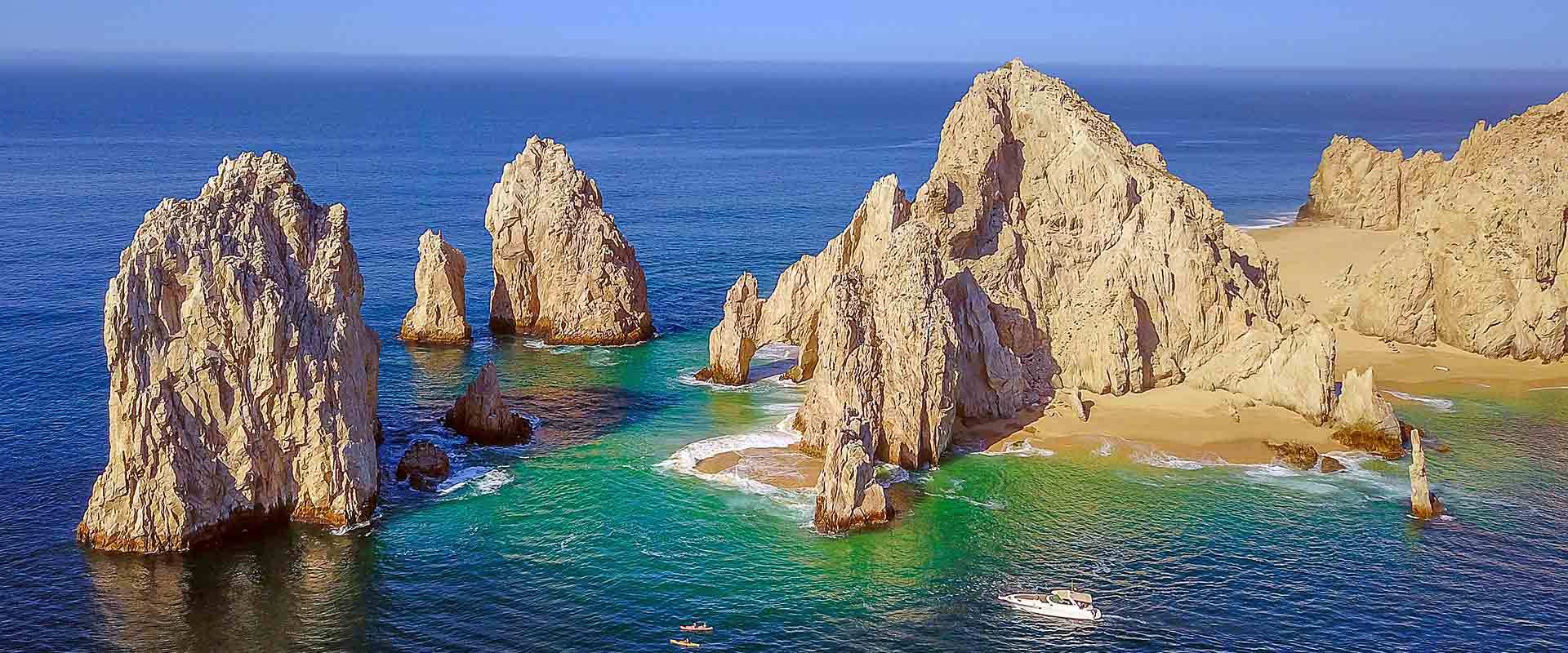
Liveaboards departing from Cabo San Lucas, commonly known as Cabo, usually set off towards the Socorro Islands or into the Sea of Cortez. Cabo is a popular tourist destination, providing visitors with sun, sand, sea, and diving, with white beaches and turquoise waters. There are numerous resorts and endless activities to enjoy the surroundings as much as possible, genuinely directed towards tourism. It is located in the southern tip of the state of Baja California, in Mexico, and it is one of the two locations liveaboards depart from to visit the surrounding dive sites. The dive sites surrounding Cabo San Lucas are world-renowned for the marine wildlife, numerous species of pelagics, large schools of fish, and endless photography options.

Liveaboard Diving from Cabo San Lucas

Mexican liveaboards currently depart from Cabo San Lucas port. There are year-round liveaboard trips of all shapes, styles, and durations to satisfy everyone's needs. Some liveaboards will head to the Socorro's, a group of four volcanic islands called the Revillagigedo Archipelago or the Socorro Islands. Due to these dive sites being around 400km (250 mi) from Cabo San Lucas, the liveaboards usually leave in the afternoon or the evening to start the first day of diving. Socorro Island, Roca Partida, San Benedicto, and Clarion are the four islands. This is a paradise for many large Pelagic species, including sharks such as whitetips, hammerheads, silky sharks, and Galapagos sharks. Humpback whales that migrate to and from Alaska and stop to breed are spotted here during the winter months. Pods of playful dolphins come up close and personal, and last but not least, Manta Rays. The Giant Pacific Manta Rays are the top attraction of this archipelago; they fly along with the divers through the crystal clear waters with wingspans up to 7m (22ft). They have gotten used to divers, are very curious, and will come very close to you for incredible photo opportunities. There are large schools of blackjacks, Clarion butterflyfish (the local butterflyfish of Clarion Island), grunts, and wahoos.

The visibility in this area varies from 15-50m (49-164ft), and water temperatures range from 21 degrees Celsius (70 degrees Fahrenheit) up to 28 degrees Celsius (82 degrees Fahrenheit). They are part of a protected biosphere reserve, and many conservation organizations are working around here to preserve the unique wildlife that lives and passes by here.

This archipelago of islands is a more advanced diving area as it is an open water dive area, and therefore, sometimes there are strong currents and big waves, and most dive spots are pretty deep; however, each liveaboard has its minimum dive experience level, most expect to have your Advanced Open water with at least 50 logged dives, but there are a few which only need you to have your Open Water and no minimum logged dives. Please keep this in mind.

Other liveaboard itineraries may offer cruises into the Sea Of Cortez, which provides excellent chances to dive with Sea Lions.

Getting to Cabo San Lucas

The Mexican liveaboards, which depart from here, will depart from Cabo San Lucas port. This port and this city are located in Baja California, the most Southern Los Cabos municipality. You will most likely fly into Los Cabos International Airport, which has flights from the United States, Canada, and other Mexican Cities.


Cabo San Lucas is located in the southern tip of the state Baja California in Mexico, and is a popular tourist destination, as it provides visitors with sun, sand, sea and diving; with white beaches and turquoise waters. The dive sites in the area are renowned for their stunning marine wildlife.


Cabo San Lucas Diving Reviews

  • Rating 8.6 out of 10
  • 8.6 Fabulous
  • Rating 7.2 out of 10
  • 7.2 Good
  • Tomasz B
  • Flag of United StatesUnited States

Nice center, but it was very hot, and I had only a couple of hours. So not much touristic sight-seeing this time

Diving Cabo San Lucas in July on the Nautilus Under Sea
  • Rating 8.8 out of 10
  • 8.8 Fabulous
  • Timothy N
  • Flag of United StatesUnited States

good food and entertainment. easy to book accommodations.

Diving Cabo San Lucas in February on the Nautilus Belle Amie
  • Rating 9.2 out of 10
  • 9.2 Superb
  • Gabriel A
  • Flag of United StatesUnited States

Limited visibility but sightings of hammerheads and mobula rays, as well as humpbacks on the surface.

Diving Cabo San Lucas in January on the Nautilus Explorer
  • Rating 6.0 out of 10
  • 6.0 Review score
  • Lisa K
  • Flag of United StatesUnited States

Outside of this boat’s itinerary with local dive shop, Cabo San Lucas was terrible visibility but I saw about 20 mobula rays on the sandy bottom and a giant bait ball of sardines! This was actually more impressive than what we saw on the Liveaboard!

Diving Cabo San Lucas in January on the Nautilus Explorer


What to know about diving in Cabo San Lucas

What is scuba diving like in Cabo San Lucas?

Cabo San Lucas sits right where the Sea of Cortez meets the Pacific, giving it a mix of calm, sheltered reef diving inside the bay and more exposed, current-driven sites further out. Depths at most local sites range from 30–80 ft (9–24 m), suiting a range of experience levels, with sea lions, rays, and tropical reef fish commonly sighted. It's also the main departure port for liveaboards heading to the more advanced Revillagigedo Archipelago further offshore.

What is scuba diving like in Los Cabos?

Los Cabos — the broader region covering Cabo San Lucas and San José del Cabo — offers diving on both the Pacific and Sea of Cortez sides, with the calmer Sea of Cortez side generally preferred for beginners and the Pacific side seeing occasional bigger pelagic action. Water temperature swings from around 70°F (21°C) in winter to 85°F (29°C) in summer. Most diving here is day-boat-based, distinct from the multi-day liveaboards that depart from the same marina for Revillagigedo.

What is the water temperature in Cabo San Lucas?

Water temperature in Cabo San Lucas ranges from around 70°F (21°C) in the cooler winter months to roughly 85°F (29°C) at the peak of summer. A 3mm wetsuit is generally comfortable from June through October, while a 5mm suit is more comfortable the rest of the year. Visibility is typically best when the water is warmest, from August through November.

When is whale shark season in Cabo San Lucas?

Whale shark season around Los Cabos and the nearby Sea of Cortez runs roughly October through April, with sightings most concentrated closer to La Paz, about two hours away, than right in Cabo San Lucas itself. Sightings depend on plankton blooms and shift somewhat year to year, so it's worth checking current conditions closer to travel. Most encounters are snorkel-based rather than scuba, since the sharks feed near the surface.

Can you swim with whale sharks in Cabo San Lucas?

Yes, though most operators running whale shark trips from Cabo San Lucas actually transfer guests to La Paz, about two hours away, where sightings are far more reliable during the October–April season. Encounters are done by snorkeling alongside the sharks rather than scuba diving, since they feed near the surface. Operators enforce distance rules to avoid disturbing the animals.

What are the best dive sites near Cabo San Lucas?

Local favorites near Cabo San Lucas include Pelican Rock and Land's End, both offering shallow reef diving with sea lions and colorful invertebrates close to the marina, and Neptune's Finger, known for its underwater sand falls. Gordo Banks, a pair of deep seamounts further along the coast toward San José del Cabo, attracts more advanced divers hoping to see pelagic sharks and rays in open water. Most sites are reachable within a short boat ride from the marina.

What do whale shark tours in Cabo San Lucas include?

Whale shark tours typically include round-trip transport (often to La Paz, where sightings are more consistent), snorkel gear, a guide, and time in the water alongside the animals under strict no-touch, distance-based rules. Trips usually run as a half or full day and don't require scuba certification, since encounters are snorkel-only. As of 2026, prices and specific transfer arrangements vary by operator, so it's worth confirming details when booking.

What is shark diving like in Cabo San Lucas?

Local shark diving out of Cabo San Lucas targets open-ocean species like mako, blue, and silky sharks, along with smooth hammerheads depending on season — a distinctly different product from the Guadalupe Island great white cage diving that departed from San Diego before Mexico's 2023 ban. Trips typically head out to deeper water beyond the bay, since these species prefer open water over the reef, and are often run as cageless snorkel or freedive encounters rather than scuba. Species vary by season: mako and blue sharks favor the cooler winter water, while silky sharks are more common in summer.

What is whale shark snorkeling like in Cabo San Lucas?

Whale shark snorkeling trips typically depart from Cabo San Lucas for the Sea of Cortez near La Paz, where whale sharks gather seasonally from October through April to feed on plankton. Guests snorkel alongside the sharks at the surface rather than diving, following operator rules on distance and group size to protect the animals. It's a family-friendly activity that doesn't require any dive certification.

What marine life can you see diving in Cabo San Lucas?

Cabo San Lucas waters host sea lions, mobula and eagle rays, sea turtles, and a range of reef fish close to shore, with pelagic species like dolphins, whales, and various shark species further offshore. Seasonal highlights include humpback whales from roughly December through March and whale sharks nearby from October through April. The mix of Pacific and Sea of Cortez influences gives the area unusually varied marine life for its size.

Can you get scuba certified in Cabo San Lucas?

Yes — several dive shops in Cabo San Lucas offer PADI Open Water and advanced certification courses, typically combining classroom or e-learning with pool and open-water training dives at local sites like Pelican Rock. Courses usually run 3–4 days, and many shops can accommodate certification alongside a broader vacation itinerary. Warm, calm water on the Sea of Cortez side makes it a comfortable place to learn.

What do Cabo San Lucas diving packages include?

Cabo San Lucas diving packages typically bundle multiple days of two-tank boat dives with gear rental, hotel transfers, and sometimes accommodation, depending on the operator. Packages aimed at certification combine training days with fun dives once guests are certified. As of 2026, it's worth confirming which specific sites are included, since packages vary between local reef diving and add-on trips to Cabo Pulmo or Gordo Banks.

Is Cabo San Lucas a common departure point for liveaboard trips?

Yes — Cabo San Lucas is the primary departure port for liveaboards heading to the Revillagigedo Archipelago (Socorro, San Benedicto, and Roca Partida), with the crossing taking roughly 24–30 hours each way. It's also occasionally used as an embarkation point for Sea of Cortez liveaboards heading toward La Paz and the Midriff Islands. Local day-boat diving around Cabo is a separate, more casual offering than these multi-day trips.

What experience level is needed to dive in Cabo San Lucas?

Most local Cabo San Lucas dive sites, like Pelican Rock and Land's End, are suitable for beginner and intermediate divers given their shallow depths and generally calm conditions. More advanced sites like Gordo Banks involve open water, depth, and current, making them better suited to experienced divers. This range makes Cabo a reasonable place to start diving before attempting more demanding trips like a Revillagigedo liveaboard.

When is the best time to dive in Cabo San Lucas?

Cabo San Lucas dives well year-round, but conditions are generally calmest and warmest from June through November, while whale shark and whale watching season (roughly October through April) adds seasonal wildlife interest. Hurricane season, roughly July through October, can occasionally disrupt trips with short-notice weather. As of 2026, most local operators run daily trips unless disrupted by storms.

We’re here to help, 24/7.

Connect with our expert travel consultants to plan your next trip.

  • Farah Celada-Benito
  • Josue Zarco
  • Andrea Martinez
  • Nina Kapp
  • Mylene Issartial
  • Oksana Kovaleva
  • Nicole Laughlin