Liveaboard.com

Banta Liveaboard Diving

Our customers rated liveaboard diving in Banta as 9.5.

  • 100% Best Price Guarantee

Liveaboard Diving in Banta

What To Expect On a Banta Liveaboard

Liveaboards to Banta Island explore the waters around this small island and are home to some of the most famous dive sites in the region. The underwater bank which on the North side is home to some strong plankton rich currents which bring spectacular wildlife. There is a great range of diving here, there is muck diving with lots of critters on the sea mounts and in deeper water sharks and pelagic fish as well. A number of different Banta liveaboard options are available which offer diving in Banta as part of their itineraries.

Sitting to the North West of Komodo Island close to the edge of the Komodo National Park in the Lesser Sundra Islands. The island is volcanic with beautiful sloping green hills and sweeping bays that make for some beautiful views. Although the island is not currently included in the Komodo National Park, it is one of the proposed extensions of the protected area. The coral in the area was severely damaged by dynamite fishing in the 90's but the hard and soft corals have been recovering in recent years and the reefs are still full of life.

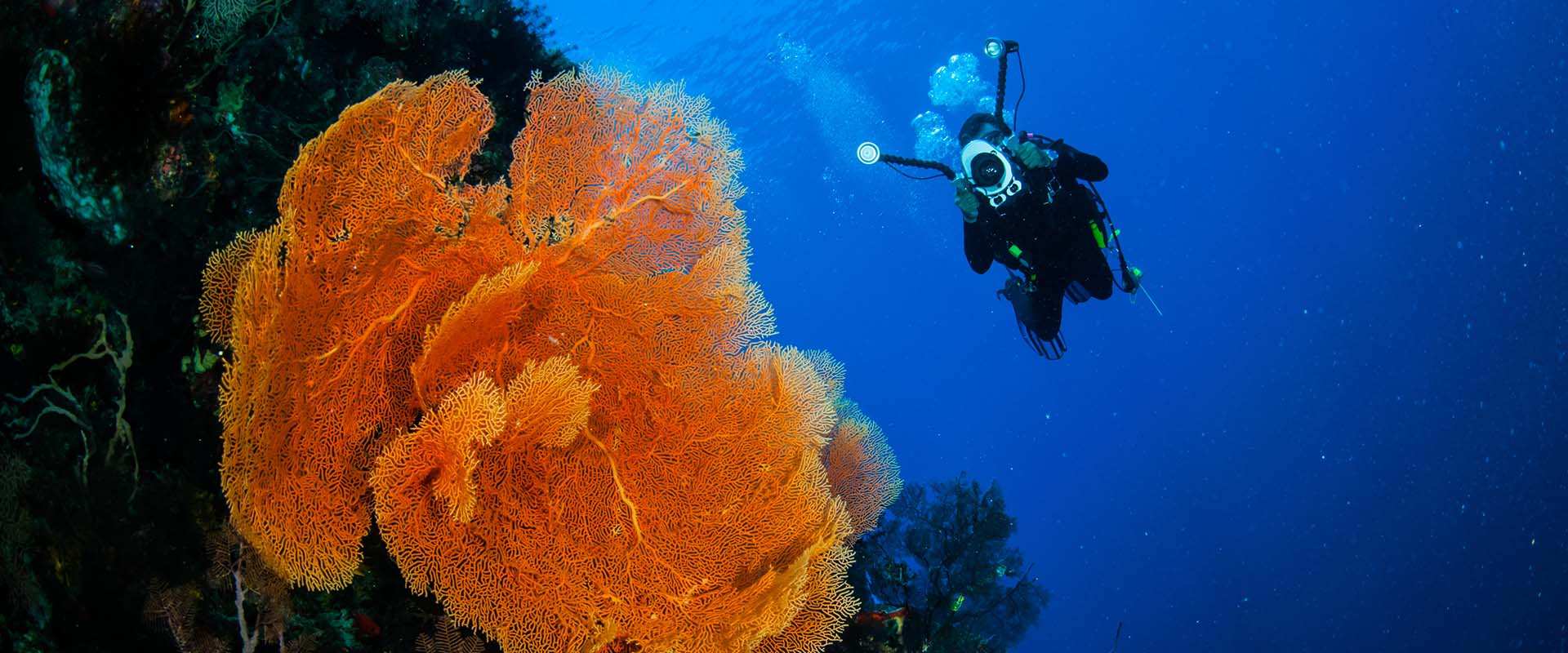
Banta Underwater

For those who have been diving in other areas of the park, the waters around Banta island are noticeably colder with stronger currents. The underwater mount is subject to currents of up to 3 knots and the conditions can be quite challenging but the abundance of wildlife makes this one of the best diving locations in the region. The dives normally involve dropping down onto the sea mount and trying to stay out of the current as much as possible. The currents mean that most of the dives here are at least partly drift dives.

The Banta area is a fantastic spot for sharks, boasting white tip and black tip reef sharks, nurse sharks and even hammerheads in deeper water. Sharks aren't the only big fish either, there are other pelagics such as tuna, sturgeon and barracuda feeding in the currents. Macro lovers won't be disappointed in the corals and critters on the mount especially when night diving. The underwater bank is rich with coral and there are plenty of shrimps, nudibranch and frogfish living there.

Dive Sites of Banta

Banta liveaboards will visit many dive sites in the area, but a few examples of some that may be visited are shown below;

GPS
Point is the most well-known dive site in the Banta area, which is thought by many to be one of the best dives in the region. The current at GPS point can be phenomenal, sweeping over the sea mount, and it can make the descent challenging. This current and deeper waters attract sharks, with white and black tips in large numbers as well as the chance to see hammerheads coming up from the deep.

Rollercoaster or also known as Tondok Rasa sits at the North West tip of Banta island and it definitely lives up to its nickname, the currents here can be a very wild ride. Upwards and downwards currents can take divers and sometime even wildlife by surprise. The rollercoaster is a great place to see whitetips and grey reef sharks all around in the deeper water.

StarWars There are even more big fish and sharks on offer at this site in the North of the island. The same goes for Galley rock although the currents are very strong in both areas meaning these sites are not really ideal for beginners.

Top Tips for Divers

  • Cold currents from Flores mean that the water here is much colder than other areas so divers should bring extra thermal protection.
  • The currents can be very strong here so it might be a good idea to bring good lanyards and clips to keep extra equipment like cameras doubly secure.
  • The currents here also mean that a negative descent is common and holding onto a particular part of the rock can be the difference between one dive profile and another.

Getting to Banta

Banta island is to the North West of Komodo and so it is accessible by diving liveaboard from both Bali and Labuan Bajo. A liveaboard really is the best way to visit Banta, the variable currents mean there is a great deal of planning and changing of dive sites in the area.

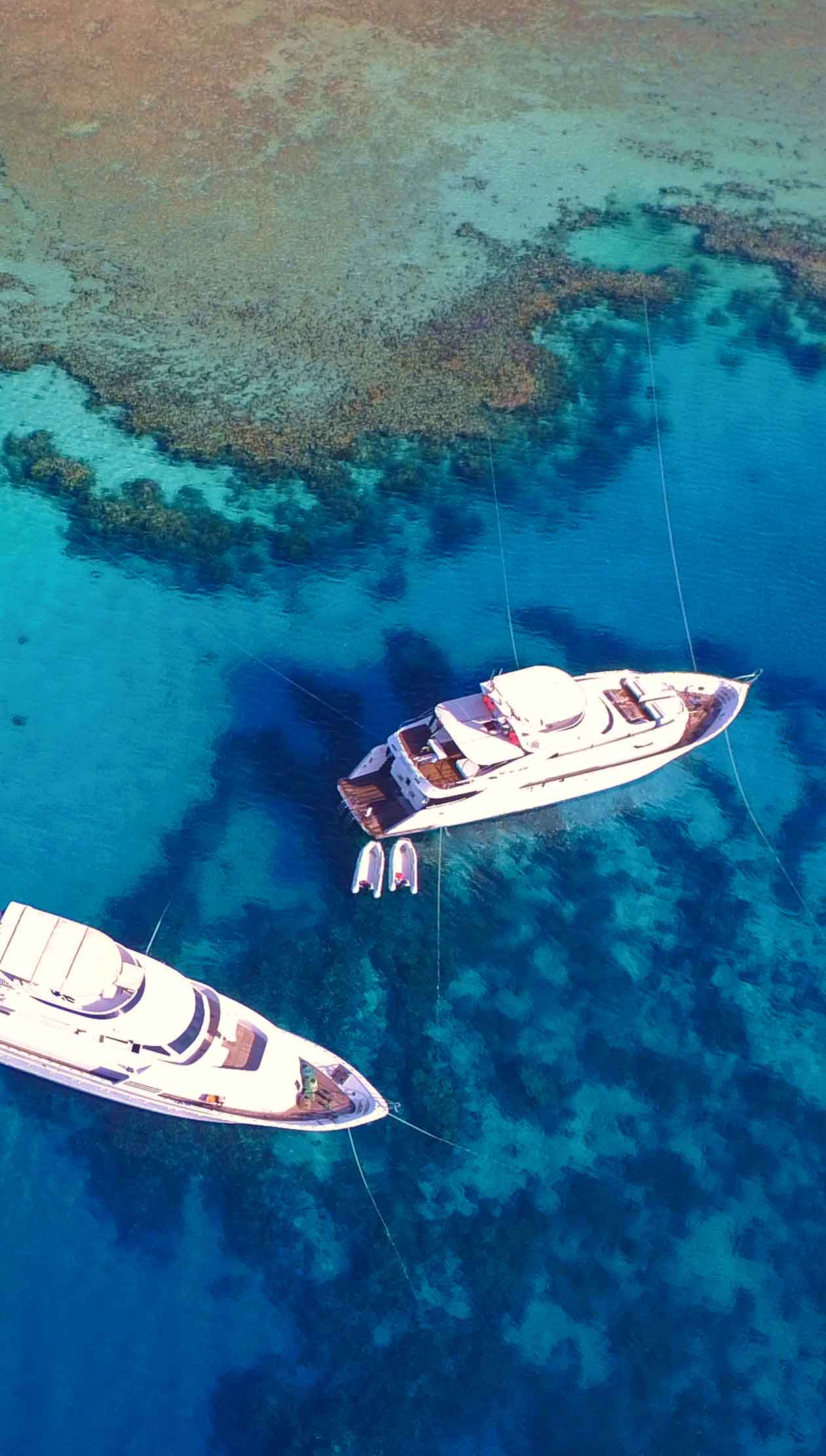
There are a number of different kind of Indonesian liveaboards available both motor vessels and traditional Indonesian phinisi, twin-masted sailboats converted into luxurious diving liveaboards. These sail boats offer a tranquil and smooth diving experience when you are visiting Banta. If you only have time for one or two dives though there are also day trips from Labuan Bajo.

Bali International Airport (Ngurah Rai) has flights throughout Asia and connections further afield as well as regular connecting flights to Labuan Bajo. There is also a three-day ferry boat between Bali and Labuan Bajo for those visitors looking for a more adventurous transit.


Banta Diving Reviews

  • Rating 9.5 out of 10
  • 9.5 Exceptional
  • Rating 10.0 out of 10
  • 10.0 Exceptional
  • Louis Charles R
  • Flag of United StatesUnited States

Komodo was unexpectedly great. I wasn’t sure I was going to enjoy it. Plenty of variety for every type of diver.
Diving Banta in July on the Adelaar
  • Rating 10.0 out of 10
  • 10.0 Exceptional
  • Victor B
  • Flag of United StatesUnited States

Good. Nice combination of big and small things. VERY healthy and lush reef.

Diving Banta in August on the Solitude Adventurer
  • Rating 9.6 out of 10
  • 9.6 Exceptional
  • john C
  • Flag of United StatesUnited States

The Banta was spectacular.

Diving Banta in July on the Samambaia
  • Rating 10.0 out of 10
  • 10.0 Exceptional
  • Chiara V
  • Flag of ItalyItaly

Bellissime le mante di Rinca

Diving Banta in August on the Seahorse


What to know about diving in Banta

Where is Banta Island located?

Banta is a small island near Komodo National Park in Indonesia's East Nusa Tenggara province. It sits along the same stretch of water as Komodo's other well-known dive sites and is typically visited as part of a broader Komodo itinerary rather than as a standalone destination.

What is Banta best known for among divers?

Banta is known primarily for its strong-current dive sites, which draw the same nutrient-rich upwellings that make Komodo National Park so productive for marine life. It has relatively little independent identity outside the diving community, appearing mainly as a stop on Komodo liveaboard routes.

How strong are the currents at Banta's dive sites?

Like much of Komodo National Park, the waters around Banta can run strong and sometimes unpredictable, driven by tidal exchange between the Flores and Sabu seas. Dive guides typically plan dives around slack tide to manage conditions. Divers should expect drift-style diving rather than calm, static reef exploration.

What certification level is recommended for diving at Banta?

Given the current conditions typical of the wider Komodo region, Banta is generally best suited to divers with at least intermediate experience and solid buoyancy control. An advanced open water certification, or equivalent experience with drift diving, is a reasonable baseline before booking a Banta stop.

How do divers usually reach Banta?

Because Banta has no dedicated dive infrastructure of its own, it's reached almost exclusively by liveaboard as part of a multi-day Komodo National Park itinerary. Day-boat access from Labuan Bajo is available on some routes, but it is far less common than the liveaboard option.

Is Banta typically visited as part of a longer itinerary or as a standalone destination?

Banta is almost always folded into a longer Komodo National Park liveaboard itinerary rather than booked as a standalone destination. Its appeal lies in adding another current-fed site to a route that also covers better-known spots like Komodo and Rinca.

What marine life might divers encounter at Banta?

The strong currents around Banta support the kind of fish-rich reefs typical of Komodo National Park, including dense schools of reef fish and the occasional pelagic fish passing through. Exact sightings vary by trip, since Banta's marine life is closely tied to the current activity on any given day.

Is Banta suitable for beginner divers?

No — Banta is generally not the best choice for beginner divers, since its dive sites share the strong, current-driven conditions found throughout Komodo National Park. Divers with limited experience are usually steered toward calmer Komodo sites, such as those around Sebayur, instead.

Can you snorkel at Banta, or is it primarily a dive destination?

Banta is primarily known as a dive destination, and its current-swept conditions make it less forgiving for snorkelers than Komodo's calmer bays. Snorkeling is possible in more sheltered pockets, but it isn't the main draw of a Banta stop.

What is the water temperature like around Banta?

Water around Banta generally sits within Indonesia's typical range of 79–86°F (26–30°C), though, like much of the Komodo region, it can run cooler where upwellings occur. Divers doing multiple dives a day often wear a wetsuit thicker than they'd use in warmer parts of the archipelago.

Is Banta good for underwater photography?

Banta can reward wide-angle photographers thanks to the schooling fish its currents attract, though the moving water makes for a more technical shoot than calmer sites. It's less well-known as a macro destination than some of Komodo's quieter bays.

What time of year is best for diving at Banta?

As with the rest of Komodo National Park, the dry season, roughly April through October, tends to bring calmer conditions and better visibility for diving at Banta (as of 2026). Currents remain part of the experience year-round regardless of season.

How does Banta compare to other Komodo National Park dive sites?

Banta shares the same current-driven character as well-known Komodo sites like Batu Bolong and Castle Rock, but it has far less name recognition. It tends to serve as a supporting stop on an itinerary rather than the headline site a trip is built around.

What should first-time visitors know before diving at Banta?

First-time visitors should come prepared for strong, changeable currents and dives planned around tidal timing rather than a leisurely pace. Because Banta has little independent tourism infrastructure, it's worth confirming with your liveaboard operator how the site fits into the wider itinerary.

What makes Banta worth including on a Komodo dive itinerary?

Banta adds another current-fed site to a Komodo itinerary without requiring a detour, since it sits along the same route as the park's more famous dive spots. For divers who enjoy drift diving and schooling fish, it's a worthwhile addition even without a strong standalone reputation.

We’re here to help, 24/7.

Connect with our expert travel consultants to plan your next trip.

  • Nicole Laughlin
  • Juliane Ball
  • Josue Zarco
  • Mylene Issartial
  • Farah Celada-Benito
  • Nina Kapp
  • Oksana Kovaleva