Timeless Beauty, Culture, and Heritage
Whether drifting past mist-covered karsts in Halong Bay, tracing the ancient trading routes of the Mekong River, or admiring Hanoi’s own Red River Delta, river cruises here weave together the threads of Vietnam’s past and present. From imperial cities to floating villages, from bustling markets to tranquil temples, each destination unveils its unique story through landscapes shaped by centuries of human and natural history.
A river cruise through Hanoi and beyond promises more than a journey; it offers a portal into Vietnam’s heart. As you glide serenely through this storied land, each sunrise on the water and each evening spent savoring local cuisine becomes part of an unforgettable voyage filled with discovery, connection, and wonder.
Rivers of Vietnam: Navigating Hanoi’s Waterways and Beyond
The Mekong River
The legendary Mekong River serves as a lifeline for much of Southeast Asia, winding its way through Vietnam’s lush landscapes and vibrant cities. Although Hanoi sits north of the Mekong’s main flow, cruises often connect the capital with this great river’s cultural and natural highlights through integrated itineraries. From Hanoi, travelers might transfer to the Mekong Delta region to begin or conclude an extraordinary voyage through floating markets, rice paddies, and stilted fishing villages. Along the Mekong, traditions remain deeply rooted in river life, offering intimate insights into Vietnamese heritage.
Lan Ha Bay
Often considered the quieter, more serene sister to nearby Halong Bay, Lan Ha Bay is famed for its emerald waters and towering limestone formations. River cruises and small-ship voyages explore this UNESCO World Heritage site’s hidden coves, floating fishing communities, and tranquil beaches, making it a perfect complement to the cultural immersion of Hanoi.
Halong Bay
Halong Bay is Vietnam’s most iconic seascape. Cruises from Hanoi often include scenic voyages through this maze of karst islets, where jade waters meet sheer cliffs, and cave systems tell tales as old as time. From luxury vessels to boutique junks, every journey through Halong Bay reveals nature’s artistry at its finest.
Cat Ba Island (Viet Hai)
At the heart of Lan Ha Bay lies Cat Ba Island, home to the remote Viet Hai village and lush national parkland. Excursions here offer a deeper connection to the natural world, from jungle treks to cycling through timeless landscapes. These experiences complement the cultural exploration of Hanoi with a refreshing immersion into Vietnam’s wilderness.
Hue
Hue, Vietnam’s imperial heart, is gracefully set along the Perfume River. Cruises here reveal ancient citadels, royal tombs, and pagodas wrapped in the mists of history. A voyage through Hue is a journey through Vietnam’s dynastic past, enriching any river itinerary that touches Hanoi’s cultural corridors.
Da Nang
Da Nang bridges Vietnam’s cultural and coastal landscapes, offering river cruise guests access to vibrant markets, ancient ruins, and sandy beaches. As a gateway between Hanoi and the southern waterways, Da Nang connects the country’s past and present in equal measure.
Hoi An
Hoi An enchants with its lantern-lit streets, riverside cafés, and UNESCO-listed Old Town. Cruises through the Thu Bon River deliver travelers into the heart of this preserved trading port, where every alleyway whispers of merchants, silk, and spices.
Ho Chi Minh City
Ho Chi Minh City, formerly Saigon, pulses with energy at the Mekong Delta’s edge. From this metropolis of skyscrapers and street food stalls, river cruises fan out into the delta’s maze, blending urban dynamism with rural traditions in a uniquely Vietnamese contrast.
The Character of Each Waterway: Culture, Cuisine, and Scenery
Every waterway in Vietnam tells its own story. The Mekong offers a sensory tapestry of floating markets, sweet mangos, and Khmer-infused traditions. In contrast, Halong Bay and Lan Ha Bay celebrate nature’s majesty, with silent mornings spent drifting beneath limestone peaks. Rivers through Hue and Hoi An are steeped in imperial history and artisan crafts, while Da Nang bridges the old with the new through its evolving skyline and ancient Cham ruins. Culinary experiences reflect this diversity—pho in Hanoi, bánh xèo in the Mekong Delta, fresh seafood in Halong, each dish a chapter in Vietnam’s story.
Tailored River Cruise Itineraries
Short Cruises (3–5 Days)
Short river cruises from Hanoi often focus on the serene beauty of Halong Bay and Lan Ha Bay. These itineraries provide a perfect escape into landscapes of sculpted karsts, hidden lagoons, and floating villages. Highlights include overnight stays on traditional junks, kayaking excursions, and visits to pearl farms and cave systems.
Medium Cruises (6–9 Days)
Medium-length journeys might combine Hanoi with excursions to Hue, Da Nang, and Hoi An. These cruises blend cultural heritage with coastal beauty, often weaving in opportunities for guided tours of ancient citadels, lantern-making workshops, and leisurely beach days. Guests can expect a harmonious mix of history, cuisine, and river serenity.
Long Cruises (10+ Days)
Extended cruises encompass the full breadth of Vietnam’s river offerings, linking Hanoi with the Mekong Delta and often extending into Cambodia’s Phnom Penh or even Siem Reap. These itineraries offer deep cultural immersion—one day spent exploring Hanoi’s Old Quarter, the next discovering floating markets in the delta. Days at sea are punctuated with cultural lectures, culinary classes, and shore excursions that span from temples to tea plantations.
Special Interest Cruises
- Wine Cruises — Sample fine vintages aboard vessels offering curated wine pairings with Vietnamese cuisine, blending the flavors of East and West.
- Art and History Cruises — Delve into Vietnam’s artistic and imperial legacies through curated excursions and onboard experts.
- Festive Cruises — Celebrate Christmas or Lunar New Year with cruises that incorporate local traditions, special menus, and festive activities.
- Culinary Tours — Focused on Vietnam’s famed cuisine, these itineraries combine market visits, cooking classes, and chef-led dining experiences both onboard and ashore.
The Onboard Experience
Ship Sizes and Ambiance
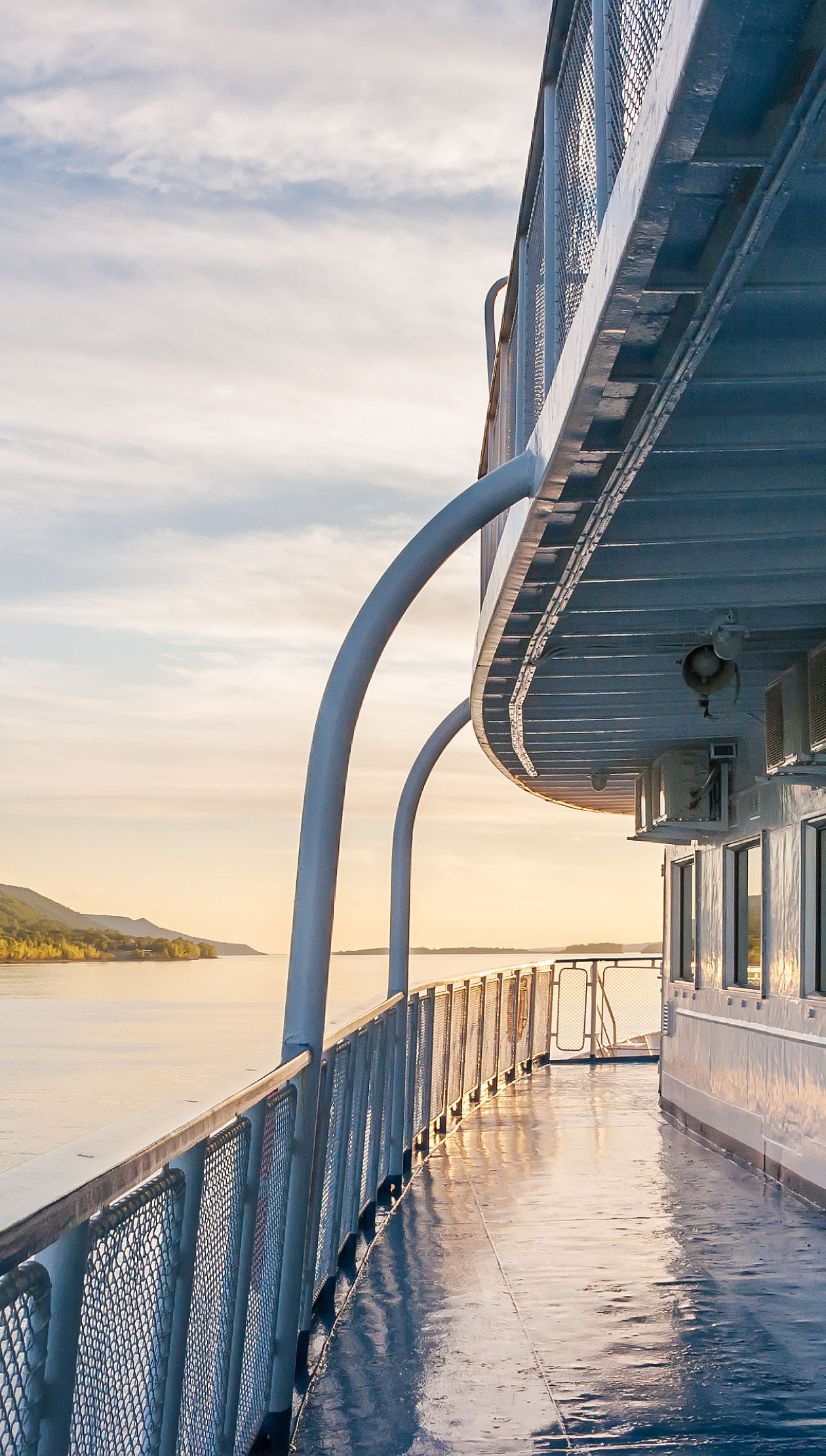
River cruise vessels on these routes range from intimate boutique ships carrying fewer than 30 guests to larger vessels accommodating up to 120. Expect elegant lounges, panoramic decks, and design aesthetics that blend modern comfort with traditional Vietnamese touches—think dark woods, lacquerware, and silk accents.
Cuisine and Wine
Culinary experiences onboard reflect Vietnam’s culinary diversity. Menus highlight fresh, local ingredients—from Mekong prawns to Hanoi-style pho—paired with carefully selected wines. Some cruises feature guest chefs or food-themed voyages where every meal becomes a highlight of the journey.
Excursions and Enrichment
Daily excursions enrich the journey with visits to temples, artisan workshops, floating markets, and UNESCO-listed sites. Onboard programs might include Vietnamese language classes, traditional music performances, or talks on the region’s history and culture. These curated experiences ensure that every moment—ashore or aboard—deepens the connection to place.
Something for Everyone
- Couples — Romantic settings, fine dining, and serene landscapes make these cruises ideal for couples seeking connection and shared adventure.
- Families — Some itineraries offer family-friendly activities and cultural programs that engage younger travelers while fostering cross-generational discovery.
- Solo Travelers — Welcoming atmospheres, communal dining, and shared excursions create easy opportunities for connection.
- Luxury Travelers — Premium ships offer suites with private balconies, personalized service, and exclusive shore excursions for discerning guests.
Journey Through Hanoi’s Waterways
“To cruise through Hanoi’s rivers is to glide between centuries, cultures, and landscapes shaped by history and tradition.”
Whether drifting quietly through the misty spires of Halong Bay, savoring pho at dawn on the Mekong, or watching lanterns float down the Thu Bon River in Hoi An, a river cruise through Hanoi and Vietnam invites travelers into the heart of a country where waterways remain the lifeblood of its people and its stories. These journeys are more than itineraries—they are pathways to deeper understanding, cultural immersion, and moments of unexpected beauty that linger long after the voyage ends.