Liveaboard.com

Gunung Api Liveaboard Diving

Our customers rated liveaboard diving in Gunung Api as 10.0.

  • 100% Best Price Guarantee

Liveaboard Diving in Gunung Api

What to Expect On a Gunung Api Liveaboard

Liveaboards in Gunung Api offer divers a chance to catch a glimpse of a biological wonder in action. The island is a small volcano which is still fairly active and erupted in the 1980’s. The eruption and the subsequent lava flow sadly damaged large area the reef below the shoreline, and this is oddly enough what makes Gunung Api liveaboards so interesting. While the fascinating volcanic topography is definitely a draw for divers, it is the regrowth rate of the reef that really has scientists stumped. That’s right, an Indonesian Liveaboard diving in Gunung Api offers you this chance to see a mystery of nature in action!

It is believed that because of the chemical and mineral content of the hardened lava the corals and life are growing back at an astonishing rate. Scientists are investigating this phenomenon in order to find better ways to regrow the world’s diminishing coral reefs. All in all Gunung Api is quite an inspirational place for a dive trip, not to mention full of great marine life and the chance to see huge shoals of mobula rays. Expect Indonesia liveaboard diving at its very best with the peaceful pristine experience of diving in the Banda Sea.

What you can see at Gunung Api

In the Banda Sea, diving conditions are excellent during the season and visibility is up to 30 meters in places. The surprisingly vibrant coral at Gunung Api is immediately obvious when you get onto one of the lava flow reefs. Colossal sponges and sea fans line the reef and the huge table corals look more like platforms and there are plenty of creatures hiding under them and beautifully colourful clown trigger fish on top.

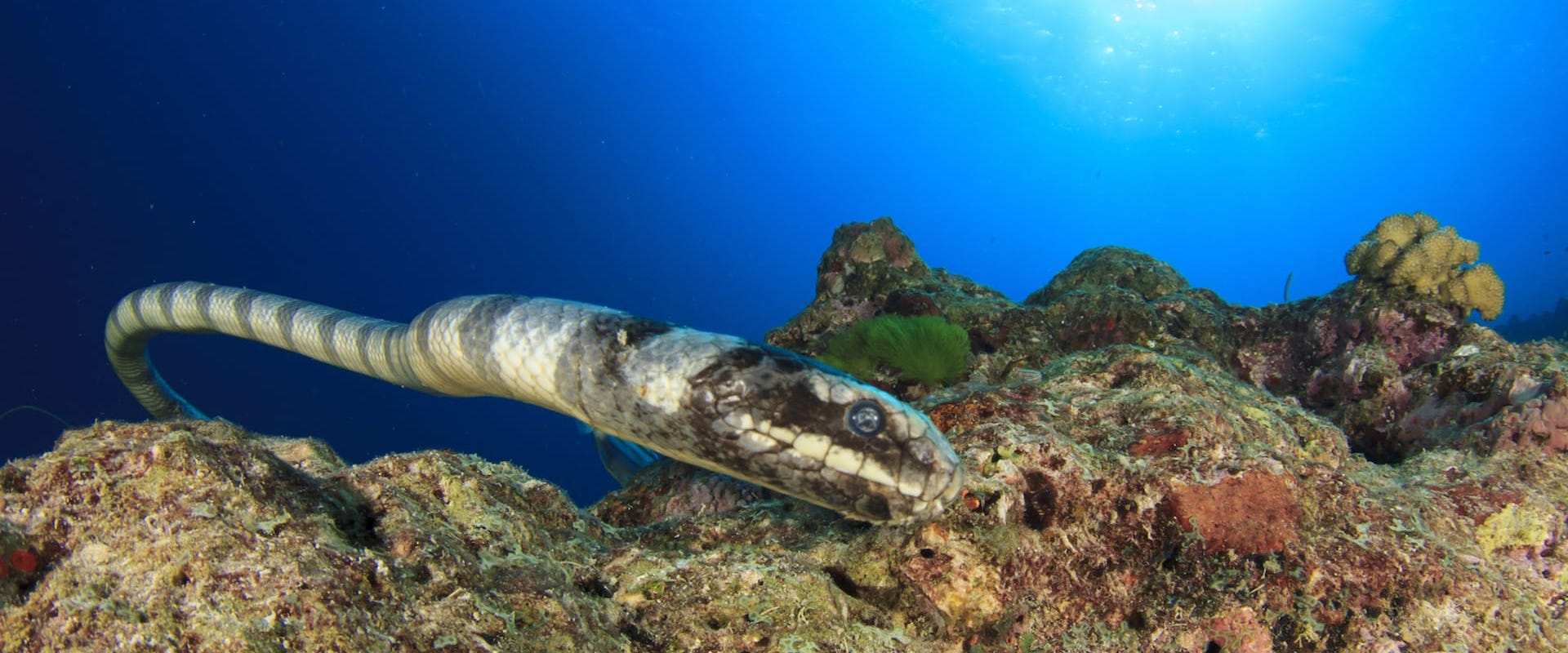
One of the most fascinating things about a dive trip to Gunung Api, is the huge number of sea snakes on the reefs. These fantastic stripy beasts seem to be engaged in a kind of wriggling dance, searching for food in the corals of the lava slope. Videographers will have a brilliant time filming the sea snakes and macro photographers will find the gorgonians here full of tiny shrimp and other critters.

There is plenty for divers who love pelagics too, trevally and dogtooth tuna hunt above and alongside the reef. The most spectacular site here however is the schools of mobula rays that swoop over the corals feeding on plankton. These animals can travel in great numbers so make sure to look up in case you miss them.

Getting to Gunung Api

Gunung Api, like the other Banda Sea islands is very isolated and off the beaten track. This means that the best and pretty much only way to get there is a dive cruise. There are a few different kinds of diving live aboard boats in Gunung Api. There is something to suit most budgets and tastes and the majority offer three or four dives a day in this amazing place.

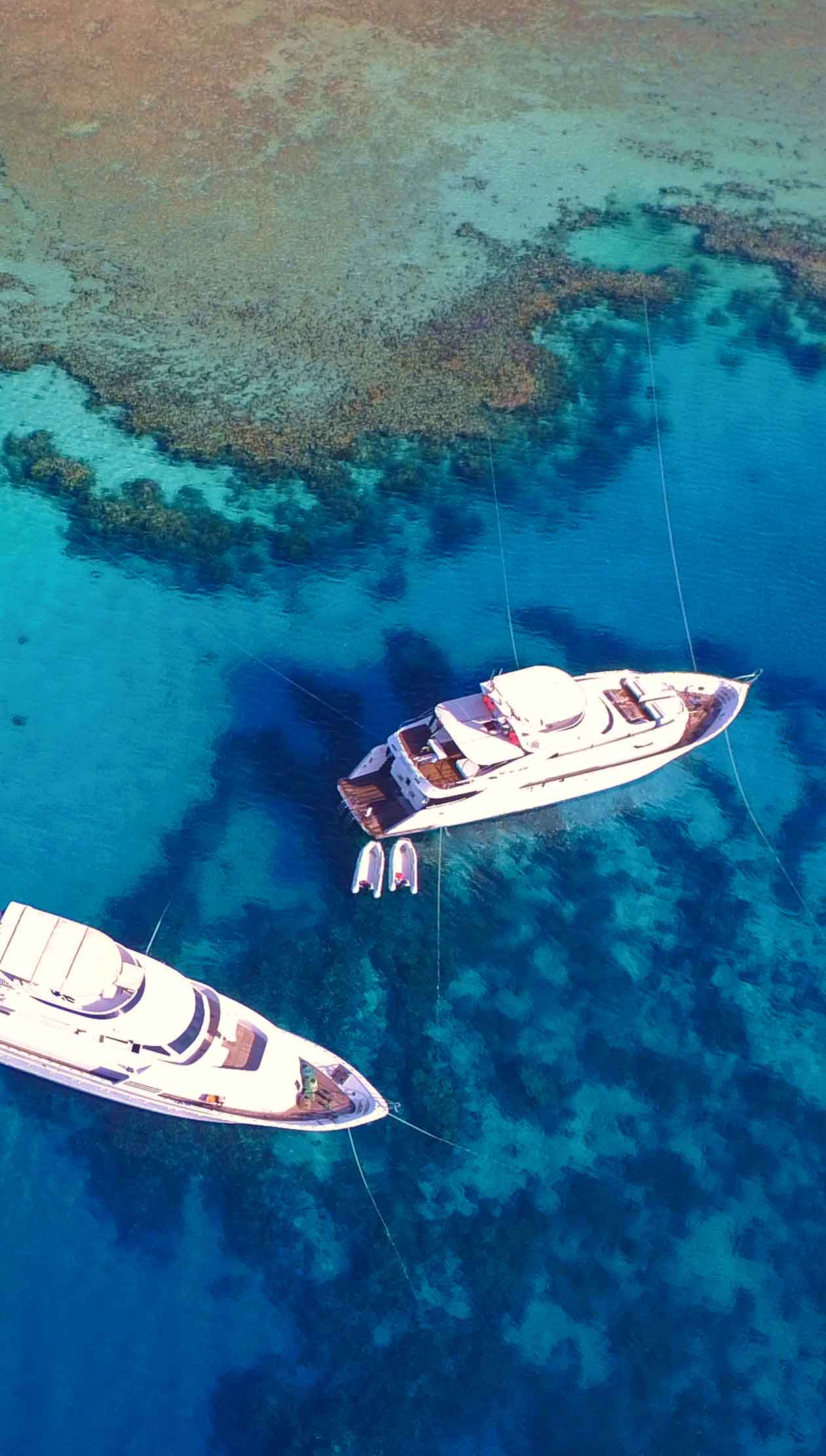
Motor boats customised for diving offer comfortable accommodation and top of the range facilities. The most popular boats for dive tours here are traditional Indonesian sailing boats. Sailing in Gunung Api is a tranquil way to spend a dive safari on a luxury liveaboard, bobbing peacefully off the coast watching the sunset and the beautiful volcano.

Getting to Gunung Api is not too complicated but it does often require several flights if you are coming from outside of Asia. Most Indonesian Liveaboard diving in this region starts off in Ambon which has a sizeable port and receives flights from Jakarta daily. From Jakarta visitors can connect onto international flights from most large international airports. There is also a ferry from various other parts of Indonesia but be sure to book with a travel agent as schedules can change.



Gunung Api Diving Reviews

  • Rating 10.0 out of 10
  • 10.0 Exceptional
  • Rating 10.0 out of 10
  • 10.0 Exceptional
  • Louise H
  • Flag of CanadaCanada

Loved the tiny triggerfishes

Diving Gunung Api in October on the Carpe Diem


What to know about diving in Gunung Api

What is Gunung Api in the Banda Islands?

Gunung Api is an active volcano rising directly from the sea in the Banda Islands, its underwater slopes forming one of the Banda Sea's most famous dive sites. Divers descend through cascading black lava rock covered in coral and large numbers of sea snakes, a signature sight of the site.

Where is Gunung Api located within the Banda Islands?

Gunung Api is a volcanic island near the center of the Banda Islands group, in the remote Banda Sea within the Moluccas (Maluku). It rises dramatically above its neighboring islands, and its underwater slopes form one of the region's signature dive sites. Reaching it means joining one of the area's liveaboard-only itineraries.

Is Gunung Api still an active volcano?

Yes — Gunung Api remains an active volcano, and its volcanic history is directly responsible for the lava-flow terrain divers explore beneath the surface. Its slopes show layers of coral growth over solidified lava, a visible record of past eruptions. The island's activity contributes to the Banda Sea region's dramatic geology, both above and below water.

What is the typical depth range for diving at Gunung Api?

Diving along Gunung Api's slopes generally ranges from a shallow 16 ft (5 m) near the surface to depths past 98 ft (30 m) as the volcanic slope continues into deeper water. Most of the memorable sea snake and coral activity happens in the shallow-to-mid range. The site rewards a slow, unhurried profile rather than a rush to depth.

How strong are the currents at Gunung Api?

Currents in the Banda Sea, including around Gunung Api, tend to run strong and can be unpredictable, consistent with the region's reputation for technical, advanced-level diving. Conditions can vary considerably between the island's different flanks depending on the day's tide and wind. Divers should come prepared for genuine current rather than a lazy drift.

What certification level do you need to dive Gunung Api?

Given the strong currents and remote, liveaboard-only access, an Advanced Open Water certification and solid open-water experience are generally expected. This isn't considered a beginner site within an already advanced-leaning region. Guides typically brief thoroughly on the current strategy before every dive here.

Why is Gunung Api famous for sea snakes?

The island's slopes host a notably dense population of sea snakes, which divers regularly encounter as they weave through the coral-covered lava formations. It's one of the signature sightings that draws divers to this specific Banda Sea site over other options in the area. Sightings are frequent enough that many itineraries list Gunung Api specifically for this reason.

When is the best time to dive Gunung Api?

The Banda Sea's best diving windows generally fall around October–December and again in the March–April transit period, when conditions suit the long liveaboard routes through the region (as of 2026). Outside these windows, weather and logistics make trips less common. Because access is limited to specific liveaboard seasons, planning ahead matters more here than for easier-to-reach destinations.

How do divers reach Gunung Api — is it liveaboard only?

Yes — Gunung Api and the wider Banda Sea are liveaboard-only, with no day-boat or land-based diving infrastructure serving the area. Trips typically combine it with other remote Banda Sea sites over a multi-day route. It's a destination reached as part of a broader expedition rather than a standalone visit.

What is visibility like at Gunung Api?

Visibility in the Banda Sea is generally very good, often exceeding 65 ft (20 m) thanks to the area's remoteness and lack of sediment-heavy runoff. Around Gunung Api, in particular, clarity allows divers to appreciate both the sea snakes and the lava-flow terrain from a distance. It's one of the more reliably clear-water regions in eastern Indonesia.

Is Gunung Api good for underwater photography?

Both wide-angle and macro photographers find plenty to work with here — the lava-flow topography suits sweeping reef-scape shots, while sea snakes and smaller reef life reward a macro lens. Good visibility across the site makes it easier to compose shots than in murkier locations. It's considered one of the more photogenic stops in the Banda Sea.

What is the water temperature at Gunung Api?

Water temperature in this part of the Banda Sea typically runs 79–84°F (26–29°C). A 3mm wetsuit generally suffices, though some divers add a hood or a thicker suit for multiple long dives across a liveaboard trip. Temperatures stay fairly stable given the region's deep, open-sea setting.

Can you see hammerhead sharks near Gunung Api?

The wider Banda Sea is well known for schooling scalloped hammerhead sharks, and while Gunung Api itself is more specifically associated with sea snakes, hammerhead sightings are part of the broader regional experience on the same liveaboard routes. Dedicated hammerhead sites are usually visited as separate stops on the same itinerary. It's one of the reasons the Banda Sea draws serious shark enthusiasts.

What should divers know before diving Gunung Api for the first time?

This is an advanced, remote dive best suited to divers already comfortable with strong currents and open-ocean conditions, since help and facilities are far away due to the liveaboard-only access. Bringing appropriate exposure protection and being current and hook-ready will make the dive far more manageable. Most divers experience it as a striking stop on a longer Banda Sea expedition rather than as a destination in itself.

We’re here to help, 24/7.

Connect with our expert travel consultants to plan your next trip.

  • Josue Zarco
  • Nicole Laughlin
  • Nina Kapp
  • Oksana Kovaleva
  • Mylene Issartial
  • Andrea Martinez
  • Ester Canali