Liveaboard.com

Batu Balong Liveaboard Diving

Our customers rated liveaboard diving in Batu Balong as 9.3.

  • 100% Best Price Guarantee

Liveaboard Diving in Batu Balong

What To Expect on a Batu Balong Liveaboard

Batu Balong liveaboards visit the North-eastern end of the main Komodo Island in Indonesia. Batu Balong, also known as 'current city' is between the main island and the small islet of Tatawa. It is part of a group of small islands that sit between the islands of Rinca, Komodo and Flores in the heart of the Komodo National Park. The dive site itself, is a sea mount or pinnacle, formed due to volcanic activity in the area. The pinnacle goes down from the surface to well over 70 meters’ depth, with a large coral reef growing all over the top half. The area where Batu Balong is, is very exposed and experiences some extreme currents, sometimes up to several knots.

These phenomenal currents bring with them plankton rich water from the deep ocean. This means that the coral and pelagic fish life here is spectacular, the reef at Batu Balong is a humming metropolis of fish, critters and even sharks. The conditions here can be difficult and this is a dive that is only really for experienced divers. It is also worth noting that depending on the tide and the state of the current, it can sometimes be impossible to dive at this site. Your liveaboard dive crew will assess the conditions to determine if suitable for diving.

What You Can See

Batu Balong sits atop the list of liveaboard dive sites in Komodo largely, because of the sheer variety and abundance of life on the reef. It’s no exaggeration to say that he visibility is often 20 meters and above, but it is sometimes reduced, by the huge numbers of fish buzzing around the reef! There is always something going on here, with critters peeking out from every piece of coral, and reef fish feeding in huge numbers. Naturalists will be in heaven with so many amazing creatures all bustling about. You can even spot sea snakes winding through the corals searching for food.

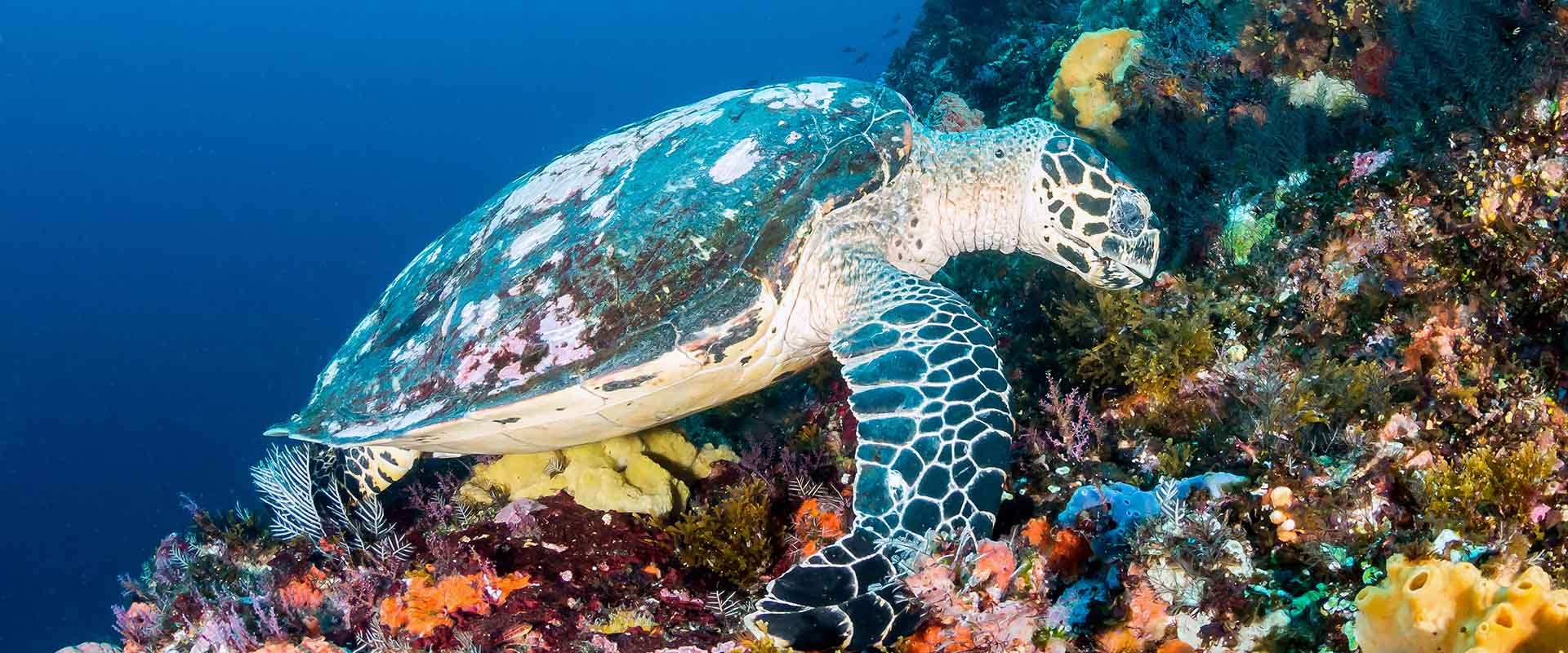
Crevices and overhangs can be homes to lionfish and even white and black tipped reef sharks sleeping until dusk. Huge napoleon wrasses are also a common sight along with hawksbill turtles, which enjoy resting and grazing on the reef.

The turtles here are fairly relaxed about divers and it is possible to get quite close to them and get some great videos. If you look over the side in the blue you can also see surgeonfish and giant trevallies hunting. With all of this going on there will never be a dull moment on your liveaboard dive cruise and so much to be photographed, your memory card might just run dry.

Getting To Batu Balong

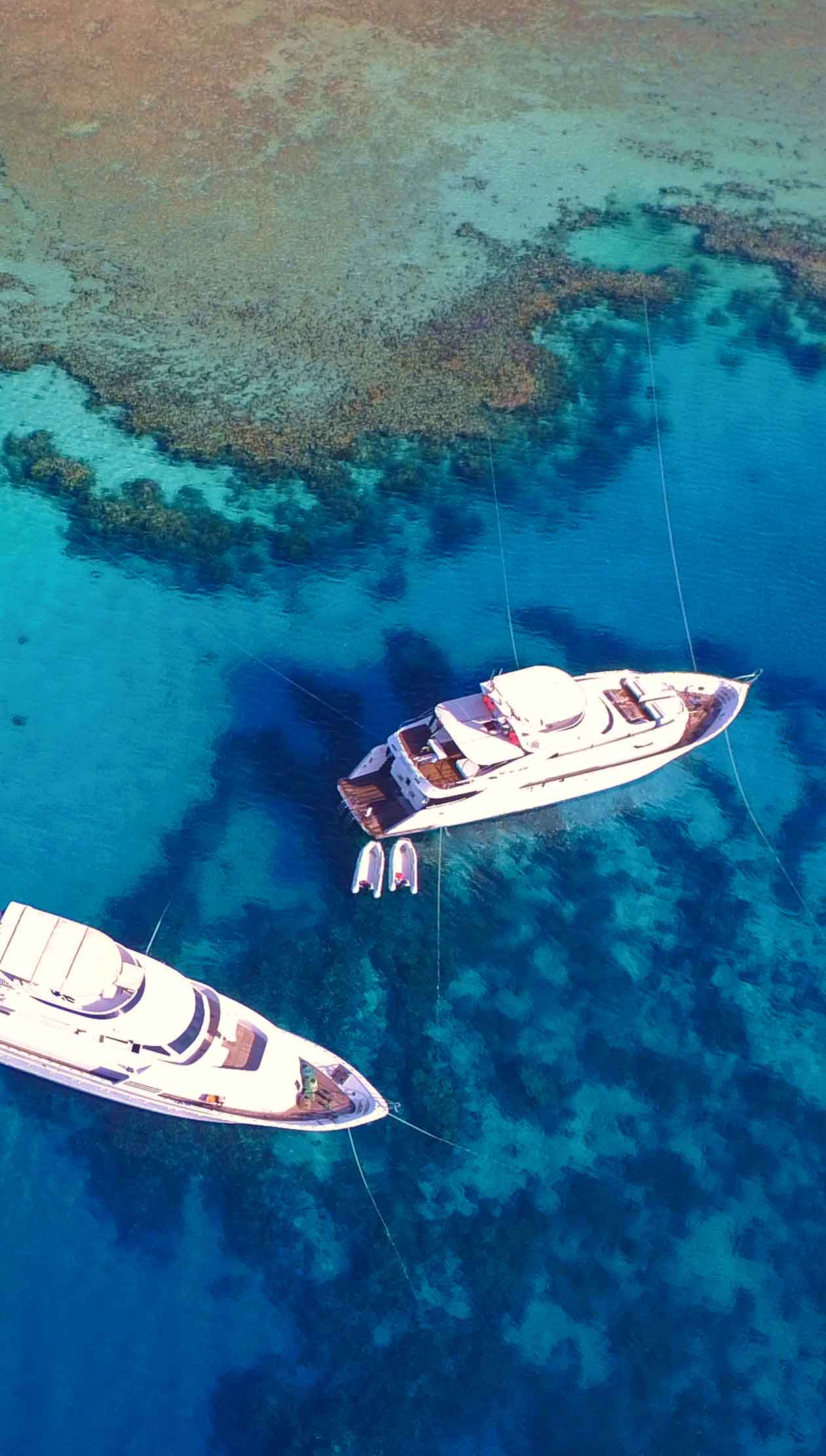
Batu Balong is to the North East of Komodo and around an hour by boat from Labuan Bajo on Flores Island, or several days’ sail from Bali. It is possible to take a day boat if you are restricted on time but the most popular way to visit Batu Balong is a diving liveaboard. Diving cruises in Komodo come in many shapes and sizes, from a few days to two weeks long.

When it comes to boats, there is something to suit all kinds of tastes and budgets. Customised motor vessels offer a slick diving experience and comfortable accommodation. The most popular diving cruises however, are aboard traditional Indonesian sailing boats. These beautiful ships offer a unique authentic experience with traditional food and a peaceful sail.

Most Indonesian liveaboards embark at either Bali or from Labuan Bajo on Flores Island. Many of them start at one and end at the other, so as not to waste time in transit which means more diving! Bali International airport offers flights from many major airports and connecting flights on to Labuan Bajo.


Batu Balong Diving Reviews

  • Rating 9.3 out of 10
  • 9.3 Superb
  • Rating 10.0 out of 10
  • 10.0 Exceptional
  • Paul B
  • Flag of United StatesUnited States

One of my favorite dive sites. Batu Bolong is sililar to all the seamounts in Komodo, with sloping reefs, full of life. Saw grey reef sharks, white tips and giant trevally.

Diving Batu Balong in July on the Cajoma IV
  • Rating 8.4 out of 10
  • 8.4 Very good
  • Savanna K
  • Flag of United StatesUnited States

Like swimming in an aquarium, so much marine life and huge schools of fish. Saw dolphin jet past on this dive!

Diving Batu Balong in July on the Bajak
  • Rating 6.8 out of 10
  • 6.8 Review score
  • Ryan V
  • Flag of United StatesUnited States

Very beautiful dive site with great underwater Pinnacles to explore especially in the 5 to 15 M depth range. Our guide spent over half our tanks looking for pygmy seahorse down around 30 m though so it was a short dive and we did not see most of the good parts for more than a minute or two.

Diving Batu Balong in November on the Sokaraja
  • Rating 10.0 out of 10
  • 10.0 Exceptional
  • Brent H
  • Flag of United StatesUnited States

This was the best for seeing small sealife. Coral was so colorful.
Diving Batu Balong in September on the Cajoma IV


What to know about diving in Batu Balong

What is Batu Bolong in Komodo?

Batu Bolong (sometimes spelled Batu Balong) is a small rock pinnacle dive site in Komodo National Park, rising from deep water between Komodo and Flores. It's known for ferociously strong currents and dense schools of fish, sharks, and other pelagics, making it one of the park's most exciting — and most advanced — dives.

Is it "Batu Balong" or "Batu Bolong"? Which spelling is correct?

The site is most commonly spelled "Batu Bolong" in dive literature, though "Batu Balong" appears often enough that both spellings are recognized as referring to the same pinnacle in Komodo National Park. Either way, divers are talking about the same iconic dive site.

Which national park is Batu Bolong part of?

Batu Bolong sits within Komodo National Park, a UNESCO World Heritage Site in East Nusa Tenggara, accessed via Labuan Bajo on Flores. It's one of the park's signature current-driven dive sites, alongside Castle Rock, Crystal Rock, and Manta Alley.

What is the depth range at Batu Bolong?

Batu Bolong is a pinnacle that rises from deep water to just below the surface, offering divers a range of depths to explore on a single dive. Most of the action along its sides and top happens at recreational depths, with the deeper base disappearing into blue water.

How strong are the currents at Batu Bolong?

Currents at Batu Bolong are famously strong and can change direction or intensity quickly, which is part of what makes the site so productive for fish life. Dive guides plan dives carefully around the tides, and divers should be ready for a fast-moving, active dive rather than a leisurely drift.

What certification level do you need to dive Batu Bolong?

Batu Bolong is considered an advanced-diver site because of its strong currents, so most operators expect at least an advanced open water certification or equivalent drift-diving experience. Comfort with negative entries and quick descents is also important, since divers often need to descend quickly to avoid being swept off the pinnacle.

What marine life can you see at Batu Bolong?

Batu Bolong is known for huge schools of fish swirling around the pinnacle, along with reef sharks patrolling its slopes. The strong currents that make the site challenging are the same ones that concentrate so much life in one place.

What is the best time of day to dive Batu Bolong?

Because the site is so current-dependent, dive timing at Batu Bolong is usually planned around slack tide rather than a particular time of day. Guides monitor tidal charts closely and schedule dives for the window when currents are most manageable.

What is the best season to dive Batu Bolong?

The dry season, roughly April through October, generally brings calmer seas and better visibility for diving at Batu Bolong (as of 2026). Currents are a year-round feature of the site regardless of season, so conditions can still vary dive to dive.

How do divers typically reach Batu Bolong — liveaboard or day boat?

Batu Bolong is reachable by both liveaboard and day boat from Labuan Bajo, making it one of the more accessible signature sites in Komodo National Park. Many single-day Komodo tours include it alongside a Komodo dragon trek.

What is visibility like at Batu Bolong?

Visibility at Batu Bolong is generally good, though it can vary with current strength and the tidal cycle on a given day. Divers should expect it to vary more than at calmer, current-free reefs.

Is Batu Bolong good for underwater photography?

Batu Bolong favors wide-angle photography, given its huge schools of fish and dramatic pinnacle structure, though the strong currents make it a technically demanding site to shoot. Photographers need solid buoyancy control to hold a steady position while composing a shot.

Can you snorkel at Batu Bolong?

Snorkeling at Batu Bolong is possible but challenging, since the same strong currents that define the dive site make the surface water equally active. It's generally treated as a scuba site rather than a snorkeling stop.

What is the water temperature at Batu Bolong?

Water temperature at Batu Bolong generally falls within Indonesia's typical 79–86°F (26–30°C) range, though, as in much of Komodo, it can run cooler when upwelling brings deeper water to the surface. A wetsuit is recommended for multiple dives, even in the warmer months.

What should a first-time visitor know before diving Batu Bolong?

First-time visitors should be comfortable with strong currents, quick descents, and dives that move fast rather than linger in one spot. It's worth discussing the day's tidal conditions with your guide beforehand, since Batu Bolong's character can change significantly between slack and peak tide.

We’re here to help, 24/7.

Connect with our expert travel consultants to plan your next trip.

  • Mylene Issartial
  • Farah Celada-Benito
  • Nicole Laughlin
  • Ester Canali
  • Nina Kapp
  • Oksana Kovaleva
  • Juliane Ball