Liveaboard.com

Tulamben Bay Liveaboard Diving

Our customers rated liveaboard diving in Tulamben Bay as 9.3.

  • 100% Best Price Guarantee

Liveaboard Diving in Tulamben Bay

What To Expect on A Tulamben Bay Liveaboard

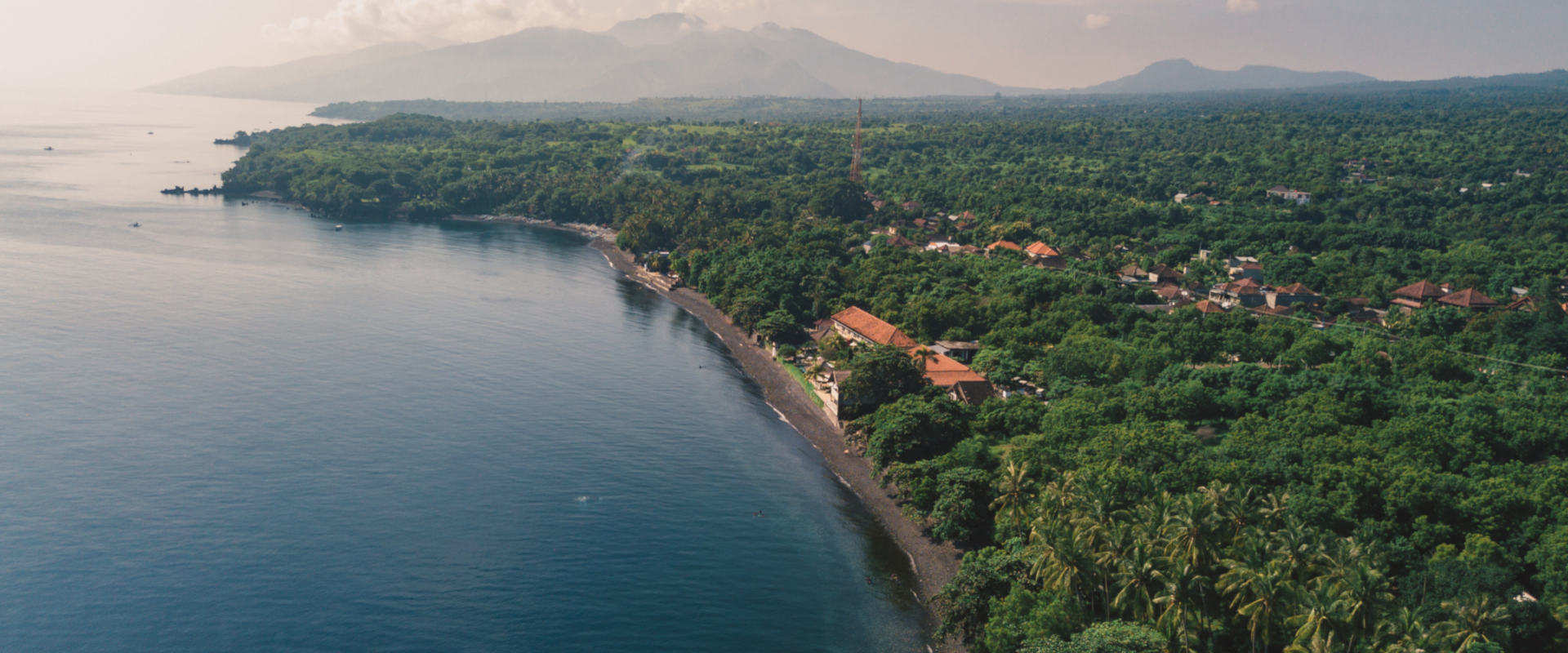
Liveaboard diving in Tulamben Bay will ultimately be visiting this area for dives on the famous Liberty Ship Wreck, but the area also offers divers the complete package of dive sites. Wreck dives, wall dives, drift dives, and muck dives can all be found on this tiny stretch of Bali coastline. Located on the east coast of Bali and visited by a select few Indonesian liveaboard itineraries, a visit to this iconic Bali dive area is a must. With stunning, black cliffs of volcanic rock stretching across almost the entirety of Tulamben Bay.

Tulamben Bay Underwater

Visibility is usually very clear, upwards of 100 feet (30 m). With little current on many dive sites, divers of all certifications are given an opportunity to gaze upon some of the rarest, most exquisite marine species in unique environments. Black, volcanic sands give photographers a distinctive background upon which colours take on another life.

A Tulamben Bay liveaboard cruise will allow divers to see some amazing macro marine life which has made the Liberty Ship Wreck here home. But not everything is about the small stuff, keep an eye out in the blue for passing reef sharks or schools of bumphead parrot fish

Dive Sites Of Tulamben Bay

Liberty Ship Wreck In January 1942, the USAT Liberty was towed onto the shores of Tulamben Bay following a hit by a torpedo fired from a Japanese submarine. It wasn't until the devastating blast of a volcanic eruption in 1963 that tremors pushed the USAT Liberty back into the ocean and to its final resting place. The density of fish life is probably higher here than anywhere along the coast of Tulamben Bay. The entire wreck is now encrusted with coral, dotted with yellow and purple gorgonian fans. Invertebrates, and even the well-hidden pygmy seahorse, have made their home among the various sponges and coral branches. Shoals of fusilier fish and anthias draw high numbers of larger fish from Napoleon wrasse and barracuda, to blacktip reef sharks and giant trevallies. A single dive to this site is not enough! Many divers come here as the sole purpose of their dive trip.

Seraya Secret remains a fairly undiscovered and new site compared to others around Bali. As it happens, Seraya Secret is perhaps one of the best sites for macro photographers, on account of the abundant diversity of tiny species found here; nudibranchs, shape-shifting mimic octopus, bright yellow frogfish, mottled harlequin shrimp and even the elusive ghost pipefish can all be spotted by the trained eye.

Tulamben Wall consists of many rocky features, with plenty of overhangs, all encrusted with coral. The overhangs provide some shelter to the inhabitants from the fairly moderate currents that sweep along the wall. This site is particularly noted for the variety of angelfish that can be found, including the blue striped angelfish and emperor angelfish, with juveniles being almost hypnotic is pattern.

Top Tips For Divers

Those aiming to dive the Liberty Ship Wreck are advised to go in the morning. Most liveaboards that visit Tulamben Bay will call here either on the way to or back from a further destination. Fewer local dive centres tend to visit this location in the morning, while afternoon dives can get quite busy around the wreck.

Although a major attraction, the fantastic visibility can also prove to be a hazard. Divers can sometimes become quite disorientated in the clear water, losing bearing on their depth, especially along wall dives where there is little reference to depth. It's especially important to maintain good buoyancy control while keeping tabs on your computer or depth gauge. Dive guides will very often set a maximum planned diving depth before each dive.

Getting To Tulamben Bay

The only international airport in Bali, Ngurah Rai is located on the southern coast in Denpasar (the capital city of Bali). It is possible to catch a direct flight from many countries, and the list of airlines offering direct services is growing.

Although, if you are travelling from Europe, there are currently no direct flights. Connecting flights are normally caught at Kuala Lumpur, or Bangkok. Depending from where you begin your journey, you may instead connect via Dubai, Singapore or Hong Kong.

Those setting off from Bali on a Indonesian liveaboard tend to leave from Benoa Harbour in Denpasar, directly opposite the airport, across from the bay. Journeys by car can also be arranged, while many choose to rent a moped to move around Bali.


The highlight of a liveaboard to Tulamben Bay is diving the famous Liberty Wreck. Now totally encrusted corals and colourful gorgonian fans, it houses more fish than other sites in the area. Seraya Secret is a fairly new site with nudibranchs, mimic octopus, harlequin shrimp and ghost pipefish.


Tulamben Bay Diving Reviews

  • Rating 9.3 out of 10
  • 9.3 Superb
  • Rating 9.2 out of 10
  • 9.2 Superb
  • Andy H
  • Flag of United StatesUnited States

The Liberty Wreck is just gorgeous!! Wow!

Diving Tulamben Bay in July on the Mermaid II
  • Rating 9.6 out of 10
  • 9.6 Exceptional
  • Rula A
  • Flag of United KingdomUnited Kingdom

Absolute magic. It is God's own garden!

Diving Tulamben Bay in June on the Mermaid I


What to know about diving in Tulamben Bay

What is Tulamben known for?

Tulamben is a village on Bali's northeast coast, famous for the USAT Liberty shipwreck, a WWII-era vessel resting just off its black-sand beach. It's one of the most accessible wrecks and shore dives in the world, requiring no boat to reach.

What is diving like at Tulamben?

Diving at Tulamben centers on the USAT Liberty wreck, resting between roughly 16–98 ft (5–30 m), along with black-sand muck sites nearby offering macro life. Shore entry makes it especially convenient, and water temperatures typically run 79–86°F (26–30°C).

What wreck is at Tulamben?

The wreck at Tulamben is the USAT Liberty, a WWII US Army cargo ship torpedoed in 1942 and later pushed into the sea by Mount Agung's 1963 eruption. It now lies in pieces at depths of roughly 16–98 ft (5–30 m), covered in coral growth and marine life.

What is the beach like at Tulamben?

Tulamben's beach is made of black volcanic sand, a result of its proximity to Mount Agung, and serves as the direct shore-entry point for diving the nearby USAT Liberty wreck. It's a working village beach rather than a resort-style stretch of sand.

What is there to do in Tulamben?

Tulamben is centered almost entirely around diving and snorkeling the USAT Liberty wreck and nearby muck sites, with limited non-diving activities beyond relaxing at a beachfront café or exploring the surrounding volcanic countryside. Many visitors base themselves here for a day or two specifically for the wreck dive.

What dive sites are near Tulamben?

Beyond the USAT Liberty wreck, Tulamben's coastline includes the Coral Garden, Tulamben Wall, and the Drop-Off, all reachable by a short walk or boat ride along the shore. Most sites feature black-sand slopes and moderate depths, suitable for a range of experience levels.

How long is the drive from Ubud to Tulamben?

The drive from Ubud to Tulamben typically takes about 1.5–2 hours, depending on traffic, covering roughly 30 mi (48 km) across Bali's northeastern countryside. Many divers arrange a private car or join a shared shuttle specifically for a day of wreck diving (as of 2026).

How deep does the USAT Liberty wreck lie at Tulamben?

The USAT Liberty wreck lies between roughly 16 and 98 ft (5 to 30 m), making its shallowest sections accessible to snorkelers and its deeper stern reachable by more experienced divers. That depth range is part of what makes it such a popular multi-level dive.

How did the USAT Liberty wreck end up underwater at Tulamben?

The USAT Liberty was a WWII US Army cargo ship torpedoed in 1942 and beached at Tulamben rather than sunk outright. It sat on the beach for two decades until Mount Agung's 1963 eruption shook it loose and slid it into the sea, where it remains today.

Can snorkelers experience the Liberty wreck, or is it for certified divers only?

The Liberty wreck's shallowest sections start at around 16 ft (5 m), shallow enough that snorkelers can get a good look at parts of the hull from the surface. Divers, however, get access to the full wreck down to about 98 ft (30 m).

Is Tulamben a good destination for beginner divers?

Tulamben's shore-entry access and the Liberty wreck's shallow upper sections make it a genuinely beginner-friendly dive destination, one of the reasons it's considered among the most accessible wreck dives in the world. More experienced divers can still find deeper sections of the wreck and nearby sites to explore.

What is the water temperature like at Tulamben?

Water around Tulamben, on Bali's northeast coast, generally falls within Indonesia's typical range of roughly 79–86°F (26–30°C) year-round. A standard tropical wetsuit is sufficient for most divers.

Is Tulamben better suited to macro or wide-angle photography?

Tulamben works well for both: the Liberty wreck itself makes a striking wide-angle subject, while the black sand slopes nearby are known for the kind of small, camouflaged critters that reward a macro lens. Many photographers plan separate dives for each style while in Tulamben.

What is the best time of year to dive Tulamben?

Tulamben is diveable year-round given Bali's consistent water temperatures, though the dry season, roughly April to October, tends to bring calmer conditions and better visibility. The wreck's shore access means weather has less impact here than at boat-only dive sites (as of 2026).

What marine life can be seen around the Liberty wreck?

The Liberty wreck's encrusted hull attracts large schools of fish that use its structure for shelter, along with smaller reef species that have colonized it over the decades since it sank. It's this dense marine growth, as much as the wreck's history, that keeps divers returning.

We’re here to help, 24/7.

Connect with our expert travel consultants to plan your next trip.

  • Ester Canali
  • Nicole Laughlin
  • Juliane Ball
  • Oksana Kovaleva
  • Nina Kapp
  • Mylene Issartial
  • Farah Celada-Benito