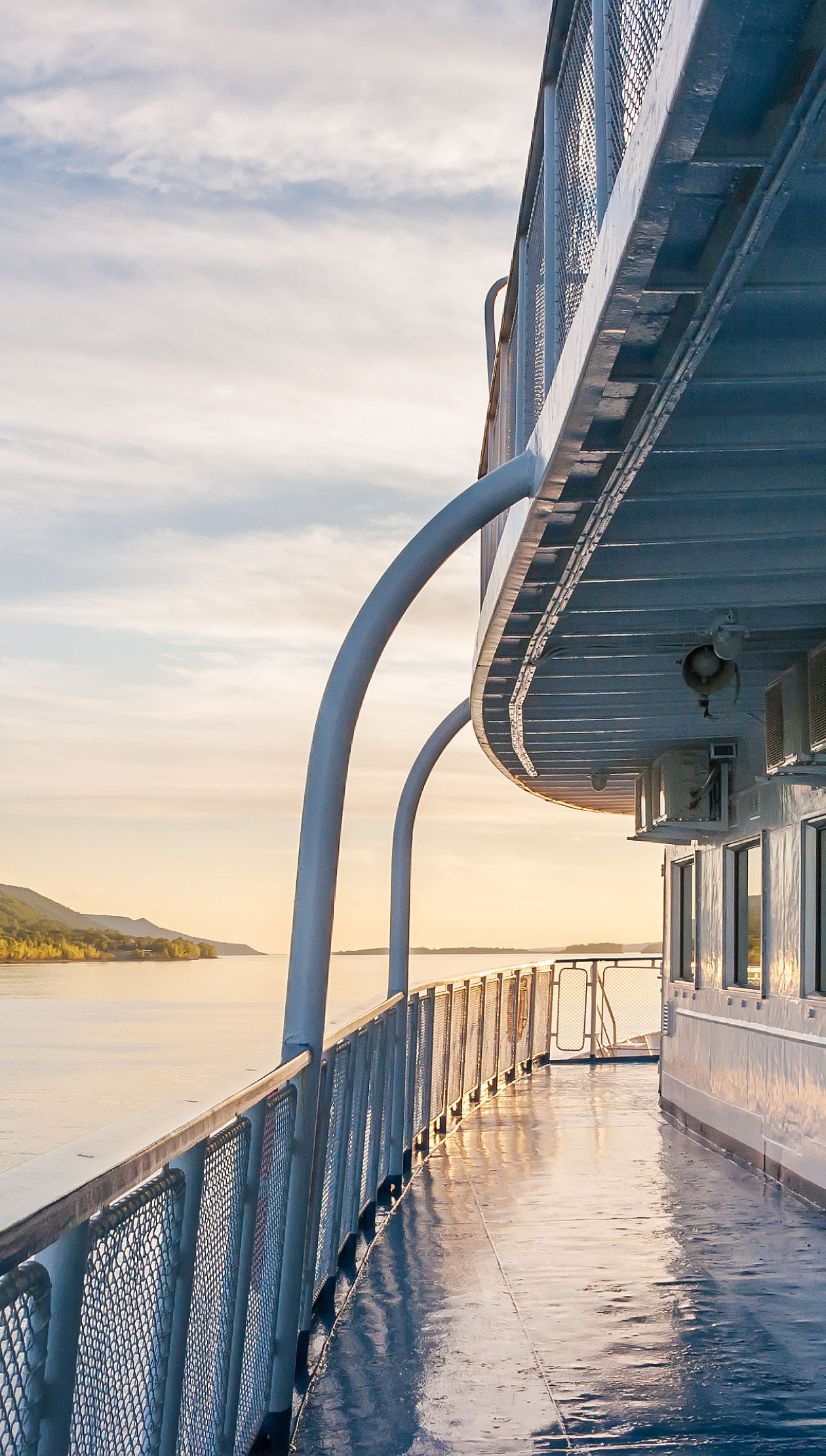
Hue River Cruises: A Journey Through Imperial Vietnam’s Heart
Hue’s story is written in water. The city’s lifeline, the Perfume River, flows from the mist-shrouded hills to the heart of this once-imperial capital, weaving past pagodas, palaces, and hidden gardens. Aboard a traditional-style vessel or modern river ship, travelers can experience Vietnam’s soul through ever-changing vistas, cultural encounters, and tranquil moments beneath banyan trees or temple gates.
From the Perfume River’s serene stretches to the grand Mekong Delta’s labyrinthine wonders, Hue offers a gateway to Southeast Asia’s most memorable river cruises. Whether you seek leisurely exploration, cultural immersion, or scenic discovery, each journey through Hue unveils a tapestry of history, cuisine, and natural beauty unlike anywhere else.
The Rivers of Hue and Beyond: Cruising the Perfume River and Mekong
The Perfume River: Hue’s Timeless Artery
At the heart of Hue lies the Perfume River (Sông Hương), named for the floral scent carried downstream from upriver orchards. Cruising this iconic waterway provides intimate access to Hue’s most treasured landmarks: the Imperial Citadel, Thien Mu Pagoda, and the Royal Tombs of the Nguyen Emperors. Along its banks, scenes of fishermen casting nets, monks chanting in ancient pagodas, and dragon boats gliding past weeping willows unfold like poetry in motion. A day on the Perfume River is a journey through centuries of Vietnam’s dynastic grandeur and spiritual depth.
The Mekong River: A Grand Voyage through Vietnam and Cambodia
Expanding beyond Hue’s riverbanks, many travelers embark on extended Mekong River cruises that showcase the region’s most vibrant landscapes and cities. From the rice paddies and floating markets of the Mekong Delta to the French colonial facades of Phnom Penh and the temples of Angkor, these voyages capture the essence of Southeast Asia’s history and culture in motion.
Highlights Along the Mekong: From North to South
Lan Ha Bay
Lan Ha Bay, often considered Halong Bay’s quieter cousin, enchants visitors with its limestone karsts and emerald waters. Cruising here blends adventure with serenity—kayaking through hidden lagoons or visiting floating fishing villages where life moves in rhythm with the tides.
Halong Bay
Halong Bay is a UNESCO World Heritage Site renowned for its surreal seascape of limestone pillars rising from calm waters. River cruise extensions into this region offer breathtaking vistas, sunset sails, and cave explorations that complement the inland river experiences of Hue.
Cat Ba Island (Viet Hai)
Cat Ba Island, a gateway to both Lan Ha Bay and Halong Bay, invites travelers to explore its national park’s lush jungles, hidden beaches, and traditional villages, such as Viet Hai. River excursions here offer a blend of cultural insight and nature-focused adventure.
Da Nang
Da Nang, with its Han River and vibrant waterfront, serves as a cultural and logistical hub for river cruises. Nearby beaches, the Marble Mountains, and historic Hoi An make this a favorite port for enriching day excursions during longer river itineraries.
Hanoi
Hanoi’s Red River Delta connects the capital’s colonial elegance and centuries-old temples to the greater Mekong network. Cruises here reveal a juxtaposition of ancient traditions and modern energy, from tranquil craft villages to bustling urban riverfronts.
Ho Chi Minh City
In dynamic Ho Chi Minh City, the Saigon River opens pathways to the Mekong Delta’s lush waterways. Cruises begin or end here, offering explorations of colonial architecture, vibrant markets, and poignant history, from the War Remnants Museum to the Cu Chi Tunnels.
Unique Aspects of Cruising on Each Waterway
Cultural Encounters
From temple blessings in Hue to water puppet shows in Hanoi and floating markets in Can Tho, river cruises deliver unparalleled cultural access. Each stop reveals distinct facets of Vietnam’s heritage, from imperial courts to rural traditions.
Cuisine and Culinary Delights
Vietnam’s rivers nourish more than landscapes—they flavor its cuisine. Cruises often incorporate market visits, onboard cooking classes, and farm-to-table meals showcasing regional specialties: Hue’s imperial banquets, Mekong Delta’s tropical fruits, and Saigon’s fusion flair.
Scenic Diversity
Expect a kaleidoscope of scenery: from Hue’s misty hills and ancient pagodas to the Mekong’s verdant rice paddies, lotus ponds, and stilt villages. Every river bend offers new perspectives, whether framed by jungle canopies or glittering city lights.
Themed and Length-Based Itineraries
Short Cruises (3–5 Days)
Ideal for travelers with limited time, short itineraries often focus on Hue and the highlights of central Vietnam. Expect immersive days exploring the Perfume River, Thien Mu Pagoda, and the Nguyen Tombs, combined with local cultural experiences like market visits and traditional performances.
Medium Cruises (6–9 Days)
These itineraries typically blend Hue with downstream destinations, such as Da Nang, Hoi An, and possibly extensions into Halong Bay. Guests enjoy a well-rounded mix of heritage sites, UNESCO landmarks, culinary explorations, and leisurely river days where Vietnam’s rhythms unfold naturally.
Long Cruises (10+ Days)
Extended journeys traverse the full breadth of Vietnam’s waterways—from Hanoi’s Red River Delta through Hue and down the Mekong to Ho Chi Minh City or Cambodia. These cruises offer comprehensive cultural immersion, from ancient temples to vibrant capitals, rural life to UNESCO marvels.
Special Interest Cruises
- Wine & Culinary Tours: Pair river views with curated wine pairings, market tours, and onboard masterclasses celebrating Vietnam’s diverse flavors.
- Art & History Journeys: Explore Vietnam’s artistic heritage through visits to museums, ateliers, and historical sites from imperial dynasties to colonial legacies.
- Christmas Markets & Festivals: Although less traditional in Vietnam, festive cruises often align with Tet celebrations or lantern festivals, offering a unique seasonal charm.
- Active Adventures: Focused on cycling, kayaking, and nature walks, these itineraries cater to those seeking to balance cultural experiences with physical exploration.
The Onboard Experience
Ship Sizes and Ambiance
River cruise vessels range from intimate sampans to boutique ships carrying 30 to 80 guests. Expect a blend of colonial elegance and modern comfort, with sun decks, observation lounges, and cultural décor creating a refined yet relaxed atmosphere perfect for both scenic contemplation and socializing.
Cuisine and Wine
Dining onboard celebrates regional flavors with multi-course meals highlighting fresh, local ingredients. From royal-inspired Hue dishes to Mekong tropical delicacies, each meal becomes part of the cultural journey. Carefully curated wine lists feature both international selections and emerging Vietnamese vintages.
Excursions and Enrichment
Daily excursions strike a balance between iconic landmarks and authentic encounters, featuring guided citadel tours, tea ceremonies, sampan rides through floating markets, and artisan workshops. Onboard enrichment includes lectures on Vietnamese history, language classes, and traditional music performances, enriching the voyage between ports.
Something for Everyone
- Couples: Romantic sunsets, serene landscapes, and private excursions make these cruises ideal for honeymoons and anniversaries.
- Families: Select cruises cater to families with educational activities, cultural workshops, and gentle itineraries suitable for younger travelers.
- Solo Travelers: Small group sizes foster camaraderie while allowing space for personal reflection; dedicated solo cabins or hosted events enhance the experience.
- Luxury Seekers: Premium vessels offer spa treatments, butler service, and exclusive excursions, ensuring every moment feels indulgent and memorable.
A Voyage Through Hue’s Living Heritage
“A river cruise through Hue is more than travel—it is an invitation to slow down, to witness history flowing beneath temple eaves and over water lilies, to taste the poetry of Vietnam through cuisine, culture, and the timeless passage of the river.”
From the tranquil stretches of the Perfume River to the vibrant life of the Mekong Delta, Hue offers a portal to Vietnam’s past and present. Each journey unfolds in scenes of serene beauty, cultural richness, and heartfelt hospitality—an experience both intimate and profound, inviting travelers to see the world not as hurried tourists, but as honored guests on the water’s timeless path.