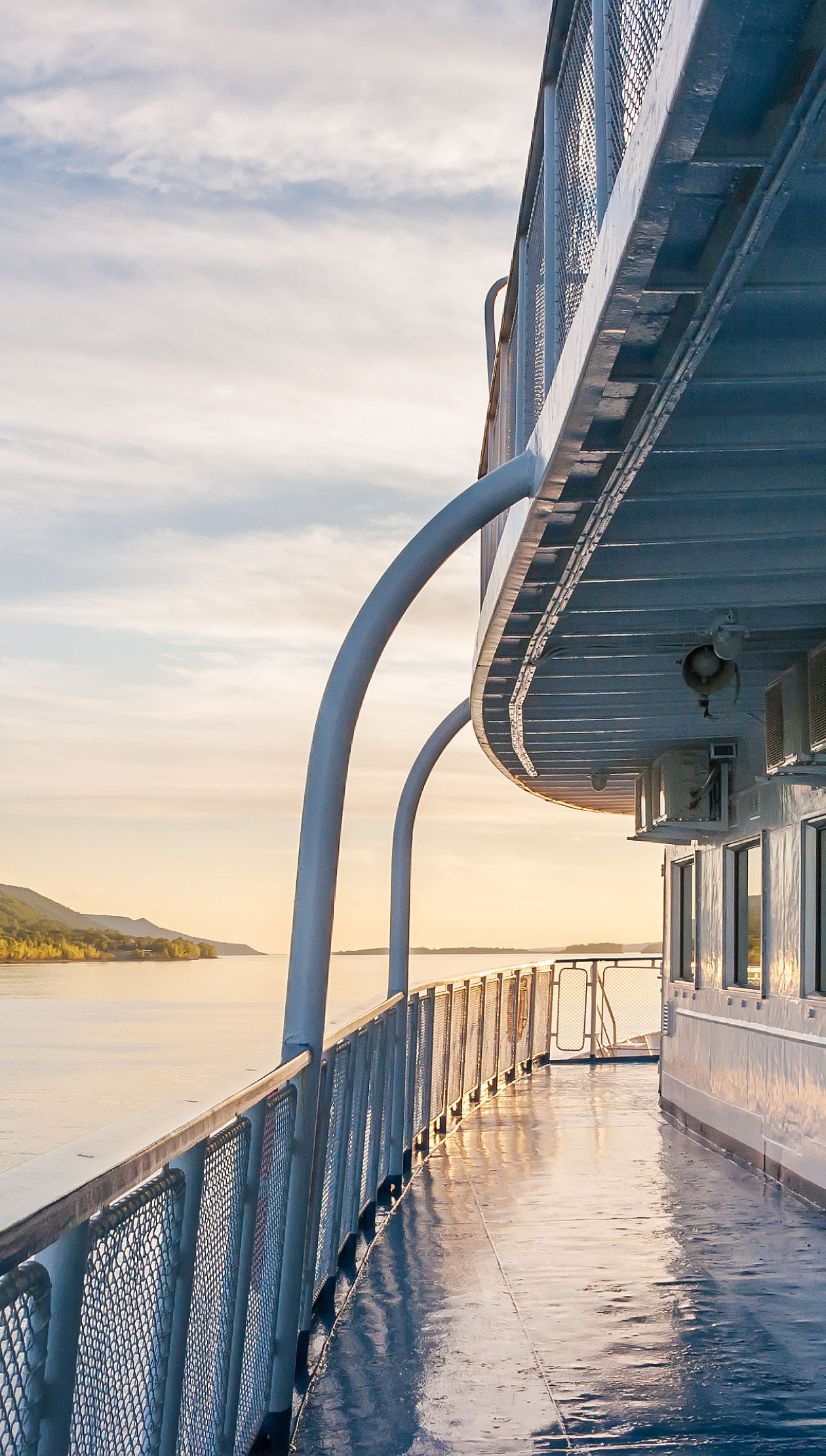
Jiujiang: Where Lake Meets River
Positioned in the northern part of Jiangxi province, Jiujiang is a crossroads of heritage and hydrology—blending Buddhist sanctuaries, revolutionary history, lakeside poetry, and sweeping panoramas of the Yangtze. This historic river port, once a gateway for foreign merchants and missionaries, today welcomes travelers aboard luxury river vessels and boutique ships that offer an intimate encounter with the soul of inland China.
Jiujiang lies at a powerful confluence—between the Yangtze River and the immense Poyang Lake, China’s largest freshwater lake. This makes it an incredibly scenic embarkation point for Yangtze cruises. As ships glide past the lakeside wetlands, travelers may spot migratory birds, such as the endangered Siberian crane, before turning west into deeper gorges. The town itself offers charming excursions: stroll through the ancient Xu Ke mansion, ascend Mount Lushan, or visit the crumbling, romantic halls of the former British consulate, which remind visitors of Jiujiang’s 19th-century colonial past.
From here, you can trace the Yangtze eastward to cosmopolitan Nanjing and imperial Zhenjiang, or westward into the mythic heart of the Three Gorges region. Along the way, river cruises unveil a sequence of ever-changing scenes—misty cliffs, red-roofed temples, bamboo thickets, and gleaming highrises—all stitched together by one of Earth’s most powerful rivers. Welcome to the waterborne journey of a lifetime, starting in Jiujiang.
Yangtze River: Lifeline of the Land
Wuhan: East-West Crossroads of Culture
A day’s cruise west from Jiujiang brings you to Wuhan, a sprawling riverside metropolis and cultural giant. Highlights include the iconic Yellow Crane Tower, historic riverfront bunds, and the vibrant alleys of Han Street. As the Yangtze meets the Han River, Wuhan acts as a pivotal node—once a center of revolutionary politics, now a lively blend of academia, commerce, and art. River cruise guests can take part in guided tea ceremonies or delve into antique collections at the Hubei Provincial Museum.
Huangshi: Mountains, Minerals, and Myths
Just before Jiujiang, eastbound cruises often pause at Huangshi, where forested hills cradle a city known for both its iron mines and tranquil parks. Here, visit the picturesque Ci Lake, wander ancient village relics, or ascend into the Dabie Mountains for panoramic views over the Yangtze. Huangshi is especially alluring during spring, when cherry blossoms fringe the water’s edge, and the scenery evokes traditional Chinese scroll paintings.
Anqing: The River's Reflective Pause
Downriver from Jiujiang lies Anqing, a serene stop surrounded by limestone outcrops and Buddhist caves. Anqing’s Yingjiang Temple, with its 70-meter pagoda, provides a striking view over the Yangtze bend. River cruisers can explore the old city walls, watch traditional opera performances, or join culinary excursions featuring Anhui-style dishes, known for their umami-rich flavors and use of wild herbs.
Tongling: The Copper Capital
Often included in extended routes, Tongling reveals a lesser-known but deeply authentic riverside town. Famous for its ancient copper production, Tongling’s heritage is explored in the Bronze Museum. Nature lovers will appreciate nearby Tianjing Lake and the scenic trails of Shizishan National Park. Cruise passengers can also visit cliffside Buddhist carvings and river temples that have guided boatmen for centuries.
Yichang: Gateway to the Gorges
To the west, the port of Yichang serves as the eastern gateway to the famed Three Gorges. It’s also home to the monumental Three Gorges Dam, a marvel of engineering and a source of environmental debate. Tours here take visitors inside the dam’s control centers or onto panoramic decks overlooking the massive locks. It’s a moment of scale and awe, reminding travelers of the Yangtze’s power to shape not only landscapes but entire civilizations.
Jingzhou: Walled Heritage by the River
Further west, Jingzhou showcases well-preserved city walls and moats dating to the Warring States period. It’s a highlight for history buffs, featuring the Jingzhou Museum, with a rare 2,000-year-old mummy. Cruise guests can walk along battlements, visit local markets, and enjoy folk performances that bring Chu Dynasty stories to life. This blend of legend and living culture makes Jingzhou an unforgettable stop along the inland route.
Nanjing: Imperial Grandeur and Poetic Gardens
East of Jiujiang, the Yangtze cruises to Nanjing, unveiling a former imperial capital known for its tree-lined boulevards, Ming-era tombs, and classical gardens. Here, river cruise passengers might visit the Sun Yat-sen Mausoleum, the solemn Nanjing Massacre Memorial, or sip jasmine tea in Confucian teahouses. The cruise into Nanjing is especially scenic, flanked by bridges and glowing pagodas at twilight.
Zhenjiang: The Vinegar City with Soul
At the confluence of the Grand Canal and the Yangtze, Zhenjiang charms travelers with its ancient temples, steep hills, and famous black vinegar. Visit Jinshan Temple—built on an island in the river—or walk the winding trails of Beigu Mountain. Culinary tastings are a must here: learn how Zhenjiang vinegar is brewed in centuries-old clay pots and how it is used to flavor delicate river fish and pickled vegetables.
Yangtze River Cruise Itineraries from Jiujiang
Short Cruises (3–5 Days)
Ideal for travelers seeking a compact yet rich introduction to the Yangtze, short cruises from Jiujiang often head to Wuhan or Anqing with scenic stops at Mount Lushan and wetland reserves near Poyang Lake. Onboard, guests enjoy cultural performances and tastings of regional cuisine. These shorter itineraries are popular with families and weekend adventurers seeking an easy and luxurious escape into central China’s waterways.
Medium Cruises (6–9 Days)
These mid-length voyages typically explore the section between Jiujiang and Yichang or even deeper into the Three Gorges region. Excursions include temple visits, dam tours, and guided hikes through limestone cliffs and rural villages. Some cruises feature theme nights based on dynastic history or traditional Chinese medicine. This format suits cultural travelers, couples, and photography enthusiasts who want more depth and variety without committing to a long itinerary.
Long Cruises (10+ Days)
For the full immersion, long itineraries traverse from Jiujiang to Chongqing or even Shanghai, tracing the river’s historic arc through central, eastern, and western China. These often include overland segments or flight add-ons, allowing deeper exploration of regional capitals, sacred mountains, and cultural heritage sites. Expect onboard lecturers, calligraphy classes, and multiday excursions to off-the-beaten-track towns. These journeys attract retirees, lifelong learners, and luxury cruise lovers.
Special Interest Cruises
- Wine & Vinegar Cruises: Pair tastings in Zhenjiang with curated menus that highlight regional pairings such as fermented bean curd and pickled lotus root.
- Art & History Voyages: Featuring visits to calligraphy schools, ancient stone inscriptions, and personal guided tours of heritage museums in Anqing and Jingzhou.
- River Festival Cruises: Timed around the Dragon Boat Festival or local temple fairs, these cruises combine folklore, fireworks, and riverside revelry.
- Nature & Birdwatching Cruises: Focusing on Poyang Lake and wetland zones, ideal for spotting migratory cranes and taking eco-guided photo tours.
Onboard Experience
Ship Sizes and Ambiance
Vessels departing or passing through Jiujiang range from sleek, boutique river yachts with fewer than 50 guests to larger, full-service Yangtze cruise liners accommodating 200+. Most ships feature panoramic lounges, open-air decks, and libraries. The smaller vessels offer a more intimate and immersive experience, ideal for couples and solo travelers. Larger ships appeal to those who enjoy onboard programming, amenities, and community.
Cuisine and Wine
Themed culinary programs often feature Jiangxi, Hubei, and Sichuan flavors, including spicy river fish, steamed dumplings, and lotus-root dishes. Western options are generally available, with some cruises offering fusion menus. Wine pairings may include imported selections and regional varieties from the Yangtze Delta. Special tasting nights and onboard dumpling-making classes bring the culinary journey to life.
Excursions and Enrichment
Excursions range from half-day city tours to sunrise temple hikes, offering layers of historical, spiritual, and natural experiences. Enrichment programs may include lectures on Confucian philosophy, live guzheng music, or traditional paper-cutting classes. Many cruises cater to active travelers with walking tours, while others emphasize relaxed observation from the deck with a glass of tea in hand.
Something for Everyone
- Couples: Romantic deck views, private dinners, and spa services
- Families: Cultural immersion, light activities, and educational programs
- Solo Travelers: Smaller vessels, communal dining, and guided excursions
- Luxury Seekers: Suites, butler service, and curated shore experiences
Let the River Carry You
"To cruise the Yangtze from Jiujiang is to witness the soul of China unfold—bend by bend, temple by temple, with the river as your guide and the mountains as your memory."
Whether you're drawn to sacred landscapes, cultural tapestries, or the quiet lapping of river water beneath your cabin, a Jiujiang river cruise opens the door to a part of China best explored slowly. From misty hills to bustling ports, from ancient dynasties to modern engineering marvels, this voyage is an unforgettable fusion of natural wonder, timeless history, and immersive cultural discovery.