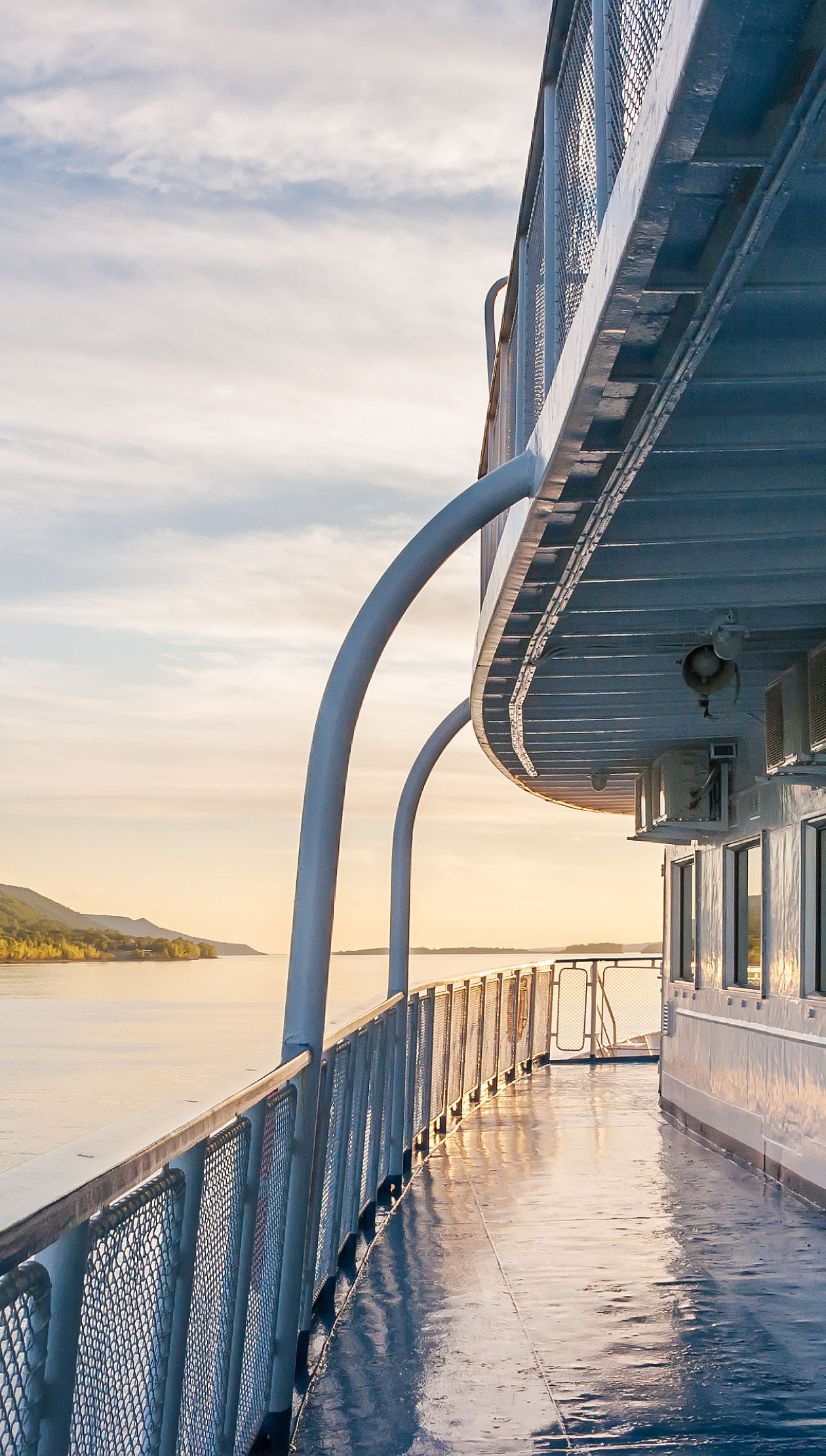
The experience reaches beyond scenery. Tangail is renowned for fine handloom textiles, historic estates, old places of worship, river markets, and a deeply rooted culture of craftsmanship. A cruise through the region can combine slow navigation with guided visits to weaving communities, architectural landmarks, and rural settlements where daily life remains closely connected to the river's seasonal rhythm.
Tangail town sits beside the smaller Lohajang River and acts as the cultural center for inland excursions from a Jamuna itinerary. Guests can explore local markets, textile shops, and neighborhoods linked to the district's weaving traditions. The town also provides access to regional food, including freshwater fish, fragrant rice dishes, vegetables, seasonal fruit, and celebrated milk-based sweets. For many travelers, Tangail offers the most complete introduction to the district's identity before or after time on the main river.
This is not a conventional European-style cruise of fixed quays and famous capitals. It is an expedition into a dynamic floodplain, best suited to curious travelers who value cultural encounters, photography, regional food, and the changing beauty of a braided river. Explore more journeys through Bangladesh river cruises and discover how the country's waterways connect landscapes, communities, and centuries of history.
River Cruising Through Tangail
Tangail District is crossed by several waterways, but its defining western river is the Jamuna, the principal downstream channel of the Brahmaputra in Bangladesh. Wide, sediment-rich, and constantly reshaped by currents and seasons, the Jamuna offers a dramatically different cruising experience from that of narrow urban rivers. Navigation may pass active channels, temporary beaches, green river islands, fishing grounds, and embankments that protect nearby settlements.
Bhuapur Riverfront
Bhuapur lies close to the Jamuna and is one of the most natural access points for exploring Tangail's western river landscape. The approach reveals broad skies, sandy banks, cultivated land, and boats carrying passengers or goods between riverside communities. Shore visits may focus on village life, agriculture, local transport, or the changing relationship between people and the river. The atmosphere is quiet and observational, making Bhuapur especially rewarding for travelers interested in documentary photography and everyday culture.
Jamuna Multipurpose Bridge
The Jamuna Multipurpose Bridge is the region's most imposing modern landmark, linking the eastern and western sides of Bangladesh by road and rail. Seen from the water, its long line of supports creates a striking contrast with the river's open channels and shifting sand. A cruise beneath or near the bridge highlights the scale of the Jamuna and the engineering required to cross it. It also provides a powerful visual symbol of connection between Tangail and Sirajganj.
River Islands and Seasonal Sandbanks
The Jamuna is a braided river, meaning that its flow separates into multiple channels around islands and exposed deposits of sand and silt. These river islands are among the route's most distinctive features. Some remain bare and luminous beneath the sun, while others support crops, grazing animals, homes, and temporary landing places. Conditions change with the season, so no two passages look exactly alike. Sunrise walks, birdwatching, and small-boat exploration can become memorable highlights when navigation and local conditions allow.
Sirajganj
Across the river from Tangail, Sirajganj adds commercial energy and historical depth to a Jamuna cruise. The city has long been associated with river transport, trade, agriculture, and textile production. Its busy waterfront contrasts with quieter islands and rural banks, with ferries, cargo movement, markets, and densely settled neighborhoods. A combined Sirajganj river cruise and Tangail itinerary provides a broader understanding of how the Jamuna supports both remote communities and important regional centers.
Jamalpur and Bahadurabad
Longer northbound journeys may continue toward Jamalpur and Bahadurabad, where the Brahmaputra-Jamuna system dominates the landscape. The river feels increasingly expansive, with long reaches of open water, distant banks, and low-lying agricultural land. This section suits travelers who prefer expedition-style cruising and extended observation of the floodplain. Guided interpretation can explore river formation, seasonal flooding, farming, fisheries, and the environmental forces that continually reshape northern Bangladesh.
Aricha and the Southern Jamuna
Southbound itineraries can connect Tangail with Aricha river cruises, near the lower reach of the Jamuna before its waters join the wider river system. Aricha has long served as a transport point, and its waterfront can be lively with ferries, launches, traders, and passengers. The journey south gradually shifts from the broad, braided character seen near Tangail toward busier channels and denser settlement, adding variety to a longer river voyage in Bangladesh.
Atiya Mosque and Tangail's Weaving Villages
An inland excursion to Atiya Mosque introduces one of Tangail's most important historic buildings, known for its domes, brick construction, and decorative architectural detail. The visit can be paired with a weaving village, where guests observe the patient process behind Tangail's renowned handloom textiles. Together, these experiences connect spiritual history, design, skilled labor, and family tradition. They are among the strongest reasons to include Tangail in a culturally focused Jamuna itinerary.
Distinctive Qualities of a Jamuna River Cruise
The Jamuna rewards travelers with scale, movement, and human connection. Its scenery is defined less by monumental skylines than by immense water, changing channels, low islands, fishing boats, and settlements adapted to seasonal conditions. Culture is evident in textiles, markets, farming, architecture, and conversations with people whose lives are closely tied to the river.
Regional cuisine adds another layer to the journey. Menus may feature freshwater fish, rice, lentils, gently spiced vegetables, chicken, flatbreads, tropical fruit, and traditional sweets. Tea is central to daily hospitality, while premium vessels may also provide international wines or other imported beverages. The most memorable meals are often those that interpret local ingredients with care while remaining accessible to international guests.
Tangail River Cruise Itineraries
Short Cruises of 3 to 5 Days
A short itinerary can combine Tangail town, Bhuapur, the Jamuna Bridge, and nearby river islands. Guests might spend mornings watching fishing boats and birds, then travel ashore for a weaving demonstration or guided heritage visit. These compact voyages work well as an extension to time in Dhaka and provide a concentrated introduction to Bangladesh's river culture without requiring a long expedition.
Medium Cruises of 6 to 9 Days
A medium-length route allows the landscape to unfold at a more natural pace. The ship may connect Tangail and Sirajganj, explore several channels, stop near river communities, and include inland visits to Atiya Mosque and historic estates. Additional days create time for lectures, photography, cooking demonstrations, and flexible exploration when river conditions alter the planned route. Travelers gain a deeper sense of how trade, agriculture, craft, and transport depend on the water.
Long Cruises of 10 Days or More
Long voyages can extend northward toward Jamalpur and Bahadurabad, or southward toward Aricha and the connected waterways leading to central Bangladesh. These journeys emphasize the scale of the national river system and may combine major rivers, small channels, cities, villages, and protected landscapes. Guests can expect more time on deck, more varied shore visits, and a stronger expedition character. A longer cruise is the best choice for travelers who want cultural immersion rather than a quick sightseeing program.
Special-Interest Cruises
Tangail's strongest themed itineraries focus on textiles, history, photography, food, and river ecology. A craft journey may include visits to looms and discussions with artisans. A history program can link old religious buildings, landowner estates, and the evolution of river trade. Photography departures can schedule outings for early and late light, while culinary cruises may feature market visits, regional ingredients, and onboard demonstrations. Rather than European wine routes or Christmas markets, Tangail offers themes rooted in Bangladesh's own landscape and cultural traditions.
The Onboard Experience
Ship Sizes and Ambiance
Jamuna itineraries are best suited to small expedition vessels, private launches, and boutique river ships carrying a limited number of guests. Their scale supports a relaxed atmosphere, easier interaction with guides, and greater flexibility when visiting smaller landing points. Interiors range from practical and comfortable to refined, with shaded deck space remaining especially important for river views.
Cuisine and Wine
Dining typically blends regional recipes with familiar international options. Fresh fish, rice, vegetables, soups, fruit, and mild curries may appear alongside Western breakfasts and simple comfort dishes. Tea, coffee, juices, and bottled water are standard, while wine availability depends on the vessel and itinerary. Travelers with dietary needs should arrange them before departure, particularly on smaller ships with limited storage.
Excursions and Enrichment
Guided walks, village visits, textile demonstrations, architectural tours, small-boat outings, lectures, and photography sessions bring context to the passing scenery. The best programs use knowledgeable local guides who can explain the river's ecology, history, economy, and seasonal behavior. Because the Jamuna changes continually, flexibility is part of the experience, and alternative landings may become unexpected highlights.
Something for Everyone
- Couples will appreciate the quiet pace and shared cultural encounters.
- Solo travelers benefit from the sociable environment of a small ship.
- Families with older children can enjoy the educational value of village and craft visits.
- Luxury travelers should choose a premium vessel with private cabins, attentive service, climate control, and carefully planned excursions
Above all, Tangail suits open-minded guests who value authenticity, observation, and meaningful travel.
A Journey Woven from Water and Culture
A river cruise through Tangail is a journey into a landscape that never stands still. The Jamuna shifts, divides, gathers, and moves onward, carrying stories of trade, resilience, craftsmanship, and daily life. Between broad horizons, woven textiles, historic architecture, and warm encounters ashore, travelers discover not only a destination, but a living relationship between people and water.