Szeged also rewards travelers who step ashore. Rebuilt with grand avenues and decorative architecture after the devastating flood of 1879, the city combines monumental squares with intimate cafes, riverside parks, galleries, and markets. The twin towers of the Votive Church dominate the skyline, while the flowing forms of Reok Palace reveal the artistic confidence of the early twentieth century. This blend of history and beauty gives every walking tour a strong sense of place.
Szeged is one of the cultural anchors of a Tisa river cruise. Guests can walk from the river toward the monumental Votive Church, explore the surrounding square, and continue through streets lined with decorative facades. The Mora Museum, the National Theatre, and Reok Palace add art, archaeology, and architectural interest. Along the embankment, shaded paths and open views encourage a slower pace, especially in the evening, when the river reflects the city's lights.
Food adds another layer to the experience. Szeged is closely associated with paprika, winter salami, and deeply flavored fish soup, making it a natural highlight on culinary river cruises. Beyond the city, the Tisa links farming communities, spa towns, nature reserves, sandy riverbanks, and historic settlements across Hungary and northern Serbia. A journey here is not simply a cruise between ports; it is an immersion in the landscapes and traditions of the Great Plain.
Cruising the Tisa River Through Szeged
The Tisa River offers a quieter and more intimate alternative to Europe's most famous waterways. Its route passes through fertile countryside, wetlands, protected habitats, and towns that still retain a close relationship with the river. Cruises may combine the Tisa with the Danube, creating longer journeys through Hungary and Serbia, while shorter programs focus on the southern Great Plain and the cultural heart of Szeged.
The character of the river changes with the seasons. Spring brings green floodplain forests and active birdlife, summer creates long golden evenings beside the water, and early autumn is ideal for harvest flavors and wine-focused excursions. Water levels and navigation conditions can affect schedules, so itineraries often preserve a flexible, expedition-like spirit. That adaptability is part of the appeal: the Tisa feels lived-in, natural, and refreshingly unscripted.
Algyo and the Lower Tisa Landscape
Only a short distance upstream from Szeged, Algyo introduces the rural rhythm of the river. The settlement sits close to bridges, backwaters, and low-lying countryside where the Tisa has shaped transport and farming for generations. Excursions may focus on local life, river engineering, cycling, or photography along the banks. The scenery is understated but atmospheric, with broad skies and a strong sense of transition between the urban energy of Szeged and the open plain beyond.
Csongrad and the Meeting of Rivers
River cruises in Csongrad reveal one of the most appealing natural settings on the middle Tisa. Near the meeting point of the Tisa and the Koros, seasonal sandbanks and beaches create an almost coastal atmosphere. The old quarter preserves the scale and texture of a traditional riverside settlement, while nearby backwaters attract birds and support quiet boat excursions. Csongrad is especially memorable in summer, when the riverbank becomes a social space for swimming, walking, and open-air events.
Szolnok and the Tiszavirag Bridge
River cruises in Szolnok combine waterside scenery with regional culture. The city stands where the Zagyva meets the Tisa and is known for its striking pedestrian bridge, riverside parks, theaters, galleries, and museums. A shore visit may include a visit to the aviation museum, the local art collection, or a relaxed walk through the center. Szolnok brings a more urban note to the route without losing the calm, open character of the Great Plain.
Tiszafured and Lake Tisa
River cruises in Tiszafured often provide access to Lake Tisa, a broad reservoir of reed beds, channels, islands, and bird habitats. Small-boat excursions can move into quieter areas that larger vessels cannot reach, offering close views of herons, egrets, and other wetland species. Boardwalks, observation points, and cycling routes make this an important stop for nature lovers. The contrast between open water and narrow reed-lined passages gives the area a gentle expedition feel.
Kiskore and the Engineered River
Kiskore highlights the human effort required to manage the Tisa. The dam and reservoir system helped create Lake Tisa and transformed the surrounding area into a center for recreation, wildlife watching, and water-based tourism. Excursions can explore the relationship between flood control, energy, agriculture, and conservation. For travelers interested in landscapes shaped by both nature and engineering, Kiskore adds useful context to the wider river journey.
Kanjiza and the Serbian Tisa
River cruises in Kanjiza cross into northern Serbia and introduce a peaceful spa town on the Tisa. Thermal waters, riverside paths, and a relaxed atmosphere make it an appealing place for wellness-focused excursions. In early summer, the river is also associated with a remarkable mayfly emergence, when vast numbers of insects rise above the water for a brief natural spectacle. Kanjiza gives longer cruises a cross-border dimension and a rewarding change of cultural perspective.
Tokaj and the Upper Tisa Wine Country
On extended itineraries, Tokaj connects river scenery with one of Hungary's best-known wine regions. Vineyards rise beyond the lowlands, cellar visits introduce sweet and dry regional wines, and tastings reveal how climate, soil, and traditional production shape the local style. Tokaj works especially well on culinary and harvest cruises, adding a refined conclusion or opening chapter to a longer Tisa journey.
Szeged River Cruise Itineraries
Short Cruises of 3 to 5 Days
Short itineraries concentrate on the lower Tisa and are ideal for travelers seeking a focused cultural break. A typical route may pair Szeged with Csongrád and Kanjiza, allowing time for a guided city walk, a paprika-themed culinary experience, a riverside nature excursion, and a visit to a thermal spa. Guests can expect relaxed daytime sailing, generous time ashore, and evenings centered on regional food, music, or local history.
Medium Cruises of 6 to 9 Days
Medium-length journeys reveal more of the river's changing character. Routes may begin near Tiszafüred, continue through Csongrád and Szeged, cross into Kanjiza, and then connect with the Danube. Highlights can include birdwatching at Lake Tisa, the historic memorial park near Csongrád, the decorative architecture in Szeged, and time in major Danube cities. This length balances nature, culture, and cruising without feeling rushed.
Long Cruises of 10 Days or More
Long cruises create a broader Central European story. Travelers may combine the Tisa with the Danube and visit Budapest, Novi Sad, and other regional centers, or extend north toward Tokaj and the upper river. These programs allow for deeper excursions, slower sailing days, and a stronger contrast between small river towns and grand capitals. They are well suited to travelers who value historical context and enjoy seeing how several waterways connect cultures across borders.
Special-Interest Cruises
- Culinary cruises: Taste paprika-rich dishes, river fish, winter salami, market produce, regional pastries, and carefully paired wines.
- Wine cruises: Add vineyard visits and cellar tastings in Tokaj or other wine regions reached through extended land excursions.
- Art and history cruises: Explore Szeged's architecture, museums, flood history, churches, theaters, and nearby heritage sites.
- Nature and photography cruises: Focus on wetlands, birdlife, reed beds, floodplain forests, and the long evening light of the Great Plain.
- Seasonal and festive cruises: Autumn departures may feature harvest cuisine, while winter programs can combine Szeged with seasonal markets in larger regional cities.
The Onboard Experience
Ship Size and Ambiance
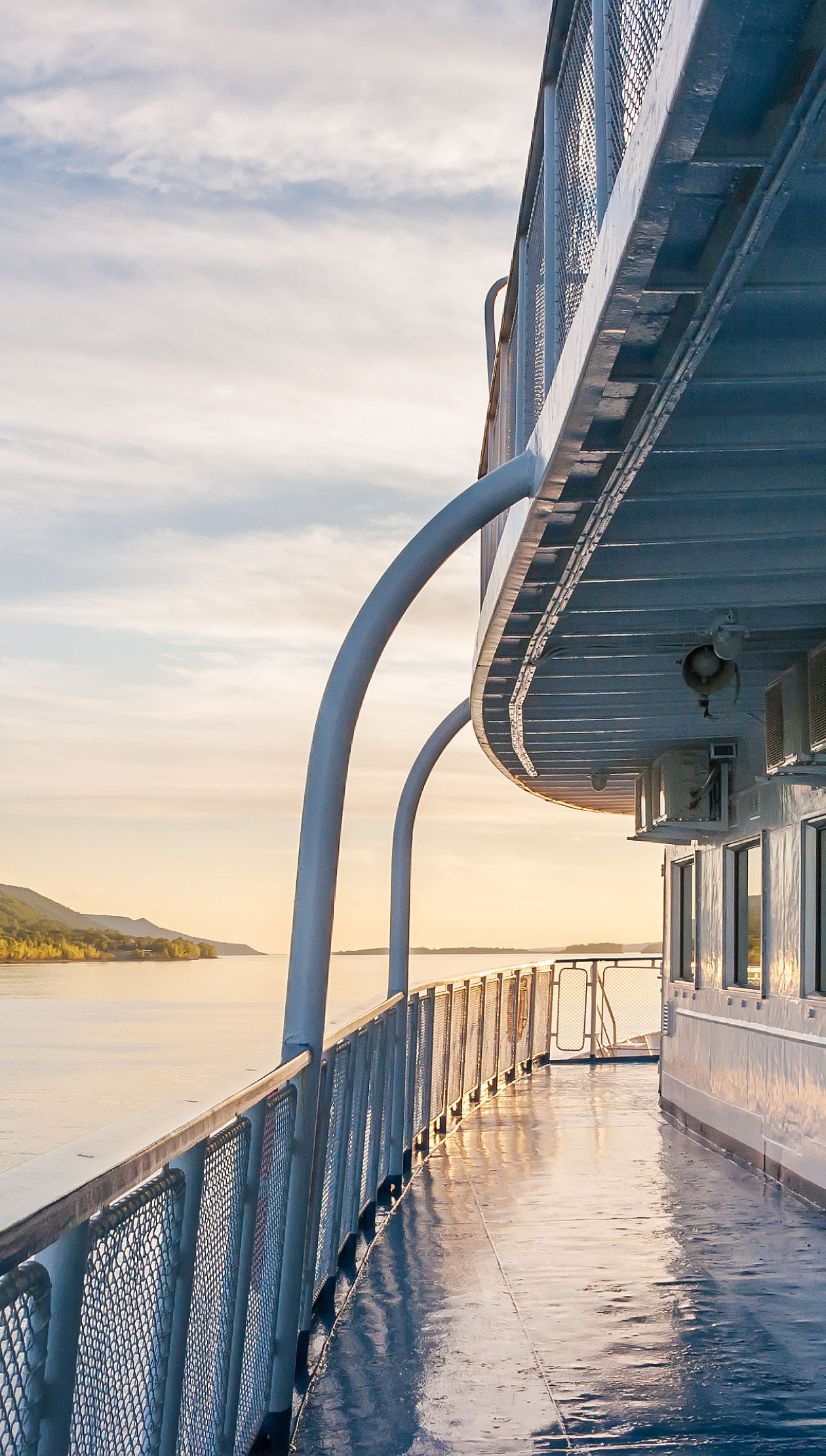
Tisa cruises generally favor smaller river vessels that can navigate less heavily traveled waters and offer a more personal atmosphere. Public areas are designed for watching the landscape, with lounges, panoramic windows, and open deck space. The mood is usually informal and cultured rather than show-driven, encouraging conversation, reading, photography, and quiet observation between ports.
Cuisine and Wine
Menus often reflect the route through soups, freshwater fish, slow-cooked meats, seasonal vegetables, fruit desserts, and paprika-based flavors. Regional wines may be served with dinner, while themed tastings explain the differences between local growing areas. On some ships, chefs adapt traditional dishes into lighter contemporary presentations, giving guests a sense of place without sacrificing comfort.
Excursions and Enrichment
Guided walks, museum visits, market tours, nature outings, cycling, and small-boat explorations are common. Onboard talks may cover the 1879 flood, river regulation, wetland ecology, regional architecture, or the cultural links between Hungary and Serbia. Because many ports are compact, excursions often feel personal and unhurried, with time to meet local producers or explore independently.
Something for Everyone
- Couples are drawn to the calm pace and atmospheric evenings.
- Solo travelers benefit from the sociable scale of smaller ships.
- Families with older children may enjoy wildlife, cycling, and interactive history, especially on active departures.
- Luxury travelers should look for premium cabins, inclusive excursions, refined dining, and private touring options. The route is particularly rewarding for repeat river cruisers seeking a destination beyond the familiar Rhine and Danube circuits.
The Lasting Appeal of Szeged by River
A river cruise through Szeged reveals Central Europe at its most intimate: sunlight on the Tisa, church towers above the embankment, the scent of paprika in a market, and wetlands stretching toward the horizon. It is a journey shaped not by spectacle alone, but by atmosphere, memory, and the quiet pleasure of arriving somewhere slowly.