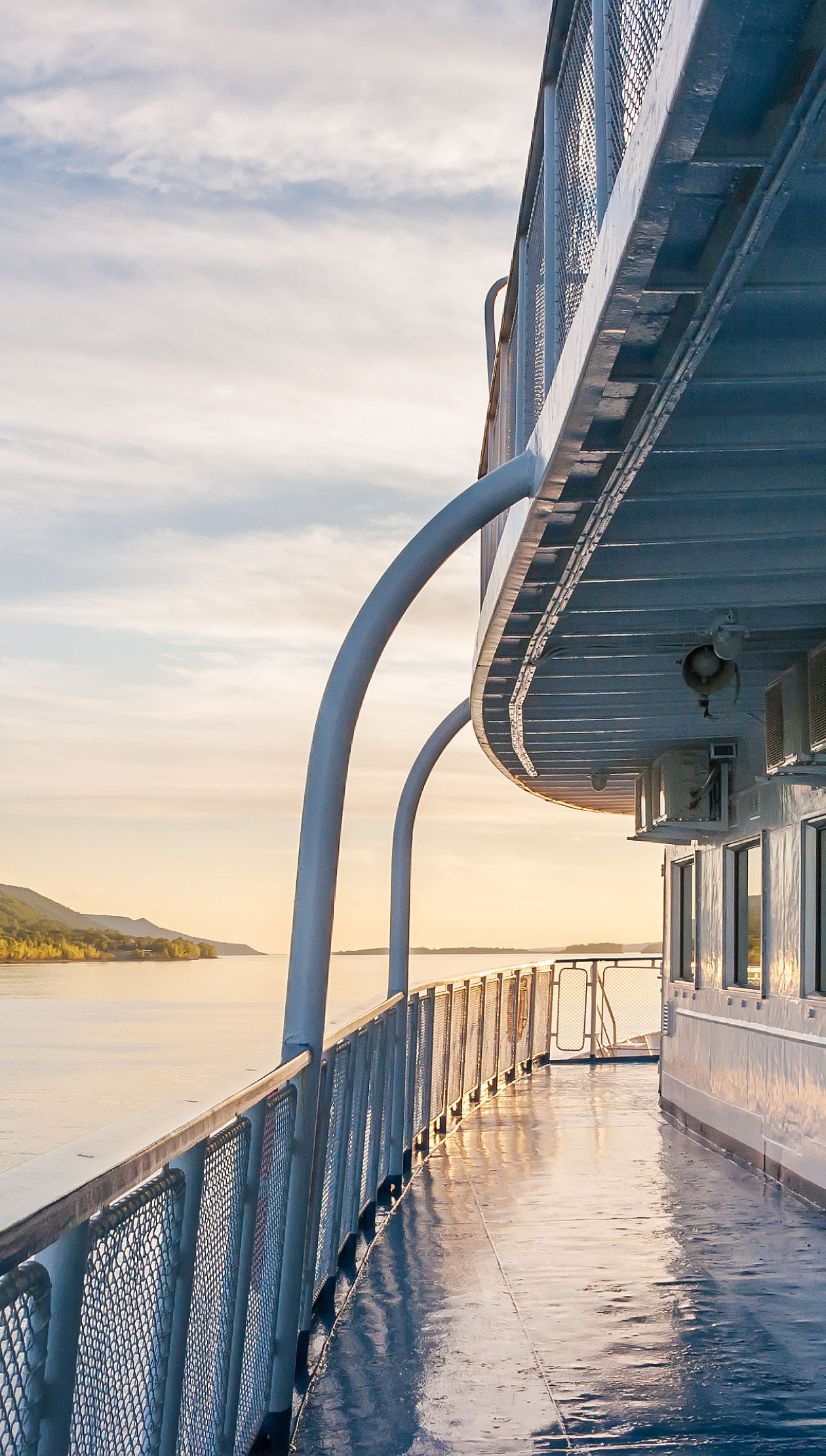
Csongrád occupies an especially beautiful position near the meeting of the Tisa and Koros rivers. Sandy shores appear when water levels permit, while wooded banks and sheltered backwaters create habitats for birds and other wildlife. Beyond the riverfront, the town offers leafy streets, traditional architecture, quiet public squares, and an atmosphere that feels refreshingly removed from the busiest European tourism routes.
For travelers seeking authenticity, river cruises in Csongrád provide an intimate alternative to the grand capitals of the Danube. The destination combines natural scenery with regional cuisine, local history, and access to some of the most characterful settlements along the Tisa. From the cultural landmarks of Szeged to the wine traditions of Tokaj, every stop contributes another layer to a journey through the heart of Hungary and neighboring Serbia.
Cruising the Tisa River from Csongrád
The Tisa is one of Central Europe’s most atmospheric waterways. Unlike rivers lined continuously with monumental cities, it passes through open countryside, floodplain forests, wetlands, agricultural regions, and smaller settlements. This creates a cruise experience defined by space, silence, wildlife, and cultural discovery.
Travelers exploring Tisa river cruises can expect long views across the Hungarian plain, peaceful days on the water, and ports where local traditions remain closely connected to farming, fishing, winemaking, and seasonal river life. Itineraries may travel north toward Lake Tisa and Tokaj or south toward Szeged, Kanjiza, and connections with the Danube.
Csongrád and the Koros Confluence
Csongrád’s defining natural feature is the meeting of the Tisa and Koros rivers. Viewed from the water, the confluence reveals branching channels, wooded banks, sandy stretches, and tranquil recreational areas. When seasonal conditions expose the sandbanks, the waterfront takes on the relaxed character of an inland beach destination. A guided walk may introduce guests to the embankment, local river traditions, and the changing relationship between the town and its waterways. Birdwatching, photography, and small-boat exploration are especially rewarding around the quieter channels.
Csongrád Old Town and Riverside Heritage
Ashore, Csongrád rewards slow exploration. Its older quarter preserves the intimate scale of a traditional riverside settlement, with low houses, shaded lanes, and architectural details that evoke earlier generations of fishermen, craftspeople, and farming families. The riverside provides a pleasant setting for walking or cycling, while local museums and cultural spaces reveal the history of the surrounding plain. Rather than overwhelming visitors with famous monuments, Csongrád offers something more personal: a sense of everyday Hungarian life shaped by the river.
Szolnok and the Meeting of Rivers
North of Csongrád, river cruises in Szolnok offer access to a larger urban center with a strong connection to the Tisa. The city stands where another regional river joins the main waterway, creating broad waterfront views and opportunities for riverside walks. Excursions may include galleries, museums, churches, and public spaces that illustrate Szolnok’s importance as a transport and cultural center. From the ship, bridges, promenades, and tree-lined banks provide a graceful transition between urban Hungary and the open landscapes beyond.
Kiskore and Lake Tisa
Kiskore provides access to the remarkable environment of Lake Tisa, a broad network of open water, reed beds, islands, and narrow channels. It is one of the most nature-focused sections of a Tisa river cruise and an excellent place for small-boat excursions. Guests may search for waterbirds, observe aquatic plants, or navigate passages inaccessible to larger vessels. The surrounding landscape appeals to photographers and travelers interested in conservation, while the stillness of the lake creates a memorable contrast with the flowing river.
Tiszafüred and the Gateway to the Wetlands
River cruises in Tiszafüred offer another gateway to Lake Tisa and its protected natural landscapes. Excursions often emphasize outdoor discovery, with opportunities for cycling, birdwatching, boating, and walks beside the water. The town’s relaxed atmosphere complements the ecological richness of the surrounding region. Guests can spend the morning exploring reed-lined channels before returning to a welcoming riverside community for regional food, local stories, and sunset views across the lake.
Szeged and the Cultural South
South of Csongrád, river cruises in Szeged reveal one of the most culturally engaging cities on the Tisa. Broad avenues, elegant squares, decorative architecture, museums, and a monumental cathedral give Szeged a more urban character. The city is also closely associated with paprika, fish soup, confectionery, and the culinary identity of southern Hungary. A walking tour can combine architecture and history with a market visit or tasting, making Szeged an energetic counterpoint to the quieter rural ports.
Kanjiza and the Serbian Tisa
Crossing into Serbia, river cruises in Kanjiza continue through a region where cultures, languages, and culinary traditions have met for centuries. The town is known for its peaceful riverside setting and wellness heritage, while the surrounding countryside reflects the agricultural character of the northern Serbian plain. Guided visits may include historic buildings, local food producers, rural landscapes, or spa experiences. Kanjiza gives international itineraries an appealing cross-border dimension without disturbing the river’s calm, intimate mood.
Tokaj and the Northern Wine Country
Longer journeys may extend north to Tokaj, where two rivers meet beside one of Hungary’s most celebrated wine regions. Vineyards rise beyond the water, while historic cellars and family-run estates provide opportunities for guided tastings. The combination of wine culture, river scenery, and compact historic streets makes Tokaj a natural highlight for culinary and special-interest cruises. For guests beginning or ending their journey here, the destination creates an elegant connection between the wetlands of the Tisa and the vineyard landscapes of northeastern Hungary.
Tisa River Cruise Itineraries from Csongrad
Short River Cruises of 3 to 5 Days
A short Csongrad river cruise may focus on the southern Tisa, combining Csongrad with Szeged and the surrounding countryside. Guests can explore the Koros confluence, walk through Csongrad’s traditional streets, sample regional food, and enjoy a cultural excursion in Szeged. These sailings suit travelers adding a river experience to a wider holiday in Hungary. Although compact, they provide a satisfying combination of nature, heritage, local cuisine, and relaxed cruising.
Medium River Cruises of 6 to 9 Days
Medium-length itineraries allow the landscape to unfold more gradually. A route might connect Tiszafured, Kiskore, Szolnok, Csongrad, Szeged, and Kanjiza, balancing wetland exploration with historic towns and cross-border culture. Guests may enjoy birdwatching on Lake Tisa, an architectural tour in Szeged, regional tastings, and peaceful afternoons watching the plain pass from the observation lounge. This duration offers enough variety for first-time visitors while preserving the slow rhythm that makes the Tisa distinctive.
Long River Cruises of 10 Days or More
Longer voyages may combine the Tisa with the Danube, linking smaller river communities with major destinations such as Novi Sad, Budapest, or the wine country around Tokaj. These journeys reveal striking contrasts: intimate Tisa channels, expansive floodplains, vineyard regions, medieval settlements, and the monumental riverfronts of Central European capitals. With additional sailing time and more extensive excursions, guests gain a deeper understanding of how rivers have influenced trade, migration, cuisine, and cultural exchange across the region.
Special-Interest River Cruises
- Wine and culinary cruises can feature vineyard visits near Tokaj, paprika-inspired cuisine around Szeged, market tours, regional cheeses, pastries, and guided wine pairings aboard the ship.
- History-focused programs may explore traditional settlements, religious architecture, borderland identities, and the development of river trade.
- Nature itineraries place greater emphasis on Lake Tisa, floodplain forests, birdlife, photography, and small-boat excursions.
- Festive programs may combine the river journey with seasonal markets and cultural events in larger cities through pre-cruise or post-cruise extensions.
- Art and music departures can add gallery visits, regional performances, lectures, and workshops inspired by the colors and landscapes of the Hungarian plain.
The Onboard Experience on a Csongrad River Cruise
Intimate Ships and Relaxed Ambiance
Ships navigating the Tisa generally create a more intimate atmosphere than the largest vessels operating on Europe’s busiest waterways. Comfortable lounges, open decks, panoramic windows, and welcoming dining rooms keep guests connected to the landscape. The mood is usually informal and sociable, with time to read, photograph the scenery, speak with fellow travelers, or simply watch the riverbanks drift past.
Regional Cuisine and Wine
Onboard menus often reflect the places visited during the cruise. Guests may encounter freshwater fish, paprika-seasoned dishes, slow-cooked meats, seasonal vegetables, soups, breads, fruit-based desserts, and wines from Hungarian and Serbian regions. Culinary presentations and guided tastings can provide additional context, turning each meal into an introduction to the agricultural and cultural traditions of the Tisa basin.
Excursions and Enrichment
Daily excursions may include walking tours, museum visits, vineyard tastings, cycling routes, birdwatching, market visits, and small-boat trips through wetlands. Onboard talks help explain regional history, wildlife, river management, cuisine, and local customs. Because many destinations are relatively uncrowded, tours often feel personal and unhurried.
Something for Everyone
- Couples appreciate the romantic scenery and relaxed pace.
- Solo travelers benefit from the sociable scale of smaller ships and organized excursions.
- Families with older children may enjoy wildlife activities and cultural discovery.
- Luxury travelers can seek premium cabins, attentive service, refined dining, and private touring.
- Photographers and nature enthusiasts will find constant inspiration in the river’s changing light, wetlands, and birdlife.
The Enduring Appeal of Csongrad River Cruises
A river cruise through Csongrad is not defined by grand spectacle alone, but by quieter discoveries: morning mist over the Tisa, birds lifting from a hidden channel, the warmth of a regional meal, and the feeling of entering a landscape where water still shapes the rhythm of life. It is a journey through Hungary’s natural and cultural heart, experienced slowly enough to remember.