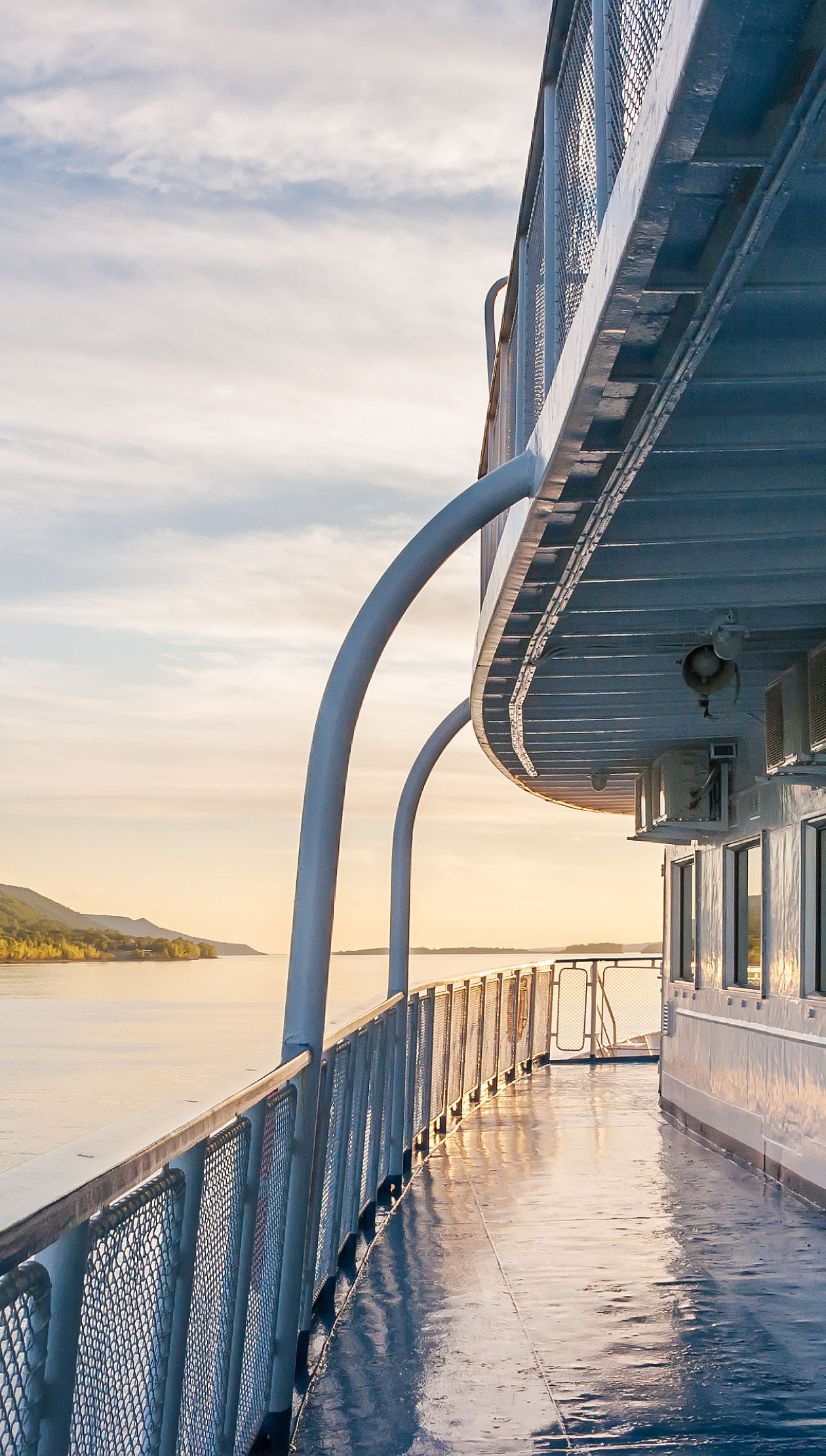
Unlike the heavily traveled Danube and Rhine, the Tisa remains refreshingly uncrowded. Small vessels move between peaceful riverbanks, secluded sandbars, bird reserves, wine-growing landscapes, and cities whose waterfronts are still gathering places for local residents. Guests may wake beside the waterways of Lake Tisa, spend an afternoon exploring the architecture of Szeged, and watch the sunset from the promenade of a small Serbian town where fishing boats rest beneath the trees.
The river also tells the wider story of Central Europe. Medieval trade routes, Ottoman campaigns, agricultural communities, industrial development, and modern cross-border cooperation have all left their mark on its banks. A cruise along the Tisa combines this layered history with the pleasures of slow travel: locally produced wine, paprika-rich cooking, guided nature excursions, cycling beside the river, and long evenings beneath an immense plainland sky.
Discovering the Tisa River
At approximately 966 kilometers long, the Tisa is the longest tributary of the Danube. Its wider basin extends across Ukraine, Romania, Slovakia, Hungary, and Serbia, although the main cruise-friendly sections are concentrated in Hungary and northern Serbia. The river eventually joins the Danube in the Serbian province of Vojvodina, linking peaceful Tisa itineraries with the larger network of European river cruises.
The character of the river changes dramatically along its course. Its upper reaches are influenced by the Carpathian Mountains, while central sections cross the vast Great Hungarian Plain. Farther south, the river passes through the agricultural landscapes and culturally diverse towns of Vojvodina. These gradual transitions make a Tisa River cruise an exceptionally varied journey, despite the gentle and unhurried nature of the waterway.
Countries and Landscapes Along the Tisa
Ukraine and the Mountain Headwaters
The Tisa begins in western Ukraine, where forested mountain valleys, clear streams, and steep slopes create a dramatic contrast with the lowland scenery found farther downstream. This upper region is better suited to land-based exploration, rafting, and outdoor adventure than conventional overnight cruising. Nevertheless, it provides the natural starting point for understanding the river and its journey toward the plains of Central Europe.
Romania and the Northern Borderlands
The river follows part of the border between Ukraine and Romania, passing a region shaped by mountains, wooden villages, orchards, and long-established rural traditions. Although large river cruise vessels do not normally operate here, the Romanian section adds cultural and geographical depth to extended Tisa itineraries. Pre-cruise programs may include mountain scenery, local heritage sites, and excursions into the wider river basin.
Slovakia and the Wider Tisa Basin
Slovakia contributes to the Tisa system through its eastern landscapes and tributaries, while a short section of the river follows the Hungarian-Slovak border. This is another region where land touring is generally more practical than overnight cruising. Guests on longer Central European itineraries may combine the Tisa with visits to rural eastern Slovakia, historic towns, and landscapes that demonstrate the international character of the river basin.
Hungary and the Great Plain
Hungary contains the most extensive and varied section of the Tisa. Here, the river passes vineyards, historic towns, agricultural plains, protected wetlands, and Lake Tisa, one of the country's most important recreational and ecological areas. Cruise experiences range from small-ship journeys and private boat tours to hotel barges, houseboats, and day cruises. Hungary is also home to many of the river's leading cultural attractions, including Tokaj, Szolnok, Tiszafüred, and Szeged.
Serbia and the Vojvodina Waterways
After crossing the border south of Szeged, the Tisa flows through northern Serbia and the fertile province of Vojvodina. The river separates the traditional regions of Backa and Banat before reaching the Danube. Towns such as Kanjiza, Senta, Becej, Novi Becej, and Titel offer promenades, cultural sites, fishing traditions, and easy access to surrounding nature reserves. This lower section is ideal for slow cruising and for itineraries that continue onto the Danube.
Essential Destinations on a Tisa River Cruise
Tiszafüred and Lake Tisa
River Cruises in Tiszafüred introduce travelers to a mosaic of channels, islands, reed beds, lagoons, and open water. The town is one of the principal gateways to Lake Tisa, where guided boats can enter quiet waterways that are inaccessible to larger vessels. Birdwatching is a major attraction, with opportunities to observe herons, egrets, cormorants, and birds of prey. Cycling routes, waterfront restaurants, and nature centers make Tiszafured particularly appealing to active travelers and families.
Tokaj and the Historic Wine Landscape
River Cruises in Tokaj combine river scenery with one of Europe's most celebrated wine regions. Tokaj lies near the confluence of the Tisa and Bodrog rivers, surrounded by volcanic hills, vineyards, traditional cellars, and small wine-producing communities. Shore excursions may include guided tastings, walks through vineyard landscapes, and visits to historic wine cellars carved into the hills. The combination of river cruising, regional history, and elegant sweet and dry wines makes Tokaj an essential stop for culinary travelers.
Szolnok and the Central Tisa
River Cruises in Szolnok reach a lively cultural center positioned directly beside the river. Its bridges, parks, museums, and waterfront public spaces provide an attractive urban contrast to the surrounding plain. Szolnok is closely associated with the Tisa mayfly, whose brief early-summer emergence can transform the river into a shimmering natural spectacle. Cultural excursions may include regional art collections, local history museums, and performances in the city's theaters and concert venues.
Csongrad and the River Beaches
River Cruises in Csongrad offer access to one of the river's most relaxed landscapes. The town lies near the meeting point of the Tisa and Koros waterways, where sandy riverbanks, forests, and calm water create a popular setting for swimming, paddling, and fishing. Traditional streets and modest historic buildings preserve the atmosphere of a small Hungarian town, while nearby vineyards and farms add opportunities for food and wine excursions.
Szeged and the City of Sunshine
River Cruises in Szeged bring guests to the largest and most architecturally impressive city on the Tisa. Rebuilt after a devastating nineteenth-century flood, Szeged is known for broad avenues, decorative facades, elegant squares, and a monumental cathedral. The riverfront remains central to city life, with promenades, parks, floating restaurants, and seasonal leisure areas. Culinary tours frequently feature paprika, river fish, pastries, and locally produced wines, while evening excursions may include concerts or open-air performances.
Kanjiza and Northern Serbia
River Cruises in Kanjiza enter Serbia through a town known for its riverside setting and thermal-water traditions. Kanjiza offers a gentle introduction to Vojvodina, with tree-lined streets, spa facilities, agricultural surroundings, and a relaxed waterfront. Excursions may combine local history with wellness experiences, cycling, or visits to nearby farms. The town's position close to the Hungarian border also reflects the multilingual and multicultural heritage of the lower Tisa region.
Senta and the Layers of European History
River Cruises in Senta combine a pleasant riverside promenade with a significant military and cultural history. The town is associated with the Battle of Senta in 1697, an event that altered the balance of power in Central Europe. Guided visits may include the town hall, local museums, religious buildings, and viewpoints over the river. In early summer, Senta also celebrates the Tisa mayfly bloom with cultural events, artisan displays, and riverside gatherings.
Ada and Rural Vojvodina
River Cruises in Ada reveal the agricultural character of the Vojvodina plain. The town stands on the western bank of the Tisa and is surrounded by farmland, small communities, and quiet roads ideal for cycling. Guests can experience local markets, family-run food producers, and an unhurried style of life that remains closely connected to the seasons. Ada is especially rewarding for travelers interested in rural culture rather than major monuments.
Titel and the Danube Confluence
River Cruises in Titel reach the southern end of the Tisa journey. The town occupies a strategic position near the river's meeting point with the Danube and is overlooked by elevated ground that offers broad views across the surrounding plain. Titel is a natural transition point between intimate Tisa cruising and larger Danube itineraries continuing toward Novi Sad, Belgrade, or the Iron Gates.
The Distinctive Character of Tisa River Cruising
The defining quality of a Tisa River cruise is its peaceful scale. Instead of a continuous succession of major capitals and monumental palaces, the route presents wetlands, working towns, farms, vineyards, nature reserves, and community waterfronts. The experience feels personal and observational, rewarding guests who enjoy watching landscapes change gradually from the deck.
- Wildlife and wetlands: Reed beds, former river channels, floodplain forests, and shallow lakes support abundant birdlife and aquatic species.
- Regional culture: Hungarian and Serbian traditions meet along the river, accompanied by influences from the many communities that have lived in the basin.
- Local cuisine: Menus may feature paprika fish soup, grilled river fish, slow-cooked meats, seasonal vegetables, orchard fruits, and handmade pastries.
- Wine landscapes: Tokaj provides the strongest wine focus, while other areas offer light plainland wines and small local producers.
- Active exploration: Cycling, canoeing, kayaking, nature walks, and small-boat excursions complement time spent aboard.
Tisa River Cruise Itineraries
Short Tisa Cruises of 3 to 5 Days
A short Tisa itinerary offers a concentrated introduction to the river's scenery and culture. In Hungary, guests may spend several days exploring Lake Tisa from Tiszafüred, combining wildlife cruises with cycling, paddling, and visits to nature centers. Another option pairs Szolnok with Csongrad or Szeged, creating a balance of riverside landscapes and urban culture.
In Serbia, a compact route may connect Kanjiza, Senta, and Ada. Days are relaxed, with guided town walks, regional meals, and time to observe life along the river. These cruises suit travelers adding the Tisa to a longer Central European holiday or seeking a peaceful alternative to a city break.
Medium Tisa Cruises of 6 to 9 Days
A medium-length cruise provides enough time to appreciate the changing character of the river. A northern route may begin near Tokaj with wine tastings and vineyard excursions before continuing toward Lake Tisa, Szolnok, Csongrad, and Szeged. Guests experience wine country, protected waterways, historic towns, and one of Hungary's most attractive regional cities within a single itinerary.
Cross-border programs may continue from Szeged into Serbia, visiting Kanjiza, Senta, Ada, and Becej. Daily sailing distances remain manageable, allowing more time for cycling, market visits, museums, and meals prepared from local produce.
Long Tisa Cruises of 10 Days or More
Longer itineraries reveal the Tisa as part of the wider Danube river system. A comprehensive voyage may combine Tokaj, Lake Tisa, Szolnok, Szeged, and the Serbian towns of Vojvodina before reaching Titel and the Danube. From there, the journey can continue toward Novi Sad, Belgrade, and other major Danube destinations.
Some extended programs incorporate hotel stays or overland excursions in areas where navigation is limited. This flexible format allows travelers to experience the mountain-influenced upper basin as well as the navigable plains. The result is a deeper journey through the geography, history, food, and cultural diversity of Central Europe.
Special-Interest Tisa River Cruises
- Wine cruises focus on Tokaj, vineyard walks, cellar visits, guided tastings, and carefully paired onboard dinners.
- Wildlife cruises concentrate on Lake Tisa, floodplain forests, bird reserves, and quiet side channels explored by small boat. Photography departures may schedule early-morning and sunset excursions when the water is calm, and the light is soft.
- History and architecture cruises can include Szeged, Szolnok, Senta, Becej, and Novi Becej, with lectures explaining floods, trade routes, regional conflicts, and the development of river communities.
- Culinary cruises introduce guests to fish dishes, paprika, market produce, regional wines, orchard fruits, and traditional baking.
Seasonal programs may coincide with the Tisa mayfly bloom, harvest activities, summer festivals, or winter celebrations in larger cities. Navigation and wildlife events always depend on weather and river conditions, giving each departure its own character.
The Onboard Experience
Ship Sizes and Ambiance
Tisa cruises are generally operated by small river vessels, river yachts, houseboats, hotel barges, or excursion boats. Their modest dimensions allow them to approach quieter communities and enter waterways that are unavailable to large European river ships. The atmosphere is typically informal and sociable, with fewer passengers and more direct interaction with guides and crew members.
Lower-river itineraries may also form part of a larger Danube voyage. Vessel style, cabin standards, and onboard facilities vary considerably, so travelers should review individual ship details when selecting a cruise.
Cuisine and Wine
Food is an important part of the journey. Onboard menus often reflect the agricultural abundance of the Great Plain, using peppers, onions, tomatoes, freshwater fish, poultry, pork, seasonal fruit, and regional herbs. Paprika fish soup is strongly associated with Szeged and the southern Tisa, while grilled fish and slow-cooked dishes are common throughout the river region.
Wine programs may feature bottles from Tokaj as well as lighter wines produced on the plains between the Tisa and Danube. Tastings are often accompanied by commentary about the landscape, grape varieties, cellar traditions, and local food pairings.
Excursions and Enrichment
Shore excursions tend to be immersive and small-scale. Guests may join a birdwatching cruise, cycle along a river embankment, visit an art collection, tour a wine cellar, explore a local market, or walk through a quiet riverside town. Enrichment talks can cover river ecology, the history of flood control, regional architecture, traditional agriculture, and the cultural diversity of the Tisa basin.
Because many destinations remain outside the busiest European tourism routes, excursions frequently feel personal. Encounters with local guides, craftspeople, winemakers, and food producers become central parts of the experience.
Something for Everyone
- Couples are drawn to the river's tranquil atmosphere, sunset views, and wine-focused excursions.
- Solo travelers benefit from the sociable environment aboard smaller vessels and the shared nature of guided activities.
- Families can enjoy cycling, paddling, wildlife observation, and interactive nature centers around Lake Tisa.
- Travelers seeking luxury river cruising should look for premium small ships, private transfers, specialist guides, and tailored food and wine experiences.
- Nature enthusiasts, photographers, returning visitors to Europe, and travelers who prefer lesser-known destinations will find the Tisa particularly rewarding.
A River Journey Beyond the Familiar
A Tisa River cruise is not defined by grand capitals or crowded landmarks. Its beauty lies in the rustle of reeds beside the ship, the outline of a church tower above a riverside town, the flavor of a meal prepared from the surrounding plain, and the warm evening light spreading across the water. Following the Tisa means traveling slowly enough to see Central Europe not as a collection of famous sights, but as a living landscape shaped by nature, memory, and the enduring rhythm of the river.