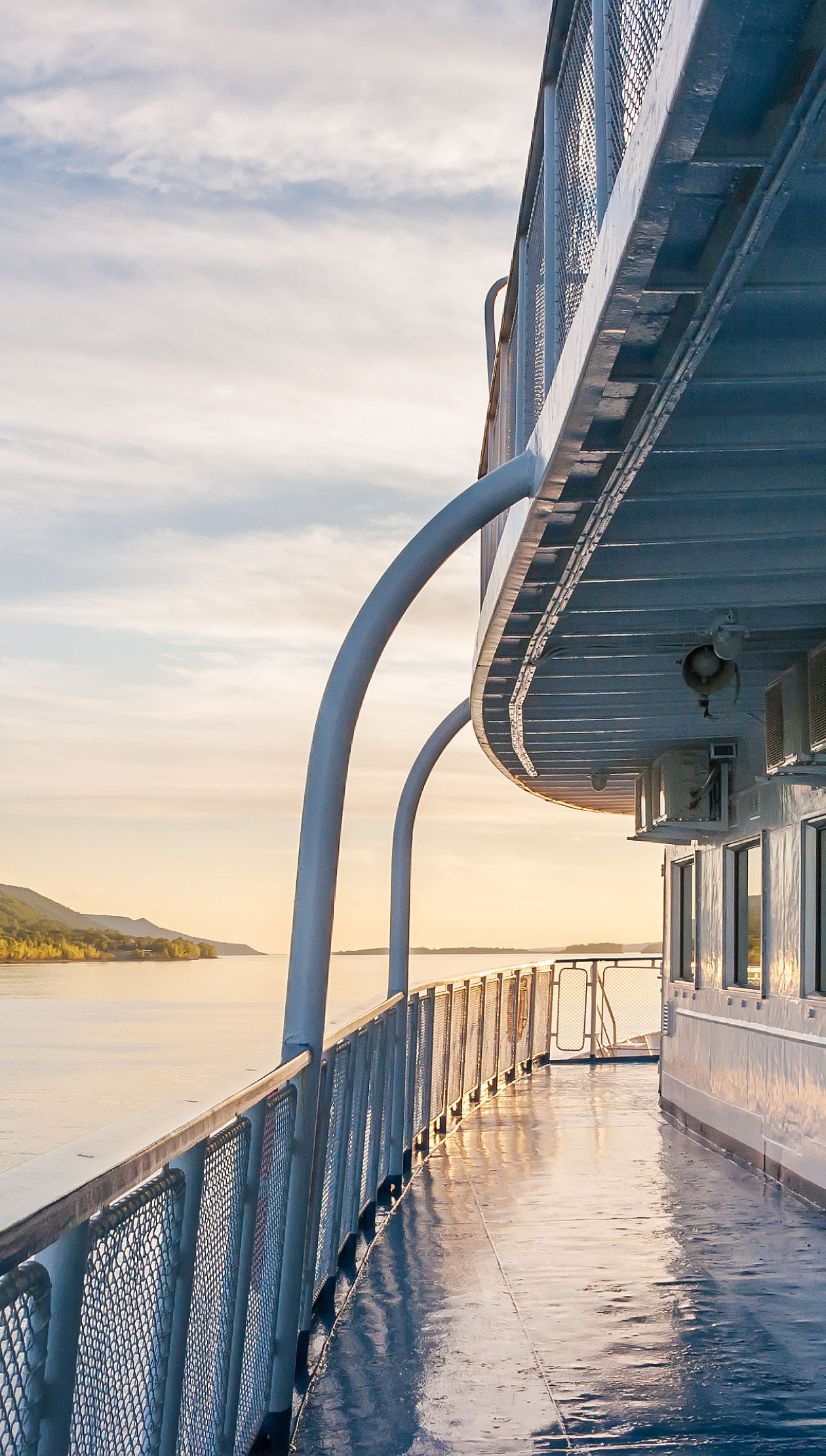
Arriving in Zupanja by river reveals a side of Europe still connected to the rhythm of the seasons. The Sava passes meadows, wetlands, cultivated fields, and stands of old oak. Small fishing boats, waterside paths, and distant church towers create an unhurried sense of place. Its beauty lies in space, light, silence, and the subtle movement of wildlife along the banks.
The town's story is closely tied to the river. Timber, agricultural goods, crafts, and people once traveled along the Sava, helping Zupanja grow as a center of commerce in the eastern Croatian plains. Local collections reveal how borderland communities adapted to changing empires and economies. Zupanja is also associated with the early history of football and tennis in Croatia, adding an unexpected chapter in the town's sporting history to a town known for folklore, farming, and river life.
For modern guests, a Zupanja river cruise combines nature with cultural immersion. Days may include museum visits, cycling beside the Sava, birdwatching in nearby wetlands, tastings of smoked meats and regional wines, or excursions to neighboring towns. Explore more possibilities through river cruises in Croatia and specialist Sava River cruises.
The Sava River Around Zupanja
The Sava is one of southeastern Europe's great connecting waterways, linking western mountain landscapes with the Danube at Belgrade. Around Zupanja, it becomes a border river, wildlife corridor, and cultural route between Croatia and Bosnia and Herzegovina. Cruises here are more specialized than classic Rhine or Danube sailings. Programs may combine boutique navigation, coach excursions, private charters, and longer Sava-Danube journeys, rewarding travelers who value authenticity over a heavily developed port network.
Zupanja Riverside and Town Center
Zupanja is the emotional center of the journey. A guided walk can connect the riverbank with churches, civic buildings, and monuments linked to Croatia's sporting heritage. The Homeland Museum introduces archaeology, ethnography, natural history, and daily life along the Sava. Guests can also learn how English industrial workers helped introduce ball games to the area in the late nineteenth century. The appeal is intimate and human: small streets, local cafes, and stories showing how river, land, and family traditions remain connected.
Orasje and the Cross-Border Sava
Across the river lies Orasje, offering a vivid sense of the Sava as both boundary and bridge. Depending on border procedures, an excursion may explore the shared landscapes and culinary traditions of the two banks. Local guides explain the complex history of this frontier and the connections that survived changing borders. The experience adds depth to a Zupanja river cruise, showing that the Sava is not merely a line on a map, but a route through which commerce, customs, music, and family ties have flowed.
Slavonski Brod and Its Riverside Fortress
Upstream, Slavonski Brod river cruises introduce one of the Sava's most important Croatian towns. Its monumental fortress recalls the military frontier, while the promenade opens broad river views. The central square and cultural institutions give the town more urban energy than Zupanja, making the two natural companions. Excursions may combine architecture, local history, galleries, and lunch featuring freshwater fish, paprika-rich stews, seasonal vegetables, and pastries.
Sisak and the Meeting of Rivers
Sisak stands where the Kupa meets the Sava, creating a landscape shaped by waterways, industry, and strategic history. Its fortress and archaeological heritage recall centuries of conflict and trade. On a medium-length itinerary, Sisak can serve as a transition between the capital region and the quieter wetlands farther east. It is especially rewarding for travelers interested in military history, Roman-era stories, industrial heritage, and the changing relationship between towns and rivers.
Lonjsko Polje Wetlands
Lonjsko Polje is among the finest nature-focused stops on a Croatian Sava itinerary. This floodplain supports birds, grazing animals, traditional wooden villages, and seasonal wetlands. Excursions can include guided walks, photography, cycling, and birdwatching. The region shows how communities adapted their homes, farming, and transport to regular flooding, making it a highlight for eco-conscious travelers and families seeking meaningful outdoor experiences.
Jasenovac and the Landscape of Memory
Jasenovac is a place for thoughtful historical reflection. Visits should be guided with sensitivity, allowing travelers to understand the area's difficult twentieth-century history and the importance of remembrance. The peaceful river and wetlands create a powerful contrast with the events commemorated here. Responsible cruise programs allow adequate time, expert interpretation, and a respectful atmosphere.
Zagreb and the Upper Sava
Zagreb river cruises provide an elegant beginning or conclusion to a Sava journey. The river flows through the modern city, while the historic center rises to the north with churches, markets, museums, and cafe-lined streets. Travelers can explore medieval districts and grand avenues before heading east into the plains. The contrast between the capital's cultural energy and Zupanja's quiet riverfront gives a longer itinerary satisfying variety.
Belgrade and the Sava-Danube Confluence
Downstream, the Sava reaches the Danube at Belgrade, creating one of Europe's great urban confluences. Longer cruises may connect Zupanja with the Serbian capital, where fortress walls overlook the meeting waters and neighborhoods reflect Roman, Ottoman, Austro-Hungarian, and modern influences. Restaurants, galleries, nightlife, and layered history provide a lively finale after the rural landscapes of eastern Croatia.
Varazdin as an Inland Cultural Extension
Although Varazdin lies away from the Sava on the Drava River, it works well as a pre-cruise or post-cruise extension from Zagreb. Its baroque center, palaces, churches, and refined streets introduce another dimension of inland Croatia. Guests can combine Varaždin river cruises with a Sava itinerary without presenting the city as a direct Sava port.
River Cruise Itineraries Featuring Zupanja
Short Sava Escapes: 3 to 5 Days
A short itinerary focuses on eastern Croatia and the immediate Sava borderlands. Guests might explore Zupanja, continue to Slavonski Brod, and visit wetlands, farms, or heritage villages by coach. Highlights can include a private museum tour, riverside cycling, regional wine, and a dinner centered on freshwater fish or slow-cooked meat. These cruises suit travelers who want to add an inland experience to a longer holiday in Croatia.
Medium Cultural Journeys: 6 to 9 Days
A medium itinerary can link Zagreb, Sisak, Lonjsko Polje, Jasenovac, Slavonski Brod, and Zupanja through river navigation and land excursions. The journey shifts from capital-city museums and markets to wetlands, frontier fortresses, and agricultural plains. Evening lectures, cooking demonstrations, and local performances deepen the experience, while unhurried sailing creates time to watch villages and forest edges pass from the deck.
Long Sava and Danube Voyages: 10 Days or More
Longer programs place Zupanja within a multinational journey through Croatia, Bosnia and Herzegovina, Serbia, and sometimes Hungary. A route may begin near Zagreb, travel through the eastern Sava region, reach Belgrade, and continue along the Danube toward Novi Sad, Vukovar, or Budapest. These cruises offer striking contrasts between rural floodplains and major capitals, intimate museums and monumental fortresses, and farm cooking and sophisticated city dining.
Special-Interest River Cruises
- Culinary cruises: Market visits, wine tastings, freshwater fish, smoked meats, paprika-based dishes, handmade pastries, and demonstrations by local cooks.
- Art and history cruises: Museums, military frontier sites, archaeological collections, memorial landscapes, traditional crafts, and expert lectures.
- Nature and photography cruises: Wetlands, oak forests, birdwatching, sunrise deck sessions, cycling, and guided floodplain walks.
- Winter and Christmas market journeys: Festive time in Zagreb paired with seasonal meals, craft workshops, and quieter excursions in eastern Croatia.
- Sports heritage tours: Zupanja's football and tennis story, stadium traditions, and visits connecting sport with industrial and social history.
The Onboard Experience
Ship Sizes and Ambiance
Sava sailings are best suited to smaller river vessels, often carrying fewer than 100 guests. Their scale creates a relaxed atmosphere, easy conversation, and personal service. Public spaces generally include a lounge, restaurant, panoramic windows, and an open deck for watching the lowland scenery. The destination takes priority over elaborate onboard entertainment.
Cuisine and Wine
Menus can reflect the route through Croatia and neighboring countries. Expect seasonal soups, river fish, roasted meats, vegetable stews, fresh breads, fruit preserves, and regional desserts, accompanied by Croatian wines. The most memorable meals connect with excursions, allowing guests to taste an ingredient at a farm or market before enjoying it onboard.
Excursions and Enrichment
Guided walks, museum visits, cycling, birdwatching, culinary tastings, and historical talks form the core of the experience. Local experts can explain subjects ranging from floodplain ecology to frontier architecture and sporting heritage. Because the Sava is a less-standardized cruising region, flexible programs and small groups are especially valuable.
Something for Everyone
Couples will appreciate the peaceful scenery, while solo travelers benefit from the sociable scale of a boutique vessel. Families with older children can enjoy cycling, wildlife, and cultural visits. Luxury travelers should seek private guides, premium cabins, chef-led dining, and custom excursions. Above all, Zupanja rewards curious guests who prefer meaningful local encounters to famous landmarks alone.
Journey into Croatia's Quiet Heart
A river cruise through Zupanja is an invitation to slow down and listen: to water moving past oak forests, to stories preserved in museums and family kitchens, and to the layered history of a borderland shaped by trade, memory, and resilience. On the Sava, eastern Croatia reveals its beauty gradually, leaving travelers with something rarer than a checklist of sights: a genuine feeling of connection.