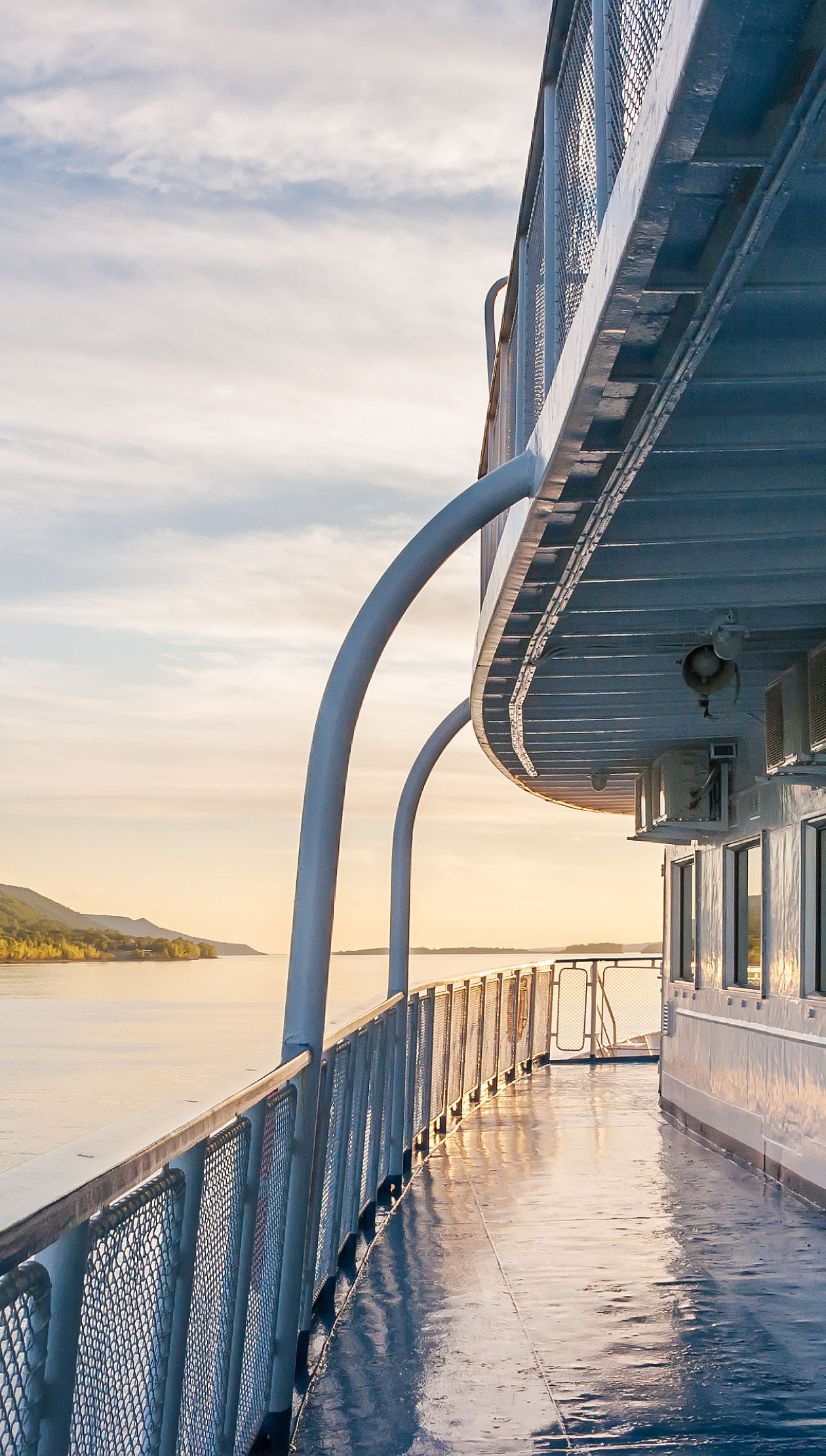
Days in Zagreb can begin among the stone lanes of the Upper Town, where church towers, palace facades, and hidden courtyards reveal centuries of Central European history. By afternoon, travelers may be walking beside the Sava, cycling around riverside lakes, or traveling east toward protected wetlands filled with birds. This contrast between cultured city life and expansive natural scenery makes Zagreb an especially rewarding gateway for travelers seeking more than a conventional European cruise.
Zagreb is best understood as a cultural gateway to the Sava rather than a conventional large-ship river port. Cruise programs may combine small-vessel navigation, private charters, coach transfers, hotel stays, and guided excursions. This flexible format allows guests to experience both the Croatian capital and the rural landscapes extending eastward along the river.
The Sava creates a natural route through several layers of Croatian identity. In Zagreb, the emphasis is on museums, architecture, markets, and contemporary culture. Around Sisak and Lonjsko Polje, the river enters a world of wetlands, wooden houses, grazing animals, and migratory birds. Farther east, fortified towns and agricultural communities reflect the history of the former military frontier.
Farther downstream, the Sava passes historic Sisak, the wooden villages of the Lonjsko Polje wetlands, the frontier heritage of Slavonski Brod, and the traditional landscapes surrounding Zupanja. Rather than presenting Croatia only through its Adriatic coastline, a Sava River cruise from Zagreb offers a more intimate view of a country of rivers, farms, fortresses, regional cuisine, and deeply rooted customs.
Cruising the Sava River from Zagreb
The Sava flows through broad plains, historic settlements, and important wetland habitats before eventually meeting the Danube. Its scenery is generally gentle rather than dramatic: low riverbanks, willow trees, flooded forests, meadows, and distant church towers. This peaceful environment suits travelers who value slow travel, local encounters, wildlife, history, and regional food.
Zagreb Upper Town
The cultural heart of any Zagreb cruise extension is the Upper Town, an atmospheric district of cobbled lanes, historic government buildings, galleries, and church squares. Guests can walk past the brightly patterned roof of St. Mark's Church, explore the Stone Gate, and enjoy panoramic views over the Lower Town. Guided visits often continue toward Zagreb Cathedral, the city market, and the elegant parks that connect many of the capital's nineteenth-century landmarks.
Dolac Market and Central Zagreb
Located near the cathedral and central square, Dolac Market provides one of the city's most vivid introductions to Croatian food culture. Stalls overflow with seasonal fruit, vegetables, cheese, bread, honey, flowers, and regional products. Culinary excursions may combine a market visit with tastings, a cooking demonstration, or lunch in a traditional restaurant. For river-cruise guests, the market offers a direct connection between the agricultural landscapes of the Sava basin and the dishes served in the capital.
Jarun Lake and the Zagreb Riverside
Jarun Lake, created from a former branch of the Sava, is one of Zagreb's principal outdoor recreation areas. Walking paths, cycling routes, rowing facilities, beaches, and shaded cafes create a relaxed contrast with the historic center. Some itineraries include a bicycle ride through southern Zagreb or a guided excursion exploring how the modern city expanded across the Sava valley. Nearby riverside areas reveal a greener, more contemporary side of the Croatian capital.
Sisak and the Meeting of Three Rivers
Sisak stands where the Sava, Kupa, and Odra rivers shape the surrounding landscape. The city has long held strategic importance because of its waterways, trade routes, and defensive position. Excursions may include the old fortress, archaeological remains, riverfront walks, and stories connected to battles that influenced Central Europe's history. Sisak also provides a natural transition from Zagreb's urban sophistication to the quieter wetlands downstream.
Lonjsko Polje Nature Park
Lonjsko Polje Nature Park is one of the defining natural experiences of the middle Sava. Seasonal flooding supports wetlands, pastures, forests, and nesting grounds for numerous bird species. Guests may explore by small boat, bicycle, or guided nature walk while learning how local communities have adapted to the river's changing water levels. Traditional livestock, broad meadows, and wooden farmsteads create a landscape that feels far removed from Croatia's busy coastal resorts.
Krapje and the Wooden Villages of the Sava
The village of Krapje is known for its historic wooden architecture and close relationship with the surrounding floodplain. Houses, barns, and decorative details reflect traditional building techniques developed for life beside the river. A village visit may include conversations with residents, demonstrations of local crafts, regional food, and walks along quiet lanes. These intimate encounters are often among the most memorable moments of a small-scale Sava itinerary.
Jasenovac and the Lower Wetlands
Jasenovac lies along the Sava near extensive wetlands and important historical sites. Visits should be approached with sensitivity, particularly when itineraries include the Second World War memorial area. The surrounding countryside offers opportunities for birdwatching, photography, and reflection. Together, the natural and historical elements create a powerful stop that encourages travelers to engage thoughtfully with Croatia's twentieth-century past.
Slavonski Brod and the Riverside Fortress
Slavonski Brod is one of the most significant towns on the Croatian Sava. Its monumental fortress recalls the era when this region formed part of a heavily defended frontier. Today, the riverfront, squares, cultural venues, and nearby vineyards provide a more peaceful welcome. Excursions may combine a fortress tour with wine tasting, local cuisine, or visits to traditional communities in the surrounding Slavonia region.
Zupanja and the Traditions of Eastern Croatia
Set directly beside the Sava, Zupanja preserves the customs of eastern Croatia through folk music, embroidery, horse culture, regional festivals, and agricultural traditions. Guests may visit a local museum, walk along the riverbank, or meet craftspeople who continue skills passed through generations. Meals often highlight freshwater fish, slow-cooked meat, paprika, pastries, and produce from the fertile plains.
Brcko and the International Sava Corridor
Longer journeys may continue beyond Croatia toward Brcko, an important river settlement in Bosnia and Herzegovina. Its multicultural heritage illustrates how the Sava has connected communities rather than simply divided territories. Depending on navigation conditions and itinerary design, guests may explore local markets, riverside neighborhoods, religious landmarks, and regional restaurants before continuing toward the river's lower reaches.
Culture, Cuisine, and Scenery Along the Sava
The Sava offers a distinctive cruising experience shaped by quiet landscapes and regional character. Unlike rivers lined continuously with monumental castles, the Sava reveals its attractions gradually. A church tower appears beyond a cornfield, a fishing boat moves beneath overhanging trees, or a wooden village emerges beside a flooded meadow.
Food is central to the journey. Zagreb contributes refined restaurants, lively markets, and a blend of Central European and Mediterranean influences. Farther east, menus become more rustic, featuring freshwater fish, soups, roasted meats, peppers, seasonal vegetables, pastries, and local wines. Tastings may introduce guests to wines from the hills surrounding Zagreb, the vineyards of Moslavina, or the estates of Slavonia.
Zagreb River Cruise Itineraries
Short River Cruises of 3 to 5 Days
A short itinerary typically combines two or three nights in Zagreb with excursions to the Sava, Sisak, or Lonjsko Polje. Guests might explore the Upper Town, shop at Dolac Market, enjoy a guided food tour, and spend a day discovering wetlands and wooden villages. These journeys suit travelers adding inland Croatia to a longer European holiday or an Adriatic cruise.
Medium River Cruises of 6 to 9 Days
Medium-length programs allow the story of the Sava to unfold more fully. A sample route may include Zagreb, Sisak, Lonjsko Polje, Krapje, Jasenovac, and Slavonski Brod. Guests can expect a mix of guided city walks, nature excursions, small-boat excursions, wine tastings, local meals, and historical interpretation. The slower pace creates time for meaningful encounters rather than hurried sightseeing.
Long River Cruises of 10 Days or More
Long itineraries may follow the Sava east through Zupanja and into neighboring countries before reaching Belgrade, where the river meets the Danube. These journeys combine Croatian culture with the broader history of southeastern Europe. Depending on the route, travelers may visit fortresses, wetlands, rural communities, national capitals, and important religious or archaeological sites.
Special-Interest River Cruises
- Wine cruises: Combine vineyard visits near Zagreb, Moslavina, and Slavonia with cellar tours, regional meals, and guided tastings.
- Art and history cruises: Explore Zagreb's museums, Sisak's archaeology, Slavonski Brod's fortress, and the complex history of the Sava frontier.
- Christmas market journeys: Experience Zagreb's seasonal lights, decorated squares, winter food stalls, concerts, and festive excursions.
- Culinary cruises: Visit markets, meet food producers, taste freshwater fish and regional pastries, and attend onboard cooking demonstrations.
- Nature and photography cruises: Focus on the wetlands, birds, forests, traditional villages, and changing light of Lonjsko Polje.
The Onboard Experience
Ship Sizes and Ambiance
Sava itineraries are particularly suited to smaller vessels, boutique ships, and private charters. Their intimate size fosters a relaxed atmosphere and helps guests become familiar with the crew, guides, and fellow travelers. Some programs combine navigation with carefully selected hotels when river conditions or port facilities make land-based accommodation more practical.
Cuisine and Wine
Onboard menus often reflect the route through seasonal ingredients and regional recipes. Expect fresh bread, river fish, roasted vegetables, meat dishes, soups, fruit desserts, and Croatian wines. Meals may be accompanied by explanations of local ingredients or stories about the communities visited during the day.
Excursions and Enrichment
Excursions can include walking tours, cycling, birdwatching, fortress visits, museum tours, market tastings, village encounters, and vineyard experiences. Enrichment programs may feature historians, naturalists, chefs, musicians, or regional experts who provide deeper context for the landscapes and cultures of the Sava.
Something for Everyone
- Couples are drawn to the intimate ships, wine experiences, and atmospheric city walks.
- Solo travelers benefit from the social nature of guided excursions and shared dining.
- Families can enjoy cycling, nature activities, and interactive historical visits.
- Luxury travelers may choose private guides, premium accommodation, exclusive tastings, and tailor-made charters.
A Journey into the Heart of Inland Croatia
A Zagreb river cruise is more than a journey along the Sava. It is an invitation to discover Croatia beyond the familiar coast: a land of cathedral bells, riverside forests, fortress walls, wooden villages, generous tables, and stories carried quietly across the water.