Beneath the modern streets lie the remains of Sirmium, one of the most important cities of the Roman Empire and one of its four imperial capitals during the age of shared rule. Visitors can explore the remains of an imperial palace, examine ancient mosaics, and encounter artifacts that reveal how emperors, merchants, soldiers, and craftspeople once lived beside the Sava. Few cruise destinations allow travelers to move so effortlessly from a sunlit riverbank into the chambers of an ancient imperial city.
The city's riverside promenade provides an inviting introduction to the Sava. Passengers can walk beside the water, watch small boats move across the current, or pause at a waterfront restaurant while evening light settles over the opposite bank. The promenade connects naturally to the historic center, allowing you to experience archaeology, architecture, cafes, and river scenery in a single relaxed shore visit.
Yet the appeal of Sremska Mitrovica extends far beyond archaeology. The surrounding countryside leads toward the wetlands of Zasavica, the vineyards and monasteries of Fruska Gora, and a succession of towns along the Sava River, where local markets, regional cooking, and centuries of cultural exchange enrich every journey. For travelers exploring Serbia river cruises, this is a destination where nature, history, and everyday life remain beautifully intertwined.
River Cruises on the Sava
The Sava River is one of southeastern Europe's most culturally diverse waterways, flowing through Slovenia, Croatia, Bosnia and Herzegovina, and Serbia before meeting the Danube in Belgrade. Around Sremska Mitrovica, the river broadens across a lowland landscape of floodplain forests, agricultural fields, sandy banks, and wetland habitats. The city's developed embankment, recreational waterfront, and docking possibilities support its growing potential as a river tourism destination.
Cruising the Sava feels different from traveling along Europe's busiest waterways. The atmosphere is quieter and more exploratory, with fewer large tourism centers and a stronger sense of discovery. Guests encounter working river communities, traditional farms, historic borderlands, and cities shaped by Roman, medieval, imperial, and modern influences. Actual routes, docking points, and excursion programs vary according to the operator and river conditions.
The Imperial Palace of Sirmium
The remains of the Imperial Palace form the cultural centerpiece of a Sremska Mitrovica river cruise. Protected beneath a modern structure, surviving walls, heated rooms, architectural fragments, and mosaic floors evoke the grandeur of a city that once helped govern a vast empire. Guided visits explain the importance of Sirmium as an administrative, military, and commercial center positioned beside a major river corridor.
Wheat Square and the Historic Center
In the center of Sremska Mitrovica, exposed Roman foundations appear among pedestrian spaces, landscaped areas, and historic buildings. Wheat Square creates a striking visual dialogue between ancient ruins and contemporary city life. Nearby streets lead to inviting cafes, civic architecture, galleries, and the Museum of Srem, where archaeological collections provide deeper context for the city beneath the city.
Zasavica Nature Reserve
A short journey from the river leads to the protected wetlands of Zasavica, one of Serbia's most valuable surviving marsh environments. Its waterways, flooded meadows, pastures, and woodlands support rich plant and animal life, including European beavers and rare traditional livestock breeds. Nature excursions may include gentle boat rides, observation platforms, guided wildlife walks, and tastings of products made on nearby farms.
Fruska Gora Vineyards and Monasteries
North of Sremska Mitrovica, the green slopes of Fruska Gora rise above the surrounding plain. This rewarding excursion region combines vineyard landscapes, forest paths, historic monasteries, and small wine estates. Guests can visit centuries-old religious sites, meet local producers, and taste regional wines accompanied by cheese, bread, preserved vegetables, and orchard fruit. The contrast between river lowlands and wooded hills adds welcome variety to a Sava itinerary.
Sabac
Downstream from Sremska Mitrovica, Sabac offers a lively blend of riverside recreation, market culture, and urban history. Excursions can introduce travelers to the city's fortress area, pedestrian center, cultural institutions, and broad Sava waterfront. Sabac also provides a window into the agricultural richness of western Serbia, where fertile land supplies local kitchens with vegetables, fruit, grains, meat, and freshwater fish.
Obrenovac and the Lower Sava
As the Sava approaches Belgrade, the landscape around Obrenovac becomes a mosaic of river islands, woodland, farmland, and expanding urban communities. This section of the journey emphasizes the river's continuing importance as a transportation route and natural resource. From the deck, guests can watch fishing boats, cargo vessels, birds, and riverside settlements pass in a constantly changing panorama.
Belgrade at the Sava and Danube Confluence
Many longer journeys conclude or begin in Belgrade, where the Sava meets the Danube beneath the walls of Belgrade Fortress. The approach by water is dramatic, revealing bridges, floating restaurants, wooded islands, and the city's layered skyline. Shore excursions may combine the fortress, historic neighborhoods, museums, food markets, and contemporary cultural districts, creating a powerful finale to the quieter landscapes upstream.
Brcko
Upstream, Brcko reflects the multicultural character of the central Sava corridor. Its riverfront, historic buildings, markets, and religious architecture reveal a community shaped by trade and movement between regions. A visit here can include guided heritage walks, local food tastings, and conversations about how the river has connected communities while also serving as a political and geographical boundary.
Zupanja and Slavonski Brod
The Croatian towns of Zupanja and Slavonski Brod extend the cultural story of the Sava westward. Zupanja is surrounded by agricultural landscapes and deeply rooted regional traditions, while Slavonski Brod is known for its monumental riverside fortress. Together, they offer folk heritage, historic architecture, generous cuisine, and views across a waterway that has connected communities for centuries.
Sisak and Zagreb
Longer Sava journeys may continue toward Sisak, an important river town near the meeting of the Sava and Kupa Rivers, before reaching Zagreb. Croatia's capital offers grand architecture, museums, parks, markets, and a sophisticated dining scene. Combining Zagreb with Sremska Mitrovica allows travelers to experience both a major European capital and a smaller riverside city built directly over an imperial past.
Themed and Length-Based Sava Itineraries
Short Cruises of Three to Five Days
A short itinerary can focus on the lower Sava between Sremska Mitrovica and Belgrade. Guests might spend a morning exploring the Imperial Palace of Sirmium, enjoy a guided walk through the historic center, and continue to Zasavica for wildlife observation. Additional stops in Sabac or Obrenovac introduce local markets and riverfront life before the journey reaches the dramatic confluence in Belgrade.
These compact cruises are ideal for travelers combining river travel with a wider Serbian holiday. They offer a satisfying balance of Roman history, nature, regional cuisine, and capital-city culture without requiring an extended voyage.
Medium Cruises of Six to Nine Days
Medium-length itineraries allow the character of the Sava to unfold at a slower pace. A journey might connect Belgrade, Sremska Mitrovica, Sabac, Brcko, Zupanja, and Slavonski Brod, with excursions to archaeological sites, fortresses, wetlands, farms, and cultural centers. Scenic sailing days reveal floodplain forests, distant church towers, cultivated fields, and small riverside settlements.
Additional time creates opportunities for wine tasting in Fruska Gora, regional cooking demonstrations, evening performances, and guided discussions about the peoples and empires that have shaped the Sava corridor.
Long Cruises of Ten Days or More
Longer expeditions can place Sremska Mitrovica within a broader journey through southeastern Europe. Selected routes may combine the Sava with the Danube, linking Zagreb or Sisak with Belgrade and continuing toward Novi Sad, Hungary, or the Iron Gates. Such voyages reveal striking contrasts between quiet wetlands, agricultural plains, imperial capitals, medieval fortresses, and dynamic modern cities.
With more time available, excursions can explore Fruska Gora in depth, include full-day archaeological programs, or visit rural communities where traditional crafts and farming practices remain part of daily life.
Special Interest Cruises
- Wine cruises: Visit Fruska Gora vineyards, tour intimate cellars, and pair regional wines with cheeses, breads, fruit preserves, and locally produced specialties.
- Art and history cruises: Explore Sirmium, the Museum of Srem, Belgrade Fortress, Slavonski Brod Fortress, local galleries, and historic town centers with expert guides.
- Culinary cruises: Discover freshwater fish, slow-cooked paprika stews, smoked meats, seasonal vegetables, orchard desserts, and wines from the Srem countryside.
- Nature cruises: Combine Sava River scenery with birdwatching, wetland exploration, forest walks, and conservation-focused visits to Zasavica.
- Festive winter cruises: Seasonal departures may pair decorated city centers and winter menus with cultural programs in Belgrade, Zagreb, or other regional cities.
The Onboard Experience
Ship Sizes and Ambiance
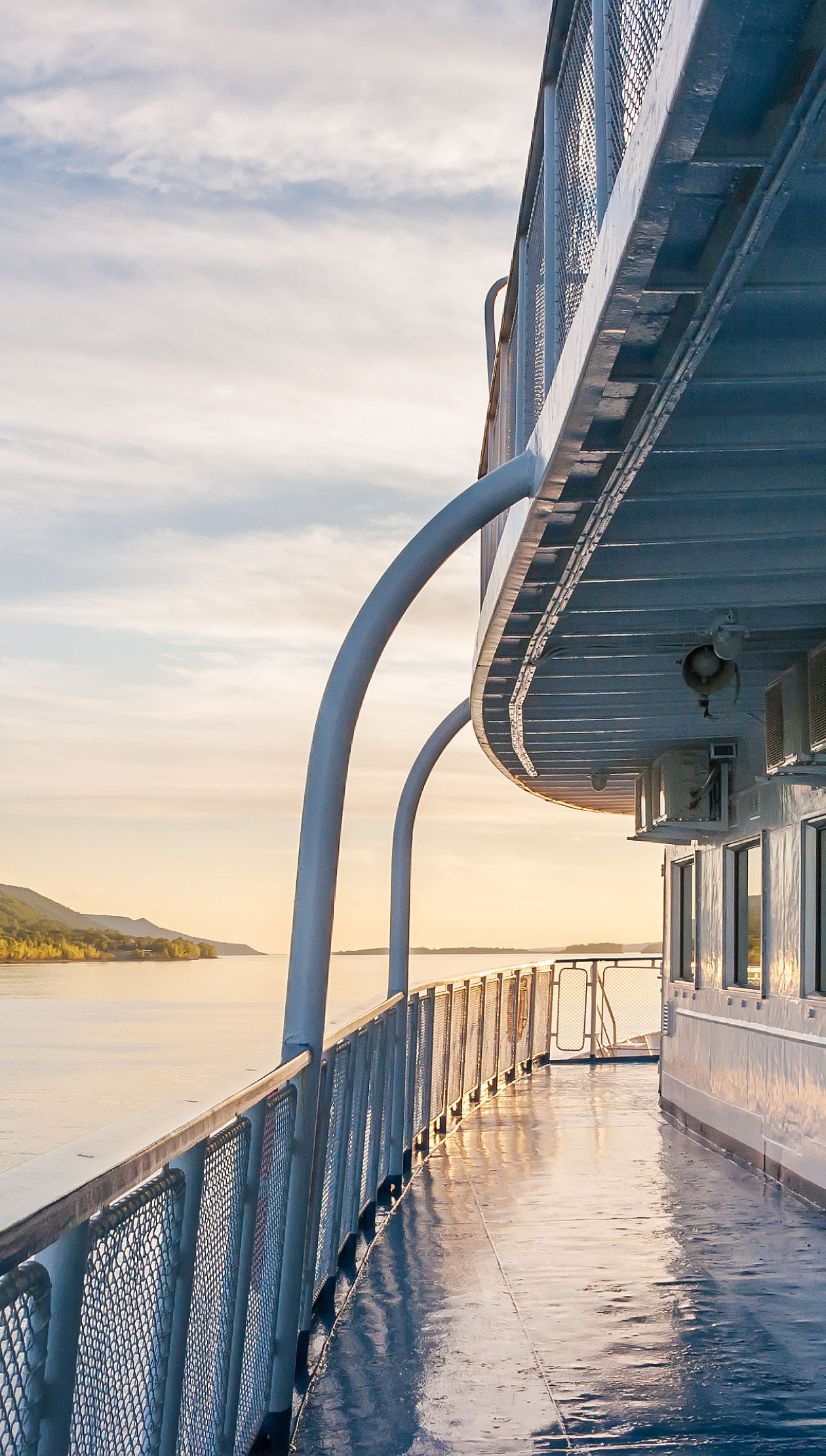
Sava itineraries are particularly suited to smaller river vessels and boutique ships capable of accessing less-developed ports. The atmosphere is often informal and intimate, with open decks, observation lounges, and dining rooms designed to keep the river scenery in view. Smaller guest numbers can create a more personal experience, especially during guided excursions and onboard discussions.
Cuisine and Wine
Menus may draw inspiration from the regions visited, highlighting river fish, roasted vegetables, hearty soups, grilled meats, fresh breads, soft cheeses, and fruit-based desserts. Regional wines can accompany lunch and dinner, while tastings introduce guests to the vineyards of Srem and Fruska Gora. Some programs also include market visits or chef-led demonstrations.
Excursions and Enrichment
Daily excursions may range from Roman archaeology and museum visits to wetland boat trips, vineyard tours, cycling, and guided photography walks. Onboard enrichment can include lectures on Sirmium, the ecology of the Sava basin, regional history, architecture, food traditions, and the river's changing role in modern Europe.
Something for Everyone
- Couples can enjoy romantic deck views and wine-focused excursions.
- solo travelers benefit from the sociable atmosphere of a small ship.
- Culturally curious families may appreciate archaeology and nature activities, although suitability depends on the vessel and program
- Luxury travelers can seek boutique accommodations, private touring, fine dining, and carefully paced itineraries with additional time in each destination.
The Enduring Appeal of Sremska Mitrovica
A Sremska Mitrovica river cruise is more than a passage along the Sava. It is a journey through imperial chambers, living wetlands, vineyard-covered hills, and communities whose stories have always followed the water. Here, history is not separated from the landscape: it rises beneath city squares, lingers beside the embankment, and accompanies every quiet mile toward the horizon.