The experience is shaped by contrast. One moment, guests are watching herons rise from a quiet backwater; the next, they are walking through an eighteenth-century fortress or entering a gallery hidden inside former military chambers. The riverside promenade brings the city close to the water, while the main square, historic houses, churches, and cultural venues introduce the warm, lived-in character of Slavonia.
The defining landmark of Slavonski Brod is Brod Fortress, a monumental eighteenth-century defensive complex built near the Sava. Its brick walls, grassy earthworks, courtyards, and former military chambers create a powerful introduction to the city's strategic past. Guided visits may include art displays, historic interiors, and cultural exhibitions, followed by a walk to the riverfront and the expansive central square.
Cruising the Sava is also a journey through flavor and hospitality. Meals draw inspiration from fertile farmland, orchard country, river fish, smoked meats, slow-cooked dishes, fresh bread, and regional wines. Excursions often feel personal rather than packaged, with local guides sharing stories about frontier life, family traditions, music, agriculture, and the river's continuing importance to communities on both banks.
River Cruises in Slavonski Brod
Slavonski Brod stands on the northern bank of the Sava River, close to the border between Croatia and Bosnia and Herzegovina. It is one of the most evocative stops on selected Sava itineraries linking Croatia, Bosnia and Herzegovina, and Serbia. Many longer voyages combine the Sava with the Danube, creating a wide-ranging route through Central Europe and the Balkans.
The Sava is not a heavily trafficked leisure waterway like the Rhine or central Danube. That relative rarity is part of its appeal. Guests encounter wide horizons, agricultural landscapes, protected wetlands, modest river settlements, and cities where tourism has not overwhelmed everyday life. Water levels and navigation conditions can affect schedules, so flexible programming is an important part of cruising this less-commercialized river.
Sisak and the Upper Navigable Sava
Sisak is an important gateway to the upper navigable Sava and often serves as an embarkation point for excursions into central Croatia. The town's position at the meeting of rivers has shaped its history, industry, and defensive architecture. From here, travelers may continue by road to Zagreb or begin a downstream voyage through quieter countryside.
Zagreb as a Capital City Extension
Zagreb lies on the Sava, although river cruise guests commonly reach the historic center by coach from Sisak rather than sailing directly into the capital. Excursions reveal grand civic buildings, green parks, lively markets, and the atmospheric streets of the upper town. Zagreb adds urban energy and architectural variety to an otherwise pastoral itinerary.
Lonjsko Polje Wetlands
Lonjsko Polje offers one of the Sava basin's richest nature experiences. Floodplain forests, meadows, traditional wooden houses, grazing animals, and birdlife create a landscape shaped by seasonal water. Excursions may include guided walks, wildlife observation, village visits, and tastings at a rural farmhouse, making this a highlight for photographers and nature-focused travelers.
Jasenovac and River Memory
Jasenovac introduces a more reflective dimension to the journey. The area is associated with difficult twentieth-century history, and visits are approached with sensitivity and respect. The surrounding river landscape is calm and open, creating a striking contrast between the beauty of the Sava floodplain and the human stories preserved in memorial spaces.
Davor and Rural Slavonia
Davor presents the intimate scale of Sava river life. The surrounding countryside is defined by fields, orchards, small farms, and riverside settlements. A stop or nearby excursion can focus on local food production, village traditions, and the rhythms of an agricultural region where the river remains both a natural boundary and a source of identity.
Zupanja and Eastern Croatia
Zupanja sits amid the fertile plains of eastern Croatia. The town and its surroundings are known for farming, traditional music, regional crafts, and hearty cooking. Guests can expect a slower-paced visit centered on community culture, local storytelling, and views across a flat landscape that seems to stretch endlessly beneath the sky.
Brcko and Cross-Border Culture
Downstream, Brcko reflects the multicultural character of the Sava corridor. Its markets, religious buildings, riverfront spaces, and varied architecture reveal layers of regional history. A guided walk can explore the city's role as a trading point while introducing the customs and cuisine of Bosnia and Herzegovina.
Sremska Mitrovica and Roman Heritage
Sremska Mitrovica connects the Sava with the ancient world. Built over the Roman city of Sirmium, it offers archaeological remains, museum collections, and stories of imperial power. The contrast between quiet river scenery and major Roman history gives the stop unusual depth, particularly for travelers interested in archaeology and classical civilization.
Belgrade at the Sava and Danube Confluence
Belgrade provides a dramatic finale or starting point where the Sava meets the Danube. The rivers converge below a historic fortress, while the modern city spreads across both banks. Cafes, museums, neighborhoods, monuments, and panoramic viewpoints create a lively conclusion to the quieter landscapes upstream.
Varazdin as a Pre-Cruise Extension
Varazdin is not located on the Sava, but it is frequently included as an overland extension on broader regional itineraries. Its elegant center, baroque architecture, palaces, gardens, and refined atmosphere add another layer to the journey and pair naturally with Zagreb, Lake Balaton, or a Danube connection.
Themed and Length-Based Slavonski Brod Itineraries
Short River Cruises: 3 to 5 Days
A short Sava program can focus on Sisak, Lonjsko Polje, Jasenovac, and Slavonski Brod. Guests might begin with Zagreb's historic streets, embark near Sisak, spend a day among wetlands and traditional villages, and finish with Brod Fortress and a riverside walk. This format suits travelers adding inland Croatia to a longer European holiday.
Medium River Cruises: 6 to 9 Days
A medium itinerary can continue downstream from Slavonski Brod to Zupanja, Brčko, Sremska Mitrovica, and Belgrade. Highlights may include fortress architecture, rural food tastings, Roman archaeology, birdwatching, and guided city walks. The pace allows time to appreciate the changing cultural character of each riverbank without losing the intimacy of a smaller regional journey.
Long River Cruises: 10 Days or More
Longer voyages often combine the Sava and Danube rivers, with possible extensions to Budapest, Lake Balaton, Varazdin, Zagreb, Osijek, Novi Sad, and Belgrade. These routes create a broad narrative of Central European and Balkan history, linking imperial capitals, frontier fortresses, wetlands, wine regions, and agricultural plains into a single seamless journey.
Wine and Culinary Cruises
Culinary programs celebrate the abundance of Slavonia. Guests can sample regional wines, orchard produce, river fish, smoked meats, farmhouse cheeses, pastries, and slow-cooked specialties. Visits to vineyards, markets, family farms, and traditional kitchens provide context, while onboard menus reinterpret local ingredients in a comfortable dining-room setting.
Art and History Cruises
History-focused departures can connect Brod Fortress with Roman Sirmium, the fortresses of Belgrade, historic Zagreb, and the layered border heritage of the Sava. In Slavonski Brod, galleries within the fortress and literary sites associated with a celebrated children's author add art and storytelling to the military history.
Christmas Market and Winter Cruises
Winter itineraries are less common on the Sava, but festive regional programs can combine Zagreb's seasonal lights and markets with inland towns, warm cuisine, cultural performances, and Danube capitals. The river landscapes become quieter and more atmospheric, with mist over the water and welcoming evenings aboard the ship.
The Onboard Experience
Ship Sizes and Ambiance
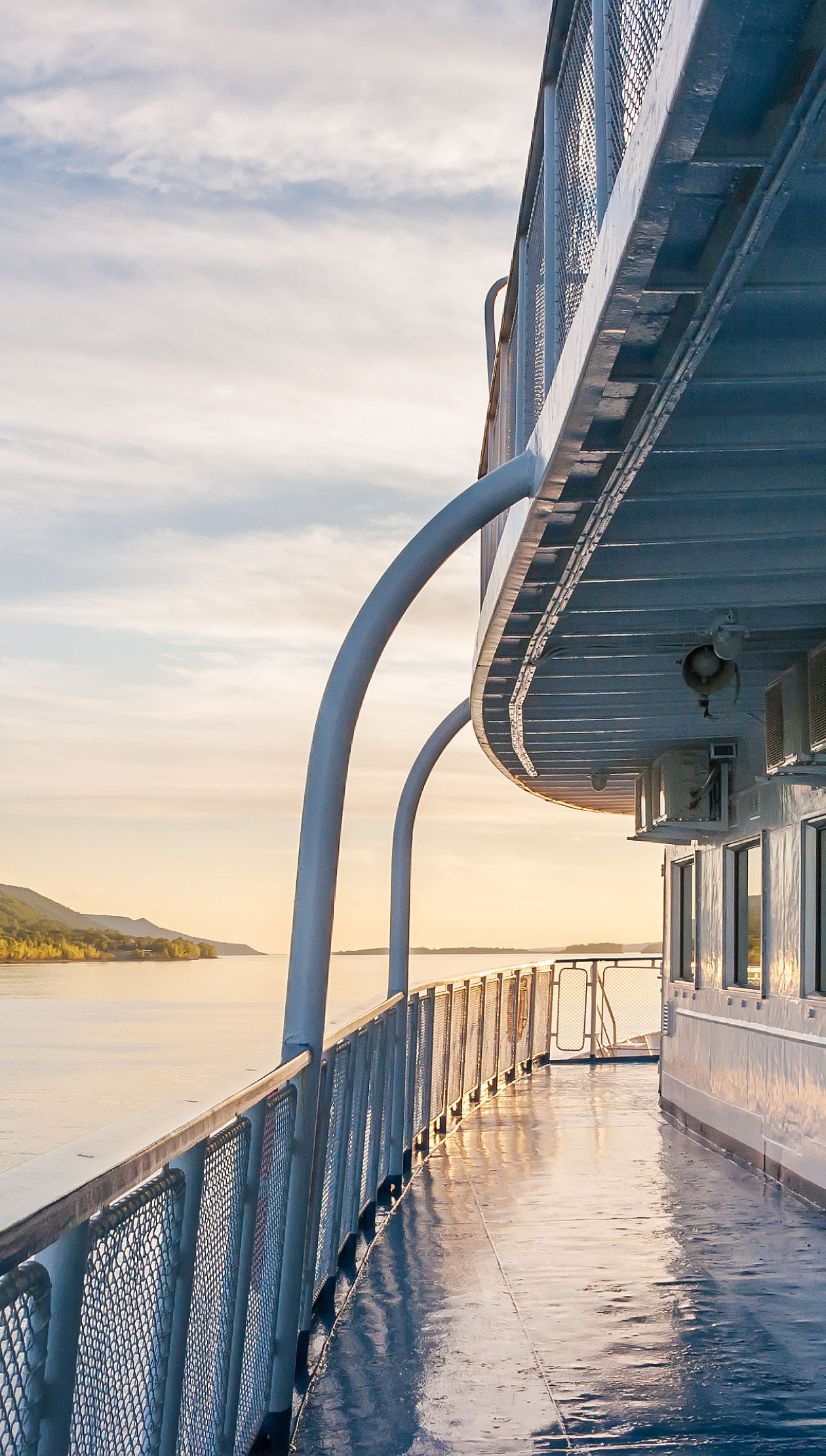
Sava cruises typically use compact river ships suited to a less commercialized waterway. Some vessels carry around 80 to 100 guests, creating a sociable atmosphere where crew members and guides quickly become familiar faces. Expect comfortable cabins, a panoramic lounge, a dining room, and an open sun deck for watching the plains drift past.
Cuisine and Wine
Onboard dining often blends international presentation with regional inspiration. Menus may feature seasonal vegetables, freshwater fish, roasted meats, soups, fruit desserts, and wines from Croatia, Hungary, and Serbia. Meals become part of the destination, especially when chefs introduce ingredients encountered during market, farm, or vineyard visits.
Excursions and Enrichment
Daily excursions may include walking tours, fortress visits, wetland exploration, museum stops, rural tastings, and cultural performances. Lectures and guide talks add context on the Sava basin, Roman history, imperial borders, modern nationhood, agriculture, wildlife, and regional music. Because groups are relatively small, visits often feel conversational and unhurried.
Something for Everyone
- Couples enjoy the relaxed pace, scenic decks, shared meals, and culturally rich excursions.
- Solo travelers benefit from the ship's friendly scale and organized daily activities.
- Families with older children can connect history, wildlife, archaeology, and living culture in an engaging way.
- Luxury-minded travelers should look for upgraded cabins, inclusive excursions, premium wines, and private touring options.
- Experienced cruisers will value the Sava as a quieter alternative to Europe's most familiar waterways.
The Lasting Appeal of Slavonski Brod River Cruises
A river cruise through Slavonski Brod is not simply a passage across inland Croatia. It is a journey into a landscape where water, memory, food, music, and frontier history remain closely connected. Between the silent walls of Brod Fortress and the broad current of the Sava, travelers discover a Europe that feels intimate, generous, and refreshingly unscripted.