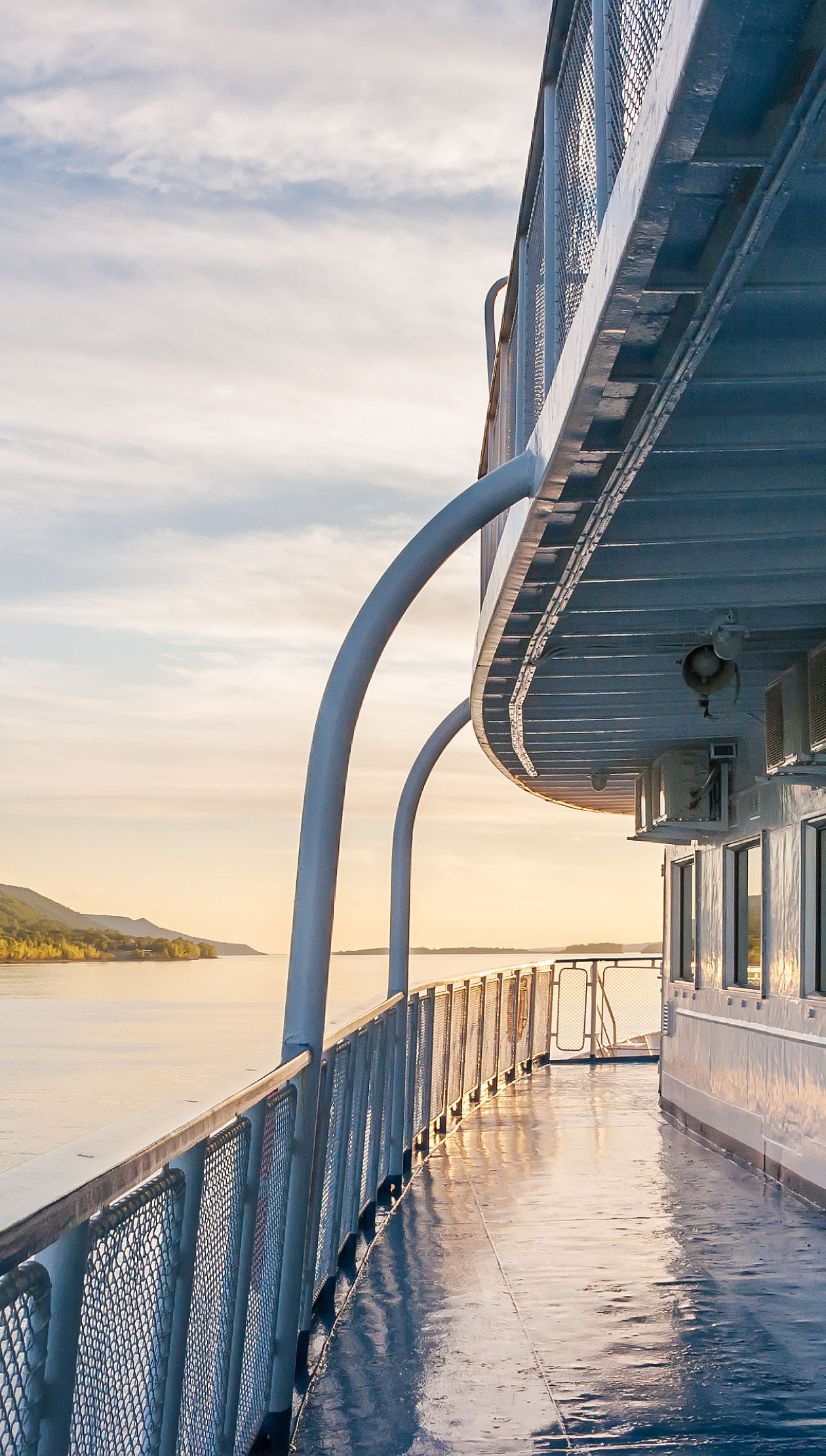
Along its course, the landscape changes from Alpine scenery to the wide plains of Croatia, Bosnia and Herzegovina, and Serbia. Church towers, old military settlements, river beaches, working quays, and Roman archaeological sites appear between stretches of meadow and wetland. The experience is not defined by a single monument or city. Instead, the pleasure comes from watching an entire region unfold slowly, one river bend at a time.
The cultural rewards are equally rich. A journey on the Sava can connect elegant Zagreb with the agricultural traditions of Zupanja, the great fortress of Slavonski Brod, and the Roman heritage of Sremska Mitrovica. Meals reflect fertile plains, orchards, vineyards, freshwater fishing, and family cooking. Excursions lead into old town centers, museums, nature reserves, farms, and local markets. Together, these experiences make Sava river cruises ideal for travelers who value authentic culture, layered history, regional cuisine, and unhurried discovery.
The Sava River: From Mountain Valleys to the Danube
The Sava is one of the most important waterways in Southeast Europe and the largest tributary of the Danube by water volume. It is formed in Slovenia by mountain-fed headwaters, flows east through Croatia, follows long sections of the border between Croatia and Bosnia and Herzegovina, continues across Serbia, and meets the Danube in Belgrade. Its basin reaches even farther, connecting landscapes and communities across a broad part of the region.
For travelers, this geography creates remarkable variety. The upper river is associated with mountain valleys, clear water, outdoor recreation, and green countryside. Farther east, the river becomes wider and more measured, passing capital cities, historic frontier towns, fertile agricultural districts, floodplain forests, and internationally important wetlands. The Sava is therefore not simply a route between destinations. It is a living cultural corridor that has carried people, goods, ideas, and traditions for centuries.
Sava cruising remains more specialized than cruising on the Rhine or central Danube. Depending on the season, water conditions, vessel type, and itinerary, journeys may combine river navigation with coach transfers, hotel stays, private charters, small expedition vessels, or extensions onto the Danube. This flexibility is part of the river's appeal. Rather than following a highly standardized route, guests can experience a more personal journey centered on regional history, nature, food, and local encounters.
Slovenia: Mountain Origins and Green Landscapes
In Slovenia, the Sava begins among dramatic mountain landscapes before flowing through wooded valleys and urban centers. This western section has a fresh, energetic character, shaped by clear tributaries, forested slopes, bridges, and riverside paths. Full-size cruise navigation is limited in the upper reaches, but the region makes an excellent pre-cruise or post-cruise extension for guests interested in hiking, scenic rail travel, lakes, mountain villages, and outdoor activities.
Croatia: Capital Culture, Fortresses, and Rural Traditions
In Croatia, the Sava passes through Zagreb before continuing east across the broad plains of the country's interior. This section combines urban culture with agricultural landscapes, historic military architecture, vineyards, riverfront promenades, and traditional communities. It is particularly rewarding for travelers interested in the meeting point between Central European elegance and the warmer, more rural character of the eastern plains.
Bosnia and Herzegovina: Border Landscapes and Living Heritage
For a considerable distance, the Sava forms the northern border of Bosnia and Herzegovina. Here, river views open across farmland, low wooded banks, villages, bridges, and working river towns. The scenery is understated but deeply atmospheric, especially in the early morning when mist settles above the water, and the flat landscape seems to stretch without interruption.
Serbia: Roman Cities, Wetlands, and the Approach to Belgrade
In Serbia, the Sava flows past important natural and cultural sites before reaching its confluence with the Danube in Belgrade. The lower river is broad and calm, with long horizons, forested banks, beaches, wetlands, and lively urban waterfronts. This is one of the most compelling sections for cruise travelers because it brings together ancient history, everyday river culture, and a dramatic final arrival in the Serbian capital.
Featured Destinations Along the Sava
Zagreb: Culture and Creativity Beside the Sava
River Cruises in Zagreb introduce travelers to a capital where grand architecture, lively public spaces, contemporary art, and relaxed cafe culture meet the broad green corridor of the Sava. Although the historic center stands north of the river, the Sava has played an important role in Zagreb's growth and identity. Its bridges connect older districts with newer neighborhoods, while lakes, parks, cultural spaces, and recreation areas bring local life toward the water.
A typical Zagreb excursion might begin among the tiled roofs, church towers, market stalls, and formal streets of the upper and lower city. Guests can explore galleries, museums, parks, and architectural landmarks before crossing toward the modern districts south of the Sava. This contrast gives Zagreb unusual depth: imperial-era facades and traditional streets exist within easy reach of bold modern design and open riverside landscapes.
Slavonski Brod: A Fortress City on the Frontier
River Cruises in Slavonski Brod bring guests to one of the Sava's most historically resonant cities. Set directly on the river opposite Bosnia and Herzegovina, Slavonski Brod developed as a strategic crossing point and defensive settlement. Its great fortress remains the defining landmark, a vast complex of walls, courtyards, gates, and military buildings that reflects the city's former importance on a contested frontier.
Walking tours can combine the fortress with the central square, riverside promenade, museums, churches, and cultural venues. The atmosphere is more relaxed than in a major capital, allowing visitors to observe daily life at close range. Local residents stroll beside the river, cafes fill in the afternoon, and the Sava remains constantly visible as both a landscape and a historical presence.
Zupanja: Rural Heritage and the Rhythm of the Plains
River Cruises in Zupanja reveal the agricultural heart of eastern Croatia. The town lies close to the Sava amid wide plains shaped by farming, horse breeding, seasonal harvests, and long-established rural customs. Its scale is intimate, making it an ideal place for excursions centered on community life rather than monumental sightseeing.
Visitors can walk along the riverbank, explore the local heritage museum, and learn how the area's history was influenced by its position on a former military frontier. Exhibitions and guided experiences may introduce traditional clothing, domestic crafts, farming tools, music, and the seasonal cycle of village life. Beyond the town, quiet roads lead through fields, woodland edges, and settlements where family farms continue to shape the landscape.
Sremska Mitrovica: Roman Sirmium and the Serbian Sava
River Cruises in Sremska Mitrovica combine a relaxed Serbian riverfront with one of the region's most important Roman sites. The modern city stands over ancient Sirmium, once a major administrative and imperial center. Archaeological remains, including sections of the imperial palace complex, reveal the scale and sophistication of a city that played a central role in the late Roman world.
Guided visits can explore mosaics, foundations, museum collections, and stories of emperors, merchants, soldiers, and early Christian communities. The contrast between ancient ruins and the present-day city is especially striking. After examining the remains of imperial buildings, guests can return to the Sava promenade, where beaches, cafes, and pedestrian spaces show how the river continues to shape local life.
The Distinctive Character of Sava River Cruising
- Less crowded waterways: The Sava offers a quieter atmosphere than Europe's busiest cruise rivers, with fewer large vessels and more space to absorb the landscape.
- Layered history: Roman cities, frontier fortresses, trade routes, twentieth-century history, and modern national borders create a complex and compelling narrative.
- Wetlands and wildlife: Floodplain forests, marshes, side channels, and protected habitats make selected stretches rewarding for birdwatching and nature photography.
- Regional food culture: The journey crosses fertile agricultural areas known for freshwater fish, smoked foods, slow-cooked dishes, pastries, fruit, honey, and wine.
- Authentic local encounters: Smaller towns allow for personal guided visits, family-run tastings, craft demonstrations, and conversations that feel less staged.
- Flexible route design: Sava itineraries can combine cruising with rail travel, road transfers, city hotels, cycling, walking, and Danube extensions.
Sava River Cruise Itineraries
Short Sava Cruises: 3 to 5 Days
A short Sava itinerary is ideal for travelers looking to add a river experience to a broader journey through Croatia or Serbia. A three-day program might focus on Zagreb and the surrounding river corridor, combining city sightseeing with visits to parks, food markets, museums, and a countryside tasting. Another option could pair Slavonski Brod with Zupanja, creating a compact introduction to fortress history, rural heritage, and the cuisine of the eastern plains.
Medium Sava Cruises: 6 to 9 Days
A medium-length cruise allows the river's cultural range to emerge more fully. A seven-night itinerary could begin in Zagreb, continue through the agricultural landscapes of eastern Croatia, call at Slavonski Brod and Zupanja, then cross into Serbia for Sremska Mitrovica, and conclude with a final extension to Belgrade. Where continuous cruising is not practical, comfortable transfers can connect navigable sections while preserving the logic of following the river.
Long Sava Journeys: 10 Days or More
Longer itineraries can trace the river's transformation from Slovenia to Serbia or combine the Sava with the Danube. A journey of ten to fourteen days might begin with mountain scenery and lakes in Slovenia, continue to Zagreb, follow the Croatian and border sections of the Sava, and finish in Belgrade before sailing farther along the Danube.
Special Interest Sava Cruises
- Wine and culinary cruises can connect city markets, vineyard excursions, farm visits, cooking demonstrations, and multi-course dinners inspired by each region. Guests might compare wines from the hills near Zagreb with those produced near the Serbian Sava River, while learning how fertile plains and river ecosystems influence local ingredients.
- Art and history cruises can focus on Zagreb's museums, the fortress of Slavonski Brod, frontier architecture in Zupanja, Roman Sirmium, and Belgrade's historic skyline. Lectures on board can explain the Roman Empire, river trade, military borders, the formation of modern states, and the Sava's role as both a dividing line and a shared resource.
- Christmas market itineraries can place Zagreb at the center of a winter journey, with festive squares, lights, seasonal food, music, and excursions to smaller towns. River cruising may be more limited in colder months, so these programs can combine short sailings with premium road or rail transfers and hotel stays.
- Nature and photography cruises can focus on wetlands, floodplain forests, riverbanks, birds, sunrise light, and quiet rural scenery. Small vessels and guided shore trips are especially well suited to travelers who prefer observation, walking, and photography over fast-paced sightseeing.
Life Onboard a Sava River Cruise
Ship Sizes and Ambiance
Vessels on the Sava may range from small charter boats and boutique river ships to expedition-style craft and larger vessels operating on navigable lower sections or combined Sava-Danube routes. Smaller ships create an informal atmosphere, with fewer guests, flexible schedules, and easy access to guides and crew. Cabins are typically designed for comfort rather than excess, while lounges and open decks place the river landscape at the center of the experience.
The ambiance is often relaxed, sociable, and destination-focused. Evenings may include a regional dinner, a talk by a historian or naturalist, acoustic music, or quiet time on deck. Travelers should expect the character of the journey to come from the places visited and the people encountered rather than from large-scale onboard entertainment.
Cuisine and Wine
Food onboard can reflect the changing regions along the river. Breakfasts may include fresh bread, cheese, fruit, eggs, and preserves. Lunch and dinner can feature soups, freshwater fish, roasted or slow-cooked meats, seasonal vegetables, grains, pastries, and desserts made with nuts, apples, plums, or honey. Menus may become lighter and more urban around Zagreb, then richer and more rustic across the eastern plains.
Wine tastings can introduce cool-climate whites, aromatic varieties, dry pink wines, and structured reds from vineyard areas within reach of the river. Local beers, fruit brandies, juices, and mineral waters may also be included. The most memorable meals often connect directly to shore experiences, allowing guests to taste ingredients from a market, farm, or winery visited earlier in the day.
Excursions and Enrichment
Shore excursions are central to Sava cruising. Guided city walks, archaeological visits, fortress tours, museum experiences, birdwatching trips, cycling, market visits, farm lunches, and wine tastings can all be included. Because many destinations are smaller, groups may have the opportunity to meet local historians, craftspeople, farmers, musicians, and conservation guides.
Onboard enrichment can provide essential context. Talks may explore the Roman world, the history of the military frontier, river ecology, regional architecture, modern borders, food traditions, and the Sava's relationship with the Danube. Maps and daily briefings help guests understand how landscapes and cultures connect across the route.
Something for Everyone
- Couples can enjoy intimate ships, scenic deck time, wine tastings, historic walks, and atmospheric evenings in small riverfront cities.
- Families may appreciate interactive museums, fortress exploration, cycling, wildlife excursions, beaches, and hands-on food or craft activities.
- Solo travelers often benefit from the sociable scale of small ships, shared excursions, expert guides, and communal dining.
- Luxury travelers can choose private charters, premium cabins, tailored excursions, private guides, exclusive tastings, and high-end hotel extensions.
- History and culture enthusiasts will find exceptional depth in Roman archaeology, frontier cities, religious heritage, and twentieth-century stories.
- Nature lovers can seek itineraries centered on wetlands, birdlife, forested banks, photography, and low-impact exploration.
Planning a Sava River Cruise
Spring and early autumn are often the most appealing periods for cultural touring, with comfortable temperatures and green or golden landscapes. Summer brings longer days, active riverfronts, festivals, and warm evenings, though daytime heat can be more intense. Winter is best suited to city-based festive itineraries and cultural extensions rather than extensive river navigation.
Travelers should review each itinerary carefully because vessel size, navigable sections, water levels, port infrastructure, and border arrangements can influence the route. A well-designed Sava program will be transparent about which portions are sailed and which are connected by road, rail, or hotel stays. This should be seen not as a limitation, but as a way to explore a diverse river corridor with comfort and flexibility.
A journey along the Sava is an invitation to travel beyond Europe's familiar river routes. It is a passage through mountain water and open plains, imperial ruins and fortress walls, wetlands and capital cities. More than a cruise, it is an encounter with communities that have lived beside the same river for generations - a slow, generous voyage shaped by history, hospitality, and the quiet beauty of the water.