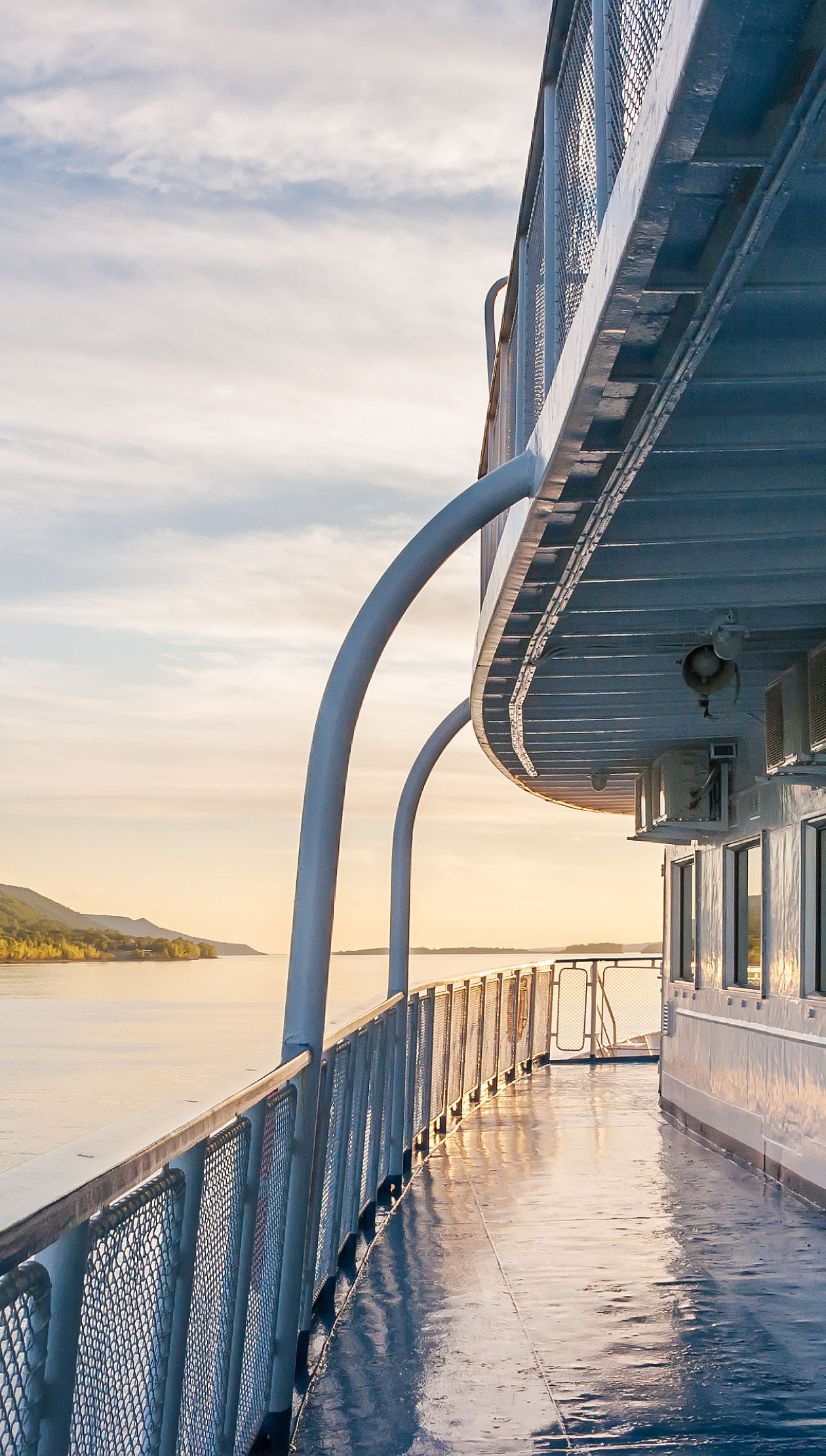
Ghazipur also offers a deeper perspective on the history of the middle Ganges. The city has long been connected to river transport, regional commerce, and travel between eastern Uttar Pradesh and Bihar. Shore excursions can introduce guests to colonial-era monuments, local markets, historic neighborhoods, and traditional industries. The experience feels less staged than in larger tourism centers, allowing visitors to encounter the river as a living cultural corridor.
Ghazipur offers a quieter form of Ganges exploration. Guests may visit the memorial associated with Lord Cornwallis, explore local streets and markets, or learn about the city's relationship with river trade. From the water, the appeal lies in broad channels, sandy margins, agricultural plains, and changing patterns of human activity. The city works especially well as a link between busier destinations, giving passengers time to observe how the Ganges supports transport, farming, ritual, and community identity.
For guests combining Ghazipur with Varanasi river cruises, Buxar, Patna, or Simaria, the destination adds contrast and depth. Here, the journey is defined by accumulated detail: a boatman repairing his net, children walking along an embankment, birds gathering on exposed islands, and evening light settling over the water. Ghazipur river cruises reward curious travelers who value slow travel, meaningful encounters, and a strong sense of place.
Cruising the Ganges Through Ghazipur
The Ganges is the central waterway of the Ghazipur region and part of National Waterway 1, the navigable river system linking major destinations across northern and eastern India. Cruise itineraries may position Ghazipur between Varanasi and Bihar, blending famous cities with smaller communities. Water levels, seasonal conditions, and vessel design influence the precise program, so excursions and overnight stops may vary.
Buxar and the Borderland Landscapes
Downstream from Ghazipur, Buxar river cruises introduce travelers to a historic town on the Bihar side of the river corridor. The approach offers long river views and banks that alternate between cultivated land, settlement, and open sand. Excursions can focus on local history and sacred traditions, while the journey reveals subtle changes in food, architecture, and rural life as the cruise continues east.
Ghaghra Mod and the Meeting of Waterways
Ghaghra Mod brings a natural dimension to a Ganges itinerary. The surrounding waterways and floodplain environments can offer opportunities for photography, birdwatching, and quiet deck observation. Depending on the season, guests may see exposed sandbars, braided channels, fishing activity, and broad skies reflected in the river. It is an immersive passage through the geography of the Ganges basin, shaped by currents and seasonal change.
Hemnagar and Village-Scale River Life
Near Hemnagar, the cruise experience becomes intimate and observational. Small settlements, fields, river landings, and working boats provide a close view of rural life. Guided walks may introduce passengers to crops, domestic architecture, craft traditions, and the practical relationship between villages and the river. These quieter stops show the Ganges not only as a sacred waterway, but also as a source of food, mobility, income, and social connection.
Bhagatpur and the Agricultural Plains
Bhagatpur river cruise stops can highlight the fertile plains beyond the banks. The landscape changes with the agricultural calendar, from green fields and grazing land to harvested areas in warm earth tones. A village visit may include a market, a farm, a school, or a local food demonstration, depending on community arrangements. Bhagatpur offers photographers and culturally curious travelers an appealing balance of open scenery and personal-scale encounters.
Bateshwarsthan and Riverside Heritage
Bateshwarsthan adds a heritage-focused stop to the journey. Its appeal comes from the relationship between sacred places, historic settlement, and the river. Passengers may explore religious architecture, hear regional stories, and observe how pilgrimage and community life overlap. Approaching from the Ganges gives the visit a sense of continuity, with the waterway linking monuments, rituals, and generations of travelers.
Bali Island and the Shifting River Environment
Bali Island represents the dynamic natural character of the Ganges. River islands and sandbanks may change as currents and water levels shift, creating temporary habitats for birds and open spaces used by nearby communities. When conditions allow, guests may explore by tender boat or observe from the deck with a naturalist. The setting is ideal for sunrise photography, wildlife observation, and a quiet pause between cultural excursions.
Patna and the Urban Ganges
Patna river cruises provide a strong urban contrast to Ghazipur's quiet banks. Bihar's capital brings museums, historic sites, active waterfronts, and a wider choice of excursions. The approach by river allows passengers to watch the landscape become denser as bridges and city buildings appear beyond the banks. Patna helps guests appreciate the Ganges as both a rural lifeline and a major metropolitan waterway.
Simaria and the Spiritual Riverbank
At Simaria, the Ganges is closely connected with pilgrimage, reflection, and community gatherings. A guided visit can provide insight into riverside traditions while encouraging respectful observation. The setting is especially atmospheric at dawn, when mist, bells, voices, and small boats animate the water. Simaria suits itineraries focused on spirituality, photography, literature, or the river's cultural significance.
Distinctive Flavors, Scenery, and Culture on the Ganges
Cruising through Ghazipur is defined by variety. Scenery changes from broad channels and pale sandbanks to farmland, village landings, bridges, and city waterfronts. Onshore, travelers may encounter layered histories, sacred traditions, colonial-era architecture, regional markets, and working landscapes.
Food adds another dimension, with menus inspired by eastern Uttar Pradesh and Bihar through vegetables, lentils, rice, breads, fish where available, aromatic sauces, sweets, and fresh fruit. Cooking demonstrations and market visits may help guests understand how seasonal ingredients, farming traditions, and family recipes influence regional cuisine. The result is a journey that engages the senses without losing the river's calm rhythm.
Ghazipur River Cruise Itineraries
Short River Cruises of 3 to 5 Days
A short itinerary is ideal for travelers combining a Ganges cruise with a longer land journey. A possible route might connect Varanasi, Ghazipur, and Buxar, with one or two nights spent sailing through rural landscapes. Guests can expect a Ghazipur heritage excursion, a village walk, deck-based birdwatching, and sunset views over the river.
These cruises emphasize contrast: the intensity and architectural drama of a major cultural city followed by the spacious calm of the middle Ganges. Although compact, the journey can provide a meaningful introduction to the history, cuisine, spirituality, and natural scenery of the region.
Medium River Cruises of 6 to 9 Days
Medium-length journeys allow the river's character to unfold gradually. An itinerary may link Varanasi, Ghazipur, Ghaghra Mod, Buxar, and selected village or island stops before continuing toward Patna. Additional time supports market visits, monument tours, small-boat exploration, culinary demonstrations, and talks on river ecology.
Guests also enjoy more daylight sailing, providing opportunities to watch riverbank life change throughout the day. This duration is especially rewarding for photographers and travelers who prefer a balanced schedule with active mornings, relaxed afternoons, and peaceful evenings on deck.
Long River Cruises of 10 Days or More
Long cruises place Ghazipur within a broader Ganges narrative. Routes may continue through Patna and Simaria toward destinations farther east, combining major cities with wetlands, agricultural districts, riverside communities, and heritage sites. Multiple sailing days create a genuine sense of progression as architecture, cuisine, and landscape evolve.
Onboard lectures can connect each stop to larger themes such as trade, empire, religion, agriculture, conservation, and modern inland navigation. Longer itineraries also create more time for spontaneous observation, from groups of waterbirds gathering on sandbanks to small ferries carrying passengers between rural settlements.
Special-Interest River Cruises
Ghazipur works especially well on history and heritage cruises, with expert-led visits and talks on regional kingdoms, colonial encounters, archaeological sites, and river commerce. Culinary itineraries may include market tours, cooking demonstrations, spice tastings, and menus inspired by the destinations visited.
Photography cruises can schedule excursions around sunrise and sunset, while natural-history departures focus on birds, floodplains, river islands, and seasonal change. Spiritual and wellness journeys may incorporate meditation, reflective deck time, gentle exercise, and respectful introductions to riverside traditions. Literature-focused departures can explore the river's influence on storytelling, poetry, and cultural identity.
The Onboard Experience
Ship Sizes and Ambiance
Vessels on the Ganges range from intimate expedition-style riverboats to larger boutique ships. Many feature shallow drafts for inland navigation, open observation decks, comfortable lounges, and outward-facing cabins. The atmosphere is relaxed and sociable, with the river serving as the main attraction.
Smaller passenger numbers can make excursions more flexible and encourage interaction with guides, lecturers, naturalists, and fellow guests. Evenings are generally peaceful, with passengers gathering for a destination briefing, a cultural presentation, or a drink beneath the open sky.
Cuisine and Drinks
Onboard dining often combines regional Indian flavors with familiar international choices. Breakfasts may be informal, while lunch and dinner feature ingredients and dishes associated with the day's destination. Tea, coffee, fresh juices, and selected alcoholic drinks may be available according to the vessel and cruise package.
Travelers with dietary requirements should communicate them before departure. A thoughtful menu turns each meal into another layer of destination discovery, connecting what guests see in markets, farms, and villages with the food served onboard.
Excursions and Enrichment
Daily programs can include guided walks, monument visits, market tours, village encounters, tender-boat outings, and naturalist-led observation. Enrichment may feature lectures on the Ganges, Indian history, religion, wildlife, cuisine, and contemporary river management. Cultural performances, craft demonstrations, or cooking sessions may also be arranged.
The strongest itineraries balance structured learning with free time on deck, allowing passengers to absorb the changing scenery at an unhurried pace. Local guides add essential context and help visitors engage with communities and sacred places in an informed and respectful way.
Something for Everyone
- Couples enjoy the intimate atmosphere, shared discoveries, and sunset sailing.
- Solo travelers benefit from small-group excursions and sociable onboard spaces.
- Families with older children gain an engaging introduction to history, geography, and culture.
- Luxury travelers can choose boutique vessels with spacious suites, refined service, and curated excursions.
- Active and curious travelers value walking tours, village visits, photography, wildlife observation, and expert interpretation.
A Slower Journey Into the Heart of the Ganges
A Ghazipur river cruise is more than a passage between famous cities. It is an invitation to watch northern India reveal itself at river speed, through changing light, quiet villages, historic riverbanks, shared meals, and the enduring presence of the Ganges. Long after the journey ends, travelers remember not only what they visited, but how it felt to move through this remarkable cultural landscape.