Dutch Charm Meets Waterside Wonder
Unlike the bustling ports of Amsterdam or Rotterdam, Groningen promises a slower pace—an invitation to delve deeper. From the medieval Martinitoren spire piercing the skyline to the gleaming contemporary lines of the Groninger Museum, this is a city that embraces both its past and future. As your river ship moors along tranquil quaysides or quiet villages in the province, you'll encounter the full spectrum of Dutch life: windmills and wetlands, avant-garde art and hearty regional cuisine, Gothic churches and golden fields swaying in the breeze.
The heart of any river cruise in the region is, of course, the city of Groningen itself. Home to nearly 250,000 people, it blends Gothic and Renaissance architecture with cutting-edge design. The Groninger Museum, with its colorful avant-garde facade, is a cultural landmark, while the leafy canals and bustling markets add texture to any cruise itinerary. The city’s lively student population brings a youthful energy, and its culinary scene—ranging from local cheeses to Indonesian rijsttafel—is among the best in the Netherlands.
With its connection to the Ems River and the wider Dollart estuary, Groningen serves as both a destination and a gateway. Here, your journey may begin in the heart of the province or extend eastward toward Germany’s lush Lower Saxony. River cruises in this region offer more than scenic sailing—they promise an immersion into the soul of the north, where every port tells a story, and every ripple on the water whispers of centuries past.
Cruising the Ems River: A Northern Waterway of History and Tranquility
Ems River
The Ems River flows from the Teutoburg Forest in Germany to the Wadden Sea, forming part of the border between the Netherlands and Germany before spilling into the Dollart Bay near Delfzijl and Groningen. For river cruisers, this waterway is a hidden gem—a route that reveals a quieter, greener side of Europe away from the larger cruise hubs. The Ems winds through pastoral landscapes, charming towns, and bird-rich wetlands, offering an ever-changing backdrop of natural and cultural richness.
Herbrum
Just across the border in Germany lies Herbrum, a quaint village where cruise ships often pause before entering the Dutch waterways. Known for its lock system and the impressive Herbrum sluice, the village offers a glimpse into the engineering feats that have shaped river travel in the region. The surrounding marshes and dikes are home to migratory birds and traditional fishing huts, making Herbrum a quiet but atmospheric stop on Ems River itineraries.
Dollart Bay
As the Ems approaches the sea, it fans into the Dollart Bay, a UNESCO-recognized intertidal zone shared by Germany and the Netherlands. River cruises may slow here, allowing guests to admire the dramatic coastal skies, tidal flats, and salt marshes. It's a place of stark beauty, where seals bask in the sun on sandbanks and sea eagles glide overhead. Nature lovers will relish the serenity of this stretch, often accompanied by expert commentary onboard about the ecology and conservation of this unique zone.
Delfzijl
Delfzijl, located where the Ems and Dollart converge, is one of the oldest seaports in the Netherlands. With its maritime museum, sea locks, and dike walkways, it bridges the gap between inland river cruising and the open sea. The town's naval heritage is evident in its harbor layout and World War II bunkers. For cruise guests, Delfzijl is an opportunity to step ashore and explore historic fortifications, dine on fresh North Sea fish, or simply watch the tide roll in from a waterfront café.
Appingedam
Travelers heading west from Delfzijl often reach Appingedam, a picturesque canal town known for its famous "hanging kitchens"—charming wooden extensions that dangle over the water from medieval homes. The historic town center is a highlight of any river cruise through Groningen, with cobblestone lanes, cozy eateries, and the 13th-century Nicolaï Church. Riverbanks here are fringed with willows and old brick warehouses, creating an enchanting setting straight out of a storybook.
Winschoten
Winschoten, once known as the "Rose City" for its flower industry, offers a peaceful and culturally rich stop. The town is home to traditional windmills, a Jewish heritage trail, and open-air markets. River cruisers enjoy leisurely bike rides along the canals and visits to local distilleries producing Dutch genever. Winschoten’s slower rhythm and pastoral setting make it a refreshing contrast to urban ports further south.
Leek and Zuidhorn
Further west along tributaries and canals, smaller towns like Leek and Zuidhorn offer detours into rural Dutch life. Leek is known for its stately 17th-century Nienoord Castle and family-friendly parklands, while Zuidhorn charms with its tranquil canals, baroque churches, and traditional farmsteads. These stops offer insight into the province's agricultural backbone and provide immersive experiences, such as cheese tastings, horse-drawn carriage rides, and guided wetland walks.
Themed and Length-Based River Cruise Itineraries
Short Cruises (3–5 days)
Short river cruises often focus on the highlights of Groningen city and its immediate surroundings. These 3–5 day itineraries typically begin in Groningen or Delfzijl and include stops in Appingedam, Winschoten, and Delfzijl. Guests enjoy guided walking tours, museum visits, and culinary experiences, including a taste of mustard soup and poffertjes. These cruises are perfect for weekend getaways or those pairing the trip with other travel in the Netherlands.
Medium Cruises (6–9 days)
Mid-length itineraries extend into Germany via the Ems River, offering a mix of Dutch and German towns, including Herbrum, Leer, and Papenburg. Guests explore historic windmills, timber-framed houses, and UNESCO-listed landscapes, such as the Wadden Sea. Onboard, regional tastings and folk music performances deepen the experience. Medium-length cruises strike a balance between exploration and relaxation, offering the best of cross-border river travel.
Long Cruises (10+ days)
Longer itineraries are designed for in-depth exploration. These 10+ day river cruises may begin in the Dutch Delta and travel north through Groningen, extending into the North Sea coast or looping through the Ems and back. Travelers visit 10 or more ports, including historical gems like Leer and modern maritime centers like Emden. Some itineraries even include sailing on the Wadden Sea, weather permitting. The added time allows for cultural excursions, nature reserves, and slow sailing through narrow, photogenic canals.
Special Interest Cruises
- Art and Architecture: Dive into Groningen’s creative soul with special guided tours of the Groninger Museum, Appingedam’s churches, and sculpture gardens in the countryside.
- Culinary Cruises: Sample local specialties like eierbal, smoked eel, and boerenkaas while cruising through farm-rich districts and stopping at local producers.
- Christmas Market Cruises: December itineraries highlight festive stops like Winschoten and Groningen’s illuminated winter fair, with mulled wine, handmade gifts, and carolers by the canal.
- Birding and Nature: These itineraries highlight wetland reserves such as Dollart Bay and Lauwersmeer, featuring expert-led excursions and photography outings to spot herons, seals, and migratory birds.
Onboard Experience: Dutch Comfort and Cultural Enrichment
Ship Sizes and Ambiance
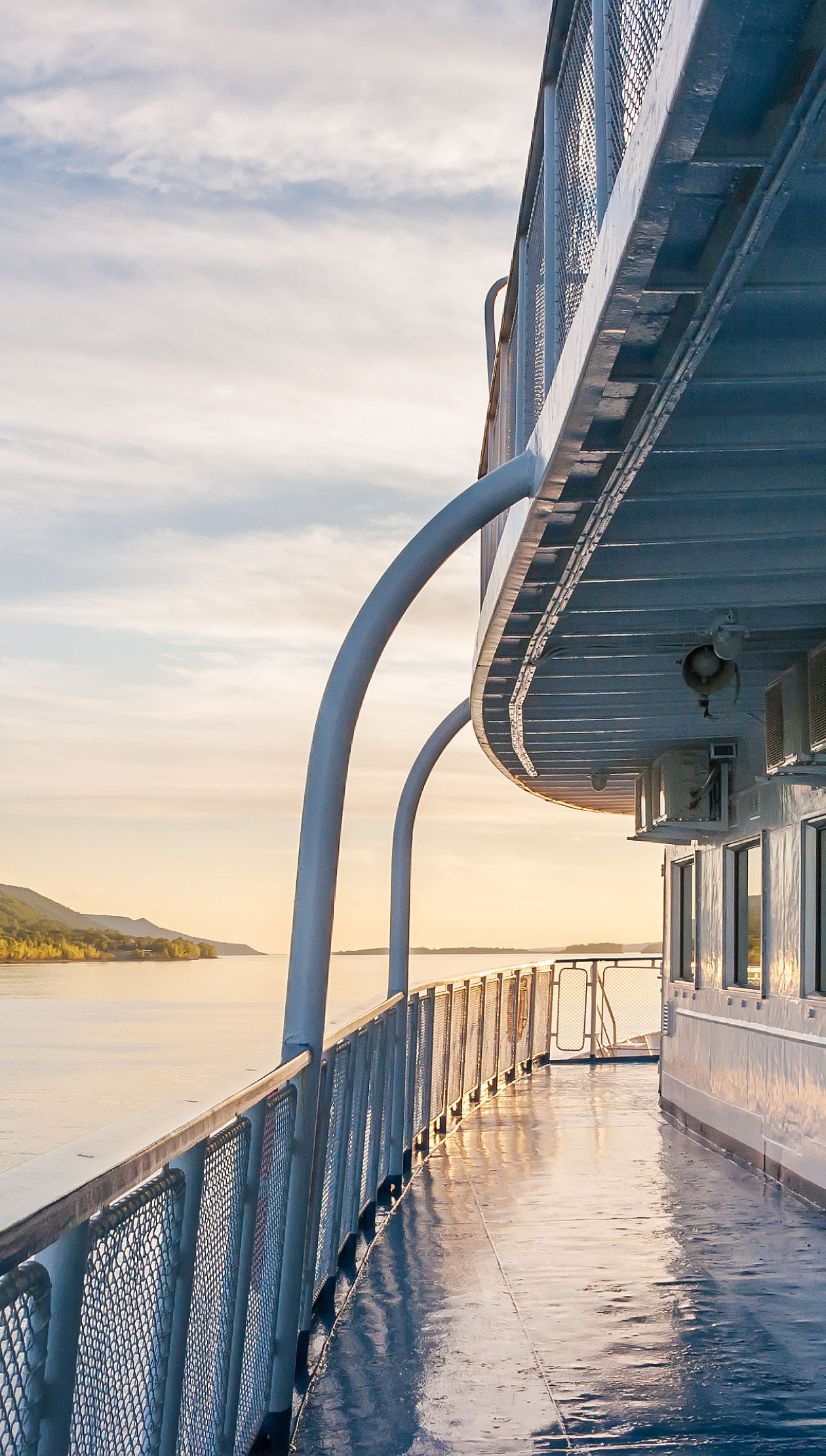
Most river cruises in Groningen are operated by small to mid-sized ships, typically carrying between 40 and 140 guests. These intimate vessels are designed to navigate narrow canals and shallow rivers, offering a cozy and personalized atmosphere. Expect panoramic lounges, sundecks for open-air views, and quiet corners for reading or journaling. The ambiance is relaxed, with a focus on scenery and cultural immersion rather than on-board entertainment.
Cuisine and Wine
Dining is a highlight of the journey. Chefs craft seasonal menus that reflect the regional bounty, featuring dishes such as pickled herring starters, locally raised lamb, fresh North Sea cod, and hearty Dutch stews. Onboard wine lists often feature crisp Dutch whites and German Rieslings from the nearby Moselle. Special evenings may include “Captain’s Dinners,” cheese and beer pairings, or themed buffets showcasing Dutch-Indonesian fusion dishes.
Excursions and Enrichment
Daily excursions include a blend of walking tours, bike rides, museum visits, and countryside outings. Onboard, enrichment is offered through guest lecturers, cooking demonstrations, and local musicians. Many ships provide bicycles for independent exploration at each port. Whether you're strolling the Groningen canals with a guide or paddling through the Reitdiep wetlands in a canoe, there's an excursion for every interest and energy level.
Something for Everyone
- Couples: Romantic cabins, wine tastings, and scenic deck views make this ideal for partners seeking slow travel and cultural depth.
- Solo Travelers: Small ships foster camaraderie, with communal meals, small-group tours, and inclusive programming.
- Luxury Seekers: High-end vessels offer suites with balconies, curated menus, concierge services, and spa treatments.
- Families: Some itineraries welcome multigenerational travel, offering flexible cabins, child-friendly menus, and family-focused excursions such as castle visits and cheese farms.
Discover the Northern Soul of the Netherlands
“In Groningen, the rhythm of the river is the rhythm of life.” Whether you’re sipping wine as the sun sets over Appingedam’s hanging kitchens, listening to the windmill blades turn in Winschoten, or walking hand-in-hand through Groningen’s illuminated canals, a river cruise here is more than a journey—it’s a return to wonder, where water connects not just towns, but hearts and histories.