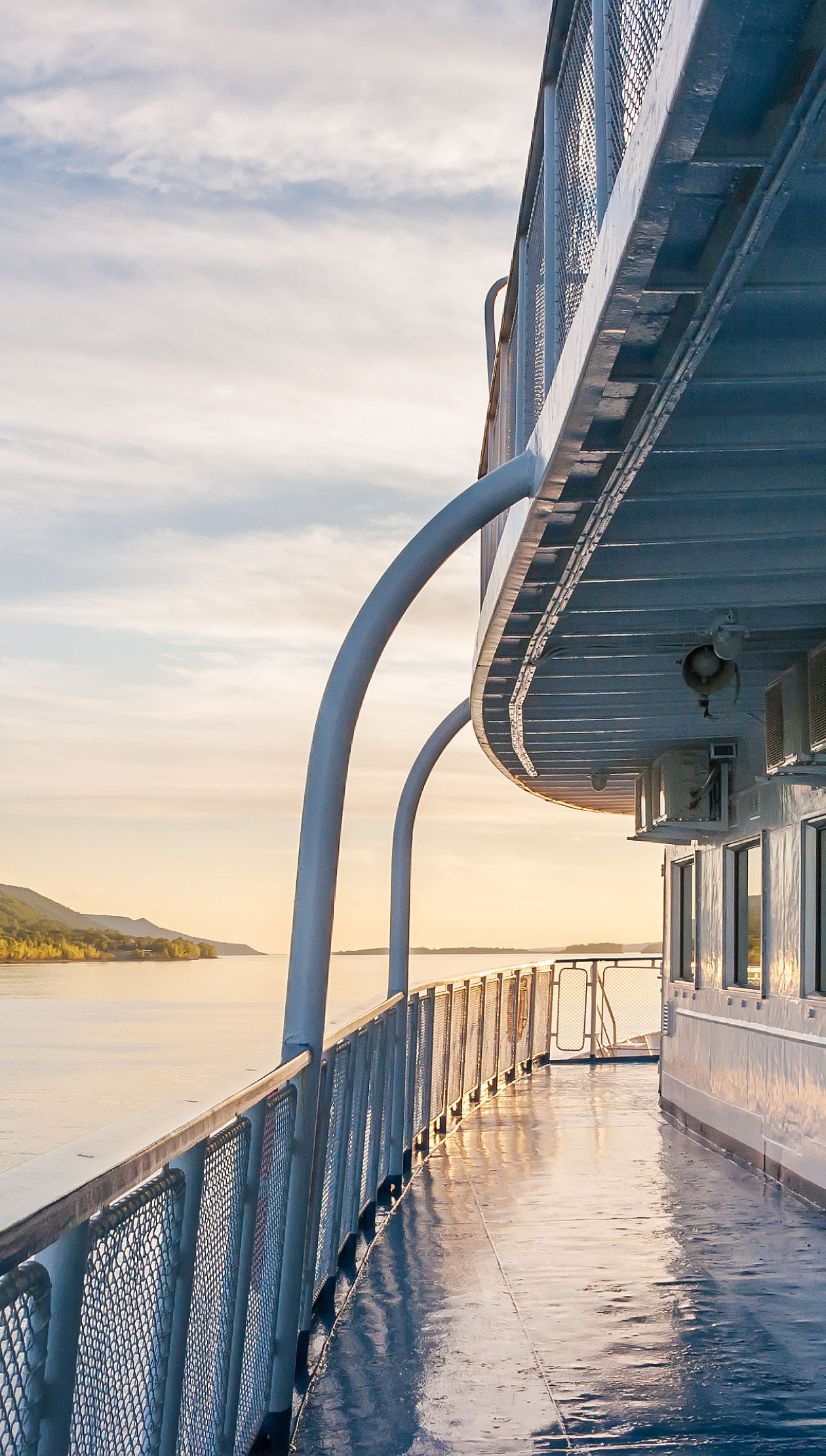
Porto & the Douro – An Unforgettable River Cruise Through Wine Country
The city’s historic core, a UNESCO World Heritage Site, serves as both the gateway to the Douro River and an irresistible prelude to the adventures beyond. Here, bridges span centuries—from the ironwork grace of Dom Luís I to sleek modern arcs—linking Porto to Vila Nova de Gaia, where the famous port wine lodges have aged vintages since the 17th century. Step aboard in Porto, and your voyage will carry you upriver through landscapes where rugged gorges soften into rolling hills lined with vines, and where each riverside town tells its own story.
From the lively quays of Ribeira to the tranquil shores of remote villages, cruising from Porto is an immersion in authenticity. Savor regional dishes paired with velvety tawny ports, wander through medieval alleyways in sun-drenched towns, and stand before prehistoric rock art in secluded valleys. The Douro River is more than a scenic route—it is the lifeline of a culture, the keeper of ancient traditions, and the stage for a river journey unlike any other in Europe.
The Douro River – Portugal’s Golden Waterway
The Douro River, whose name means “golden” in Portuguese, flows 897 kilometers from Spain’s Soria province to the Atlantic Ocean in Porto. Known for its dramatic gorges, fertile slopes, and sun-drenched vineyards, the Douro is the oldest demarcated wine region in the world. River cruises here reveal landscapes untouched by mass tourism, weaving together rural charm, rich history, and culinary excellence.
Barca d'Alva
Nestled near the Spanish border, Barca d’Alva is a serene village surrounded by almond groves and olive trees. For cruisers, it marks the gateway to the Douro International Natural Park, a sanctuary for rare birds and wild cliffs. In spring, the landscape blooms in white and pink, and in autumn, golden vineyards frame the river. Excursions here often include wine tastings in remote quintas, walks through orchards, and scenic drives to the nearby medieval town of Figueira de Castelo Rodrigo.
Douro Marina
Located at the mouth of the Douro in Vila Nova de Gaia, Douro Marina offers a cosmopolitan prelude to rural adventures upriver. Its modern facilities and stylish restaurants blend seamlessly with views of Porto’s colorful skyline. Many luxury cruises begin here, offering guests a chance to enjoy waterside dining, sunset cocktails, and strolls along the scenic Atlantic promenade before embarking inland.
Foz Côa
Known worldwide for the Côa Valley Archaeological Park, Foz Côa is home to prehistoric rock engravings dating back over 20,000 years. These open-air galleries, carved into schist cliffs, are a UNESCO World Heritage treasure. River cruise excursions often pair guided visits to the archaeological sites with tastings of local olive oil and wines from boutique vineyards.
Lamego
Lamego dazzles with baroque architecture and religious heritage. The grand staircase leading to the Sanctuary of Our Lady of Remedies is an icon of the city. Visitors can also explore its Gothic cathedral, Renaissance fountains, and bustling markets. Culinary highlights include bola de Lamego (a savory smoked ham bread) and sparkling wines produced in the surrounding hills.
Peso da Régua
Often called the “capital of the Douro,” Peso da Régua is the epicenter of the port wine trade. From here, barrels were historically shipped downstream to Porto. The Museu do Douro offers insights into the region’s viticulture, while nearby wineries welcome visitors for tastings paired with sweeping vineyard views.
Pinhão
Perhaps the most picturesque village along the Douro, Pinhão is framed by terraced vineyards and dominated by its charming tiled railway station. Cruises often dock here for wine estate visits, picnics among the vines, and boat trips in traditional rabelo boats once used to transport wine casks.
Pocinho
Pocinho is the launching point for trips into the Côa Valley and the rugged upper Douro. The surrounding landscapes are wilder, with dramatic cliffs and a sense of remoteness that contrasts with the gentler slopes further west.
Vila Nova de Gaia
Just across the river from Porto, Vila Nova de Gaia is home to the port wine lodges that have made the region famous. Guided tours reveal the history of port production, from grape to glass, and end with tastings in atmospheric cellars. The Gaia riverside promenade offers spectacular views of Porto’s skyline.
River Cruise Itineraries from Porto
Short Journeys (3–5 Days)
Short cruises from Porto are ideal for travelers seeking a taste of the Douro without committing to a long voyage. These itineraries often include Porto, Régua, and Pinhão, offering vineyard visits, wine tastings, and cultural excursions. A sunset sail beneath the Dom Luís I Bridge is a highlight, capturing Porto in golden light.
Medium-Length Voyages (6–9 Days)
Medium itineraries allow for a deeper exploration of the Douro Valley. Expect visits to Lamego, Foz Côa, and Barca d’Alva, along with immersive experiences like olive oil tastings, traditional fado performances, and guided hikes through vineyard terraces. The pace is relaxed, with ample time for onboard leisure.
Long Cruises (10+ Days)
Extended voyages combine the Douro with land extensions or connections to other Portuguese and Spanish destinations. Guests might travel from Porto to Salamanca, Spain, visiting medieval cities, UNESCO heritage sites, and national parks. These itineraries suit travelers wanting a complete cultural immersion.
Special Interest Cruises
- Wine Cruises: Celebrate the Douro’s legacy with onboard sommeliers, exclusive vineyard dinners, and harvest participation experiences.
- Art & History Cruises: Explore Roman ruins, baroque churches, and prehistoric rock art with expert guides.
- Christmas Market Cruises: Sail in December to enjoy Porto’s festive lights, artisanal markets, and seasonal cuisine.
- Culinary Tours: Discover Portuguese gastronomy through cooking classes, market visits, and food-pairing events.
Life Onboard – Douro River Cruise Ships
Ship Sizes and Ambiance
Douro river cruise vessels are designed for intimacy, often accommodating between 50 and 150 guests. Their shallow draft allows navigation through the river’s locks and scenic stretches. Interiors blend modern comfort with Portuguese charm—think panoramic lounges, sun decks with plunge pools, and observation lounges ideal for photography.
Cuisine and Wine
Dining onboard celebrates regional flavors: freshly baked broa bread, grilled sardines, hearty stews, and desserts like pastel de nata. Wines flow freely, from crisp Vinho Verde to aged tawny ports. Many cruises feature onboard chefs who source ingredients locally at each stop.
Excursions and Enrichment
Daily excursions might include guided walks through medieval towns, visits to UNESCO sites, and rides on vintage trains. Onboard enrichment often features fado concerts, port wine lectures, and demonstrations of traditional crafts like azulejo tile painting.
Something for Everyone
- Couples: Romantic dinners on deck, sunset sails, and vineyard picnics.
- Families: Educational excursions, relaxed pace, and cultural workshops.
- Solo Travelers: Social lounges, small group tours, and optional single cabins.
- Luxury Seekers: Suites with private balconies, spa treatments, and personalized service.
Begin Your Porto River Cruise Adventure
“A Douro river cruise from Porto is more than a voyage—it’s an unfolding love letter to Portugal, written in the language of sunlit hills, the perfume of vineyards, and the timeless rhythm of the river’s flow.”
From Porto’s bustling quays to the tranquil reaches of the Douro’s upper valley, each day on the river offers a new scene, a new flavor, and a deeper connection to this extraordinary region. Whether you come for the wine, the history, or the sheer beauty of the landscapes, a Porto river cruise will leave you with memories as enduring as the city’s stone walls and as warm as the golden sunsets that bless the river each evening.