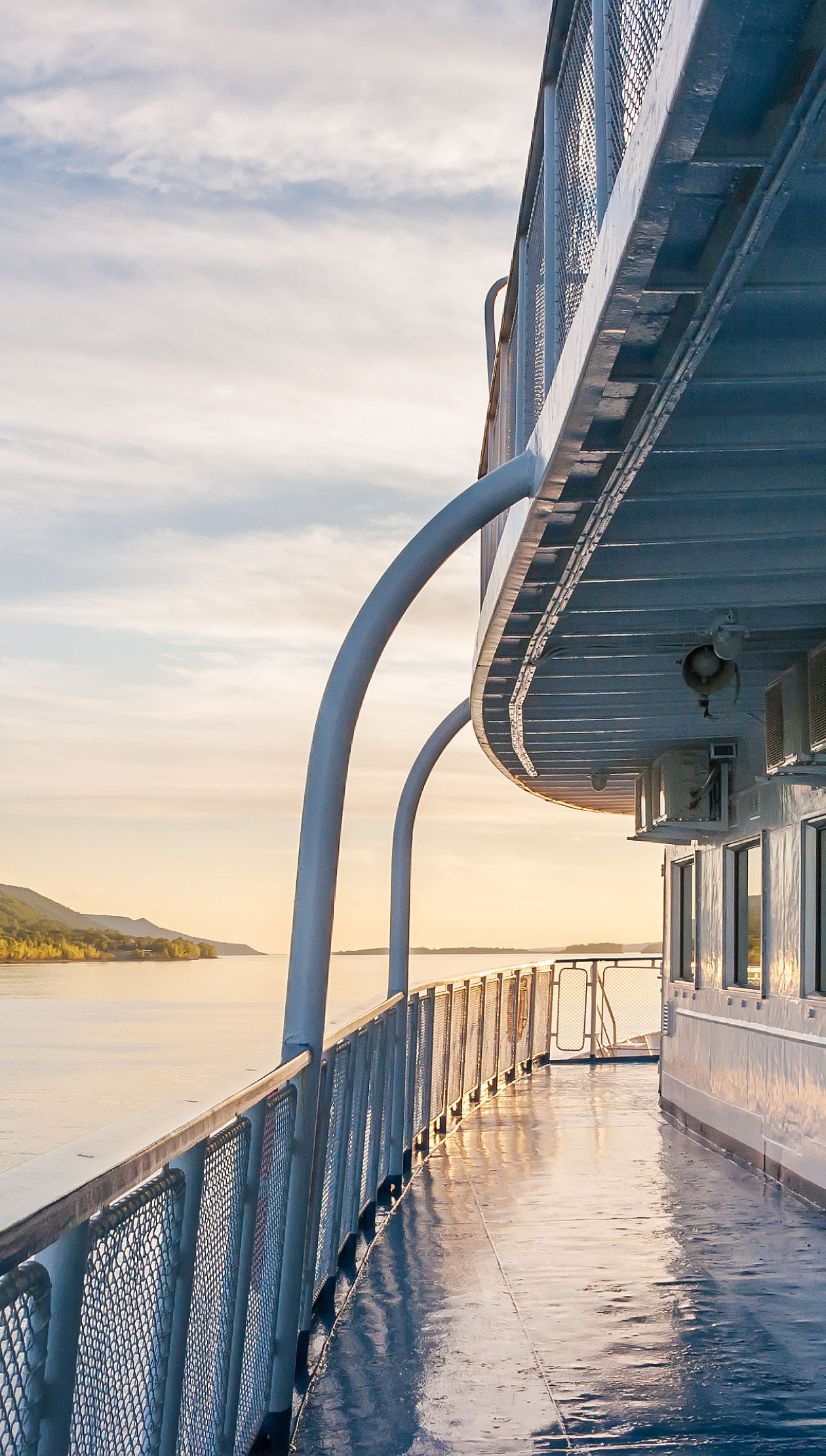
Unlike larger Danube ports, Vác rewards attention to detail. A morning ashore might begin with the sound of bells drifting across a town square, continue through narrow streets lined with baroque architecture, and end beside the river as small boats move across the current. The appeal lies not in spectacle alone, but in atmosphere: the feeling of stepping into a place shaped by merchants, bishops, artists, and river travelers over centuries.
Vác is one of the Danube Bend's most appealing small cities, ideal for travelers who enjoy historic streets without the pace of a capital. Its riverside setting gives the town a natural elegance, while its old center reveals baroque buildings, churches, and quiet squares. Guests may stroll along the waterfront, visit the cathedral area, explore local museums, or simply enjoy the slower rhythm of a Hungarian river town.
For cruise passengers, Vác offers an excellent balance of culture, walkability, and scenery. It is compact enough to explore comfortably during a half-day call, yet rich enough to feel distinct from other Danube destinations. The town works especially well for travelers interested in architecture, photography, local life, and the quieter side of Hungary.
River cruises through Vác often form part of broader Danube River cruise itineraries linking Budapest, Szentendre, Visegrád, Esztergom, Komárom, Kalocsa, and Mohács. Together, these destinations reveal Hungary as a country of fortress hills, wine regions, folk traditions, thermal waters, and riverside towns where Central European history feels close enough to touch.
River Cruises Through Vác and the Danube Bend
The Danube River
The Danube is the defining presence of Vác. Flowing past the town on its long journey from Central Europe toward the Black Sea, the river creates both a natural corridor and a cultural stage. On a cruise, the approach to Vác is especially atmospheric: wooded banks, distant church towers, and the quiet rhythm of the water set the scene before guests step ashore.
This section of the Danube is known for its blend of scenery and history. North of Budapest, the river enters the Danube Bend, a region of hilltop castles, ecclesiastical landmarks, artists' towns, and former royal strongholds. Cruises here often combine panoramic sailing with guided walks, tastings, and excursions that reveal Hungary's layered identity.
Budapest
Many river cruises featuring Vác begin or end in Budapest, one of the great capitals of the Danube. The river divides the hilly western side from the grand boulevards and parliament-lined riverfront on the eastern bank, creating one of Europe's most memorable urban panoramas.
Guests can expect guided tours of castle districts, market halls, bridges, thermal bath culture, and riverside monuments. Sailing into or out of Budapest at night is often a highlight, with illuminated buildings mirrored in the water. For many travelers, the capital provides the dramatic opening chapter before the cruise moves into the gentler landscapes of the Danube Bend.
Szentendre
Szentendre is a favorite stop on the Danube Bend, known for its colorful streets, galleries, craft shops, and a relaxed artistic spirit. Its compact old town invites leisurely wandering, with cobbled lanes leading to small churches, courtyards, museums, and river views.
On a river cruise itinerary, Szentendre adds a strong cultural note. Guests may browse ceramics, textiles, and local artwork, or join a guided walk focusing on the town's multicultural past. Its atmosphere contrasts beautifully with Vác: both are intimate riverside towns, but Szentendre feels more bohemian, while Vác is more quietly architectural and civic in character.
Visegrád
Visegrád brings drama to the Danube Bend. Its hilltop fortress watches over one of the river's most scenic curves, offering sweeping views across forested slopes and silver water. For many travelers, this is where the landscape becomes truly cinematic.
Excursions often focus on medieval history, royal legends, and panoramic viewpoints. The ascent to the castle area rewards guests with one of the finest perspectives in Hungary. From the deck of a river ship, Visegrad is equally compelling, especially when the fortress appears above the trees as the vessel rounds the bend.
Esztergom
Esztergom is one of Hungary's most important historic and religious centers, crowned by a monumental basilica overlooking the Danube. Its skyline is instantly recognizable from the water, where the great dome rises above the riverbank, signaling the town's spiritual importance.
For cruise guests, Esztergom offers a powerful combination of architecture, national history, and river scenery. Shore excursions may include the basilica, historic streets, museums, and riverfront viewpoints. Together with Vác, Szentendre, and Visegrad, Esztergom helps define the Danube Bend as one of the most culturally rewarding stretches of the Hungarian Danube.
Komárom
Komárom lies farther west along the Danube and is often associated with fortifications, borderland history, and the river's strategic importance. Its location reflects the Danube's role not only as a scenic waterway, but also as a frontier, trade route, and defensive line.
Travelers interested in military history and Central European geopolitics will find Komárom especially engaging. Depending on the itinerary, excursions may highlight fortress architecture, riverside heritage, and the shifting identities of towns along the Danube corridor.
Kalocsa
Kalocsa introduces a different dimension of Hungary: folk art, paprika traditions, embroidery, and rural culture. While not always experienced from the same intimate Danube Bend perspective as Vác, it is a memorable stop on longer Danube cruises in Hungary.
Guests may encounter colorful local design, regional food traditions, and excursions into the surrounding countryside. Kalocsa works particularly well on culinary and cultural itineraries, offering a vivid contrast to cathedral towns and fortress landscapes farther north.
Mohács
Mohács lies in southern Hungary and often appears on longer Danube itineraries that continue toward Croatia, Serbia, or the wider Balkans. The town is associated with important historical events, riverside traditions, and regional culture shaped by centuries of movement along the Danube.
For cruise travelers, Mohács can be a gateway to wine regions, folk heritage, and cross-border Danube journeys. It broadens the experience beyond the Danube Bend, showing how the river connects Hungary to a much larger cultural and geographic world.
Unique Aspects of Cruising the Danube Near Vác
The Danube around Vác is especially rewarding because it combines soft natural beauty with dense cultural history. In a single journey, guests can move from Budapest's grand riverfront to the quiet elegance of Vác, the artistic lanes of Szentendre, the fortress views of Visegrad, and the basilica skyline of Esztergom.
The scenery changes gradually rather than abruptly. Low hills gather around the water, islands and wooded banks appear, and towns reveal themselves through church towers, castle ruins, and old riverside streets. This is river cruising at its most contemplative: less about rushing between monuments and more about seeing how landscape, architecture, and daily life belong to one another.
Cuisine adds another layer. Hungarian river cruise itineraries may include paprika-rich dishes, regional pastries, local wines, market visits, and onboard tastings inspired by the route. Around Vác and the Danube Bend, meals often feel connected to place: generous, seasonal, and shaped by both Central European and riverside traditions.
Themed and Length-Based Danube Itineraries Featuring Vác
Short Cruises: 3 to 5 Days
Short Danube cruises featuring Vác are ideal for travelers seeking a compact cultural escape. These itineraries often focus on Budapest and the Danube Bend, with time for scenic sailing, guided walks, and one or two carefully chosen shore excursions.
A typical short journey might begin in Budapest, sail north toward Vác, continue to Szentendre or Visegrád, and include time for riverfront walks, castle viewpoints, and local tastings. The pace is easy, making these cruises well-suited to couples, first-time river cruisers, and travelers adding a brief cruise to a longer Central Europe trip.
Medium Cruises: 6 to 9 Days
Medium-length itineraries allow guests to experience Vác within a broader Danube story. These cruises may combine Hungary with Austria, Slovakia, or additional Hungarian ports, creating a richer sense of the river's cultural range.
Guests might enjoy Budapest's architecture, Vác's small-town atmosphere, Esztergom's monumental skyline, and the vineyard landscapes or imperial cities farther west. With more time onboard, the journey becomes less compressed, allowing for afternoon sailing, evening lectures, regional dinners, and optional excursions tailored to history, food, music, or photography.
Long Cruises: 10 Days or More
Long Danube cruises give Vác a place within one of Europe's great river narratives. These itineraries may connect Hungary with Austria, Germany, Slovakia, Croatia, Serbia, or Romania, following the Danube from imperial capitals to rural plains and dramatic gorges.
For travelers who want depth, a longer cruise offers the most rewarding context. Vác becomes one chapter in a journey that may include Budapest, Vienna, Bratislava, Kalocsa, Mohács, and beyond. The experience is immersive and varied, blending major cities with smaller ports where the river feels more personal and immediate.
Special Interest Cruises
- Wine cruises may pair Hungarian varietals with regional cuisine, while culinary tours can include market visits, paprika traditions, pastries, and onboard demonstrations.
- Art and history cruises may focus on baroque architecture, medieval fortresses, religious landmarks, and the shifting borders of Central Europe.
- Christmas market cruises bring a different mood, with winter light on the river, festive streets in Budapest, and seasonal flavors onboard.
- Photography-focused travelers will appreciate the Danube Bend's changing light, especially in the early morning or late afternoon, when the hills, river, and church towers create layered compositions from the deck.
The Onboard Experience on Vác River Cruises
Ship Sizes and Ambiance
Danube river cruise ships are typically smaller and more intimate than ocean vessels, designed for close-up access to historic towns and scenic riverbanks. The atmosphere is relaxed, social, and destination-focused, with lounges, open decks, dining rooms, and cabins arranged to keep the river in view.
Rather than large-scale entertainment, the emphasis is on conversation, scenery, and cultural immersion. Guests spend time watching the banks drift past, listening to enrichment talks, joining excursions, and returning onboard for meals that reflect the route.
Cuisine and Wine
Food is an important part of the Vác river cruise experience. Onboard menus may draw inspiration from Hungarian and Central European cooking, with hearty soups, roasted meats, river fish, seasonal vegetables, pastries, and regional wines. Tastings can introduce guests to local grapes, sweet wines, or reds from celebrated Hungarian wine areas.
The best meals feel connected to the itinerary. After a day exploring the Danube Bend, dinner might echo the flavors encountered ashore, creating a satisfying bridge between sightseeing and the pleasures of slow travel.
Excursions and Enrichment
Excursions around Vác and the Danube Bend often include guided walks, cathedral visits, fortress viewpoints, museum stops, artisan encounters, and culinary experiences. Enrichment programs may cover Hungarian history, river navigation, architecture, folk traditions, or the wider cultural geography of the Danube.
This style of travel appeals to curious guests who want context as much as scenery. A good guide can transform a riverside square, church facade, or castle ruin into a story of trade, faith, power, and daily life.
Something for Everyone
- Couples appreciate the romantic pace and historic settings.
- Solo travelers benefit from the social ease of small ships and guided excursions.
- Families with older children may enjoy castles, river scenery, and compact walking tours.
- Luxury travelers can choose premium vessels with refined dining, spacious cabins, and curated experiences.
The destination is especially strong for travelers who prefer depth over spectacle. Vác is not about rushing through a checklist. It is about slowing down, noticing details, and letting the Danube reveal Hungary through its towns, landscapes, and traditions.
Choosing a River Cruise Through Vác
A river cruise through Vác offers one of the most graceful ways to experience Hungary. It places guests directly on the Danube, close to the landscapes that shaped the region and within easy reach of towns that preserve centuries of history. The journey combines Budapest's grandeur with the quieter poetry of the Danube Bend, creating an itinerary rich in contrast and atmosphere.
To cruise through Vác is to see the Danube at human scale: a river of bells and bridges, fortress hills and baroque streets, morning mist and golden evening light. It is Hungary not only as a destination, but as a living landscape carried gently past your window.