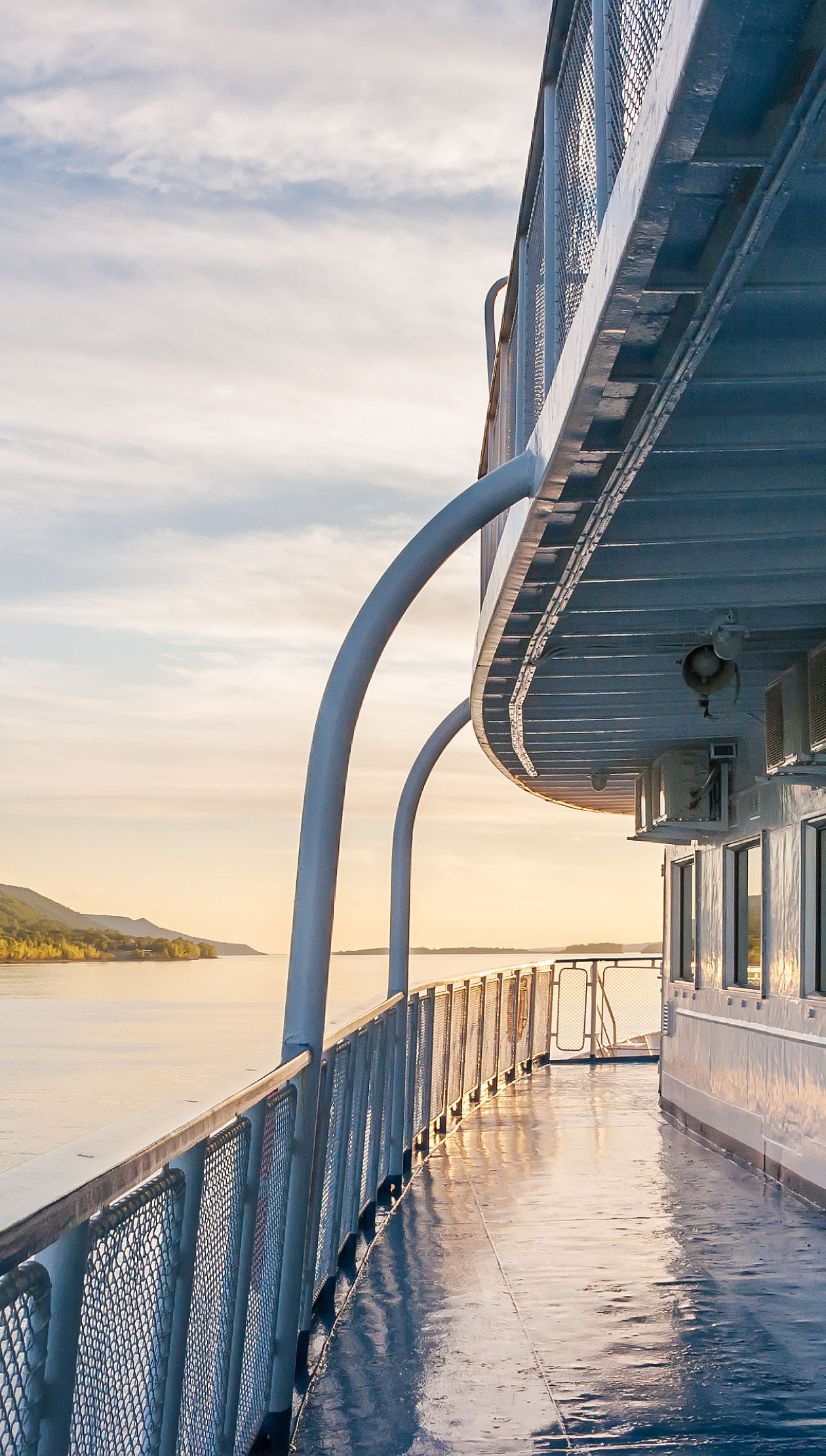
Straubing is not a destination of loud spectacle, but of atmosphere. Its historic center is marked by colorful facades, graceful squares, and the tall city tower that rises above the rooftops, serving as a landmark for river travelers. The surrounding countryside feels especially vivid from the water: fields of grain and hops, distant Bavarian hills, quiet villages, and nature reserves where the river still moves with an ancient rhythm.
Straubing itself is a rewarding stop for guests who enjoy authentic regional culture. The town’s broad market square, historic towers, churches, and museums speak to its long history as a trading center on the Danube. A walking tour may reveal merchant houses, ornate facades, and stories of Bavaria’s medieval past, while local restaurants introduce travelers to hearty regional dishes, river fish, seasonal produce, and traditional baked goods.
For guests joining or passing through on a Danube River cruise, Straubing offers a beautifully balanced experience: cultural depth without overwhelming crowds, regional cuisine rooted in local farms and breweries, and easy connections to some of Germany’s most celebrated river cruise towns. It is a place where history, nature, and slow travel come together in a way that feels both intimate and expansive.
Cruising the Danube Through Straubing
The Danube River is one of Europe’s great cultural corridors, linking Germany with Austria, Hungary, Serbia, Romania, and beyond. Around Straubing, the river has a distinctly Bavarian character: calm, pastoral, and deeply connected to trade, faith, farming, and medieval town life. Cruises along this stretch often combine historic cities, baroque churches, vineyard landscapes, and quiet riverside communities into one seamless journey.
Regensburg
Upstream from Straubing, Regensburg is one of the great highlights of Danube cruising in Germany. Its preserved medieval core, stone bridge, cathedral, and narrow lanes create a powerful sense of continuity. River cruise guests often spend time exploring the old town on foot, discovering Roman traces, noble houses, riverside beer gardens, and panoramic views across the Danube.
Passau
Downstream, Passau is famous for its dramatic setting at the meeting of three rivers. Pastel facades climb the hillsides, church domes crown the skyline, and the old town feels shaped by water on every side. For many Danube itineraries, Passau serves as a gateway between Germany and Austria, offering both architectural beauty and a strong sense of river history.
Wurzburg
Although Wurzburg lies on the Main River rather than the Danube, it is often part of longer German river cruise journeys that connect multiple waterways. Known for its palace architecture, vineyards, and wine culture, Wurzburg adds a rich Franconian dimension to extended itineraries. Guests can explore grand interiors, hillside views, and wine cellars that reveal another side of southern Germany’s river heritage.
Bamberg
Bamberg is another treasure of longer Danube, Main, and canal-linked journeys. Its old town, bridges, river channels, and distinctive brewing traditions make it a favorite for culturally curious travelers. The setting is especially atmospheric when explored on foot, with half-timbered houses, church towers, and waterside lanes creating a storybook sense of place.
Miltenberg
Miltenberg, set on the Main River, is prized for its half-timbered houses, compact old town, and wooded hillsides. On extended river cruises through Germany, it offers the kind of intimate port experience many travelers seek: leisurely strolls, local wine, artisan shops, and a strong connection between river trade and town life.
Wertheim
Wertheim lies where the Main and Tauber rivers meet, watched over by castle ruins and surrounded by gentle hills. It is a natural fit for guests interested in medieval towns, glassmaking traditions, and scenic river valleys. Combined with Straubing and the Danube, Wertheim helps create a fuller picture of Germany’s inland waterways.
Cochem
Cochem sits along the Moselle, a river famed for steep vineyards, castle views, and winding valley scenery. While not on the Danube, it may appear on broader European river cruise programs that link Germany’s most scenic waterways. Its romantic hilltop castle, wine estates, and intimate river bends offer a very different mood from the broad Bavarian Danube near Straubing.
What Makes the Straubing Danube Experience Unique
River cruising near Straubing is defined by slow beauty, regional character, and cultural access. The Danube here is less theatrical than the gorge landscapes farther downstream, yet its appeal lies in subtle changes: the morning mist over open fields, the glow of church towers at sunset, the measured passage of locks and bridges, and the sense that the river has always been part of everyday life.
The region's culinary identity is another major pleasure. Guests can expect menus inspired by Bavaria’s farms, forests, bakeries, breweries, and river traditions. Depending on the itinerary, shore excursions may include tastings, market visits, historic inns, seasonal specialties, and relaxed meals that reflect the agricultural richness of the Danube plain.
Themed and Length-Based Straubing Itineraries
Short River Cruises: 3 to 5 Days
Short itineraries are ideal for travelers who want a concentrated taste of the Bavarian Danube. A 3 to 5-day route might focus on Straubing, Regensburg, Deggendorf, and Passau, combining medieval streets, riverside walks, local cuisine, and scenic cruising. These shorter journeys suit couples, first-time river cruisers, and travelers adding a cruise segment to a wider Germany itinerary.
Highlights may include a guided walk through Straubing’s old town, a visit to the cathedral in Regensburg, a relaxed afternoon on the sundeck as the Danube winds through open countryside, and an evening arrival in Passau beneath glowing hillside lights.
Medium River Cruises: 6 to 9 Days
Medium-length cruises allow guests to experience Straubing as part of a broader Danube journey. These itineraries may begin in southern Germany and continue into Austria, pairing Bavarian towns with elegant cities, abbeys, vineyard valleys, and historic capitals. Travelers can enjoy a deeper rhythm: morning excursions, afternoon sailing, regional dinners, and evenings spent watching town lights appear along the riverbanks.
For guests who want both cultural immersion and relaxation, this length offers a satisfying balance. There is time to appreciate Straubing’s quieter charms while also visiting larger ports such as Regensburg and Passau, with possible onward connections toward Vienna or other Danube landmarks.
Long River Cruises: 10 Days or More
Longer river cruises place Straubing within the grand sweep of Central European river travel. These journeys may combine the Danube with the Main, the Main-Danube Canal, or even the Rhine and Moselle, creating a route that links Bavaria with Franconia, the Rhine Valley, and wine-growing regions farther west.
A 10-day or longer itinerary might include Straubing, Regensburg, Passau, Bamberg, Wurzburg, Miltenberg, Wertheim, and Cochem. This style of cruise is ideal for travelers who want Germany in depth: baroque palaces, medieval squares, vineyard slopes, castle silhouettes, river locks, and the changing personality of each waterway.
Wine Cruises
Although Straubing itself is more closely associated with Bavarian food and beer traditions than wine, it pairs beautifully with itineraries that continue toward Franconia, the Main River, or the Moselle. Wine-themed cruises may include vineyard walks near Wurzburg, tastings in historic cellars, and onboard dinners designed around regional pairings. The contrast between Bavaria’s hearty river cuisine and Franconia’s elegant wines creates a rich culinary arc.
Art and History Cruises
Art and history itineraries are especially rewarding along the Danube. Straubing introduces guests to medieval Bavaria, while Regensburg brings Roman, Gothic, and merchant history into sharp focus. Passau adds baroque architecture and riverfront drama. Longer journeys may include palaces, monasteries, old trading towns, and specialist lectures that connect architecture, religion, trade, and the evolution of Europe’s river cities.
Christmas Market Cruises
In winter, Straubing and nearby Bavarian towns take on a festive glow. Christmas market cruises may feature decorated squares, handmade ornaments, warm seasonal drinks, spiced pastries, candlelit churches, and evening strolls beneath strings of lights. Regensburg and Passau are particularly atmospheric during the festive season, while Straubing offers a more intimate, local version of Bavarian winter charm.
Culinary Tours
Culinary-focused cruises near Straubing celebrate regional identity through food. Guests might sample Bavarian sausages, roasted meats, dumplings, river fish, farmhouse cheeses, fresh bread, beer, and seasonal desserts. Onboard menus often reflect the ports visited, while excursions may include market halls, breweries, family-run inns, or cooking demonstrations that bring local flavors into context.
Onboard Experience on Straubing River Cruises
Ship Sizes and Ambiance
River cruise ships on the Danube are typically smaller and more intimate than ocean vessels, often carrying around 100 to 200 guests. The atmosphere is relaxed, social, and scenic, with lounges, open decks, panoramic windows, and dining rooms designed to take in the changing river views. The ship's scale allows travelers to dock near historic centers and enjoy a strong sense of connection with each destination.
Cuisine and Wine
Dining is a major part of the experience. Menus may blend international comfort with regional specialties inspired by Bavaria, Austria, Franconia, and the broader Danube corridor. Guests can expect fresh breads, soups, roasted meats, fish, seasonal vegetables, pastries, local beers, and wines from nearby river regions. Special dinners often reflect the day’s port, turning each meal into a continuation of the journey ashore.
Excursions and Enrichment
Excursions on Straubing river cruises usually emphasize history, architecture, cuisine, and local life. Guided walking tours, museum visits, cathedral tours, tastings, nature walks, and scenic drives may all be included depending on the itinerary. Onboard enrichment can include destination talks, cultural lectures, music performances, cooking demonstrations, and informal briefings that help guests understand the landscapes they are passing through.
Something for Everyone
- Couples are drawn to the romance of slow travel, candlelit towns, and scenic dining.
- Solo travelers often appreciate the secure, sociable environment of small ships and the organized excursions they offer.
- Families with older children may enjoy the history, castles, and the ease of logistics of river cruising.
- Luxury travelers can choose premium ships with spacious suites, fine dining, curated excursions, and personalized service.
Planning a Straubing River Cruise
When choosing a Straubing river cruise, consider whether you want a focused Danube itinerary or a longer journey connecting several waterways. Shorter cruises offer a close look at Bavaria’s river culture, while extended routes create a broader portrait of Germany and Central Europe. Travelers interested in history should prioritize Regensburg and Passau, while those drawn to wine and half-timbered towns may prefer itineraries that continue toward Wurzburg, Miltenberg, Wertheim, or Cochem.
Season also shapes the experience. Spring brings fresh green landscapes and mild touring weather. Summer offers long days on deck and lively town squares. Autumn is rich with harvest flavors, golden vineyards, and softer light along the river. Winter transforms the region into a festive route of Christmas markets, warm interiors, and atmospheric evening walks.
A river cruise through Straubing is a journey into the quieter heart of the Danube: a place of towers and river mist, market squares and meadowlands, generous tables and centuries-old stories. It invites travelers to slow down, look closely, and experience Bavaria not as a checklist of sights, but as a living landscape shaped by water, memory, and culture.