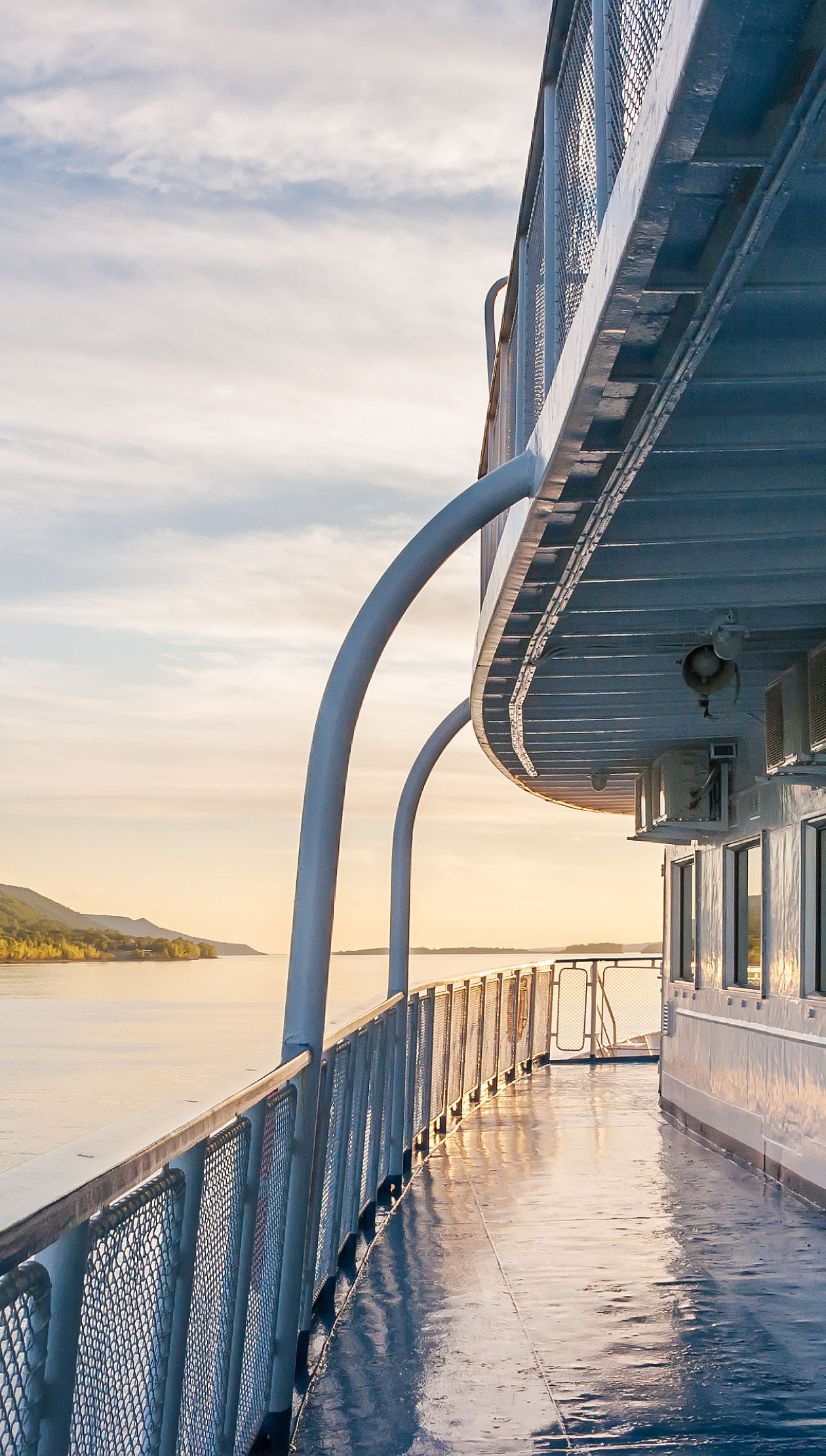
Morning brings a soft light across the Brahmaputra as fishing boats move between the channels and birds gather along exposed stretches of sand. By afternoon, the river reflects a changing sky while villages, farms, and wooded banks pass slowly beyond the observation deck. Dhubri is sometimes described as the gateway to western Assam, but from the water it feels more like a meeting point: India and Bangladesh, town and countryside, history and living tradition all come together along the river.
The cultural landscape is equally compelling. Dhubri contains Sikh, Hindu, Islamic, and regional heritage sites, reflecting centuries of movement along the Brahmaputra corridor. A cruise may combine visits to sacred buildings with local markets, rural communities, historic riverfronts, and craft centers. For travelers seeking a journey that feels intimate, authentic, and far removed from conventional sightseeing routes, river cruises in Dhubri offer a powerful introduction to the landscapes and communities of Lower Assam.
The Brahmaputra River Through Dhubri
The Brahmaputra River is one of Asia's great waterways, flowing from the highlands of Tibet through northeastern India before entering Bangladesh. In Assam, it becomes a vast, braided river system containing channels, islands, wetlands, fertile floodplains, and seasonal sandbanks. Near Dhubri, the Brahmaputra is both an international waterway and an essential part of daily life.
Cruising this stretch of the river differs from sailing along heavily developed European waterways. There are fewer monumental city skylines and more open horizons, working boats, agricultural landscapes, riverside settlements, and long periods of peaceful navigation. The scenery is constantly rearranged by water, creating a voyage that feels exploratory even when the ship is following an established route.
The most popular Brahmaputra cruising period generally falls between October and April, when conditions are usually more suitable for navigation and shore excursions. Exact routes remain dependent on river levels, weather, and local conditions. This flexibility is part of the experience: captains and expedition teams may adjust landings so guests can discover the most rewarding villages, wildlife areas, and cultural sites available during each sailing.
Dhubri Riverfront
Dhubri is one of the defining ports of the lower Brahmaputra. Arriving by ship provides a sense of the town's historic relationship with river transport and regional trade. Excursions may explore the waterfront, local neighborhoods, markets, and places of worship. The town's relatively compact scale allows visitors to move quickly from the broad riverbank into streets filled with commerce and community life.
Guru Tegh Bahadur Sahib Shrine
Situated close to the Brahmaputra, the Guru Tegh Bahadur Sahib Shrine is one of Dhubri's most important spiritual landmarks. Its riverside position makes it especially relevant to cruise visitors, connecting religious history with the movement of teachers, travelers, and communities along the water. Guests should dress respectfully, follow local guidance, and approach the site as an active place of worship rather than simply an architectural attraction.
Panchpeer Dargaha
Panchpeer Dargaha adds another layer to Dhubri's religious and cultural identity. Associated with five revered spiritual figures, the site reflects the diversity that has developed along this historic river corridor. A guided visit can introduce travelers to local stories, devotional traditions, and the ways in which different communities have shared the cultural landscape of western Assam.
Goalpara
Upstream from Dhubri, Goalpara offers a landscape of green riverbanks, low hills, agricultural communities, and sacred sites. The approach by water is particularly attractive, with the Brahmaputra opening into broad views that emphasize the scale of Lower Assam. Goalpara can serve as a cultural stop, an excursion point, or a scenic stage on longer journeys toward Guwahati.
Hajo
River cruises in Hajo introduce guests to one of Assam's most significant centers of shared religious heritage. Sacred places associated with several faiths stand among hills overlooking the surrounding plains. A cruise excursion may include guided visits to historic buildings, viewpoints, and local communities, creating an experience centered on architecture, spirituality, and cultural coexistence.
Sualkuchi
River cruises in Sualkuchi reveal a community celebrated for its handwoven silk. Visitors may enter family workshops, observe skilled artisans at traditional looms, and learn how patterns are developed through processes passed between generations. The experience provides a meaningful connection between the Brahmaputra landscape and the creative traditions sustained by riverside communities.
Guwahati
River cruises in Guwahati connect the quiet landscapes of Lower Assam with the region's largest urban center. Guwahati is a common embarkation or disembarkation point, offering temples, museums, markets, restaurants, and a lively riverfront. Sailing between Guwahati and Dhubri creates a varied itinerary that moves from city energy into open countryside and increasingly remote waterways.
Peacock Island
Located in the Brahmaputra at Guwahati, Peacock Island river cruises offer views of a compact wooded island rising from the water. The island is associated with an important temple and can be reached by small boat when conditions allow. It provides a striking contrast to the immense scale of the surrounding river and is especially memorable in the warm light of early morning or sunset.
Chilmari
Chilmari lies across the international border in Bangladesh and is an important stop on selected cross-country river itineraries. Ships may complete immigration and customs procedures here before continuing toward Dhubri. The passage demonstrates how the Brahmaputra and its connected waterways form a cultural and commercial corridor rather than a simple boundary between nations.
Antihara
Antihara appears on extended river journeys in India and Bangladesh that connect the Brahmaputra to waterways farther south. The surrounding scenery is dominated by fertile plains, working vessels, villages, and a dense network of river channels. For guests on a long expedition, Antihara helps place Dhubri within a much larger story of cross-border navigation and South Asian river culture.
Themed and Length-Based Dhubri River Cruise Itineraries
Short River Cruises of 3-5 Days
A short itinerary may focus on Dhubri, Goalpara, and nearby rural communities, allowing guests to experience the lower Brahmaputra without committing to a lengthy expedition. Highlights can include a guided Dhubri heritage tour, visits to riverside places of worship, walks through local markets, sunset navigation, and a landing near a farming or fishing settlement. These journeys suit travelers adding a river experience to a wider tour of Assam.
Medium River Cruises of 6-9 Days
Medium-length cruises provide enough time to connect Dhubri with Hajo, Sualkuchi, Peacock Island, and Guwahati. Guests may explore silk workshops, sacred architecture, village paths, and urban heritage while enjoying several full days of scenic navigation. The slower pace creates space for wildlife observation, photography, onboard lectures, and relaxed evenings beneath the open sky.
Long River Cruises of 10 Days or More
Long voyages can follow the Brahmaputra through a substantial section of Assam or continue across the border into Bangladesh. Some itineraries link Dhubri and Guwahati with destinations farther upstream, while major expeditions may combine the Brahmaputra with other South Asian river systems. Guests experience changing languages, cuisines, landscapes, and architectural traditions while remaining connected by the continuous presence of the river.
Special-Interest River Cruises
Heritage cruises emphasize Dhubri's religious landmarks, historic ports, and multicultural identity. Craft-focused journeys include textile demonstrations in Sualkuchi and meetings with local artisans. Culinary sailings explore regional fish, rice, vegetables, citrus, spices, and tea through market visits and cooking demonstrations. Nature and photography departures concentrate on river scenery, birdlife, changing sandbanks, and the golden light that spreads across the Brahmaputra at dawn and dusk.
Traditional wine cruises are less closely associated with Assam than they are with European river regions. However, selected vessels may offer Indian and international wines with dinner. Tea tastings, local ingredient presentations, and chef-led demonstrations provide a more authentic culinary theme for the Brahmaputra.
The Onboard Experience on a Dhubri River Cruise
Ship Sizes and Ambiance
Brahmaputra vessels are generally smaller and more intimate than large ocean ships. Their size allows them to navigate changing channels and reach landing points unavailable to conventional cruise liners. Interiors may combine regional decorative details with comfortable cabins, lounges, dining rooms, libraries, and open observation decks. The atmosphere is typically relaxed, sociable, and expedition-oriented.
Cuisine, Tea, and Wine
Meals often combine regional Indian cooking with familiar international dishes. Menus may feature freshwater fish, rice, lentils, seasonal vegetables, fragrant spices, fresh fruit, and locally grown tea. Vegetarian choices are usually available, while dietary requirements should be communicated before departure. Wine selections vary by vessel, with tea, coffee, soft drinks, and other refreshments commonly offered.
Excursions and Enrichment
Shore programs may include guided heritage walks, market visits, textile workshops, village encounters, temple visits, birdwatching, and small-boat exploration. Onboard enrichment can feature lectures on the geography of the Brahmaputra, Assam's history, regional religions, conservation, cuisine, and river navigation. Local musicians, artisans, or cultural specialists may also join the ship during selected departures.
Something for Everyone
- Couples can enjoy quiet deck time, sunset views, intimate dining, and culturally meaningful excursions.
- Solo travelers benefit from shared meals, small-group activities, and the welcoming atmosphere of an intimate vessel.
- Families can discover geography, wildlife, crafts, and history through engaging real-world experiences, although age requirements vary by ship.
- Luxury travelers can choose boutique vessels offering spacious cabins, attentive service, guided excursions, and carefully prepared meals.
- Photographers and cultural travelers gain access to remote landscapes, riverside communities, historic landmarks, and changing natural light.
A Journey Into the Living Heart of the Brahmaputra
A Dhubri river cruise is not defined by a single monument or excursion. Its power comes from the combination of immense landscapes, quiet observation, cultural exchange, and the knowledge that the river has connected communities for centuries. From the sacred riverfront of Dhubri to the workshops of Sualkuchi, the hills of Hajo, and the distant channels leading into Bangladesh, every stage adds depth to the journey.
To sail through Dhubri is to enter a world where the horizon is shaped by water, history travels with the current, and every riverbank offers another glimpse into the enduring spirit of the Brahmaputra.