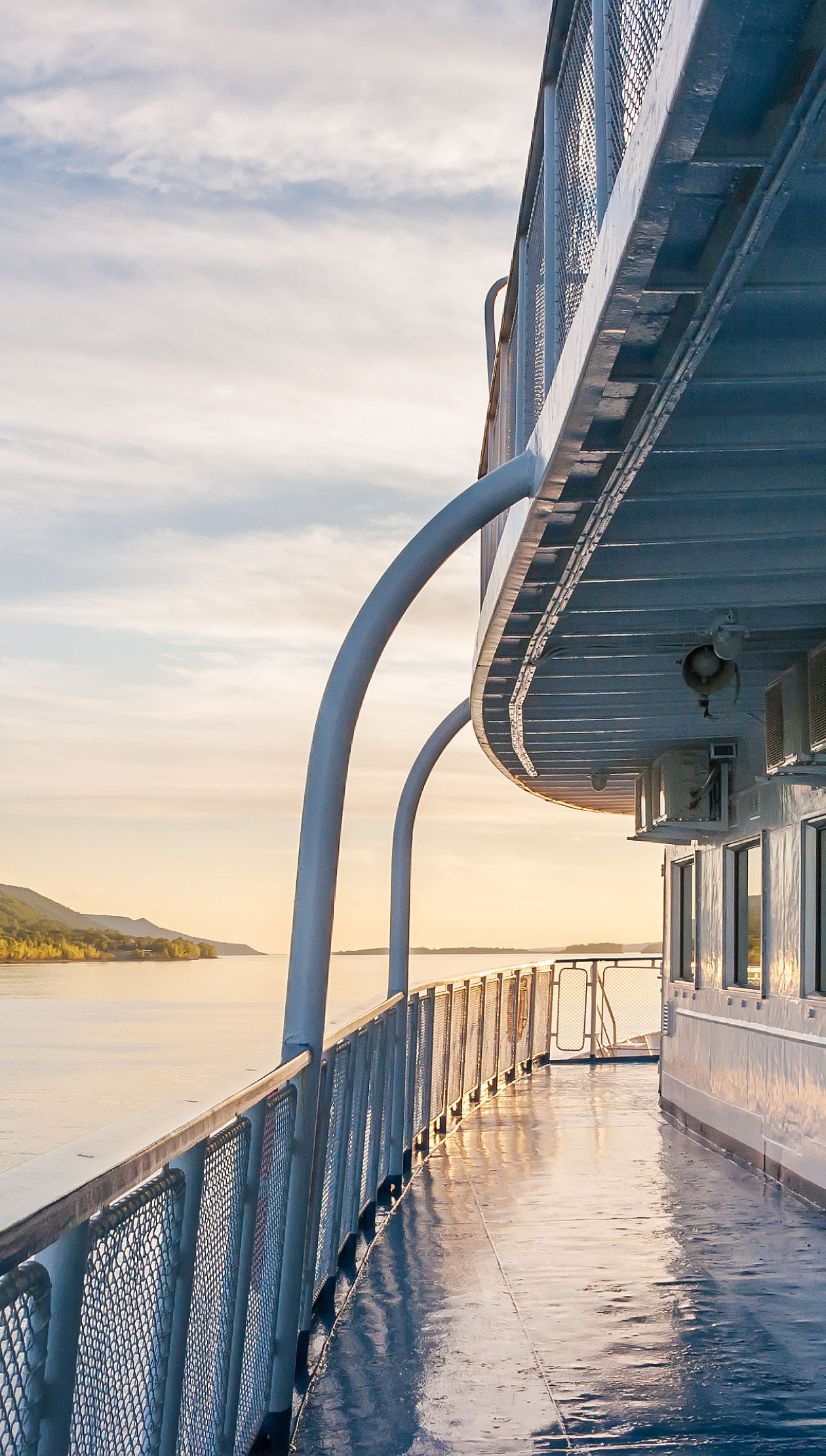
Chilmari lies in the Kurigram region of northern Bangladesh, close to the international river route connecting Bangladesh with Assam in India. Its identity has long been tied to the Brahmaputra. Once an important trading port, Chilmari still evokes the era when cargo vessels, passenger boats, farmers, and merchants depended on the river as their main road through the region.
For modern travelers, the appeal is intimate rather than monumental. A cruise through Chilmari reveals daily life along one of Asia's greatest waterways: cattle moving across seasonal islands, farmers tending riverside plots, children waving from the banks, and small markets gathering near landing places. Combined with the temples, towns, wildlife areas, and craft communities farther upstream, Chilmari offers a compelling gateway to a deeper Brahmaputra River cruise.
River Cruises in Chilmari
River cruises in Chilmari are expedition journeys through a living floodplain. The Brahmaputra is powerful, seasonal, and constantly changing. Channels widen or narrow, fresh sandbanks emerge, and the route can feel different from one voyage to the next. Unlike cruises centered on grand capitals, a Bangladesh river cruise through Chilmari focuses on open landscapes, community encounters, and rural life. Guests may travel aboard a shallow-draft vessel, stepping ashore by tender where fixed docks are limited. The result is immersive and deeply connected to the river.
Cruising the Brahmaputra From Chilmari
The Brahmaputra River begins high in the Himalayan region before flowing through northeastern India and into Bangladesh. Around Chilmari, it becomes an immense lowland waterway bordered by cultivated plains and temporary river islands. This section of the journey is defined by broad views, soft morning light, dramatic sunsets, and the quiet movement of communities adapted to seasonal water. Cruising north and east can connect Chilmari with historic ports and cultural destinations in Assam. Traveling south reveals Bangladesh's wider river network. In either direction, the waterway offers scenery, culture, cuisine, and history in equal measure.
Antihara
Antihara offers the atmosphere of a remote river landing, where the Brahmaputra's scale becomes immediately apparent. Guests may see long sandbars, grazing animals, fishing activity, and small settlements set back from the water. The appeal lies in observing how people live with a river that continually reshapes the land.
Dhubri
Dhubri stands near the point where the Brahmaputra turns toward Bangladesh. Its position has made it a historic meeting place for river trade, pilgrimage, and cross-border movement. A cruise visit can introduce travelers to busy markets, religious heritage, and a more urban riverfront after the open landscapes around Chilmari. Dhubri also provides valuable context for understanding the Brahmaputra as an international cultural corridor.
Goalpara
Goalpara combines riverside scenery with the green hills and plains of western Assam. Excursions may focus on local markets, regional architecture, rural landscapes, and water-side viewpoints. For photographers, wooded slopes, sandy banks, and colorful river traffic create rewarding contrasts.
Bangla Village
A visit to Bangla Village brings the cultural dimension of a Brahmaputra cruise into close focus. Guests can encounter traditional homes, handcrafts, farming practices, and the rhythms of family life beside the river. Guided walks encourage respectful conversation and observation, revealing how building materials, food, transport, and seasonal work are influenced by the surrounding water.
Dungar Ghat
Dungar Ghat offers a quieter pause along the route, with grasslands, open river views, and opportunities for birdwatching. Early morning excursions are particularly atmospheric, when mist hangs over the banks, and fishing boats appear as silhouettes. The landing can also serve as a starting point for village walks and naturalist-led explorations of the floodplain.
Peacock Island
Near Guwahati, Peacock Island creates a striking contrast with the remote reaches near Chilmari. Set within the river and crowned by the Umananda Temple, the island blends spiritual heritage with panoramic water views. Approaching by boat is part of the experience, as the city skyline, temple steps, rocky shoreline, and broad current converge into a memorable scene.
Guwahati
Guwahati is the major gateway for many Brahmaputra cruises in Assam. Its lively riverfront, markets, temples, and transport connections make it a natural beginning or ending point for longer journeys. Guests can explore the city's sacred sites, watch evening light settle over the water, and enjoy a more energetic atmosphere before sailing toward quieter villages and wildlife-rich landscapes.
Hajo
Hajo adds spiritual and architectural depth to the voyage. The town is known for sacred places associated with several faith traditions, making it one of the region's most culturally layered excursions. From temple hills and historic structures, travelers can look across the surrounding plains and better understand how belief, trade, and river geography have intersected for centuries.
Sualkuchi
Sualkuchi is celebrated for its weaving heritage. Visits often include workshops where skilled artisans produce finely patterned silk textiles on traditional looms. The sound of weaving, the color of finished cloth, and the knowledge passed between generations make this an engaging cultural stop. It is also an excellent place to purchase locally made work while supporting community craftsmanship.
The Unique Character of a Chilmari River Cruise
- Ever-changing scenery: Wide channels, sand islands, farmland, wetlands, and distant village skylines transform throughout the day.
- Living river culture: Markets, ferries, fishing boats, farms, and family settlements reveal a way of life shaped by the Brahmaputra.
- Cross-border heritage: The route connects the shared histories and landscapes of northern Bangladesh and Assam.
- Regional cuisine: Freshwater fish, rice, vegetables, lentils, and gently spiced dishes reflect the agricultural richness of the floodplain.
- Expedition atmosphere: Flexible landings and small-group excursions create a stronger sense of discovery than conventional port touring.
Themed and Length-Based Chilmari Cruise Itineraries
Short Cruises: 3 to 5 Days
A short itinerary can focus on Chilmari and northern Bangladesh. Guests might navigate between seasonal islands and make guided landings at farming communities and markets. Sunrise birdwatching, sunset deck gatherings, and a talk on the changing Brahmaputra add depth without requiring a long holiday.
Medium Cruises: 6 to 9 Days
Medium-length journeys allow fuller exploration of the transboundary landscape. A route may combine Chilmari with Antihara, Dhubri, Goalpara, and village stops before reaching Guwahati. Scenic sailing alternates with markets, craft demonstrations, temple heritage, and naturalist-led walks. Nights at anchor reveal the river's remarkable silence after dark.
Long Cruises: 10 Days or More
Long expeditions reveal the Brahmaputra as a complete cultural and ecological world. A route can link northern Bangladesh to Assam, including Peacock Island, Hajo, Sualkuchi, wildlife areas, the tea country, and remote landings. Longer navigation days are balanced by expert talks, photography sessions, and relaxed afternoons watching the floodplain unfold.
Special Interest Cruises
- History and culture cruises can trace the legacy of river trade, historic ports, sacred sites, and traditional crafts. Culinary cruises may include market visits, cooking demonstrations, regional fish dishes, and conversations about floodplain agriculture.
- Wildlife and photography departures can emphasize migratory birds, river dolphins where conditions allow, sunrise landscapes, and village portraiture. Seasonal festival cruises may add music, community celebrations, and special onboard programs, while private charter journeys can be tailored for families, educational groups, or specialist clubs.
The Onboard Experience
Ship Sizes and Ambiance
Brahmaputra vessels are generally smaller than ships used on major European rivers. Shallow-draft expedition boats and boutique cruise vessels are better suited to shifting channels and remote anchorages. Expect an informal, sociable atmosphere, open observation decks, panoramic windows, comfortable cabins, and public spaces designed around the view. Service tends to feel personal because guest numbers are limited.
Cuisine and Wine
Meals often combine familiar international choices with regional flavors. Fresh fish, rice, seasonal vegetables, soups, grilled dishes, and aromatic sauces reflect the landscapes visited during the day. Some vessels provide wine, beer, and spirits, while others focus more strongly on tea, coffee, juices, and alcohol-free refreshments. Dietary requests should be discussed in advance, especially on expedition routes where supplies are loaded between remote sections.
Excursions and Enrichment
Daily programs may include tender rides, guided walks, market visits, craft workshops, temple tours, birdwatching, and community encounters. Onboard experts add context through talks on river geography, history, wildlife, agriculture, and local culture. Evening discussions, documentary screenings, and route briefings help guests understand what they have seen and prepare for the next day's discoveries.
Something for Everyone
- Couples seeking quiet scenery, meaningful shared experiences, and memorable sunsets.
- Solo travelers who enjoy small-group exploration and an easy social atmosphere onboard.
- Families with older children interested in geography, wildlife, photography, and cultural learning.
- Luxury travelers who value attentive service, private guiding, and access to remote destinations.
- Curious explorers who prefer authentic encounters and flexible expedition travel over conventional sightseeing.
A Voyage Shaped by Water and Memory
A river cruise through Chilmari is more than a passage across northern Bangladesh. It is a journey through a landscape that moves, renews, and remembers. As the vessel follows the Brahmaputra past sand islands, historic ports, sacred towns, and riverside communities, travelers discover a region whose culture is inseparable from the water. The lasting reward is not simply what you see, but the slower rhythm you carry home: the light on the river, the voices from the shore, and the feeling of having traveled through one of Asia's great living waterways.