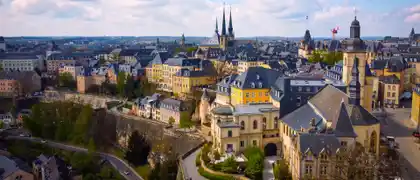
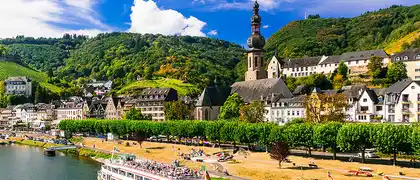
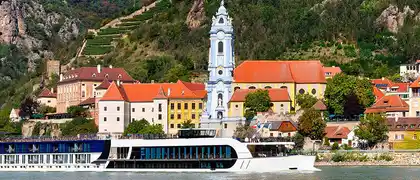
Belgium's waterways connect two distinct yet complementary landscapes. In the north, the Scheldt and its network of canals pass fertile countryside, monumental ports and the art-filled cities of Antwerp and Ghent. Farther south, the Meuse curves between wooded hills, rocky slopes and historic Walloon towns such as Namur, Huy and Liege. Smaller rivers, including the Senne and Demer, add another dimension through guided excursions into Brussels, Hasselt, Diest and the surrounding countryside.
Days ashore might include viewing paintings by European masters, exploring a medieval castle, cycling beside a peaceful river or tasting handmade chocolates in a family-run shop. Back on board, Belgium continues to unfold through panoramic windows and open-air decks. The result is a journey that combines the comfort of slow travel with the excitement of discovering several culturally distinctive destinations in a single itinerary.
The Major Rivers of Belgium
The Scheldt: Maritime Heritage and Flemish Masterpieces
The Scheldt is Belgium's most important cruising waterway, flowing through a landscape shaped by international trade, medieval prosperity and artistic achievement. Its navigable branches and connecting canals provide access to Antwerp, Ghent and several of northern Belgium's most celebrated destinations. The scenery shifts from working docks and monumental bridges to broad wetlands, flat farmland and historic waterfronts.
Antwerp
Antwerp river cruises arrive in a city defined by the Scheldt. Its waterfront reflects centuries of maritime commerce, while the historic center contains an impressive cathedral, guild houses and museums dedicated to art, printing, fashion and shipping. Antwerp is also famous for diamonds, designer boutiques, filled chocolates and lively dining.
Ghent
Connected to the Scheldt through its historic waterways, Ghent combines the romance of a medieval city with the energy of a university center. Canal-side buildings, stone bridges and illuminated towers create one of Belgium's most atmospheric urban landscapes. Excursions frequently include the Castle of the Counts and the cathedral housing the renowned Ghent Altarpiece.
Bruges
Bruges is reached through Belgium's interconnected canal system rather than directly from the main Scheldt channel. Its preserved medieval center rewards visitors with narrow waterways, stepped houses, quiet courtyards and an imposing bell tower. Boat rides, chocolate tastings and visits to workshops devoted to traditional lace-making are popular additions.
Doel and the Scheldt Wetlands
Near Antwerp, the lower Scheldt passes tidal landscapes of ecological importance. Excursions may explore wetlands, floodplains, and small communities where traditional houses stand in contrast to distant port infrastructure. This meeting of nature and industry gives the river a distinctive visual character.
The Senne: Brussels and the Hidden River
The Senne is closely tied to the origins of Brussels, although much of its historic course through the city was covered during major urban works. Large river vessels generally reach the capital via the Brussels-Scheldt Maritime Canal, with excursions highlighting the Senne's enduring influence on the city's development. This part of a Belgian itinerary focuses on architecture, European history, royal heritage and urban culture.
Brussels
Brussels river cruise excursions lead into a capital filled with elaborate guild houses, royal landmarks, green parks and major museums. Guests can explore the central historic square, discover comic art, admire early modern decorative architecture or sample waffles and handmade chocolates.
The Historic Center
The central square forms the architectural heart of Brussels. Surrounded by richly ornamented buildings, it reflects the wealth of the merchant associations that helped shape the city. Evening visits are particularly memorable when the facades glow beneath carefully placed lights.
The Brussels Canal District
Former warehouses and industrial buildings now share the waterfront with cultural spaces, restaurants and contemporary developments. Guided walks explain how the canal linked Brussels with Antwerp and international trade while supporting the growth of the modern capital.
The Royal Quarter
Broad avenues, formal gardens and monumental buildings introduce Belgium's royal and political history. Nearby museums feature paintings, sculpture, historical objects, and musical instruments, offering rewarding options for travelers interested in European culture.
The Demer: Rural Landscapes and Small Flemish Cities
The Demer flows through eastern Belgium, passing orchards, meadows, nature reserves and historic towns. It is better suited to small-boat outings, cycling and land-based exploration than conventional overnight river ships. On longer Belgian cruises, the Demer region may be visited during excursions from nearby canals and ports.
Hasselt
Hasselt excursions combine a welcoming historic center with gardens, fashion, street art and regional food. The city's large Japanese garden provides a peaceful contrast to the shopping streets, while nearby orchards and farms reflect Limburg's fertile landscape.
The Meuse: Castles, Citadels and Wooded Valleys
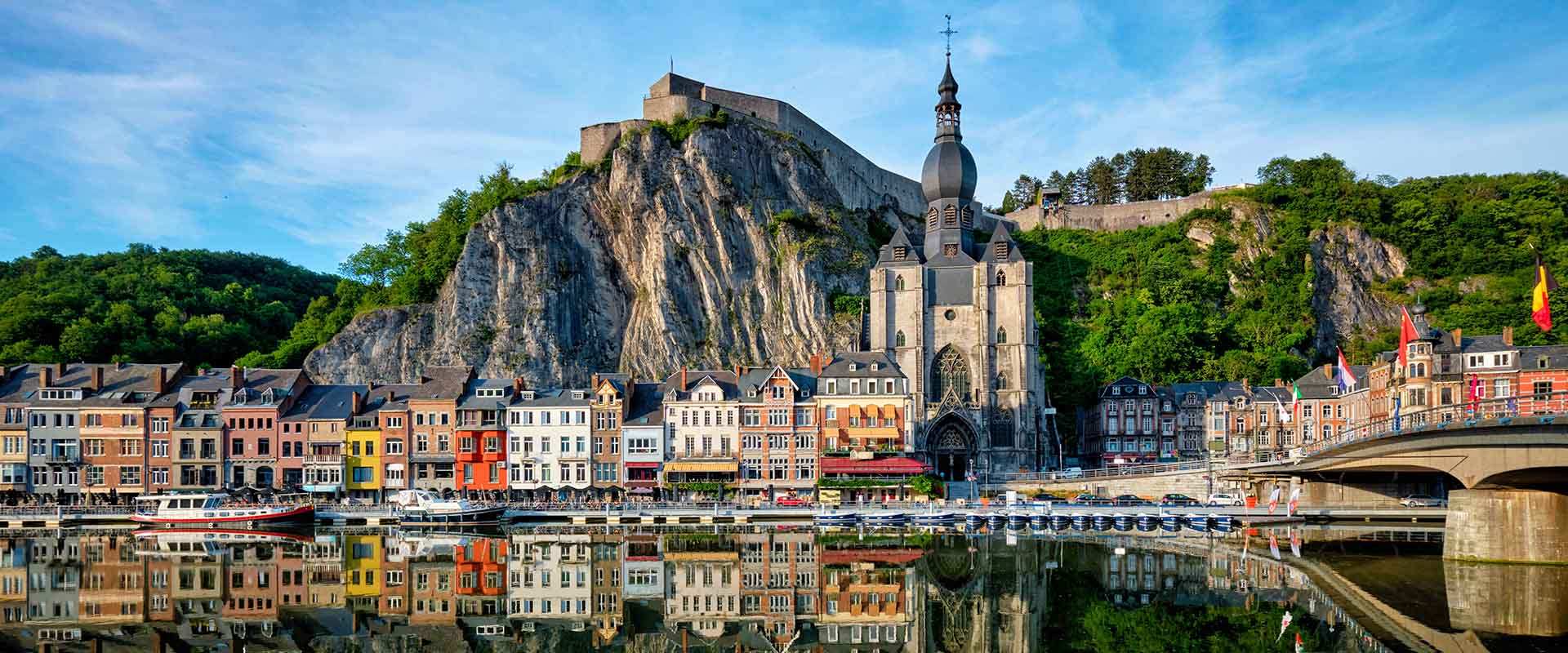
The Meuse offers a striking contrast to the flat landscapes of northern Belgium. Flowing through Wallonia, it is bordered by rocky slopes, wooded hills, fortified towns and former industrial communities. The river is navigable, and its locks and broad channels create opportunities for cruises through some of Belgium's most dramatic scenery.
Namur
Namur river cruises approach a city dominated by an immense hilltop citadel at the meeting of the Meuse and Sambre rivers. Guided tours explore defensive passages and viewpoints, while the old streets below contain museums, cafes and inviting food shops.
Huy
Huy occupies a scenic bend in the Meuse between Namur and Liege. Its fortress, historic church and riverfront create a memorable arrival. Visitors can explore the compact center or travel above the valley for sweeping views of the river and surrounding hills.
Liege
Liege river cruises reveal a lively city shaped by industry, learning and cultural exchange. Highlights include historic churches, museums, riverside architecture and a celebrated food scene. The city's position near the Netherlands also makes it a natural gateway for international itineraries.
Belgium River Cruise Itineraries
Short Cruises of 3 to 5 Days
A short cruise often concentrates on Antwerp, Ghent and Brussels. Guests can explore Antwerp's art and maritime heritage, walk beside Ghent's canals and spend a full day among the museums and historic architecture of the capital. These itineraries are ideal for a European city break or an introduction to river cruising.
Medium Cruises of 6 to 9 Days
Medium-length journeys provide time to combine major cities with smaller ports. A typical route might include Antwerp, Temse, Ghent, Bruges and Brussels, with cycling, chocolate tastings and museum visits along the way. Alternative programs explore Namur, Huy and Liege along the Meuse.
Long Cruises of 10 Days or More
Longer cruises connect Belgium with the Netherlands, France or Germany. Travelers might sail from Amsterdam through Antwerp and Ghent before continuing toward Brussels, or follow waterways linking Liege with Dutch and German ports. These voyages reveal how Belgium sits at the cultural and geographical crossroads of Western Europe.
Special-Interest Cruises
- Art and history cruises: View paintings by Flemish masters, visit medieval castles and explore museums devoted to printing, design, warfare and maritime trade.
- Culinary cruises: Enjoy Belgian waffles, fries, cheeses, filled chocolates and beer tastings, often accompanied by market visits or cooking demonstrations.
- Christmas market cruises: Experience illuminated squares, decorated streets, seasonal food and festive stalls in Brussels, Antwerp, Ghent and Liege.
- Cycling cruises: Ride along flat towpaths beside the Scheldt or explore the gentle landscapes surrounding the Demer and its tributaries.
- Garden and nature cruises: Discover tidal wetlands, riverside parks, orchards, formal gardens and the wooded slopes of the Meuse Valley.
Life On Board a Belgian River Cruise
Ship Sizes and Ambiance
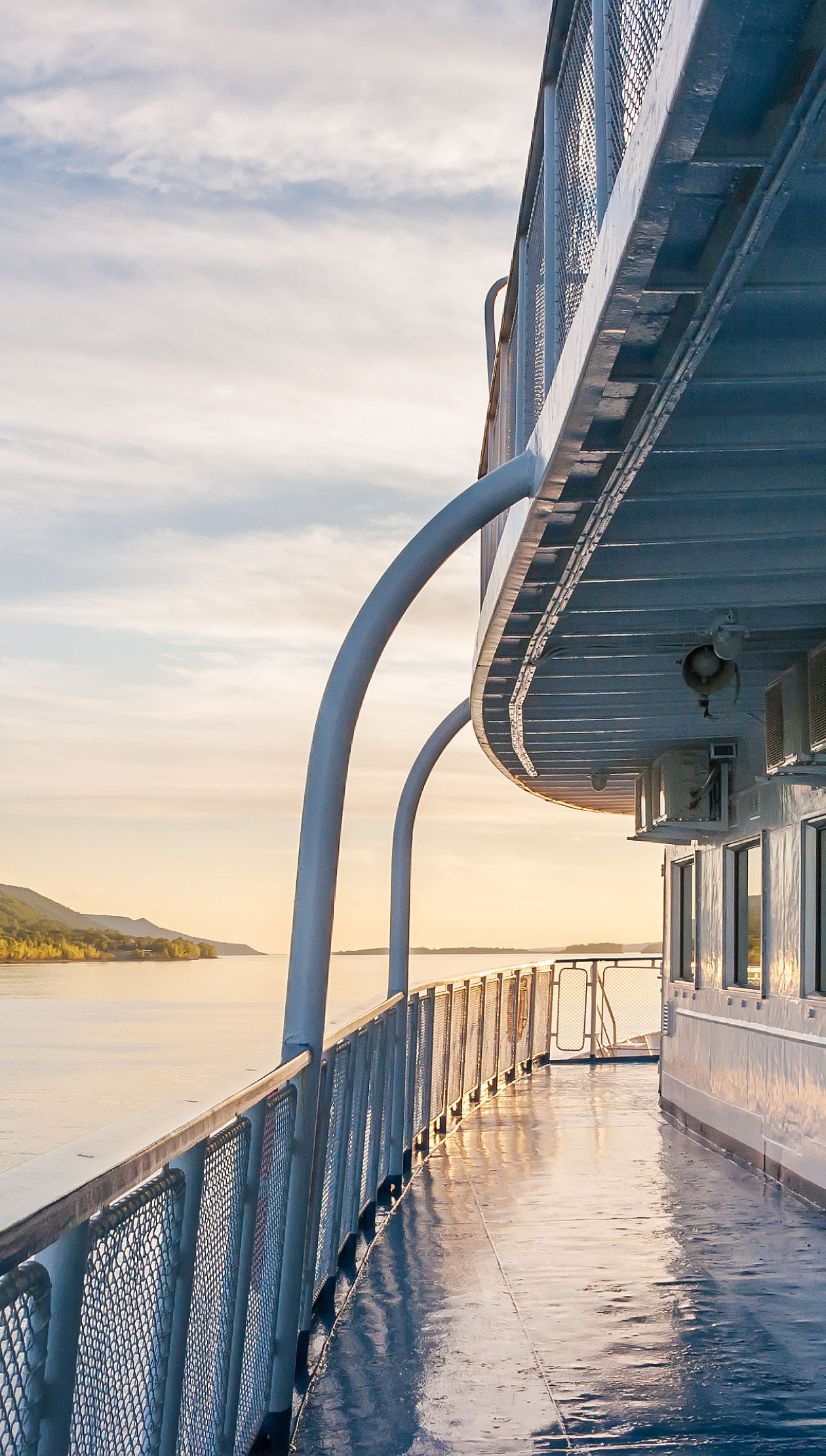
Most European river ships accommodate approximately 80 to 190 guests, while smaller vessels and hotel barges offer a more intimate setting. Expect comfortable lounges, panoramic windows and open decks designed for watching cities and countryside pass at close range. The atmosphere is generally relaxed, sociable and destination-focused.
Cuisine and Wine
Menus frequently reflect the regions visited, with local cheeses, fresh bread, seafood, seasonal produce and chocolate-based desserts. Belgian beer may be paired with European wines, while special dinners showcase regional recipes in an elegant setting. Dietary needs can usually be accommodated with advance notice.
Excursions and Enrichment
Daily activities range from guided city walks and museum visits to cycling tours, castle excursions, and food tastings. Onboard talks provide context on Belgian art, royal history, river engineering, and European politics, helping guests appreciate the cultural connections among the destinations.
Something for Everyone
- Couples appreciate the romantic cities and unhurried pace.
- Solo travelers benefit from organized excursions and communal dining.
- Selected departures welcome families with flexible activities, and premium ships provide spacious suites, attentive service and refined dining.
A river cruise through Belgium is more than a journey between historic cities. It is a passage through layers of art, trade, memory and everyday pleasure, where every bend may reveal a cathedral tower, a wooded citadel or a waterfront glowing in the evening light. Compact in distance yet immense in experience, Belgium rewards travelers with a lasting sense of having discovered the very heart of Europe.