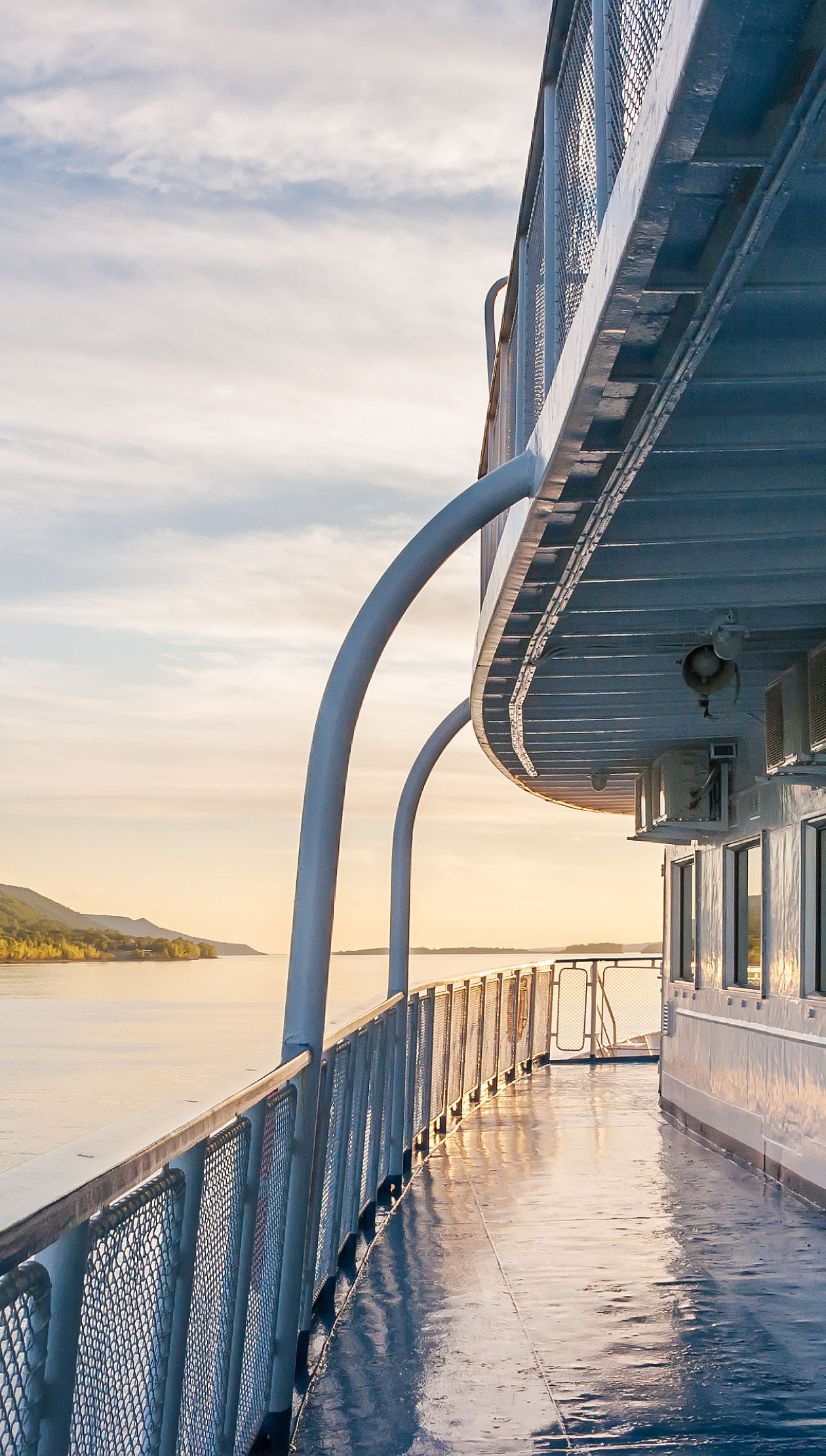
Coastal waterways and island landscapes
Here, the scenery changes with quiet drama. One morning may begin beside the calm waters of a lagoon, where fishing boats rock gently below red-roofed villages. By afternoon, the route may pass through maritime towns with Gothic brick churches, cobbled market squares, and harbors once linked to the powerful Hanseatic League. The Baltic is a region of soft northern light, salt-tinged air, and layered history, where every shoreline seems to hold a story.
For travelers seeking a slower, more intimate way to explore Northern Europe, a river cruise through the Baltic Sea region offers a rewarding balance of comfort and discovery. It is ideal for guests who enjoy cultural depth, scenic cruising, small ports, regional cuisine, and excursions that reveal both grand history and quiet local life.
Cruising the Baltic Sea Region
The Baltic Sea
The Baltic Sea is not a river, but in the context of river cruising, it serves as a remarkable coastal corridor linking rivers, lagoons, canals, and island channels across Northern Europe. Cruises in this region often follow sheltered waterways rather than open-ocean routes, creating an experience that feels closer to small-ship or river cruising than traditional sea travel.
Routes may explore coastal Poland, Germany, Denmark, Sweden, Finland, Estonia, Latvia, and Lithuania, depending on the itinerary. Along the way, guests encounter a rich mix of landscapes: sandy beaches, pine forests, marshlands, medieval towns, former trading ports, and island communities where maritime culture still shapes daily life.
Wollin and the Polish Baltic Coast
Wollin is one of the most atmospheric destinations for Baltic Sea river cruises, offering a blend of coastal scenery, Slavic heritage, and access to the waterways around the Oder Lagoon. Travelers can explore where nature and history meet along Poland’s northwestern coast.
The surrounding region is known for its wetlands, birdlife, forested landscapes, and proximity to the Baltic Sea. Cruises here may include gentle scenic passages, visits to historic settlements, and excursions that reveal the area’s Viking legends, medieval roots, and coastal traditions.
Oder Lagoon and Coastal Waterways
The Oder Lagoon, shared by Poland and Germany, is one of the most distinctive cruising areas connected to the Baltic Sea. Its calm, broad waters create a peaceful setting for small vessels, with routes that may connect river landscapes, coastal towns, and nature-rich islands.
This region is especially appealing for travelers interested in birdwatching, photography, and quiet scenery. Reed-fringed channels, small harbors, and low-lying wetlands give the journey a contemplative rhythm, while nearby towns offer insight into the cultural crossroads between Central and Northern Europe.
Hanseatic Cities and Maritime Heritage
The Baltic Sea has long been shaped by trade, and many cruise routes highlight the legacy of the Hanseatic League. Historic ports such as Lübeck, Stralsund, Rostock, Gdańsk, Tallinn, and Riga preserve the architecture and atmosphere of an era when merchants, shipbuilders, and sailors connected the Baltic world.
Guests can expect guided walks through old towns filled with brick Gothic churches, merchant houses, fortified gates, and market squares. These cities add strong cultural depth to Baltic Sea river cruises, pairing scenic sailing with stories of commerce, craftsmanship, conflict, and resilience.
Islands, Lagoons, and Northern Landscapes
One of the great pleasures of cruising the Baltic Sea region is the variety of landscapes encountered in a relatively compact area. Islands such as Wollin, Rügen, Gotland, and Saaremaa reveal a quieter side of Europe, where cliffs, beaches, forests, and fishing villages define the experience.
These destinations often feel less hurried than major capitals. Guests may spend time walking coastal trails, visiting small museums, tasting smoked fish or local pastries, or simply watching the changing light over the water from the ship’s deck.
Themed and Length-Based Baltic Sea Itineraries
Short Baltic Sea Cruises: 3–5 Days
Short Baltic Sea river cruises are ideal for travelers who want a compact introduction to the region without committing to a long journey. These itineraries often focus on one lagoon, island group, or coastal stretch, such as Wollin and the Oder Lagoon.
Guests might enjoy scenic cruising through sheltered waters, a guided walk through a historic town, nature excursions in wetlands or coastal forests, and relaxed evenings onboard. These shorter cruises are especially appealing as part of a wider Northern Europe trip.
Medium Baltic Sea Cruises: 6–9 Days
Medium-length itineraries allow for a more complete exploration of the Baltic’s cultural and natural variety. A 6–9 day cruise might combine coastal Poland and Germany, or follow a route linking islands, Hanseatic towns, and lagoon landscapes.
Highlights may include visits to medieval ports, tastings of regional cuisine, onboard lectures about Baltic history, and excursions to nature reserves. This length offers a rewarding balance of cruising time and time ashore.
Long Baltic Sea Cruises: 10+ Days
Longer Baltic Sea cruises provide a deeper journey across multiple countries and cultures. These itineraries may connect Poland, Germany, Denmark, Sweden, Finland, or the Baltic states, depending on the ship and route.
Travelers can expect a richer sense of progression: from river mouths and lagoons to island harbors, grand maritime cities, and remote coastal scenery. For guests who enjoy slow travel, a longer Baltic cruise allows the region’s layered identity to unfold gradually.
Art, History, and Hanseatic Heritage Cruises
History-focused itineraries are especially well-suited to the Baltic Sea. Excursions may explore medieval city walls, UNESCO World Heritage-listed old towns, maritime museums, castles, churches, and former trading hubs.
These cruises appeal to culturally curious travelers who enjoy understanding how geography shaped commerce, politics, architecture, and identity across Northern Europe.
Culinary and Regional Flavor Cruises
Culinary-focused Baltic Sea river cruises highlight the region’s distinctive flavors: smoked fish, rye bread, dill, berries, mushrooms, pickled vegetables, pastries, craft beer, and warming seasonal dishes.
Depending on the itinerary, guests may visit local markets, coastal smokehouses, family-run restaurants, or vineyards and farms in nearby regions. Onboard menus often reflect the destinations visited, creating a strong sense of place through food and drink.
Christmas Market and Festive Cruises
In late autumn and winter, parts of the Baltic region take on a festive atmosphere. Christmas market cruises may include historic towns decorated with lights, seasonal crafts, mulled wine, gingerbread, and traditional music.
These itineraries are especially atmospheric in Hanseatic cities, where medieval squares and brick façades create a warm contrast to the crisp northern air.
The Onboard Experience
Ship Sizes and Ambiance
Baltic Sea river cruises are often operated by smaller vessels designed for intimate exploration. Ships may carry fewer guests than large ocean liners, creating a relaxed, personal atmosphere focused on scenery, culture, and access to smaller ports.
Onboard life is calm and unhurried. Guests can expect comfortable lounges, open decks for scenic viewing, and a casual elegance suited to travelers who value meaningful experiences over spectacle.
Cuisine and Wine
Dining is an important part of the Baltic cruising experience. Menus may feature regional produce, fresh fish, seasonal vegetables, hearty soups, dark breads, local cheeses, and desserts inspired by Northern European traditions.
Wine, beer, and regional spirits may also be woven into the journey, particularly on culinary or special-interest departures. Meals often become a continuation of the day’s excursions, connecting guests to the places they have just explored.
Excursions and Enrichment
Excursions are central to Baltic Sea river cruises. Guests may join guided city walks, museum visits, nature hikes, birdwatching outings, food tastings, castle tours, or cultural performances.
Onboard enrichment may include lectures on Baltic history, maritime trade, ecology, architecture, or regional folklore. These moments add context to the landscapes outside the window, making the journey feel more layered and memorable.
Something for Everyone
Baltic Sea river cruises appeal to a wide range of travelers. Couples enjoy the romantic blend of scenery, history, and relaxed onboard life. Solo travelers appreciate the sociable but low-pressure atmosphere of smaller ships. Families with older children may enjoy itineraries that include castles, nature, and maritime stories. Luxury travelers can seek out premium vessels with refined dining, spacious cabins, and curated excursions.
Above all, these cruises are ideal for guests who enjoy culture-rich travel, gentle adventure, and destinations that reveal themselves slowly.
Choosing a Baltic Sea River Cruise
- Unique coastal-river style cruising through lagoons, canals, islands, and sheltered Baltic waterways.
- Rich maritime history shaped by Hanseatic trade, medieval ports, and centuries of cultural exchange.
- Scenic variety including wetlands, forests, beaches, islands, old towns, and harbor cities.
- Small-ship atmosphere with a relaxed pace and access to lesser-known destinations.
- Memorable cultural experiences through cuisine, guided excursions, museums, markets, and local traditions.
A Journey Through Northern Europe’s Living Shoreline
Baltic Sea river cruises offer a different kind of European journey: quieter than the grand boulevards of the capitals, more intimate than an ocean voyage, and deeply connected to the rhythms of water, wind, trade, and time. From Wollin’s coastal landscapes to Hanseatic cities and island horizons, the Baltic reveals itself in layers — through morning mist over lagoons, the echo of church bells in old market squares, and the taste of smoked fish served beside a working harbor.
A Baltic Sea river cruise is a journey along Europe’s northern edge, where history travels by water, landscapes shift with the light, and every harbor opens a new chapter in the story of the sea.